
Jan . 28, 2026 11:05 Back to list
Understanding the Crucial Role of the Vane for Vacuum Filler in Food Processing
Understanding the Vane for Vacuum Filler: A Comprehensive Guide
The vane for vacuum filler is a crucial component in ensuring optimal performance and product quality in the food processing industry. This article delves into the functionality, types, maintenance, and selection criteria for these essential parts. Whether you're a seasoned professional or new to vacuum filling technology, understanding the role of the vane is paramount for efficient and reliable operation. We’ll cover how choosing the right vane significantly impacts filling accuracy and overall machinery longevity.
What is a Vane in Vacuum Filler Technology?
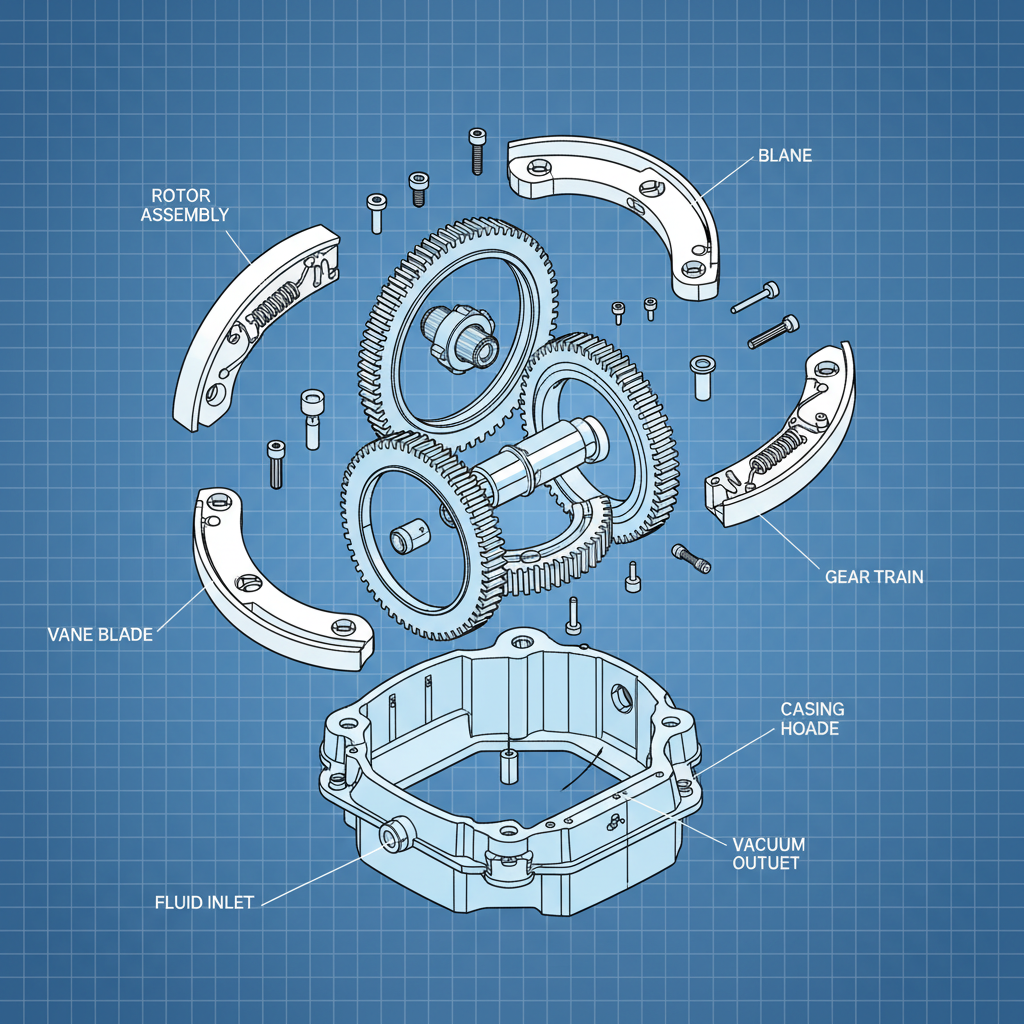
At its core, the vane in a vacuum filler is a rotating component responsible for creating the vacuum that draws product into the filling head. These vanes are precisely engineered to seal against the cylinder walls, creating a tight chamber for vacuum generation. The proper functioning of the vanes directly influences the consistency and accuracy of the filled product, preventing air pockets and ensuring optimal packaging. They are subject to wear and tear due to constant friction and contact with various food products, necessitating regular inspection and replacement. You can find high-quality vanes and other vacuum filler parts at Bossin Machinery.
Key Takeaway: The vane’s primary function is to generate a vacuum for precise product filling, impacting product quality and packaging efficiency.
Types of Vanes for Vacuum Fillers
Vacuum filler vanes aren't one-size-fits-all. Several types cater to different filler models and product characteristics. Common materials include stainless steel, various polymers, and composite materials. Each material offers unique properties concerning wear resistance, hygiene, and compatibility with specific food products. For example, stainless steel vanes are highly durable and suitable for abrasive products, while polymer vanes may be preferred for delicate items to prevent damage. Selecting the appropriate vane material is critical for maximizing performance and minimizing downtime. Bossin Machinery offers a wide range of vane types to suit various applications.
Vane Material Comparison:
• Stainless Steel: High durability, resistance to abrasion, hygienic.
• Polymer: Gentle on delicate products, lower friction.
• Composite: Balance of durability and product compatibility.
Selecting the Right Vane for Your Vacuum Filler
Choosing the correct vane is vital for consistent performance. Several factors should influence your decision. First, determine the exact model of your vacuum filler and consult the manufacturer's specifications. Consider the type of product you're filling – is it solid, liquid, chunky, or abrasive? The vane material must be compatible with the product to avoid contamination or damage. Also, factor in the frequency of use and the expected lifespan of the vane. Purchasing high-quality vanes from a reputable supplier like Bossin Machinery ensures reliability and minimizes costly downtime.
Maintenance and Replacement of Vacuum Filler Vanes
Regular maintenance is crucial for extending the life of your vacuum filler vanes. Implement a schedule for visual inspection, checking for wear, cracks, or damage. Replace vanes promptly when signs of deterioration are observed. Ignoring worn vanes can lead to reduced vacuum efficiency, inconsistent filling, and potential damage to other filler components. Proper cleaning after each use is also essential, removing any product residue that could contribute to wear. Bossin Machinery provides comprehensive support and replacement parts to help maintain optimal filler performance.
Benefits of Using High-Quality Vanes
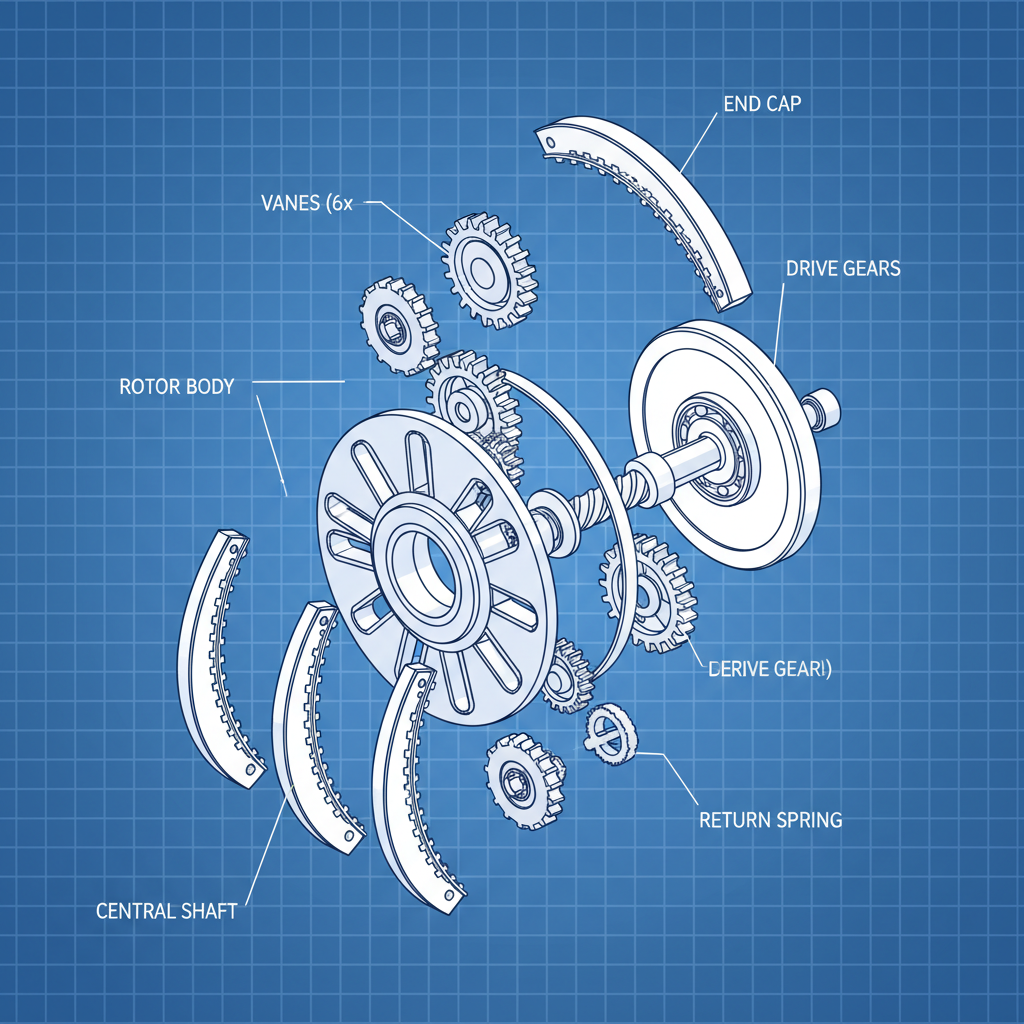
Investing in high-quality vanes from a trusted source offers numerous benefits. These include increased filling accuracy, reduced product waste, minimized downtime, and extended machinery lifespan. High-quality vanes are manufactured to precise tolerances, ensuring a tight seal and efficient vacuum generation. They are also made from durable materials that can withstand the demands of continuous operation. Ultimately, using premium vanes translates to improved productivity and lower operating costs. Bossin Machinery is committed to providing only the highest-quality vanes for your vacuum filler needs.
Conclusion: Optimize Your Vacuum Filling with the Right Vanes
The vane for vacuum filler is a critical component impacting efficiency, product quality, and longevity of your machinery. Choosing the correct type, performing regular maintenance, and utilizing high-quality parts are key to maximizing performance. Investing in quality vanes from a reputable supplier like Bossin Machinery will deliver long-term benefits and ensure smooth, reliable operation.
Frequently Asked Questions (FAQs)
How often should I replace the vanes in my vacuum filler?
The frequency of vane replacement depends on several factors, including the type of product being filled, the frequency of use, and the vane material. As a general guideline, vanes should be inspected every 2-3 months and replaced when signs of wear, such as cracks, chips, or reduced vacuum performance, are observed. Abrasive products will necessitate more frequent replacements than less aggressive materials. Regular monitoring and proactive replacement are crucial to prevent costly downtime and maintain filling accuracy. Contact Bossin Machinery for tailored recommendations.
What are the signs that my vacuum filler vanes need replacing?
Several indicators suggest it's time to replace your vacuum filler vanes. These include inconsistent filling volumes, increased air pockets in the filled product, reduced vacuum pressure, and unusual noises during operation. Visually inspecting the vanes for cracks, chips, or excessive wear is also critical. If you notice any of these symptoms, promptly replacing the vanes will restore optimal performance and prevent further damage to the filler.
Can I use any type of vane in my vacuum filler?
No, it's crucial to use the correct vane specified for your vacuum filler model. Using an incompatible vane can lead to reduced performance, damage to the filler, and potential safety hazards. Always consult the manufacturer’s documentation or contact a qualified supplier like Bossin Machinery to ensure you select the appropriate vane for your equipment.
How can I extend the life of my vacuum filler vanes?
Several practices can help extend the lifespan of your vanes. Regularly clean the vanes after each use to remove product residue. Avoid running the filler with abrasive materials that can accelerate wear. Ensure the filler is properly maintained and lubricated. Finally, use high-quality vanes from a reputable supplier like Bossin Machinery.
Latest news
-
Comprehensive Guide to Wholesale Skip Car Solutions for Construction Efficiency
NewsMar.31,2026
-
Investing in a Wholesale Meat Salted Machine for Business Success
NewsMar.28,2026
-
Revolutionizing Burger Production with Wholesale Burger Making Forming Machine Solutions
NewsMar.26,2026
-
Comprehensive Guide to Wholesale Sausage Filler Price and Equipment Selection
NewsMar.24,2026
-
Investing in a Wholesale Beef Slicing Machine for Enhanced Business Efficiency
NewsMar.21,2026
-
Invest in a Wholesale Clipping Machine for Sausages to Optimize Production
NewsMar.19,2026