
Jan . 27, 2026 19:05 Back to list
Comprehensive Guide to Vacuum Filler Parts for Optimal Machine Performance
Vacuum Filler Parts: A Comprehensive Guide
Maintaining the efficiency and longevity of your vacuum filling machine relies heavily on the quality and availability of its parts. This article provides a detailed overview of vacuum filler parts, covering their function, common issues, sourcing options, and crucial considerations for optimal performance. Whether you are in the food processing, pharmaceutical, or chemical industries, understanding these components is vital for minimizing downtime and maximizing your investment. Proper maintenance and timely replacement of vacuum filler parts contribute significantly to product quality and safety.
Understanding the Core Components of Vacuum Fillers
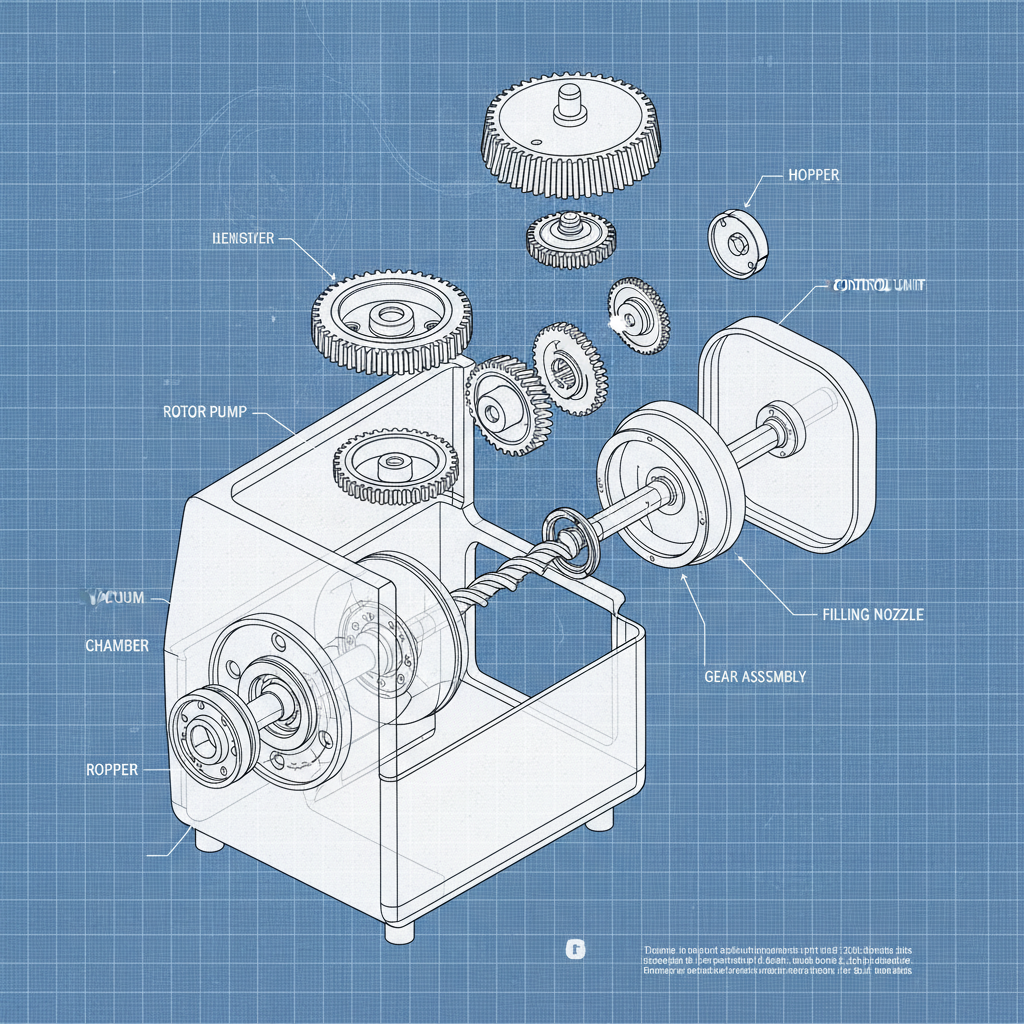
Vacuum fillers are complex machines comprising numerous intricate parts. Some of the most critical components include the vacuum pump, filling nozzles, hopper, control system, sealing mechanisms, and various gaskets and seals. The vacuum pump generates the necessary suction to draw product into the filling chamber, while the nozzles accurately dispense the product into containers. The hopper holds the product before filling, and the control system regulates the entire process. Gaskets and seals prevent leaks and maintain vacuum integrity. Each of these components plays a specific role in ensuring accurate, hygienic, and efficient filling. Regular inspection and maintenance of these parts are essential for preventing breakdowns and maintaining optimal performance.
Key Takeaway: Consistent performance of a vacuum filler is directly proportional to the quality and upkeep of its core components. Investing in high-quality vacuum filler parts is crucial for long-term efficiency.
Common Vacuum Filler Part Failures and Their Causes
Several common issues can arise with vacuum filler parts, leading to reduced efficiency or complete machine failure. Worn-out seals and gaskets are a frequent culprit, causing vacuum loss and inconsistent filling volumes. Nozzle blockages can occur due to product buildup, resulting in inaccurate dispensing. Vacuum pump failures, often due to contamination or lack of lubrication, can cripple the entire system. Control system malfunctions, triggered by electrical issues or software glitches, can disrupt the filling process. Identifying the root cause of these failures is critical for effective repair and preventing recurrence. Preventative maintenance, including regular cleaning, lubrication, and inspection, is the best defense against these issues.
Key Failure Points:
• Worn Seals & Gaskets: Vacuum Loss, Inconsistent Fill
• Nozzle Blockages: Inaccurate Dispensing
• Vacuum Pump Failure: System Crippling
• Control System Malfunctions: Process Disruption
Choosing the Right Vacuum Filler Parts
Selecting the correct vacuum filler parts is paramount. Opt for parts specifically designed for your machine's make and model to ensure compatibility and optimal performance. Prioritize quality materials and reputable manufacturers to guarantee durability and reliability. Consider the operating environment and the type of product being filled when choosing parts – for example, food-grade materials are essential for food processing applications. OEM (Original Equipment Manufacturer) parts are often the best choice for maintaining original machine specifications, but high-quality aftermarket options can also be viable. Always verify the parts’ specifications against your machine’s manual before purchasing.
Sourcing Reliable Vacuum Filler Parts
Finding a reliable supplier of vacuum filler parts is crucial. Direct contact with the machine manufacturer (like Bossin Machinery) often provides the most accurate and compatible parts. Reputable distributors specializing in packaging machinery components are another viable option. Online marketplaces can offer convenience, but exercise caution and verify the supplier’s credentials before making a purchase. Consider factors like delivery time, warranty policies, and customer support when choosing a supplier. A supplier with a strong track record of quality and responsiveness can significantly minimize downtime and ensure smooth operations.
Preventive Maintenance: Extending the Life of Your Parts
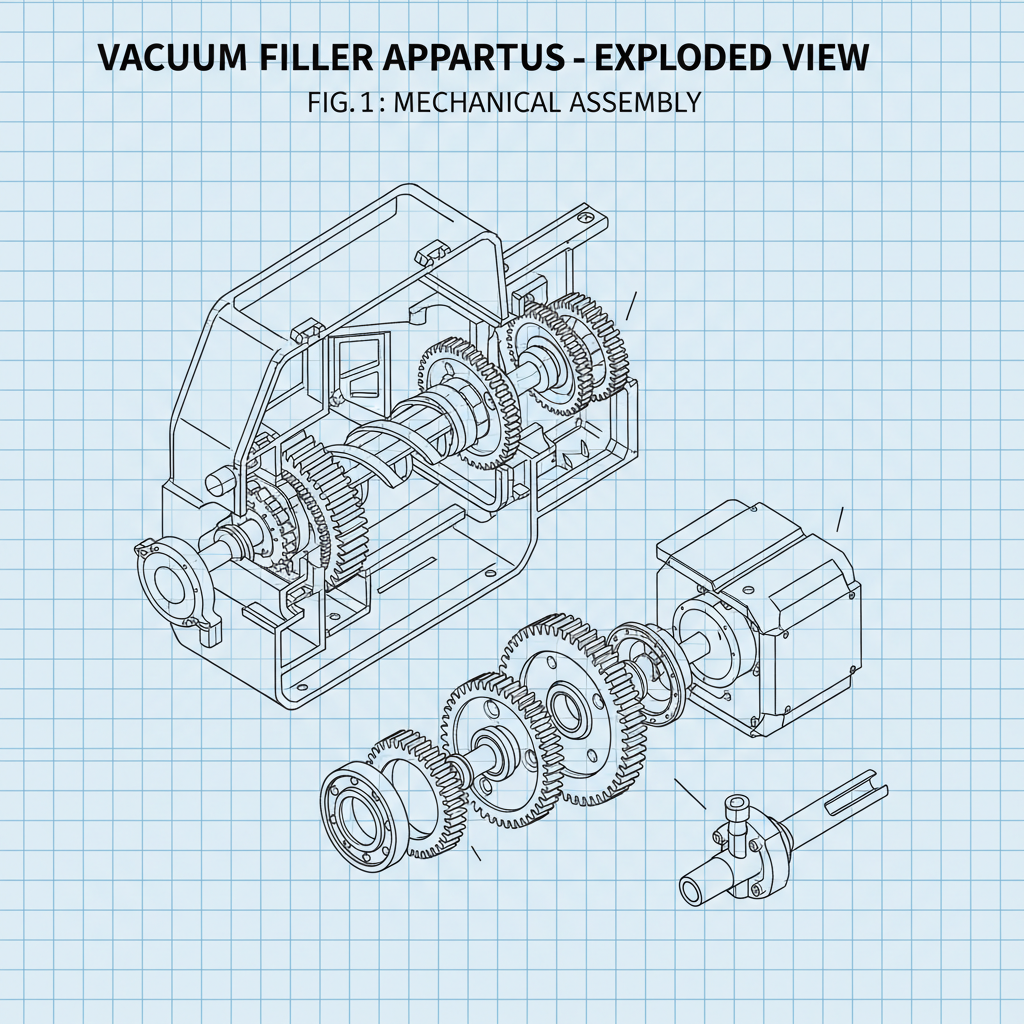
Implementing a proactive preventative maintenance schedule is the best way to prolong the life of your vacuum filler parts. This includes regular cleaning, lubrication, inspection, and timely replacement of worn components. Develop a checklist based on the manufacturer’s recommendations and your machine’s operating conditions. Keep a log of all maintenance activities to track part usage and identify potential issues early on. Training your personnel on proper maintenance procedures is also essential. Consistent preventative maintenance not only reduces the risk of unexpected breakdowns but also ensures consistent product quality and extends the overall lifespan of your vacuum filling machine.
Conclusion: Investing in Quality and Maintenance
Ensuring the smooth operation of your vacuum filler requires a commitment to both quality vacuum filler parts and a consistent preventative maintenance program. By choosing reliable suppliers, understanding potential failure points, and proactively addressing maintenance needs, you can maximize uptime, minimize costs, and maintain the highest standards of product quality. Don't compromise on the integrity of your filling process – invest in the longevity and efficiency of your machine.
Frequently Asked Questions (FAQs)
What is the typical lifespan of vacuum filler nozzles?
The lifespan of vacuum filler nozzles varies depending on the product being filled and the frequency of use. Nozzles handling abrasive or sticky substances will naturally wear out faster. Generally, stainless steel nozzles can last for several years with proper cleaning and maintenance. However, it's recommended to inspect them regularly for signs of wear, such as cracks, dents, or uneven dispensing. Replacing nozzles proactively can prevent product contamination and maintain filling accuracy. A good rule of thumb is to replace them annually or after 500-1000 hours of operation, depending on the application.
How often should I replace the vacuum pump oil?
The frequency of oil changes for the vacuum pump depends on the pump type and the operating conditions. Generally, a full oil change should be performed every 3-6 months, or after approximately 500-1000 hours of operation. Regular oil checks are crucial to monitor the oil level and condition. Oil that is contaminated, discolored, or has a milky appearance should be replaced immediately. Using the correct type of oil, as specified by the pump manufacturer, is essential for optimal performance and longevity. Refer to your vacuum pump's manual for specific recommendations.
What are the signs that a vacuum filler seal needs to be replaced?
Several indicators suggest a vacuum filler seal needs replacing. The most obvious sign is a noticeable loss of vacuum, resulting in incomplete or inconsistent fills. You might also hear a hissing sound, indicating air leakage. Visible cracks, tears, or deformation of the seal are clear signs of failure. Reduced filling speed or increased cycle times can also be attributed to a compromised seal. Regularly inspecting the seals for these signs is crucial for preventing downtime and maintaining filling accuracy. Prompt replacement of faulty seals ensures optimal vacuum performance.
Latest news
-
Comprehensive Guide to Wholesale Skip Car Solutions for Construction Efficiency
NewsMar.31,2026
-
Investing in a Wholesale Meat Salted Machine for Business Success
NewsMar.28,2026
-
Revolutionizing Burger Production with Wholesale Burger Making Forming Machine Solutions
NewsMar.26,2026
-
Comprehensive Guide to Wholesale Sausage Filler Price and Equipment Selection
NewsMar.24,2026
-
Investing in a Wholesale Beef Slicing Machine for Enhanced Business Efficiency
NewsMar.21,2026
-
Invest in a Wholesale Clipping Machine for Sausages to Optimize Production
NewsMar.19,2026