
Jan . 27, 2026 21:35 Back to list
Comprehensive Guide to Vacuum Stuffer Parts and Efficient Maintenance
Understanding Vacuum Stuffer Parts: A Comprehensive Guide
Vacuum stuffers are indispensable tools in the food processing industry, particularly for meat production. Maintaining these machines requires a steady supply of quality vacuum stuffer parts. This article provides a detailed overview of common vacuum stuffer parts, their functions, how to identify wear and tear, and where to source reliable replacements. Ensuring your vacuum stuffer operates efficiently hinges on understanding its key components and proper maintenance. Choosing the correct parts can significantly extend the life of your machine and maintain food safety standards.
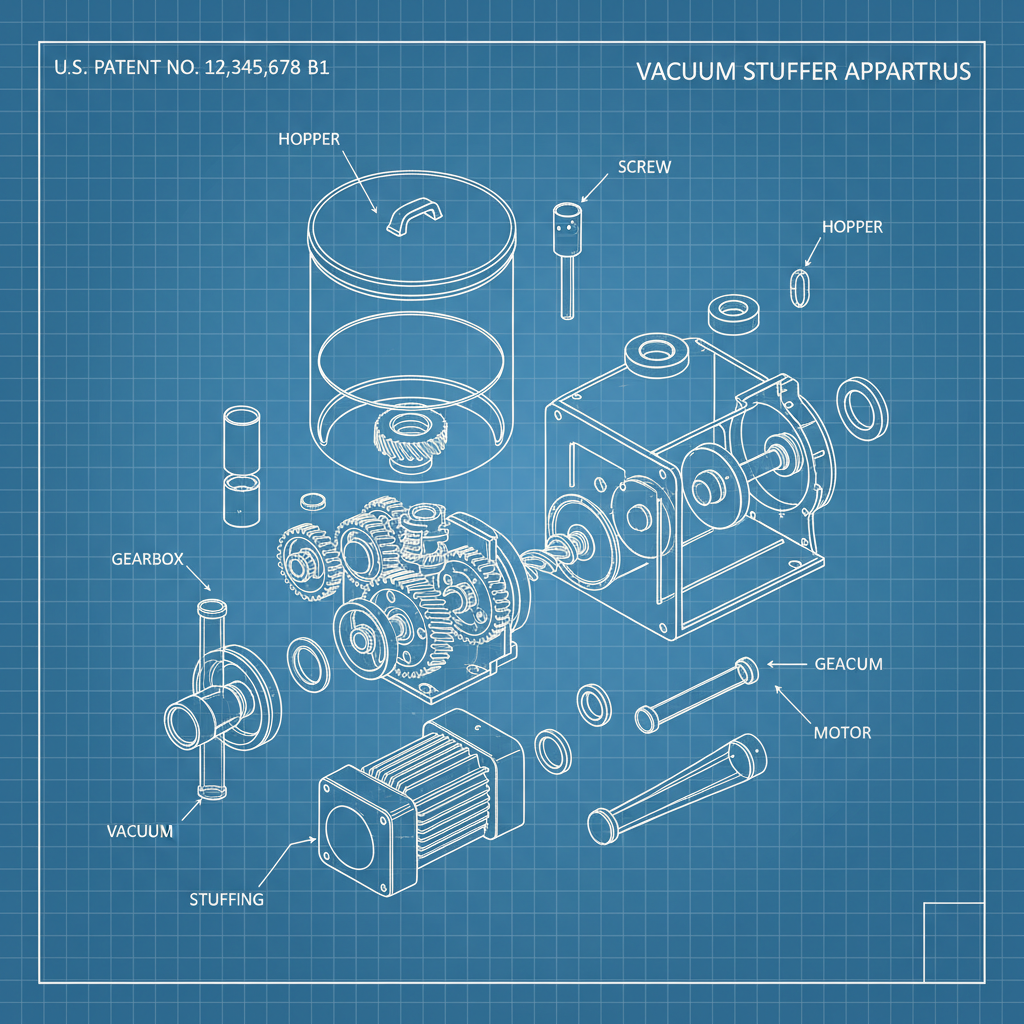
Key Components of a Vacuum Stuffer
A vacuum stuffer consists of several critical components working in unison. The hopper is where the meat or product is loaded. The piston, driven by a pneumatic or hydraulic system, forces the product through the stuffer tube. The stuffing tube is the outlet through which the product is dispensed. Seals and O-rings are essential for maintaining the vacuum, while the valve system controls the product flow. Finally, the control panel manages the machine’s operation. Regular inspection of these parts is vital for identifying potential issues before they escalate.
Essential Insight: Proper maintenance and timely replacement of vacuum stuffer parts are crucial for consistent product quality, machine longevity, and adherence to hygiene standards.
Identifying Common Vacuum Stuffer Parts that Need Replacement
Over time, certain parts naturally wear out and require replacement. Seals and O-rings are prone to cracking or hardening, leading to vacuum loss. A decrease in vacuum strength directly impacts stuffing efficiency. The piston can experience wear on its surface, reducing its ability to create a tight seal. The stuffing tube may develop cracks or blockages. Regularly check these components for signs of wear. Addressing issues promptly can prevent costly downtime and ensure continued smooth operation.
Signs of Wear & Tear:
• Reduced vacuum strength
• Leaks around seals
• Difficulty in product discharge
• Visible cracks or damage to components
Vacuum Stuffer Parts: A Comparison of Materials
Different materials are used in the construction of vacuum stuffer parts, each with its own advantages and disadvantages. Stainless steel is common for components requiring hygiene and durability, like the hopper and stuffing tube. Rubber and silicone are used for seals and O-rings due to their flexibility and sealing properties. Polyurethane is often used for pistons due to its wear resistance. Understanding these material differences helps in selecting the appropriate replacement parts.
Choosing the Right Supplier for Vacuum Stuffer Parts
Selecting a reputable supplier is critical. Look for suppliers specializing in food processing equipment parts, offering a wide range of components and providing detailed specifications. Check for certifications and quality assurance measures. Ensure the supplier offers responsive customer support and prompt delivery. Bossin Machinery is a reliable source for high-quality vacuum stuffer parts, offering a comprehensive selection and dedicated support.
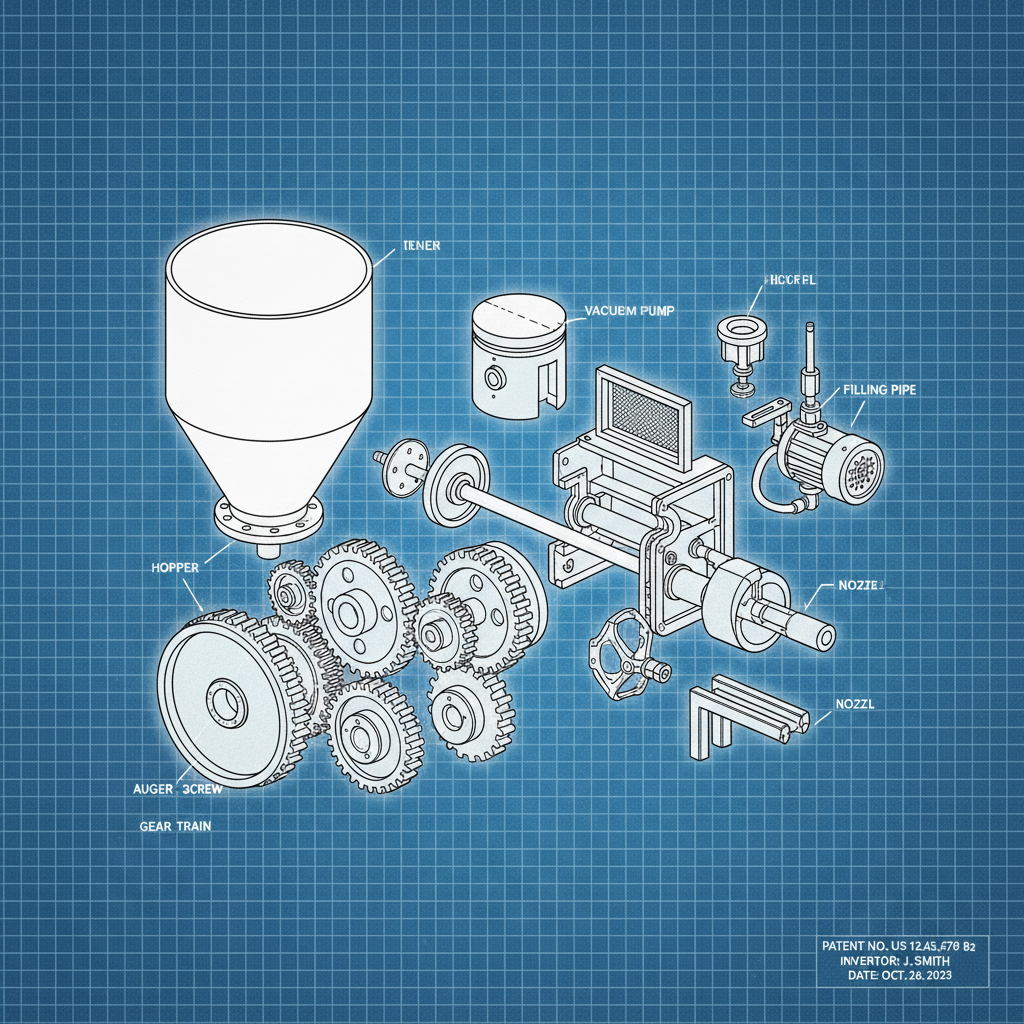
Product Specifications: Common Vacuum Stuffer Parts
Here's a table outlining specifications for some common vacuum stuffer parts:
Conclusion: Maintaining Peak Performance
Investing in quality vacuum stuffer parts and implementing a regular maintenance schedule is vital for ensuring optimal performance, product safety, and machine longevity. By understanding the critical components and recognizing the signs of wear, you can prevent costly downtime and maintain efficient food production. Choose a trusted supplier like Bossin Machinery for reliable parts and expert support.
Frequently Asked Questions (FAQs)
How often should I replace vacuum stuffer seals?
The frequency of seal replacement depends on usage and the type of product being processed. However, a general guideline is to inspect seals every 3-6 months and replace them if they show any signs of cracking, hardening, or wear. Seals are critical for maintaining vacuum integrity, so regular inspection is essential. Ignoring worn seals can lead to reduced stuffing efficiency and potential product contamination. Consider keeping a stock of replacement seals on hand to minimize downtime.
What are the signs that my vacuum stuffer piston needs replacing?
Signs indicating piston replacement include reduced stuffing pressure, inconsistent product flow, and visible wear or damage to the piston surface. If you notice air leaking around the piston or the machine struggling to evacuate air from the chamber, the piston seal may be compromised, requiring piston replacement. It’s crucial to address these issues promptly to avoid further damage to the machine.
Can I use generic vacuum stuffer parts, or should I stick with OEM parts?
While generic parts may be cheaper, it’s generally recommended to use Original Equipment Manufacturer (OEM) parts, especially for critical components like pistons and seals. OEM parts are designed specifically for your machine, ensuring optimal performance, reliability, and compatibility. Generic parts may not meet the same quality standards and could potentially damage your machine or compromise food safety. Bossin Machinery offers a wide range of genuine vacuum stuffer parts.
How do I properly store vacuum stuffer parts?
Store vacuum stuffer parts in a clean, dry, and temperature-controlled environment. Keep them away from direct sunlight, extreme temperatures, and harsh chemicals. Protect seals and O-rings from damage by storing them in sealed containers or bags. Properly stored parts will maintain their integrity and be ready for use when needed.
Latest news
-
Comprehensive Guide to Wholesale Skip Car Solutions for Construction Efficiency
NewsMar.31,2026
-
Investing in a Wholesale Meat Salted Machine for Business Success
NewsMar.28,2026
-
Revolutionizing Burger Production with Wholesale Burger Making Forming Machine Solutions
NewsMar.26,2026
-
Comprehensive Guide to Wholesale Sausage Filler Price and Equipment Selection
NewsMar.24,2026
-
Investing in a Wholesale Beef Slicing Machine for Enhanced Business Efficiency
NewsMar.21,2026
-
Invest in a Wholesale Clipping Machine for Sausages to Optimize Production
NewsMar.19,2026