
Mar . 28, 2026 02:25 Back to list
Investing in a Wholesale Meat Salted Machine for Business Success
Choosing the Right Wholesale Meat Salted Machine for Your Business
Investing in a wholesale meat salted machine is a crucial step for any meat processing company looking to improve efficiency, consistency, and quality. Salted meat preservation is a time-honored technique, and a modern machine streamlines the process significantly. This article will guide you through understanding the key features, benefits, and considerations when selecting the ideal machine for your specific needs. We’ll explore the latest technologies, the importance of capacity, and how to choose a supplier you can trust.
Understanding the Functionality of a Wholesale Meat Salted Machine
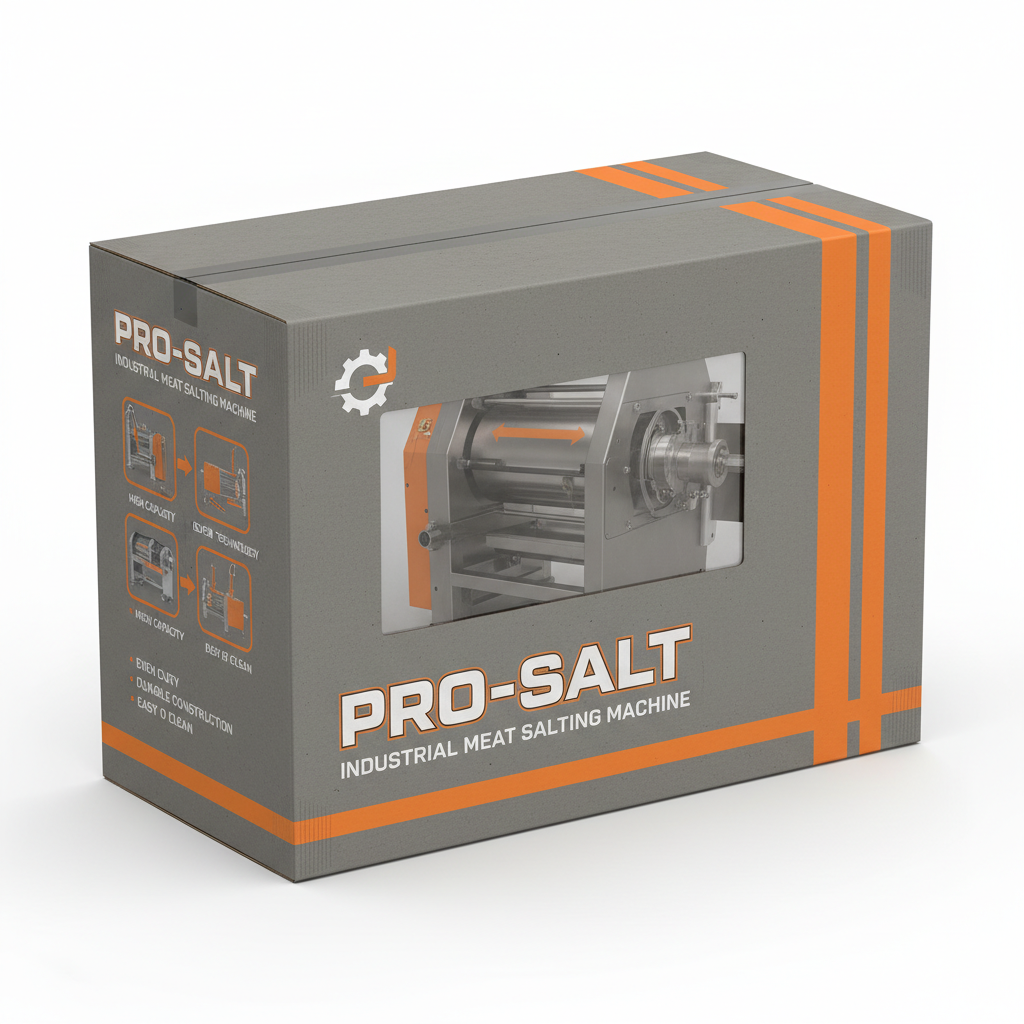
A wholesale meat salted machine automates the process of injecting or tumbling meat with brine (saltwater). This process not only preserves the meat but also enhances its flavor and texture. Different machines utilize varying methods. Injection machines use needles to evenly distribute brine throughout the meat, while tumbler machines rotate the meat in a vacuum with brine, achieving a similar result. Choosing the right method depends on the type of meat being processed and the desired outcome. Modern machines often feature adjustable settings for salt concentration, injection pressure (for injectors), and tumbling speed, allowing for precise control over the salting process. Properly salted meat exhibits improved water-holding capacity, resulting in a juicier and more flavorful finished product.
Key Benefits: Automated brine distribution, consistent salting, improved meat quality, enhanced flavor, extended shelf life, and increased production efficiency.
Types of Wholesale Meat Salted Machines: Injection vs. Tumbling
There are primarily two types of wholesale meat salted machines: injection and tumbling. Injection machines are best suited for larger cuts of meat, like hams and shoulders, where deep brine penetration is desired. Tumbling machines are more effective for smaller pieces, such as bacon or poultry parts. Each method has its advantages and disadvantages. Injection provides very targeted and deep saturation but requires careful needle placement to avoid damage. Tumbling offers more even distribution and can also help tenderize the meat. Some facilities opt for both, utilizing injection for initial brining and tumbling for further enhancement. Understanding the specific requirements of your product line is crucial for choosing the right type of machine. Bossin Machinery provides a variety of machines to fit these different needs.
Injection vs. Tumbling: A Quick Comparison
• Injection: Best for larger cuts, deep penetration, requires precise needle control.
• Tumbling: Best for smaller pieces, even distribution, tenderizes meat.
• Cost: Injection machines are often more expensive than tumbler machines.
• Versatility: Tumbling machines can be used for marinades as well as brines.
Key Considerations When Selecting a Wholesale Meat Salted Machine
Several factors should influence your decision when selecting a wholesale meat salted machine. Capacity is paramount – the machine must be able to handle your production volume. Consider both the size of the batches and the overall daily output. Material construction is also crucial. Stainless steel is the industry standard for its durability, hygiene, and ease of cleaning. Automation level impacts labor costs and consistency. More automated machines require less manual intervention. Energy efficiency is a growing concern, as it affects operating costs and environmental impact. And finally, consider the ease of maintenance and cleaning to minimize downtime and ensure sanitary operation.
Choosing the Right Supplier: Quality and Support
Selecting a reputable supplier is just as important as choosing the right machine. Look for a company with a proven track record, positive customer reviews, and a commitment to providing excellent after-sales support. Consider factors like warranty coverage, availability of spare parts, and the level of technical assistance offered. Bossin Machinery is a trusted provider of wholesale meat processing equipment, offering a wide range of machines, comprehensive support, and competitive pricing.
Wholesale Meat Salted Machine: Product Specifications (Example)
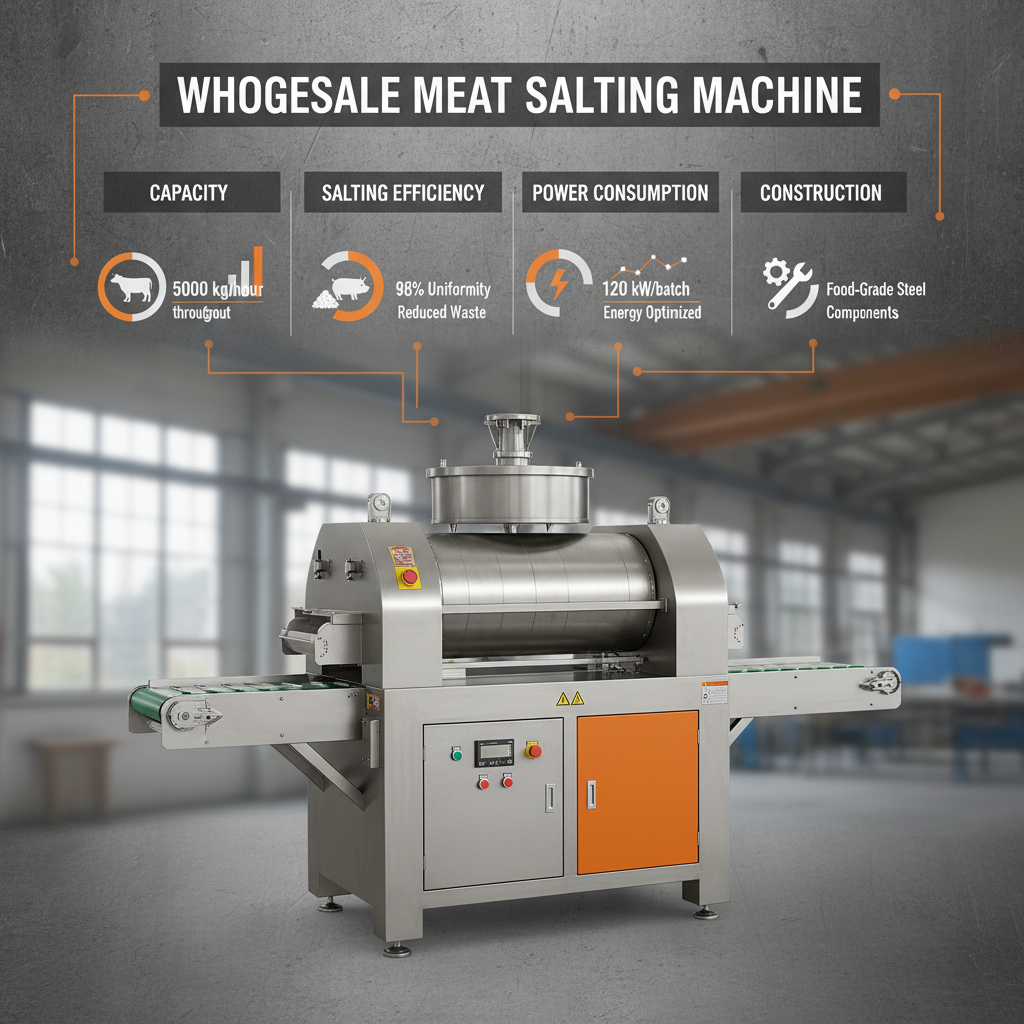
Below is an example of the specifications for a common wholesale meat salted machine:
Conclusion: Investing in Efficiency with a Wholesale Meat Salted Machine
Investing in a wholesale meat salted machine is a strategic move for any meat processing business. By automating this critical step, you can enhance product quality, increase production efficiency, and reduce labor costs. Carefully consider your needs, choose a reputable supplier, and invest in a machine that will deliver long-term value.
Frequently Asked Questions (FAQs)
What is the typical payback period for a meat salted machine?
The payback period varies depending on your production volume, labor costs, and the machine's initial investment. However, many businesses experience a payback period of 1-3 years due to increased efficiency, reduced labor needs, and improved product quality. The consistency of brining also minimizes waste, contributing to faster returns. A thorough cost-benefit analysis is recommended before making a purchase, considering factors like energy consumption and maintenance costs.
What maintenance is required for a meat salted machine?
Regular maintenance is essential for ensuring optimal performance and longevity. This typically includes daily cleaning and sanitation to prevent bacterial growth, lubricating moving parts, and periodically inspecting and replacing wear items like seals and needles (for injection machines). Following the manufacturer's maintenance schedule is crucial. Preventative maintenance can significantly reduce downtime and extend the machine's lifespan.
Can these machines be used for different types of meat?
Yes, most wholesale meat salted machines are versatile and can be used for various types of meat, including beef, pork, poultry, and lamb. However, adjustments to settings like brine concentration, injection pressure (for injectors), and tumbling time may be necessary to achieve optimal results for each type of meat. It's important to consult the machine's manual and potentially seek advice from the supplier for specific recommendations.
What safety features should I look for in a machine?
Safety features are paramount. Look for machines with emergency stop buttons, safety guards to prevent access to moving parts, and clear safety instructions. Compliance with relevant safety standards is also important. Proper training for operators on safe operation and maintenance procedures is essential to minimize the risk of accidents.
Latest news
-
Comprehensive Guide to Wholesale Skip Car Solutions for Construction Efficiency
NewsMar.31,2026
-
Investing in a Wholesale Meat Salted Machine for Business Success
NewsMar.28,2026
-
Revolutionizing Burger Production with Wholesale Burger Making Forming Machine Solutions
NewsMar.26,2026
-
Comprehensive Guide to Wholesale Sausage Filler Price and Equipment Selection
NewsMar.24,2026
-
Investing in a Wholesale Beef Slicing Machine for Enhanced Business Efficiency
NewsMar.21,2026
-
Invest in a Wholesale Clipping Machine for Sausages to Optimize Production
NewsMar.19,2026