
Jan . 28, 2026 11:40 Back to list
Comprehensive Guide to the Rotor for Vacuum Filler and its Applications
Understanding the Rotor for Vacuum Filler: A Comprehensive Guide
The rotor for vacuum filler is a critical component in the efficient and hygienic processing of food products. This essential part drives the vacuum filling process, ensuring precise portioning and consistent product quality. This article provides a detailed overview of the rotor’s function, types, maintenance, and selection criteria, geared towards professionals in the food processing industry. Understanding the nuances of this component can significantly improve operational efficiency and minimize downtime. Choosing the right rotor is paramount for optimizing vacuum filler performance.
What is a Rotor for Vacuum Filler?
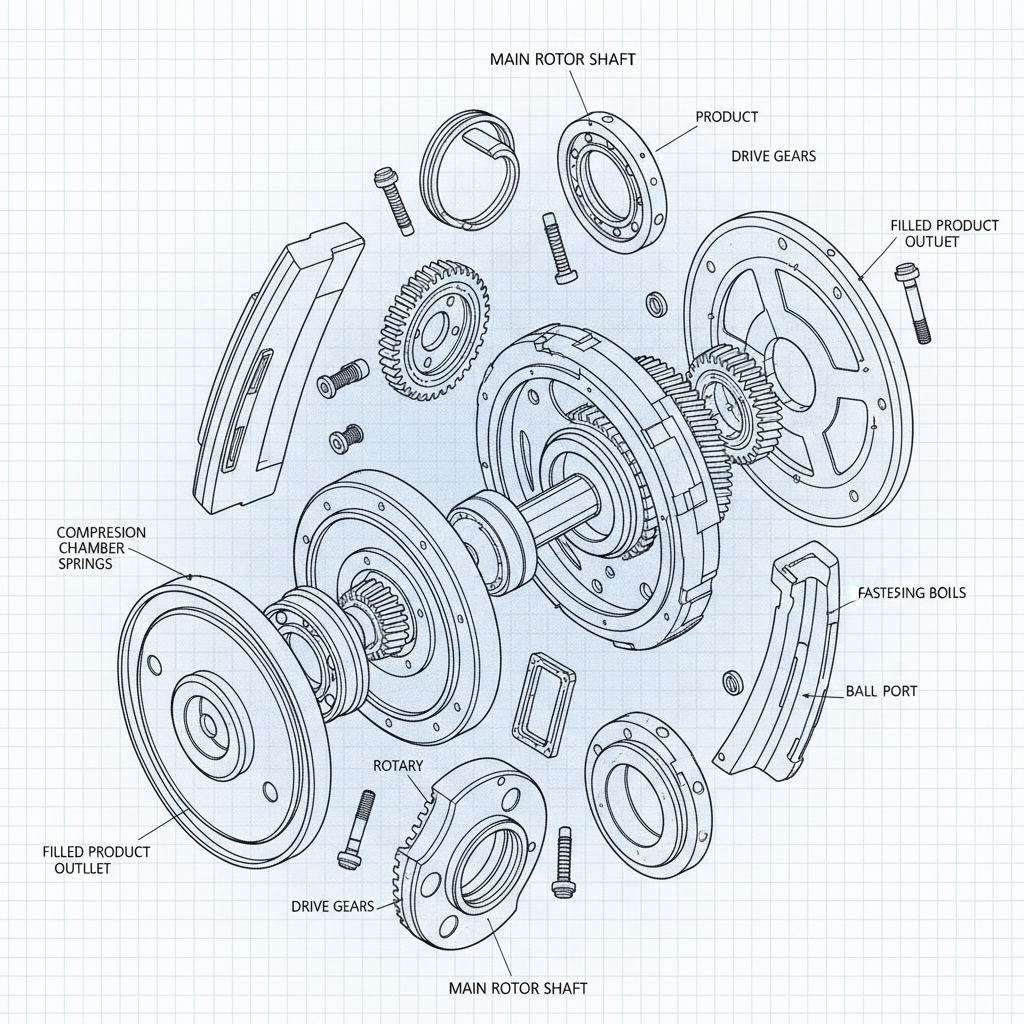
At its core, the rotor is the rotating element within the vacuum filler that creates the necessary vacuum and pushes the product through the filling nozzles. It’s typically comprised of multiple lobes or vanes that work in synchronicity with the stator to form sealed chambers. As the rotor turns, these chambers expand and contract, drawing the product in and then expelling it under pressure. The precision of the rotor's design directly impacts the accuracy of filling volumes and the smoothness of the process. A well-maintained rotor is key to avoiding product waste and maintaining consistent quality. You can find high-quality vacuum filler rotors from reputable manufacturers like Bossin Machinery.
Key Function: Creates the vacuum needed to draw product into the filler and then expels it accurately through the filling nozzles.
Types of Rotors for Vacuum Fillers
Rotors for vacuum fillers come in several designs, each suited for specific product types and filling requirements. The most common types include single-lobe, multi-lobe (typically three or four), and vane rotors. Single-lobe rotors are generally used for handling products with large particles, while multi-lobe rotors are better suited for smoother products like emulsions and sauces. Vane rotors are known for their gentle handling of delicate products. The selection of the rotor type should be based on the product viscosity, particle size, and desired filling speed. Understanding these variations is crucial for achieving optimal filler performance.
Rotor Type Comparison:
• Single-Lobe: Ideal for products with large particles.
• Multi-Lobe (3 or 4): Best for smooth products like emulsions.
• Vane: Gentle handling of delicate products.
Rotor for Vacuum Filler: Material Considerations
The material of the rotor is a critical factor impacting its durability, hygiene, and compatibility with different food products. Stainless steel (typically 304 or 316) is the most common material due to its corrosion resistance, ease of cleaning, and compliance with food safety regulations. Other materials, such as specialized polymers, may be used for specific applications where gentler handling or reduced friction is required. The material must be non-reactive with the products being filled to prevent contamination. Bossin Machinery offers rotors constructed from high-grade stainless steel to ensure longevity and food safety.
Maintenance and Best Practices for Rotors
Regular maintenance is vital to ensure the longevity and optimal performance of your rotor for vacuum filler. This includes daily cleaning after each use to remove product residue, periodic inspection for wear and tear, and timely replacement of worn parts. Lubrication is also critical, using food-grade lubricants specifically designed for this purpose. Proper maintenance can prevent costly downtime and extend the life of the rotor. Following the manufacturer’s guidelines for cleaning and lubrication is crucial. Neglecting maintenance can lead to decreased filling accuracy and increased risk of contamination.
Selecting the Right Rotor for Your Vacuum Filler
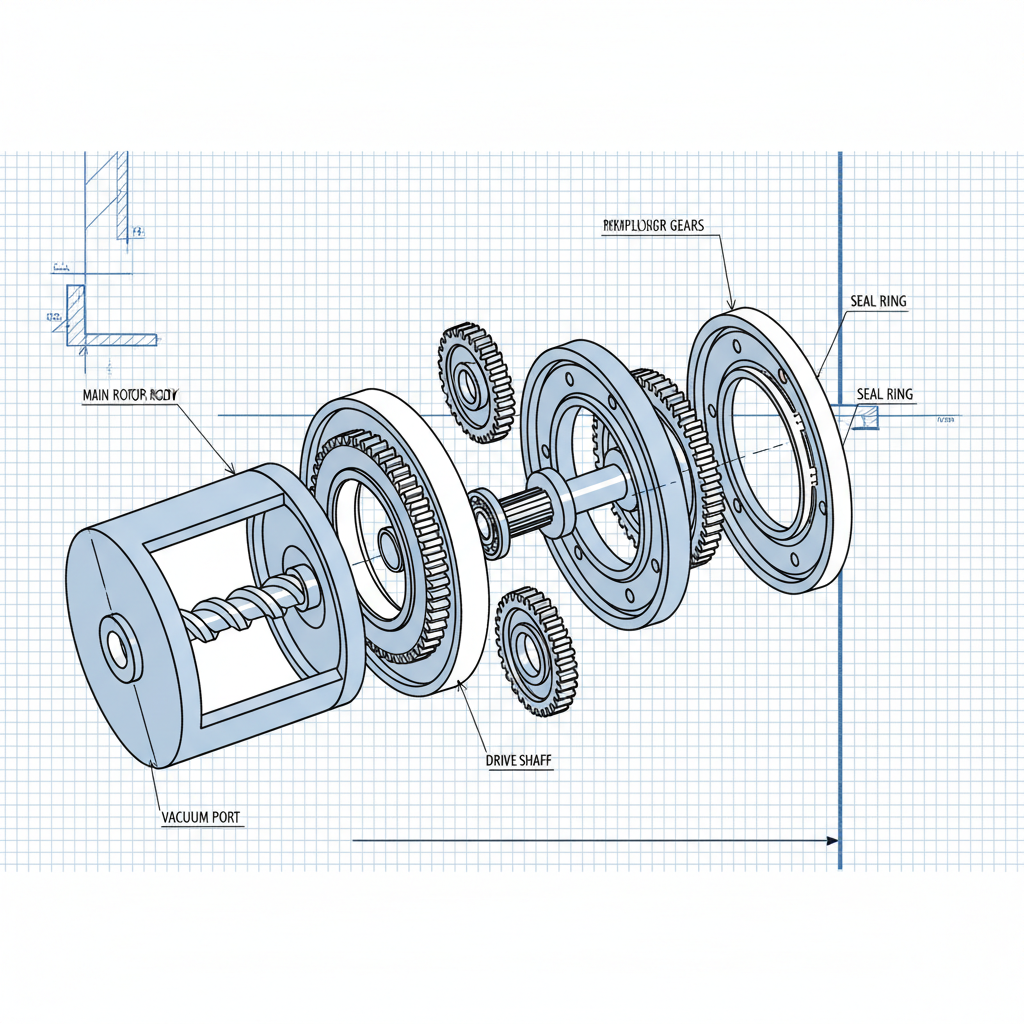
Choosing the correct rotor is a crucial decision. Consider the types of products you'll be filling, the desired filling speed, and the overall hygiene requirements of your operation. Consult with experienced suppliers like Bossin Machinery to receive expert guidance on selecting the best rotor for your specific needs. They can provide tailored recommendations based on your application and ensure compatibility with your existing vacuum filler system. Investing in a high-quality rotor will pay dividends in terms of improved efficiency, reduced downtime, and consistent product quality.
Conclusion: Optimizing Performance with the Right Rotor
The rotor for vacuum filler is a foundational component in food processing. By understanding its function, types, maintenance requirements, and selection criteria, you can significantly enhance the efficiency and reliability of your filling operations. Partnering with a trusted supplier like Bossin Machinery ensures you receive a high-quality rotor tailored to your specific application.
Frequently Asked Questions (FAQs)
How often should I replace the rotor in my vacuum filler?
The replacement frequency depends on usage intensity and the types of products processed. Generally, a rotor should be inspected annually and replaced every 3-5 years, or sooner if significant wear or damage is detected. Factors like abrasive products or high operating speeds can accelerate wear. Regularly monitoring the rotor for changes in performance, such as reduced filling accuracy or increased noise, can help determine when replacement is necessary. Consult the manufacturer’s guidelines for specific recommendations.
What type of lubricant should I use on the rotor?
Always use a food-grade lubricant specifically designed for vacuum filler rotors. These lubricants are formulated to be non-toxic, odorless, and compatible with food contact surfaces. Avoid using general-purpose lubricants, as they may contain harmful substances that could contaminate your product. Refer to your vacuum filler’s manual for the manufacturer’s recommended lubricant type.
What are the signs of a worn or damaged rotor?
Signs of a worn or damaged rotor include reduced filling accuracy, inconsistent filling volumes, increased noise during operation, and visible wear on the rotor lobes or vanes. You might also notice an increase in product waste or difficulty achieving a proper vacuum. If you observe any of these signs, it’s crucial to inspect the rotor and consider replacement.
Can I repair a damaged rotor?
Repairing a rotor is generally not recommended, as it can compromise its structural integrity and filling accuracy. Rotors are precision-engineered components, and even minor repairs can affect their performance. It’s typically more cost-effective and safer to replace a damaged rotor with a new one. Attempting to repair a rotor could also void the manufacturer’s warranty.
Latest news
-
Comprehensive Guide to Wholesale Skip Car Solutions for Construction Efficiency
NewsMar.31,2026
-
Investing in a Wholesale Meat Salted Machine for Business Success
NewsMar.28,2026
-
Revolutionizing Burger Production with Wholesale Burger Making Forming Machine Solutions
NewsMar.26,2026
-
Comprehensive Guide to Wholesale Sausage Filler Price and Equipment Selection
NewsMar.24,2026
-
Investing in a Wholesale Beef Slicing Machine for Enhanced Business Efficiency
NewsMar.21,2026
-
Invest in a Wholesale Clipping Machine for Sausages to Optimize Production
NewsMar.19,2026