
Oct . 22, 2025 15:40 Back to list
Bearing Manufacturer: Precision, Low Noise, Fast Delivery
Why a Bearing Can Decide Your Uptime on Vacuum Filler Lines
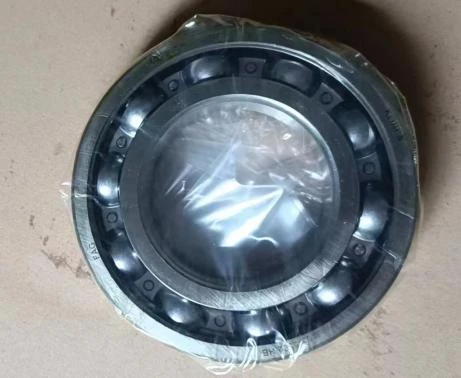
If you run high-speed food or packaging equipment, you learn fast that the quiet parts keep the line alive. One small component—this specific Bearing for vacuum filler drive shafts and German filler spares—often decides whether OEE stays north of 90% or not. I’ve seen maintenance teams swear by it, sometimes with a grin, sometimes with a sigh.
What’s Changing in the Market
Three trends keep popping up: smarter condition monitoring (accelerometers and temp sensors riding shotgun), food-safe materials and lubricants (NSF H1), and, to be honest, tougher QC at the vendor level. In fact, predictive maintenance is now reaching even modest plants; it’s not just an automotive thing anymore.
Core Specs (Typical)
| Material | 52100/GCr15 bearing steel; optional 440C stainless for washdown |
| Hardness | HRC 60–64 (≈, real-world use may vary) |
| Tolerance class | ISO 492 P6/P5 (DIN 620) |
| Runout | ≤ 6–10 μm on critical races (sample lot) |
| Temperature | -20°C to 120°C standard; up to 150°C with special grease |
| Seals | NBR or FKM double-lip; labyrinth option for high RPM |
| Lubrication | NSF H1 food-grade grease (standard on vacuum filler builds) |
| Expected L10h life | ≈ 20,000–40,000 h (ISO 281), depending on load/speed |
How It’s Made (Short Version)
- Materials: vacuum-degassed 52100/GCr15 or 440C, certified to ASTM A295 equivalency.
- Methods: CNC turning, raceway grinding, honing; cages punched/machined; optional hybrid ceramic rolling elements.
- QC: CMM geometry checks; surface roughness Ra ≤ 0.2 μm; ultrasonic flaw detection; vibration VQ grades.
- Testing: noise/vibration per ISO 15242; dimensional per ISO 492; traceability via heat/batch IDs.
- Service life verification: bench rigs at rated load/speed; grease compatibility tests (NSF H1).
Where It Works Best
Vacuum fillers, rotary feeders, German filler rebuilds, conveyors in washdown zones, and dosing pumps. Advantages? Low runout, quieter drive (surprisingly noticeable in night shifts), and less grease purge. Many customers say the retrofit pays for itself by the second PM cycle.
Vendor Comparison (What I’m Seeing on the Floor)
| Vendor | QC Depth | Lead Time | Certs | Notes |
|---|---|---|---|---|
| Bossin Machinery (Bearing) | Runout + vibration logs per lot | ≈ 10–20 days | ISO 9001, IATF 16949, NSF H1 grease | CNC fit for German fillers; good traceability |
| Import OEM | Strong; full PPAP on request | 4–6 weeks | IATF 16949 | Excellent but pricier |
| Low-cost shop | Basic visual + size checks | 7–30 days | Varies | Inconsistent runout; watch grease spec |
Mini Case: German Filler Rebuild
A Bavarian meat processor swapped drive-side units with this Bearing during a CNC-aligned rebuild. Vibration dropped about 18% (shop meter), and changeover squeal—yes, the annoying one—basically vanished. Unplanned stops fell from 5 to 2 per month. The maintenance lead told me, “It wasn’t magic, just tight races and the right grease.”
Customization & Compliance
- Options: stainless races, hybrid ceramic balls, low-friction seals, food-grade or high-temp grease.
- Documentation: material certs, dimensional reports, noise/vibration charts, RoHS/REACH statements.
- Standards aligned: ISO 492, ISO 281, DIN 620; grease with NSF H1 listing for food contact zones.
Origin: No.311 Youyi North Street, Xinhua District, Shijiazhuang City, Hebei, China. If you’re auditing suppliers, that transparency helps.
Quick Test Data Snapshot
Sample lot (P6): runout 7 μm avg; vibration VQ35; noise 25–28 dB(A) at 3,000 rpm; grease bleed within spec after 72h endurance. Your mileage will vary with load, shaft finish, and alignment.
Buying Notes
- Match tolerance to shaft/housing fits; don’t over-spec—heat will argue back.
- For washdown, move to stainless or hybrid; seal choice matters more than people think.
- Ask for runout and vibration logs per batch. It’s a small ask with big consequences.
- ISO 492: Rolling bearings — Radial bearings — Tolerances.
- ISO 281: Rolling bearings — Dynamic load ratings and rating life.
- DIN 620: Rolling bearings — Tolerances and technical delivery conditions.
- ASTM A295/A295M: Standard Specification for High-Carbon Anti-Friction Bearing Steel.
- NSF H1 Listings: Nonfood Compounds Program — Lubricants for incidental food contact.
- IATF 16949: Automotive Quality Management System Requirements.
Latest news
-
Comprehensive Guide to Wholesale Skip Car Solutions for Construction Efficiency
NewsMar.31,2026
-
Investing in a Wholesale Meat Salted Machine for Business Success
NewsMar.28,2026
-
Revolutionizing Burger Production with Wholesale Burger Making Forming Machine Solutions
NewsMar.26,2026
-
Comprehensive Guide to Wholesale Sausage Filler Price and Equipment Selection
NewsMar.24,2026
-
Investing in a Wholesale Beef Slicing Machine for Enhanced Business Efficiency
NewsMar.21,2026
-
Invest in a Wholesale Clipping Machine for Sausages to Optimize Production
NewsMar.19,2026