
Mar . 17, 2026 02:15 Back to list
Choosing the Right Wholesale Fish Injector for Optimal Seafood Processing
Choosing the Right wholesale fish injector: A Comprehensive Guide
The fish processing industry demands efficiency, hygiene, and quality. A crucial piece of equipment in achieving these goals is a reliable wholesale fish injector. Selecting the optimal injector for your business can significantly impact yield, flavor penetration, and overall product presentation. This article will explore the key considerations when purchasing a fish injector, covering types, features, benefits, and best practices. Investing in the right equipment is paramount for success in today’s competitive seafood market. We’ll delve into how to find an injector that streamlines your processing and maximizes profitability.
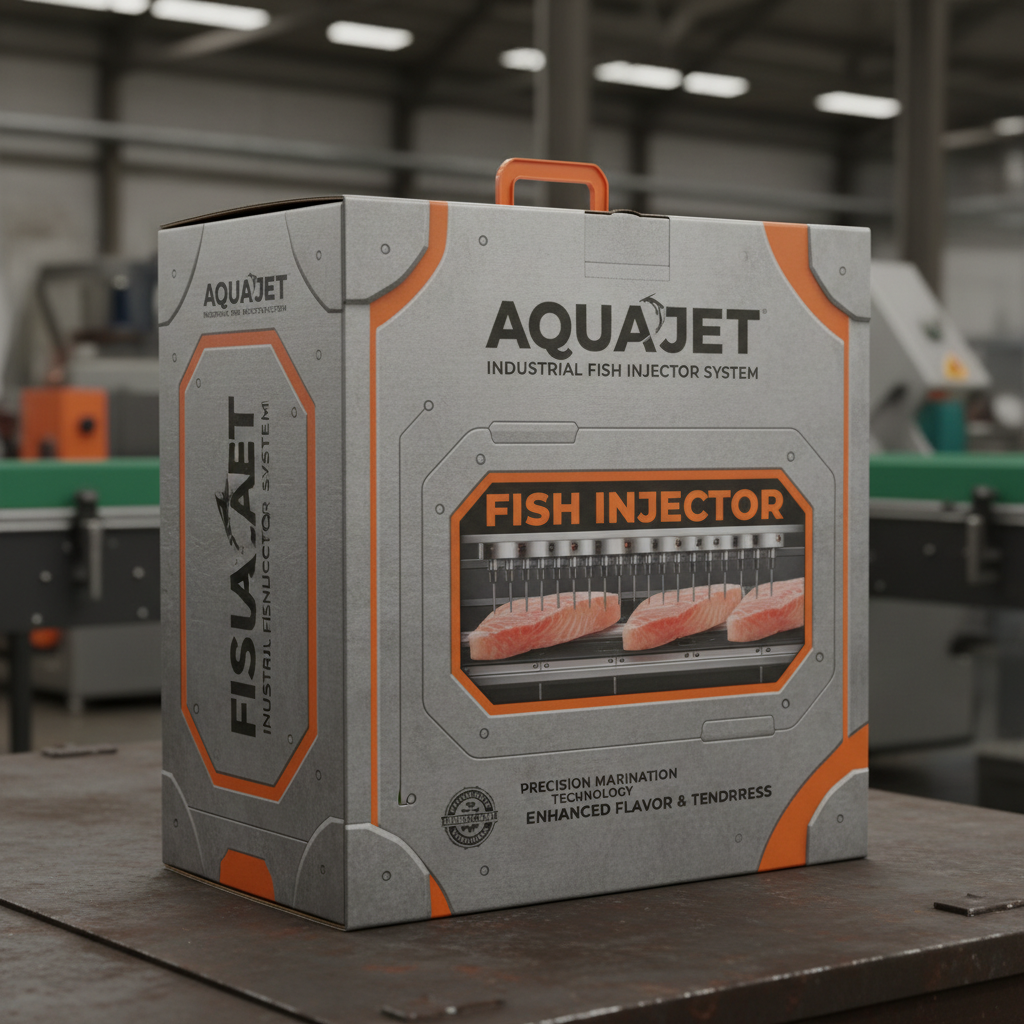
Understanding Different Types of Wholesale Fish Injectors
Fish injectors come in various configurations, each designed for specific needs. The most common types include single-needle injectors, multi-needle injectors, and continuous injectors. Single-needle injectors are suitable for smaller operations and offer precise control. Multi-needle injectors increase throughput, making them ideal for larger processing facilities. Continuous injectors provide the highest capacity and are often used for high-volume production. Factors like fish size, desired marinade penetration, and production volume will dictate the best type for your application. Bossin Machinery offers a range of injectors to cater to diverse requirements.
Key Considerations: Selecting the right type of injector depends heavily on your production scale and the type of fish you are processing. Proper selection leads to efficient operation and optimal results.
Key Features to Look for in a Fish Injector
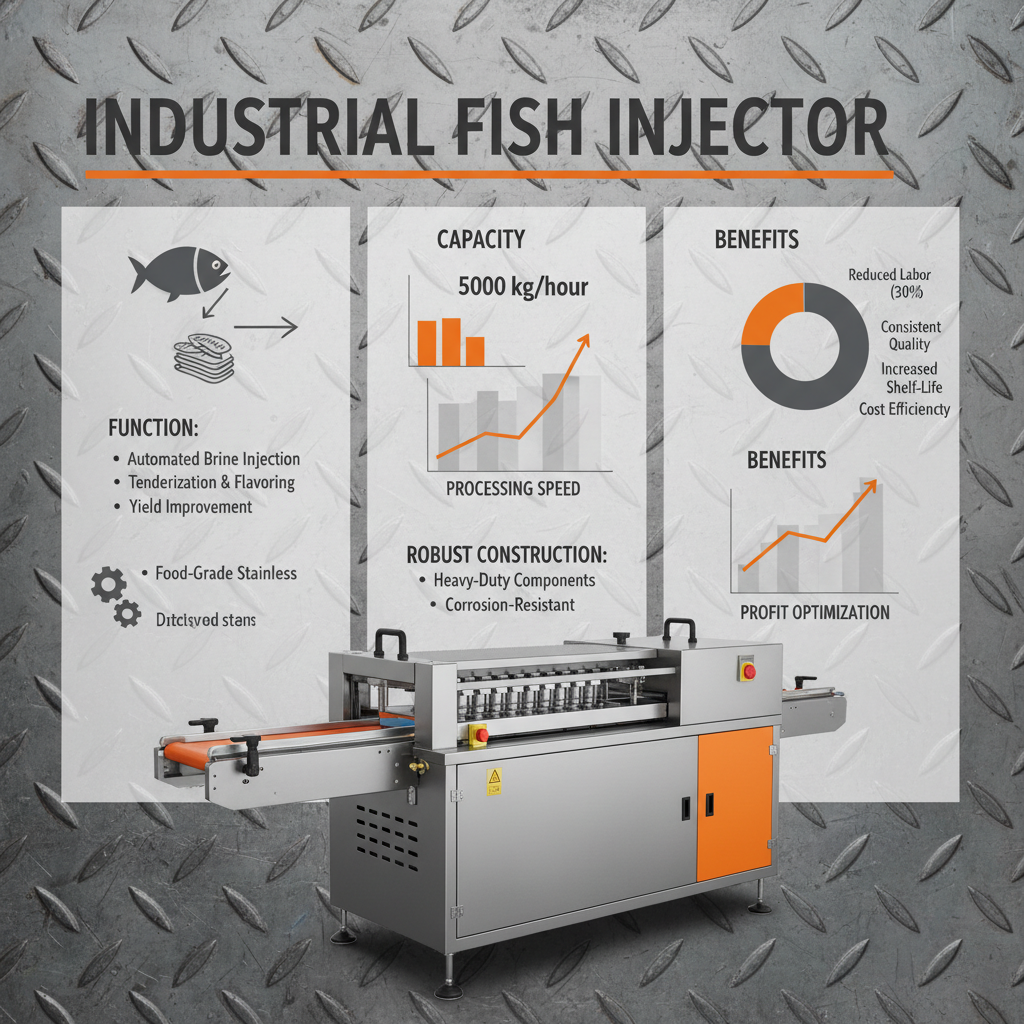
Beyond the basic type, several features contribute to an injector’s performance and usability. Look for machines with adjustable injection pressure and depth to accommodate different fish sizes and textures. Precise marinade control is critical – features like flow rate regulation are essential. Hygienic design is paramount; ensure the injector is constructed from food-grade stainless steel and is easy to disassemble and clean. Automated features, such as automatic needle cleaning and lubrication, can reduce maintenance and downtime. Finally, consider the injector's capacity and footprint to ensure it fits your facility’s space and production needs.
Benefits of Using a Fish Injector
Employing a fish injector offers numerous advantages. It significantly improves marinade absorption, resulting in enhanced flavor and tenderness. It increases yield by reducing weight loss during processing. It extends shelf life by inhibiting bacterial growth. It allows for consistent product quality and presentation. Furthermore, injectors can reduce labor costs and increase production efficiency. By ensuring even marinade distribution, you can create a superior product that commands a higher price point. Investing in a quality injector is a strategic move for any seafood business.
Key Benefits:
• Enhanced Flavor and Tenderness
• Increased Yield
• Extended Shelf Life
• Consistent Product Quality
Comparing Leading Wholesale Fish Injector Models
Choosing the right model can be daunting. Here's a comparison of some popular options:
Maintaining Your Fish Injector: Best Practices
Regular maintenance is crucial for ensuring the longevity and optimal performance of your fish injector. Daily cleaning is essential to prevent bacterial buildup. Regularly inspect needles for damage and replace them as needed. Lubricate moving parts according to the manufacturer’s instructions. Periodically calibrate the injector to ensure accurate marinade delivery. And, of course, adhere to all relevant food safety regulations. Proper maintenance will minimize downtime and maximize your return on investment.
Conclusion: Optimizing Your Seafood Processing with the Right Injector
Investing in a quality wholesale fish injector is a critical step towards optimizing your seafood processing operations. By carefully considering your production needs, prioritizing hygienic design, and implementing a robust maintenance schedule, you can maximize efficiency, improve product quality, and enhance profitability. Bossin Machinery provides reliable and innovative solutions to meet the demands of the modern seafood industry.
Frequently Asked Questions (FAQs)
What types of marinade can be used in a fish injector?
Most liquid marinades are suitable for use in fish injectors, including those based on brine, vinegar, or oil. It's crucial to ensure the marinade is free of solid particles that could clog the needles. The viscosity of the marinade should also be considered; very thick marinades may require adjustments to the injection pressure. We recommend testing a small batch before processing a large quantity to ensure optimal results. Always consult the injector’s manual for specific recommendations regarding marinade compatibility.
How often should the needles be replaced?
The frequency of needle replacement depends on usage and the type of fish being processed. Generally, needles should be replaced every 2-4 weeks with regular use. If you are processing fish with bones or scales, more frequent replacement may be necessary. Inspect the needles regularly for wear and tear, such as bending, corrosion, or dulling. Dull or damaged needles can cause uneven injection and potentially damage the fish.
What safety precautions should be taken when operating a fish injector?
Safety is paramount when operating a fish injector. Always wear appropriate personal protective equipment (PPE), including gloves and eye protection. Ensure the machine is properly grounded and that all safety guards are in place. Never attempt to clean or repair the injector while it is running. Follow the manufacturer’s instructions carefully and receive proper training before operating the equipment. Always disconnect the power supply before performing any maintenance or repairs.
Latest news
-
Comprehensive Guide to Wholesale Skip Car Solutions for Construction Efficiency
NewsMar.31,2026
-
Investing in a Wholesale Meat Salted Machine for Business Success
NewsMar.28,2026
-
Revolutionizing Burger Production with Wholesale Burger Making Forming Machine Solutions
NewsMar.26,2026
-
Comprehensive Guide to Wholesale Sausage Filler Price and Equipment Selection
NewsMar.24,2026
-
Investing in a Wholesale Beef Slicing Machine for Enhanced Business Efficiency
NewsMar.21,2026
-
Invest in a Wholesale Clipping Machine for Sausages to Optimize Production
NewsMar.19,2026