
Oct . 20, 2025 13:25 Back to list
Cooked Meat Shredder - Fast, Safe, Stainless, Easy-Clean
Cooked Meat Shredders Are Quietly Changing the Prep Room
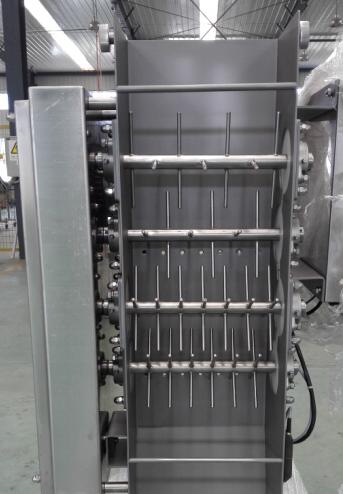
On factory floors and in bustling central kitchens, the humble Cooked meat shredder has become a bit of an unsung hero. To be honest, a few years back I thought “shredder” meant noisy, messy, and hard to sanitize. Not anymore. The latest machines are cleaner, safer, and far more consistent—especially for chicken, fish, and beef where texture makes or breaks a recipe.
What’s driving adoption
Three big trends: labor shortages, stricter hygiene expectations, and a shift to mixed-volume production (from cloud kitchens to ready-to-eat lines). Many customers say a Cooked meat shredder is the fastest ROI in their prep area because it removes hand-pulling bottlenecks and yields a repeatable strand size that cooks evenly and looks tidy in salads, tacos, or meal kits.
Key specifications (typical configuration)
| Throughput | ≈150–500 kg/h (real-world use may vary by protein/moisture) |
| Power / Voltage | 1.5–3.0 kW; 220/380 V, 50/60 Hz |
| Blade speed | ≈200–650 rpm (variable) |
| Output texture | 3–20 mm strands, adjustable |
| Contact material | SUS304 or SUS316 stainless, food-contact compliant |
| Noise | ≈68–75 dB(A) at 1 m (load dependent) |
| Ingress protection | IP54 standard; IP65 options on request |
| Cleaning | Tool-less disassembly; CIP-friendly design |
Application scenarios
- RTE and deli lines needing uniform chicken and beef strands
- Seafood processors (fish cakes, stuffed rolls) with delicate fibers
- Meal-kit and cloud kitchens chasing consistent prep at scale
- Pet food processors prioritizing hygiene and repeatability
- Healthcare and education catering where texture control matters
Process flow and controls
Typical flow: Cooked product (≤10 mm bones removed), chill to ≤5–10°C for safe handling, load hopper, shred with selected blade set, discharge to tote or conveyor, in-line visual check, optional metal detection, then sanitation. For a Cooked meat shredder, look for smooth welds, radiused corners, and seals that meet hygienic machinery guidelines. Many plants test noise (ISO-style methods), watt draw, and strand size against SOPs. Service life is usually 5–8 years with quarterly bearing checks and blade re-honing when needed.
Vendor comparison (snapshot)
| Vendor | Strengths | Considerations |
|---|---|---|
| Bossin Machinery (Origin: No.311 Youyi North Street, Xinhua District, Shijiazhuang City, Hebei China) | Solid stainless builds, configurable blades, responsive spares | Lead times fluctuate on custom voltages |
| Generic Importer A | Aggressive pricing, quick ship on base models | Limited documentation; fewer sanitary options |
| OEM B (Regional) | Local service techs, familiar with HACCP audits | Throughput typically lower in compact frames |
Customization and options
- Blade sets for chicken, beef, or flaky fish; strand dial for texture
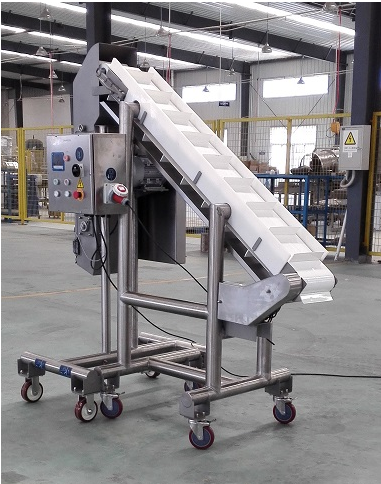
- Hopper sizes, foot-switch control, and mobile casters
- 316 stainless upgrade for saline or seafood environments
- Voltage/Hz variations; IP65 motor and washdown packages
- Inline discharge conveyor and guarded interlocks
Real-world results (brief)
A deli chain replaced manual pulling with a Cooked meat shredder and reported around 35% faster prep and noticeably tighter portioning. In a coastal seafood plant, switching to 316 contact parts reduced corrosion-related downtime and kept texture intact on delicate fillets. Feedback I hear often: cleaning takes less than 15 minutes once staff know the routine.
Compliance, testing, and documentation
Look for material certificates for stainless (e.g., GB 4806.9-2016 compatibility), design aligned to EN 1672-2 and ISO 14159 principles, and food-contact declarations for EU 1935/2004 or FDA frameworks. Plants running HACCP or ISO 22000 typically validate strand size distribution, temperature rise during a 30-minute run (often under 5°C), and surface roughness near product zones. CE declaration and electrical conformity can be provided on request in many cases.
Bottom line
If you process cooked chicken, fish, or beef, a well-specified Cooked meat shredder is one of those upgrades that quietly pays for itself—in labor saved, in consistency, and honestly in less operator fatigue. Site surveys and a quick trial batch tell you most of what you need to know.
References:
- EN 1672-2: Food processing machinery – Basic concepts – Hygiene requirements.
- ISO 14159: Safety of machinery – Hygiene requirements for design.
- EU Regulation 1935/2004 on materials and articles intended to come into contact with food.
- GB 4806.9-2016: Food contact metal materials and articles (China).
- ISO 22000: Food safety management systems – Requirements.
Latest news
-
Comprehensive Guide to Wholesale Skip Car Solutions for Construction Efficiency
NewsMar.31,2026
-
Investing in a Wholesale Meat Salted Machine for Business Success
NewsMar.28,2026
-
Revolutionizing Burger Production with Wholesale Burger Making Forming Machine Solutions
NewsMar.26,2026
-
Comprehensive Guide to Wholesale Sausage Filler Price and Equipment Selection
NewsMar.24,2026
-
Investing in a Wholesale Beef Slicing Machine for Enhanced Business Efficiency
NewsMar.21,2026
-
Invest in a Wholesale Clipping Machine for Sausages to Optimize Production
NewsMar.19,2026