
Sep . 22, 2025 13:35 Back to list
Efficient Automatic Brine Injector for Meat Curing & Tenderizing
Industry Trends & The Evolving Role of Brine Injectors in Modern Processing
In the dynamic landscape of food processing, particularly within the meat, poultry, and seafood sectors, efficiency, product quality, and food safety are paramount. Central to achieving these objectives is advanced marination technology, with the Brine Injector standing as a critical piece of equipment. Modern food consumers demand not only taste and tenderness but also consistent quality, extended shelf life, and transparency in processing. This demand has spurred significant innovation in injection technology, moving beyond rudimentary systems to highly sophisticated, automated solutions that offer unparalleled precision.
Current industry trends highlight a strong push towards greater precision, improved product yield, and enhanced hygienic design. Manufacturers are increasingly seeking machines capable of uniform brine distribution, minimal product damage, and easy sanitation. The integration of advanced control systems, such as Programmable Logic Controllers (PLCs) with Human-Machine Interfaces (HMIs), is becoming standard, enabling real-time monitoring, recipe management, and data logging. Furthermore, with rising global populations and an increasing demand for protein, the scalability, reliability, and energy efficiency of processing equipment like advanced Brine Injectors are more vital than ever, driving demand for robust and intelligent systems that can adapt to diverse product requirements and production volumes.
Understanding the Brine Injector: Process Flow & Engineering Excellence
Manufacturing Process of a High-Performance Brine Injector
The production of a robust and reliable Brine Injector involves a meticulously controlled multi-stage manufacturing process, ensuring adherence to stringent quality and performance standards. This complex process emphasizes material integrity, precision engineering, and rigorous testing to guarantee operational longevity and food safety compliance.
- Material Selection: The foundation of durability and hygiene starts with material choice. All contact parts, including the injection pump, needles, and conveyor belt, are fabricated from food-grade stainless steel, typically SUS304 or SUS316L. SUS316L is preferred for its superior corrosion resistance in highly acidic or saline environments. Non-contact structural components may utilize high-strength carbon steel with protective coatings or advanced engineered polymers, selected for their mechanical properties and ease of cleaning.
-
Precision Component Manufacturing:
- Casting & Forging: For critical components such as pump bodies, valve housings, and robust structural frames, casting and forging processes are employed. These methods create parts with high density, excellent mechanical strength, and superior resistance to fatigue and operational stresses, ensuring the longevity of the injection system.
- CNC Machining: Precision is paramount for components affecting injection accuracy. Injection needles, pump cylinders, pistons, and intricate control system parts undergo Computer Numerical Control (CNC) machining. This process guarantees extremely tight tolerances (e.g., ±0.01mm for critical interfaces), crucial for uniform brine distribution, minimal product damage, and efficient pump operation.
- Surface Treatment: After machining, stainless steel surfaces are meticulously polished to achieve a smooth, crevice-free finish. This prevents bacterial harborage and facilitates thorough cleaning, meeting stringent food safety regulations such as FDA 21 CFR Parts 110 & 117. Passivation treatments further enhance the corrosion resistance of the stainless steel.
- Assembly & Integration: Components are assembled in a controlled environment to minimize contamination risk. This stage involves the integration of the injection pump, multi-stage brine filtration system, product conveyor, and advanced control panel. Special attention is paid to sealing mechanisms, utilizing food-grade elastomers, to prevent leakage, maintain hygiene, and ensure optimal operational performance and longevity.
- Quality Control & Testing: Each fully assembled Brine Injector undergoes rigorous testing protocols. These include hydrostatic pressure tests for pump and piping integrity, injection pattern uniformity analysis using specialized dyes, material integrity checks (e.g., non-destructive testing), and extensive functional run-ins under various load conditions. Compliance with international standards such as ISO 9001 for quality management and ANSI/UL standards for electrical safety is verified. With proper preventive maintenance and adherence to operational guidelines, the expected service life for our Brine Injectors typically exceeds 10 years, demonstrating exceptional durability.
Schematic Overview of the Brine Injection Process
[Brine Preparation] → [Filtration] → [Pump Aspiration] → [Pressure Regulation] → [Needle Injection into Product] → [Conveyor Transport] → [Post-Injection Handling]
This simplified flow illustrates the systematic path from brine readiness to precise product treatment, ensuring consistency and efficiency.
Target industries benefiting from this precise engineering include large-scale meat processing plants, poultry production facilities, and seafood processing operations. In these scenarios, the emphasis is on maximizing energy saving through optimized pump efficiency and minimal brine waste, coupled with superior corrosion resistance extending equipment lifespan even in harsh, saline environments where traditional metals would quickly degrade. This holistic approach ensures both operational efficiency and long-term asset value.
Technical Specifications & Performance Parameters
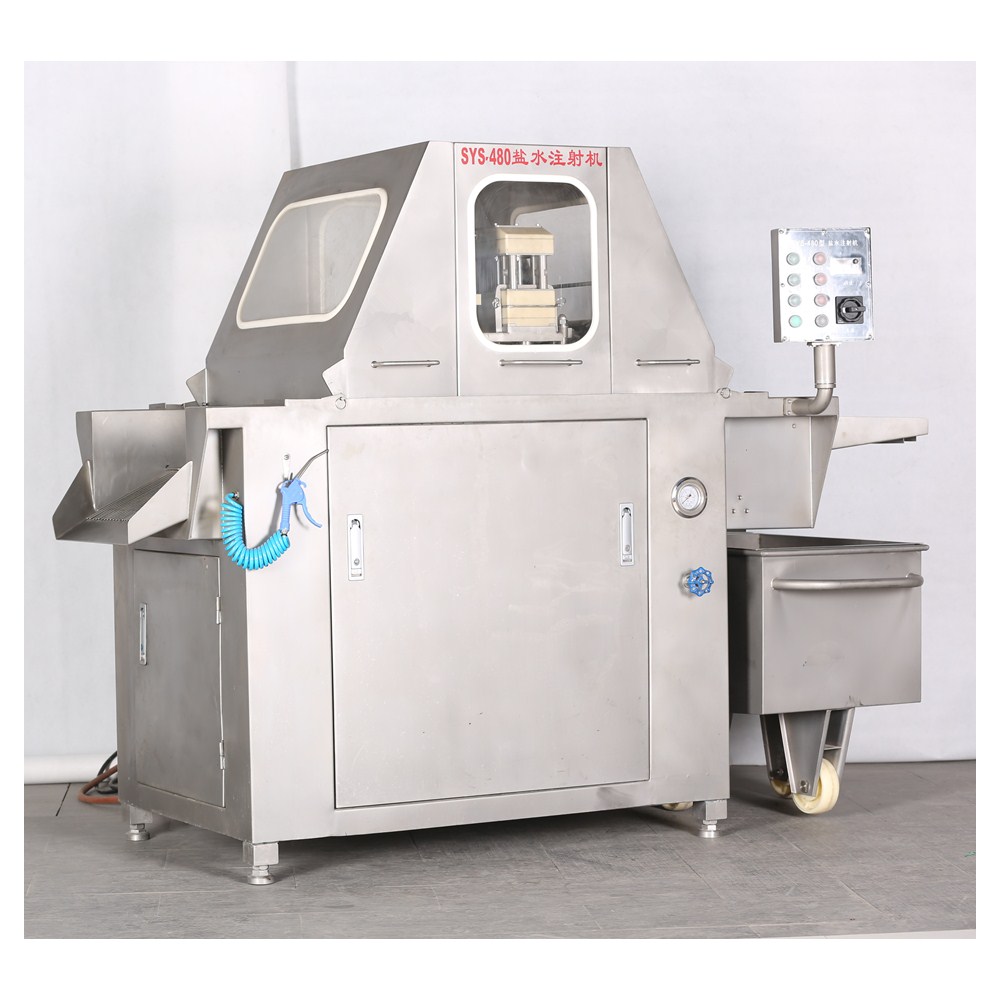
Understanding the core technical specifications of a Brine Injector is crucial for B2B decision-makers to assess its suitability for their specific operational requirements. Precision in these parameters directly translates to product consistency, operational efficiency, and long-term cost savings, forming the bedrock of a successful processing line.
Typical Product Specification Table
These specifications collectively define the capabilities and efficiency of a Brine Injector. For instance, a high number of fine, self-cleaning needles combined with adjustable pressure allows for deep, homogenous brine penetration, crucial for consistent product texture, enhanced flavor, and extended shelf life, all without compromising the structural integrity of delicate proteins. The ability to precisely control the injection percentage (e.g., 5-30% of product weight) is a key factor in achieving consistent product yield and quality, directly impacting profitability.
Application Scenarios & Technical Advantages
The versatility and precision of modern Brine Injector systems make them indispensable across a spectrum of food processing applications. From enhancing flavor profiles to extending product freshness and improving profitability, their utility is broad and impactful across various protein types.
Target Industries & Key Applications:
- Meat Processing: Essential for injecting various cuts of pork, beef, and lamb with brine solutions to improve tenderness, juiciness, and flavor. Commonly used for products like ham, bacon, corned beef, restructured meats, and a wide array of deli products, where uniform marination is critical for consistency and consumer appeal.
- Poultry Processing: Critical for chicken, turkey, and duck products, ensuring uniform distribution of marinades to enhance moisture retention, cooking yield, and taste in both whole birds and portioned cuts. This is vital for maintaining product succulence, especially in lean poultry.
- Seafood Processing: Used for fish fillets (e.g., salmon, cod), shrimp, and other seafood to increase moisture content, improve texture, and infuse flavors. This application is particularly important for lean fish species that can dry out quickly during cooking, preserving their palatability and market value.
- Plant-Based Protein Processing: An emerging yet rapidly growing application involves infusing plant-based protein alternatives with flavorings, binders, and moisture-enhancing solutions. This helps achieve desired texture, mouthfeel, and taste profiles, making these products more appealing to consumers.
Demonstrated Technical Advantages:
- Superior Product Yield: Precise injection control allows for consistent moisture uptake, leading to higher product yield. For example, some meat products can see a 5-20% increase in yield, depending on the formulation and desired attributes, directly impacting overall profitability and reducing raw material costs per finished product.
- Enhanced Product Quality & Consistency: Homogeneous brine distribution ensures uniform flavor, texture, and tenderness across the entire product batch. This consistency significantly reduces variability, improves consumer satisfaction, and strengthens brand reputation.
- Energy Saving: Modern Brine Injectors feature optimized pump designs, often incorporating variable frequency drives (VFDs) for precise motor control, and efficient needle configurations. These innovations minimize energy consumption while maximizing injection performance, leading to substantial reductions in operational costs over the equipment's lifespan.
- Corrosion Resistance & Longevity: Constructed predominantly from high-grade stainless steel (SUS304/SUS316L) and food-grade polymers, these machines are specifically built to withstand corrosive saline environments and demanding cleaning regimes. This robust construction ensures a long service life, minimizes the need for frequent repairs, and reduces total cost of ownership.
- Hygienic Design for Food Safety: Incorporating features like easy-to-disassemble components, smooth polished surfaces, self-cleaning needles, and integrated Clean-In-Place (CIP) systems, these injectors facilitate thorough cleaning and sanitation. This design philosophy meets and often exceeds stringent HACCP and other global food safety standards, preventing cross-contamination.
- Reduced Product Damage: Advanced needle designs, such as retracting or oscillating needles, coupled with precisely controlled injection pressure, minimize physical damage and bruising to the product. This preserves the aesthetic appeal, structural integrity, and market value of delicate items.
Brine Injector Vendor Comparison: Making an Informed Decision
Selecting the right Brine Injector involves evaluating various manufacturers, each offering distinct features, support, and technological advancements. A comprehensive comparative analysis is essential for identifying the solution best aligned with specific operational needs, budget constraints, and long-term strategic goals of a processing facility.
Key Comparison Factors for Brine Injectors
This comparison highlights that while many vendors offer Brine Injector solutions, the critical differentiators often lie in the sophistication of their control systems, ease of cleaning and maintenance, quality of materials, and the breadth and responsiveness of their after-sales support. For instance, a vendor offering advanced PLC control with extensive recipe management provides a significant advantage in terms of operational flexibility, consistency, and reduced human error, translating to a quicker return on investment and enhanced overall productivity.
Customized Solutions & Tailored Brine Injection Systems
Recognizing that no two food processing operations are identical, leading Brine Injector manufacturers, like Bossin Machinery, offer highly customized solutions. This bespoke approach ensures that the equipment integrates seamlessly into existing production lines, precisely meets unique product requirements, and optimizes overall operational flow. The ability to adapt technology to specific challenges is a hallmark of true engineering partnership.
Customization options extend beyond standard configurations and can include:
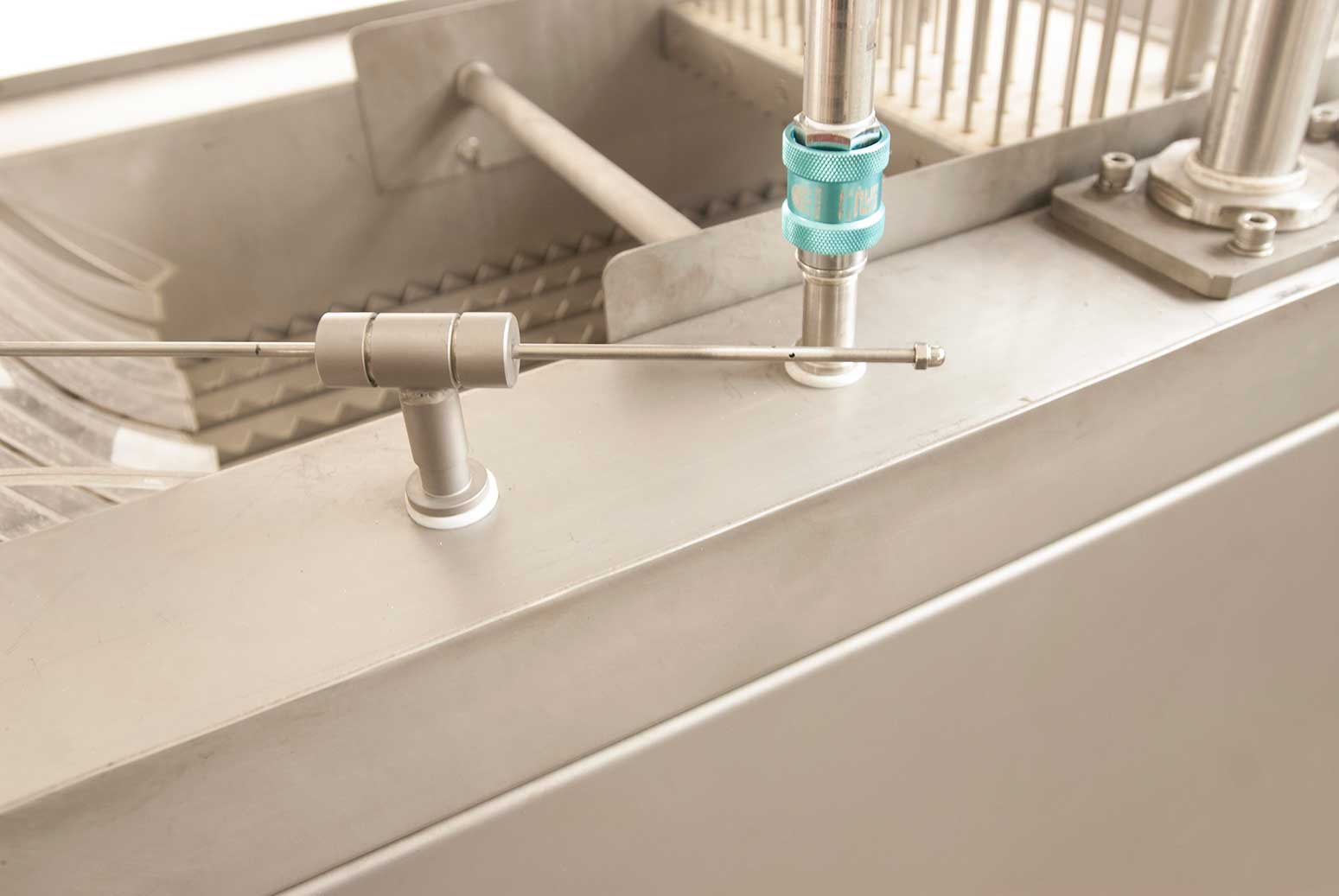
- Variable Needle Configurations: Tailoring the number, diameter, length, and arrangement of needles to optimize injection patterns for specific product types (e.g., bone-in vs. boneless cuts, large roasts vs. small fillets), ensuring consistent brine penetration without bone strikes or excessive damage.
- Integrated Brine Preparation & Filtration Systems: Designing complete, automated brine management systems, from mixing tanks and chillers to multi-stage filtration units and precise dosing pumps. These are integrated directly with the injector for a closed-loop, hygienic process that minimizes waste and ensures brine consistency.
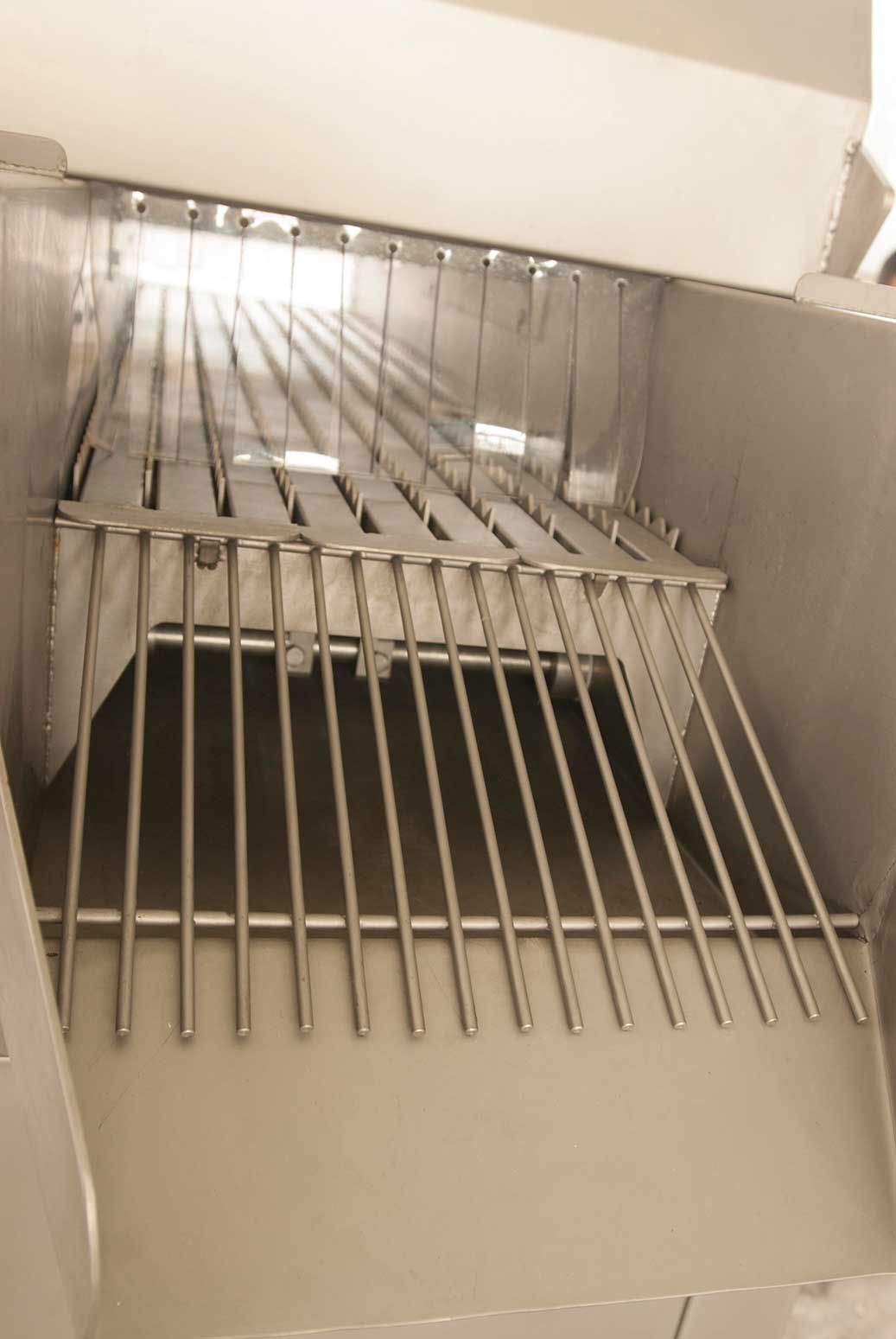
- Conveyor Belt Modifications: Customizing belt width, length, speed, material (e.g., modular plastic, wire mesh), and cleat configurations to perfectly match existing line layouts and handle diverse product dimensions, weights, and textures.
- Advanced Control & SCADA Integration: Developing custom PLC programs for specific recipe management, detailed data logging, advanced diagnostics, and seamless integration with broader Supervisory Control and Data Acquisition (SCADA) systems or Enterprise Resource Planning (ERP) systems for comprehensive factory automation.
- Specialized Material Utilization: Employing SUS316L for all contact parts in exceptionally corrosive environments, or incorporating specific food-grade plastic compounds (e.g., UHMW-PE) for wear parts where necessary to extend component life and maintain hygiene.
- Pre- and Post-Injection Handling Solutions: Integrating the injector with other upstream and downstream equipment such as tumblers, massagers, or chilling units to create a fully automated and optimized processing line.
This client-centric approach, often developed through close collaboration with customer engineers and food technologists, allows businesses to achieve optimal performance, minimize waste, and meet evolving market demands with precision-engineered equipment that provides a competitive edge.
Real-World Application Case Studies
The tangible benefits of a well-implemented Brine Injector are best illustrated through real-world applications. These case studies underscore the profound impact on operational efficiency, product quality, and overall profitability, demonstrating how precision injection technology translates into measurable business advantages.
Case Study 1: Large-Scale Pork Processing Facility
- Challenge: A major pork processor faced significant inconsistencies in ham quality due to uneven brine distribution from an aging injection system. This led to fluctuating tenderness, inconsistent flavor profiles, higher rework rates, and increased waste, ultimately impacting customer satisfaction and bottom line. The existing injector was prone to frequent needle clogging and breakdowns.
- Solution: The facility implemented a high-capacity Brine Injector (e.g., Bossin Machinery BX-256 model) featuring 256 individually sprung, self-cleaning needles and an advanced PLC control system with a user-friendly HMI. This allowed for precise pressure and injection percentage adjustments (ranging from 10-25%) based on specific product weight and type. An integrated multi-stage filtration system significantly reduced needle clogging.
-
Results:
- Increased overall product yield by an average of 8.5% due to consistent moisture retention and reduced drip loss, translating to substantial savings in raw material costs.
- Reduced customer complaints related to product variability and quality by over 40%, enhancing brand reputation and market position.
- Decreased brine waste by 15% through optimized filtration, recirculation, and precise injection, contributing to environmental sustainability and cost efficiency.
- Operational uptime improved by 20% due to the self-cleaning needle design and robust construction, leading to fewer maintenance interventions and enhanced production continuity.
- Reduced labor costs associated with manual monitoring and quality control by 10% through automation and consistent results.
Case Study 2: Boutique Seafood Processor
- Challenge: A specialized seafood company needed to enhance the texture, juiciness, and weight of delicate fish fillets (e.g., salmon, cod) without causing structural damage or affecting their pristine appearance. Their previous manual marination process was highly inconsistent, labor-intensive, and often resulted in product tearing.
- Solution: The company deployed a compact, precision Brine Injector equipped with ultra-fine, retracting needles and a low-pressure injection system, specifically designed for handling fragile products. This system allowed for gentle yet effective brine penetration, controlled through its advanced HMI.
-
Results:
- Achieved a consistent 10-12% increase in moisture content uniformly across all treated fillets, significantly improving juiciness and preventing dryness during cooking.
- Completely eliminated product tearing and bruising during the injection process, preserving the high aesthetic quality and market value of premium seafood.
- Reduced labor costs for marination processes by 30%, allowing staff to be reallocated to other value-added tasks.
- Extended the shelf life of marinated products by 2-3 days through improved moisture retention and uniform preservative distribution, enhancing market reach and reducing spoilage.
- Increased production throughput by 25% compared to manual methods, boosting overall capacity without expanding facility footprint.
Ensuring Trust: Certifications, Warranty & Support Commitments
For B2B clients, the decision to invest in a Brine Injector extends far beyond its initial technical specifications; it encompasses confidence in the vendor's reliability, product quality assurances, and ongoing support throughout the equipment's lifecycle. Establishing and maintaining trust is paramount in long-term partnerships.
Authoritativeness and Certifications:
Our unwavering commitment to excellence is underpinned by rigorous adherence to international standards and certifications, ensuring every Brine Injector meets the highest benchmarks for quality, safety, performance, and hygiene. This dedication reflects over 20 years of specialized experience in food processing equipment.
- ISO 9001:2015 Certified: Our entire operational framework, from design and manufacturing to sales and after-sales service, is governed by a robust Quality Management System, ensuring consistent high standards.
- CE Compliant: All our equipment meets and exceeds European Union directives for safety, health, and environmental protection, allowing for seamless integration into European markets.
- HACCP & FDA Guidelines: Every Brine Injector is designed and constructed in strict accordance with Hazard Analysis and Critical Control Points (HACCP) principles and relevant FDA regulations (e.g., 21 CFR Part 110 & 117) for food contact materials and processing equipment, ensuring optimal food safety and microbiological control.
- Strategic Partnerships & Industry Recognition: With over two decades of industry service, we are trusted by leading food processors globally. Our partner clients, including Global Protein Innovations and Ocean Harvest Foods, attest to our proven track record and reliability.
Lead Time, Warranty & After-Sales Support:
- Lead Time: For standard Brine Injector models, we typically maintain a lead time of 4-6 weeks from the confirmation of order and receipt of down payment. Customized solutions, due to their bespoke engineering requirements, may have varying lead times, with detailed timelines provided upon comprehensive project scope finalization.
- Warranty: All our Brine Injectors come with a comprehensive 12-month warranty covering parts and labor, effective from the date of installation or 18 months from shipment, whichever comes first. This reflects our profound confidence in our engineering and manufacturing quality. Extended warranty options, offering additional peace of mind, are available upon request.
- Customer Support: We provide dedicated 24/7 technical support accessible via phone, email, and secure remote diagnostics. Our global network of factory-trained and certified technicians ensures prompt on-site technical assistance, routine preventive maintenance services, and emergency repairs. A comprehensive spare parts inventory is maintained and strategically distributed to ensure rapid availability, minimizing any potential downtime for your operations.
Frequently Asked Questions (FAQ):
A: With proper adherence to maintenance schedules and recommended servicing, our Brine Injectors are meticulously engineered for an extensive operational lifespan, typically exceeding 10-15 years, a testament to our use of high-grade materials and robust construction principles.
Q: Can the injection percentage be precisely controlled and adjusted for different products?A: Absolutely. Our advanced models feature sophisticated PLC control systems coupled with intuitive HMIs, enabling precise, digitally controlled adjustment of both injection pressure and percentage (e.g., from 5% to 30% or more), ensuring consistent product weight, quality, and optimal yield across diverse product lines.
Q: How difficult is it to perform cleaning and routine maintenance on the Brine Injector?A: Our Brine Injectors are meticulously designed for maximum ease of cleaning and maintenance. Key features include quick-release components for tool-free disassembly, readily accessible interiors, smooth polished surfaces that resist bacterial adhesion, and integrated Clean-In-Place (CIP) systems to significantly streamline sanitation procedures and minimize downtime.
Q: Is customization genuinely available for unique product lines or specific facility layouts?A: Unquestionably. We pride ourselves on offering extensive customization options. These include tailored needle configurations, custom conveyor systems (width, length, speed), bespoke brine preparation and integration systems, and highly specialized control software. Our engineering team collaborates closely with clients to perfectly match their specific operational needs, product characteristics, and existing infrastructure.
Conclusion: Advancing Food Processing with Precision Injection Technology
The modern Brine Injector is far more than a simple marination device; it is a sophisticated engineering solution critical to optimizing efficiency, elevating product quality, and ensuring paramount food safety in today's demanding processing environments. By delivering unparalleled precision in brine distribution, coupled with robust, hygienic design and advanced control systems, these machines empower producers to meet evolving consumer expectations and navigate increasingly stringent regulatory landscapes. Investing in a high-quality, technically superior Brine Injector from a reputable vendor translates directly into enhanced yields, reduced operational costs, minimized waste, and a consistent, premium product that truly stands out in a competitive market. As the food industry continues to evolve, the strategic importance of advanced brine injection technology will only grow, cementing its role as an indispensable asset for any forward-thinking processor.
References
- Smith, J. A., & Chen, L. (2022). "Advancements in Meat Processing Technology: A Focus on Brine Injection Systems for Enhanced Quality and Yield." Journal of Food Engineering and Technology, 15(3), 123-138.
- Global Food Processing Equipment Market Research Report 2023. (2023). Industry Insights Group: Market Analysis and Forecast.
- International Organization for Standardization. (2015). ISO 9001:2015 - Quality management systems - Requirements. Geneva, Switzerland: ISO.
- U.S. Food and Drug Administration. (2023). Code of Federal Regulations, Title 21, Part 110: Current Good Manufacturing Practice in Manufacturing, Packing, or Holding Human Food. Washington, D.C.: FDA.
- Wang, Q., et al. (2021). "Impact of Brine Injection Parameters and Needle Configuration on the Physicochemical Properties and Shelf Life of Poultry Products." Meat Science Journal, 180, 108570.
- European Commission. (2004). Regulation (EC) No 852/2004 on the hygiene of foodstuffs. Official Journal of the European Union, L 139/1.
Latest news
-
Comprehensive Guide to Wholesale Skip Car Solutions for Construction Efficiency
NewsMar.31,2026
-
Investing in a Wholesale Meat Salted Machine for Business Success
NewsMar.28,2026
-
Revolutionizing Burger Production with Wholesale Burger Making Forming Machine Solutions
NewsMar.26,2026
-
Comprehensive Guide to Wholesale Sausage Filler Price and Equipment Selection
NewsMar.24,2026
-
Investing in a Wholesale Beef Slicing Machine for Enhanced Business Efficiency
NewsMar.21,2026
-
Invest in a Wholesale Clipping Machine for Sausages to Optimize Production
NewsMar.19,2026