
Oct . 18, 2025 13:45 Back to list
Frozen Meat Block Flaker Machine | No-Thaw, High Capacity
Block flakers for frozen meat in 2025: field notes, specs, and buying tips
If you grind, blend, or emulsify meat for a living, you know the upstream step makes or breaks yield. That’s why the Frozen meat block Flaker machine still matters—maybe more than ever. Plants want consistent flakes at sub-zero temperatures, faster line changeovers, and safer loading. That’s what I’ve been hearing on factory floors from Shijiazhuang to Sheffield. And yes, energy costs are pushing everyone to keep meat colder, longer.
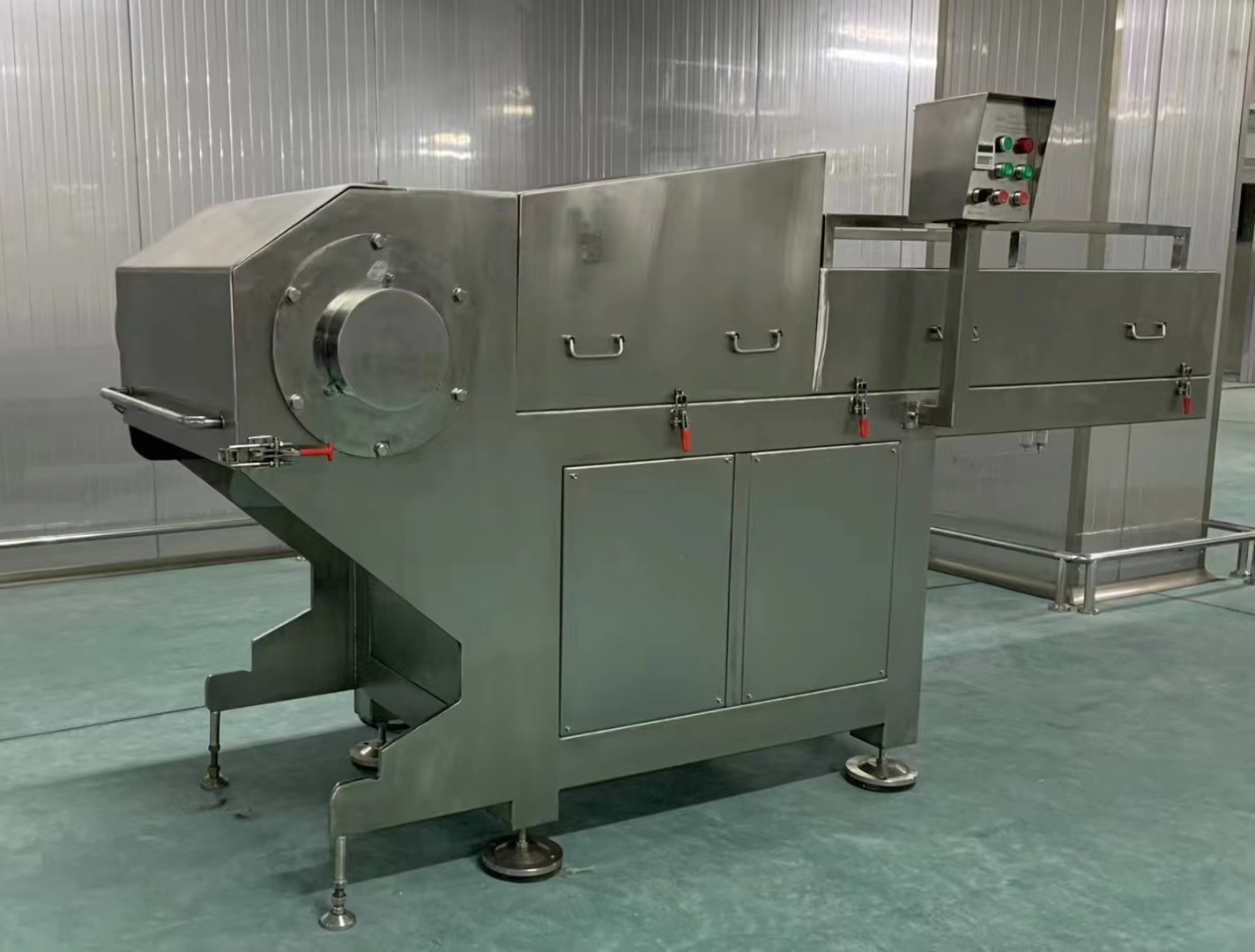
How a flaker fits your process (quick flow)
Raw material: hard-frozen blocks (typically -18 °C to -25 °C), pork, beef, poultry, or trim—even pet food mixes. Method: load block, safety interlock checks, pressure foot stabilizes, then the blade stack shaves uniform flakes. Output goes directly into a grinder, mixer, or cutter—no tempering, which cuts drip loss. To be honest, that’s the hidden win.
- Materials: food-contact stainless steel (mostly SUS304; wear parts often SUS420J2 or similar).
- Flake size: adjustable, common ranges ≈ 5–25 mm.
- Testing standards: HACCP-based hazard checks, electrical per CE; sanitation per EN/ISO guidelines.
- Industries: sausage plants, quick-serve, airline catering, canned goods, broth and soup base, pet food.
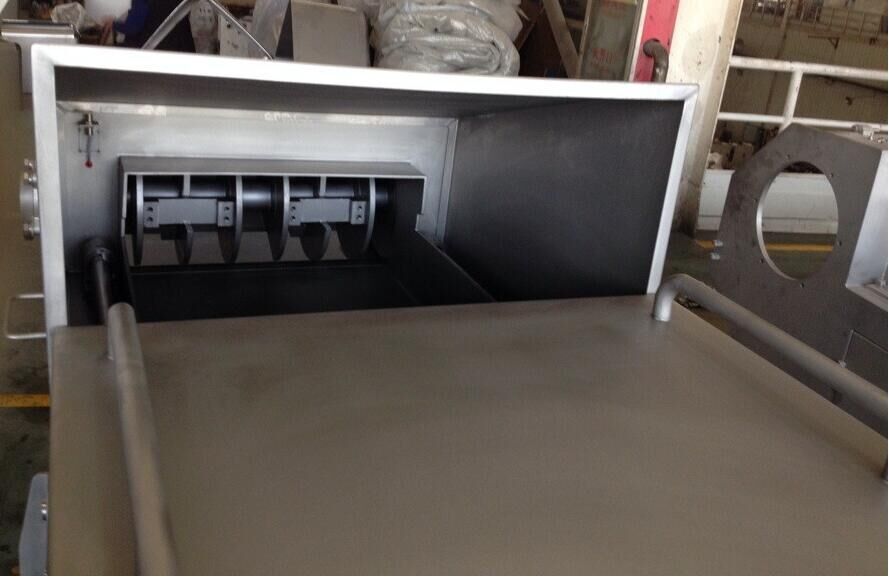
Product snapshot and specs
Made in: No.311 Youyi North Street, Xinhua District, Shijiazhuang City, Hebei, China. Description: raw meat is kept frozen; the machine first cuts the block into flakes for downstream processing. Many customers say flakes feed grinders more evenly and reduce smear, especially on lean formulations.
| Parameter | Typical value (≈, real-world use may vary) |
|---|---|
| Throughput | 800–2,500 kg/h |
| Block temperature | -25 °C to -10 °C |
| Flake thickness | 5–25 mm (tooling dependent) |
| Blade material | Hardened stainless (e.g., SUS420J2) |
| Motor power | 7.5–15 kW |
| Noise | ≤ 78 dB(A) at 1 m (typical) |
| Compliance | CE, food-contact materials guidance (EU 1935/2004) |
| Service life | Blade set ≈ 8–14 months at 2 shifts/day before regrind |
Why plants adopt it
- Yield: lower thaw loss; fewer fines versus block cracking.
- Texture: cleaner particle definition post-grind.
- Safety: guarded feed, interlocks, emergency stops. I guess that’s non-negotiable now.
- Energy: keep blocks colder, skip tempering rooms—surprisingly efficient.
Vendor comparison (shortlist view)
| Vendor | Capacity | Blade/Drive | Warranty | Lead time | Notes |
|---|---|---|---|---|---|
| Bossin Machinery (Hebei) | ≈ 0.8–2.5 t/h | Hardened SS / 7.5–15 kW | 12–18 months (typical) | 30–60 days | Good customization; value pricing |
| European Brand A | ≈ 1–3 t/h | Tool steel / 11–18 kW | 12 months | 8–12 weeks | Strong service network |
| Local Fabricator | ≈ 0.5–1.5 t/h | Mixed steel / 5–11 kW | 6–12 months | 2–6 weeks | Budget-friendly; fewer options |
Customization, testing, and real numbers
Options often include block size adapters, alternate blade geometries (fine vs. coarse), discharge orientations, and washdown packages. Factory FAT/SAT can include particle-size distribution checks (e.g., 80% within 8–16 mm on pork at -18 °C), amperage draw at steady state, and sanitation validation swabs per ISO 18593. In my notes, one line saw a 2.1% higher grind yield after switching to a Frozen meat block Flaker machine; your mileage may vary.
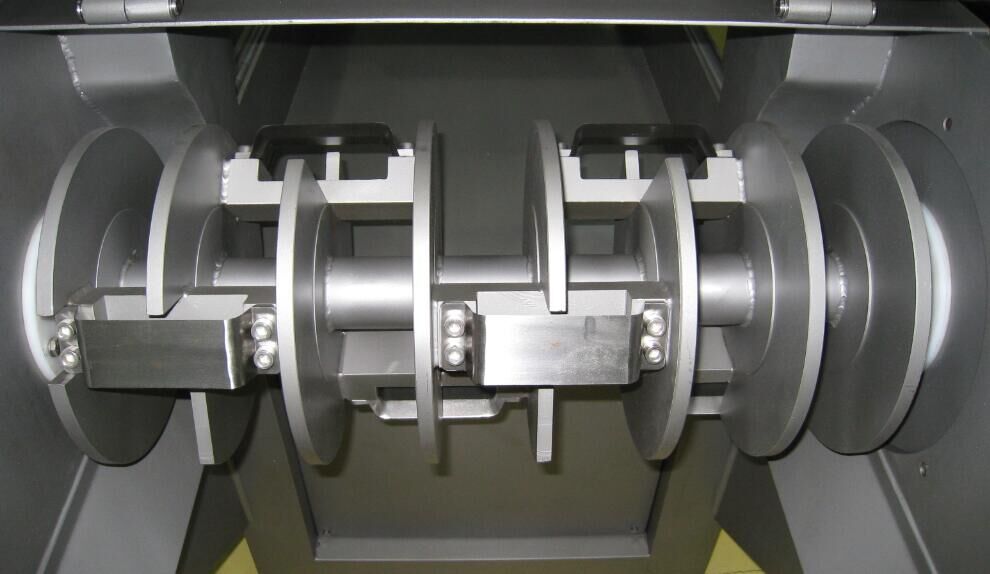
Field case: mid-size sausage plant
A 15,000-kg/day facility swapped hand-breaking for a Frozen meat block Flaker machine. Results after 6 weeks: grinder load peaks dropped ≈ 18%, blade service interval stretched to 10 months, and operators reported less smear on 90/10 blends. Maintenance flagged: keep pressure foot bushings greased; verify interlock weekly.
Final buyer tips
- Match flake size to downstream plate set; test with your actual trim.
- Ask for blade metallurgy certificates and hardness (HRC) data.
- Confirm sanitation time targets (aim for ≤ 25 minutes between shifts).
- Check spare kit availability: blades, pressure foot liners, belts.
Citations
- ISO 22000:2018 Food safety management systems.
- EU Regulation 1935/2004 on materials intended to contact food.
- ISO 18593:2018 Microbiology of the food chain — Surface sampling methods.
- EN 60204-1:2018 Safety of machinery — Electrical equipment of machines.
Latest news
-
Comprehensive Guide to Wholesale Skip Car Solutions for Construction Efficiency
NewsMar.31,2026
-
Investing in a Wholesale Meat Salted Machine for Business Success
NewsMar.28,2026
-
Revolutionizing Burger Production with Wholesale Burger Making Forming Machine Solutions
NewsMar.26,2026
-
Comprehensive Guide to Wholesale Sausage Filler Price and Equipment Selection
NewsMar.24,2026
-
Investing in a Wholesale Beef Slicing Machine for Enhanced Business Efficiency
NewsMar.21,2026
-
Invest in a Wholesale Clipping Machine for Sausages to Optimize Production
NewsMar.19,2026