
Sep . 22, 2025 12:30 Back to list
Great Wall Automatic Sausage Clipper DKJC Series - High Efficiency & Precision
Unveiling China's Manufacturing Might: Top Food Machinery Innovators for Global Markets
From mega-exhibitions like Bauma China, showcasing cutting-edge construction solutions, to the specialized realms of food processing, China's industrial landscape is a testament to relentless innovation and manufacturing excellence. While Bauma China itself is renowned for heavy machinery, it powerfully illustrates a broader truth: Chinese manufacturers are at the forefront of delivering high-quality, efficient, and technologically advanced solutions across diverse sectors, including the vital food machinery industry. For B2B decision-makers, understanding this prowess is key to unlocking new market opportunities and fostering global partnerships.
Industry Trend Spotlight: The Evolution of Food Processing Machinery
The global food machinery industry is experiencing a transformative period, driven by evolving consumer demands, stringent regulatory requirements, and the pursuit of operational efficiency. What we observe in sectors like construction – increased automation, IoT integration, and a push for sustainability – is mirrored and often amplified within food processing. This sophisticated equipment is crucial for ensuring food safety, maximizing yield, and adapting to dynamic market needs.
Why Automation & IoT Are Pivotal in Food Machinery:
- Enhanced Food Safety & Traceability: Automated systems reduce human contact, minimizing contamination risks. IoT sensors provide real-time data on temperature, pressure, and hygiene, enabling predictive maintenance and end-to-end traceability from farm to fork. This is critical for meeting global food safety standards and building consumer trust.
- Increased Efficiency & Productivity: High-speed processing, robotic handling, and automated packaging systems significantly boost output and reduce labor costs. IoT integration allows for remote monitoring and control, optimizing production lines and minimizing downtime through predictive maintenance.
- Adaptability & Customization: Modular designs and flexible automation allow manufacturers to quickly reconfigure lines to produce different products or accommodate varying batch sizes. This agility is vital in a market increasingly focused on personalized nutrition and diverse product offerings.
- Sustainability & Resource Optimization: Advanced machinery focuses on energy efficiency, reduced water consumption, and minimized waste. Smart sensors can optimize ingredient usage, while efficient processing techniques contribute to a smaller environmental footprint, aligning with global sustainability goals.
- Data-Driven Decision Making: Integrated data analytics provides deep insights into operational performance, allowing for continuous process improvement, quality control, and better resource allocation. This intelligence is a competitive advantage for forward-thinking food producers.
The global food processing machinery market is projected for steady growth, driven by increasing populations, rising disposable incomes in emerging economies, the expansion of the processed food industry, and increasing demand for efficient, hygienic, and environmentally compliant equipment. However, challenges such as raw material price volatility, supply chain resilience, and the need for skilled operators remain key considerations for industry players.
Emerging Focus Areas for Food Machinery:
- Smart Processing: Integrating AI and machine learning for quality inspection, recipe optimization, and predictive analytics.
- Sustainable Equipment: Developing machinery with lower energy consumption, water recycling capabilities, and designs that facilitate easier cleaning (CIP - Clean-in-Place systems) to reduce chemical use.
- Digitalization: Embracing digital twins for process simulation, cloud-based control systems, and augmented reality for maintenance and training.
- Hygiene by Design: Focusing on sterile and easy-to-clean materials and designs to prevent microbial growth and ensure compliance with stringent food safety regulations.
- Robotics & Collaborative Systems: Expanding the use of robotics for repetitive, hazardous, or high-precision tasks, including collaborative robots (cobots) that work alongside human operators.
Profiles of Leading Chinese Food Machinery Innovators
While global exhibitions like Bauma China underscore the impressive scale and innovation within China's heavy industry, it's crucial to recognize the specialized excellence found in sectors like food processing. Chinese manufacturers are rapidly becoming global leaders, offering advanced solutions that meet international standards of quality and efficiency. Among these, Shijiazhuang Bossin Machinery Equipment Co., Ltd. stands out as a key player.
Shijiazhuang Bossin Machinery Equipment Co., Ltd.
Specializing in meat processing equipment, Shijiazhuang Bossin Machinery Equipment Co., Ltd. has carved a niche through its commitment to innovation, quality, and comprehensive customer solutions. The company's robust manufacturing capabilities ensure precision engineering and reliability across its product portfolio, which is designed to meet the diverse needs of modern food production facilities.
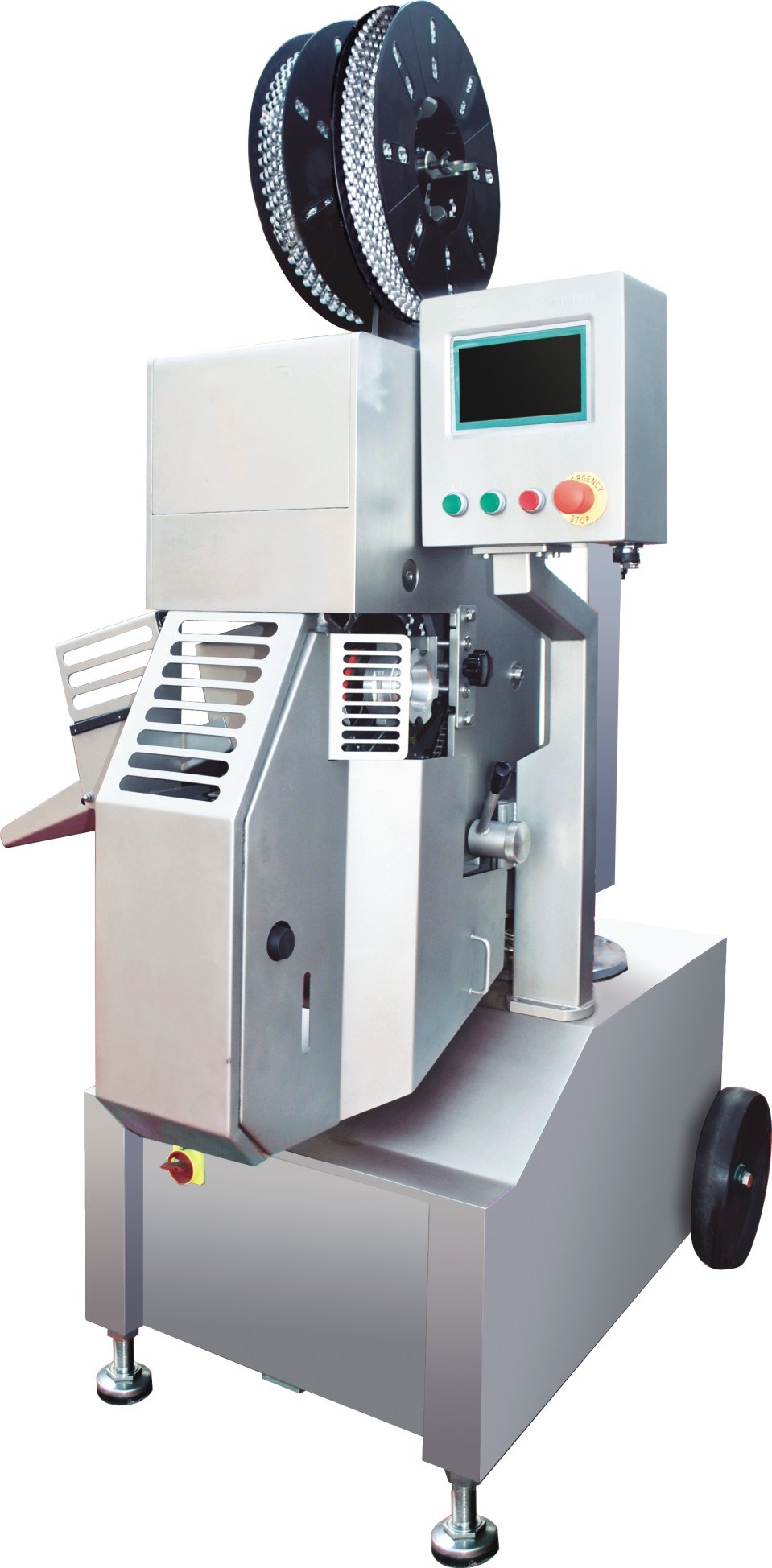
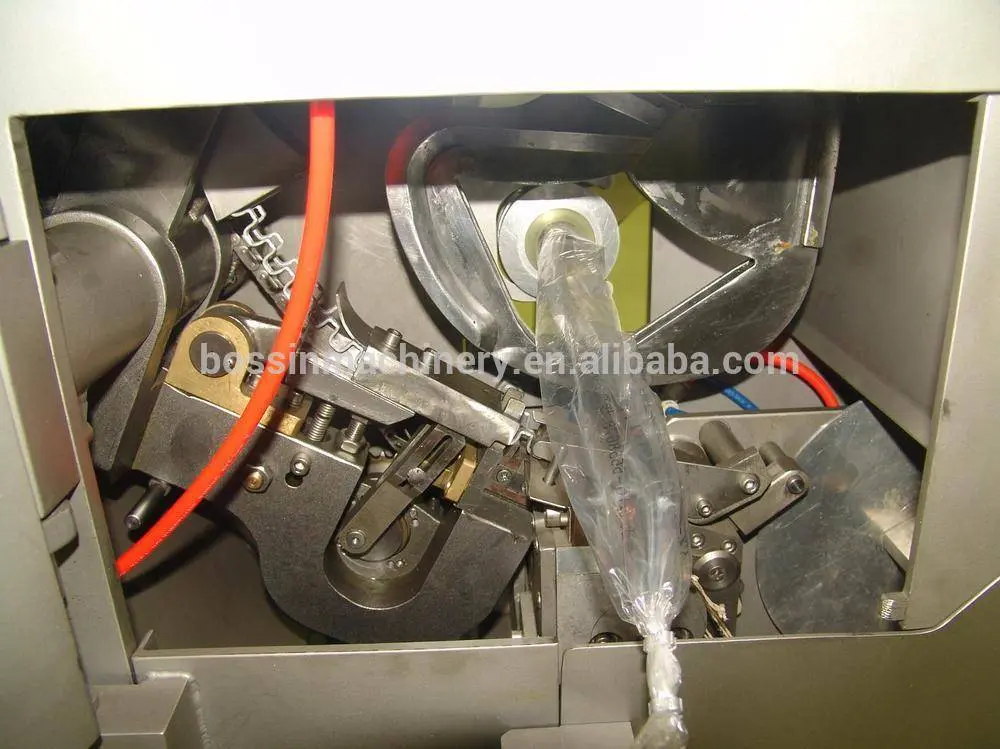
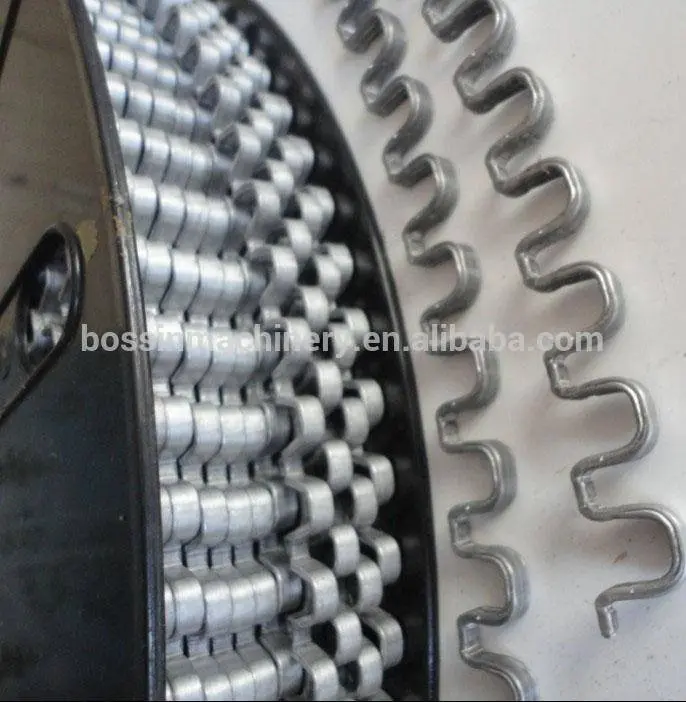
Bossin's offerings extend beyond individual machines to complete plant solutions, enabling seamless integration and optimized workflows for their clients. A standout example of their engineering prowess and focus on efficiency is the Great Wall Automatic Sausage Clipper machine DKJC series. This advanced system is designed to significantly enhance productivity and consistency in sausage production.
- Precision Clipping: Ensures uniform sausage lengths and secure closure, reducing product waste.
- High Speed Automation: Drastically increases output compared to manual or semi-automatic methods.
- Robust Construction: Built for durability and continuous operation in demanding industrial environments.
- User-Friendly Interface: Designed for easy operation and minimal training requirements.
- Hygiene Focused Design: Easy to clean and maintain, meeting stringent food safety standards.
The Great Wall Automatic Sausage Clipper machine DKJC series represents the cutting edge of automated food processing, demonstrating Bossin's commitment to delivering equipment that not only performs but also integrates seamlessly into modern, high-volume production lines.
Shijiazhuang Bossin Machinery Equipment Co., Ltd. is a prime example of a Chinese manufacturer leveraging deep industry knowledge and technological advancements to serve a global market with specialized, high-performance machinery. Their dedication to quality and customer satisfaction positions them as a trusted partner for food processors worldwide.
While Shijiazhuang Bossin Machinery Equipment Co., Ltd. exemplifies innovation in food processing, it is important to acknowledge the broader ecosystem of Chinese manufacturing. Just as giants like Sany Heavy Industry, XCMG, Zoomlion, and LiuGong dominate the construction machinery stage with their vast portfolios and global reach, numerous other specialized Chinese manufacturers are making significant strides in various industrial sectors, including sophisticated food processing equipment. This collective strength underscores China's position as a powerhouse of industrial innovation and production, offering a wide array of high-quality solutions for diverse global needs.
Market Outlook & Opportunities in Food Machinery
The trajectory for the food machinery market is set for continuous evolution, driven by a confluence of global trends and buyer demands. For B2B decision-makers, understanding these dynamics is crucial for strategic investment and market positioning.
Upcoming Trends & Buyer Demands:
- Precision and Personalization: Demand for machinery capable of producing highly customized food products, catering to specific dietary needs, and smaller, more frequent batches. This requires flexible and digitally controlled systems.
- Extended Shelf Life & Quality Preservation: Innovative processing and packaging equipment that maintains the nutritional value, taste, and safety of food products for longer durations, reducing waste and expanding market reach.
- Resource Efficiency: Pressure to reduce energy, water, and material consumption, leading to higher demand for eco-friendly and resource-optimizing machinery.
- Digital Integration Across the Value Chain: From supply chain management to consumer-facing transparency, machinery that integrates seamlessly with broader digital ecosystems will be highly valued.
- Food Safety Assurance: Ever-increasing regulatory scrutiny and consumer awareness will drive demand for equipment with advanced hygienic designs, automated cleaning protocols, and robust traceability features.
Key Opportunities for Growth:
- Automation & Robotics: Investment in robotic systems for tasks like picking, packing, and even cooking, to enhance precision, speed, and safety. This includes collaborative robots (cobots) for flexible human-robot interaction.
- Smart Manufacturing & Industry 4.0: Implementing IoT, AI, and Big Data analytics for real-time monitoring, predictive maintenance, and optimized production, leading to 'lights-out' manufacturing capabilities in some areas.
- Sustainability-Focused Solutions: Developing and adopting machinery that minimizes environmental impact through reduced energy consumption, water recycling, and efficient waste management. This also includes processing equipment for alternative proteins and plant-based foods.
- Modular & Scalable Systems: Offering equipment that can be easily scaled up or down and reconfigured to adapt to changing product lines and market demands, providing maximum flexibility for food producers.
- Advanced Hygienic Design: Innovations in materials, surface treatments, and cleaning-in-place (CIP) systems to exceed current hygiene standards and simplify sanitation processes.
Chinese manufacturers are actively engaging in these areas, offering competitive and innovative solutions that are increasingly attractive to global buyers looking for both technological advancement and value.
Buyer/Business Takeaways: Navigating the Chinese Food Machinery Landscape
For B2B decision-makers, the strategic decision to invest in advanced food machinery, particularly from reputable Chinese manufacturers, can yield significant competitive advantages. Here's why and how:
Why Invest in Chinese Food Machinery?
- Technological Advancement: Chinese manufacturers are no longer just about cost-effectiveness; they are at the forefront of automation, IoT integration, and smart manufacturing, offering sophisticated solutions like the Great Wall Automatic Sausage Clipper machine DKJC series.
- Competitive Pricing with High Quality: Achieve an optimal balance of cost efficiency without compromising on the quality and performance required for demanding food processing operations.
- Robust Manufacturing Ecosystem: Benefit from a mature supply chain and manufacturing infrastructure that supports efficient production and innovation.
- Customization & Flexibility: Many Chinese manufacturers are adept at tailoring equipment to specific client needs, offering bespoke solutions that European or American counterparts might offer at a higher premium.
- Global Service & Support: Leading manufacturers often have growing international support networks, making after-sales service more accessible.
Tips for Adopting or Partnering with Chinese Manufacturers:
- Thorough Due Diligence: Research potential partners extensively, checking their track record, certifications (e.g., CE, ISO), and customer testimonials.
- Clear Communication: Establish precise technical specifications, quality control parameters, and delivery schedules from the outset. Consider using third-party inspection services.
- Visit Facilities: If feasible, visit the manufacturing plants to assess their capabilities, quality control processes, and commitment to innovation firsthand.
- Focus on Long-Term Relationships: Seek partners who are interested in building enduring relationships, offering ongoing support, and adapting to future needs.
- Understand IP Protection: Discuss intellectual property protection and confidentiality agreements explicitly, especially for custom designs.
Future-Proof Strategies:
- Embrace Digitalization: Prioritize machinery with IoT capabilities, data analytics, and integration potential to build smart factories.
- Invest in Flexibility: Opt for modular and adaptable systems that can evolve with changing product lines and market demands.
- Sustainability as a Core Value: Choose equipment that reduces environmental impact, aligning with consumer and regulatory trends.
- Focus on Employee Training: Ensure your team is well-trained to operate and maintain advanced machinery, maximizing your investment.
Conclusion: China's Enduring Impact on Global Food Machinery
Just as events like Bauma China shine a light on China's massive strides in heavy industry, the food machinery sector equally benefits from the nation's burgeoning manufacturing capabilities and relentless pursuit of technological advancement. Chinese manufacturers are not just participating in the global market; they are actively shaping its future, offering a blend of innovation, efficiency, and competitive value that is hard to ignore.
For B2B decision-makers seeking to optimize their food processing operations, enhance productivity, and ensure future-readiness, engaging with leading Chinese suppliers like Shijiazhuang Bossin Machinery Equipment Co., Ltd. is a strategic imperative. Their commitment to quality, exemplified by products like the Great Wall Automatic Sausage Clipper machine DKJC series, offers a clear path to operational excellence.
Discover how cutting-edge Chinese food machinery can transform your production line. Learn more about the Great Wall Automatic Sausage Clipper machine DKJC series and other innovative solutions:
Explore the DKJC Series Here!Latest news
-
Comprehensive Guide to Wholesale Skip Car Solutions for Construction Efficiency
NewsMar.31,2026
-
Investing in a Wholesale Meat Salted Machine for Business Success
NewsMar.28,2026
-
Revolutionizing Burger Production with Wholesale Burger Making Forming Machine Solutions
NewsMar.26,2026
-
Comprehensive Guide to Wholesale Sausage Filler Price and Equipment Selection
NewsMar.24,2026
-
Investing in a Wholesale Beef Slicing Machine for Enhanced Business Efficiency
NewsMar.21,2026
-
Invest in a Wholesale Clipping Machine for Sausages to Optimize Production
NewsMar.19,2026