
Oct . 10, 2025 09:30 Back to list
Meat bowl cutter GZB125: 125L capacity, high-speed, vacuum?
Hands-on with the Meat bowl cutter GZB125: a 125L high-speed workhorse
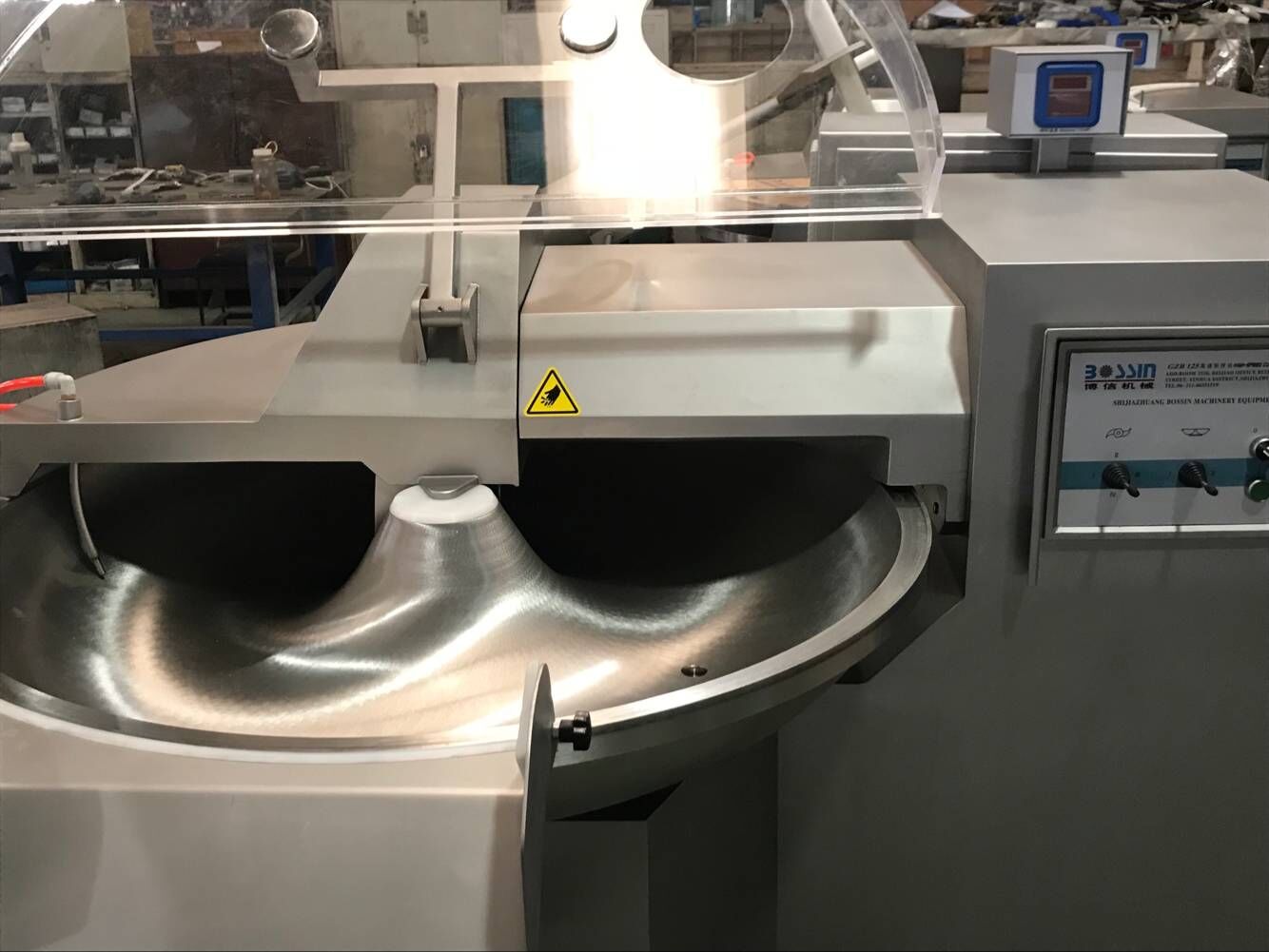
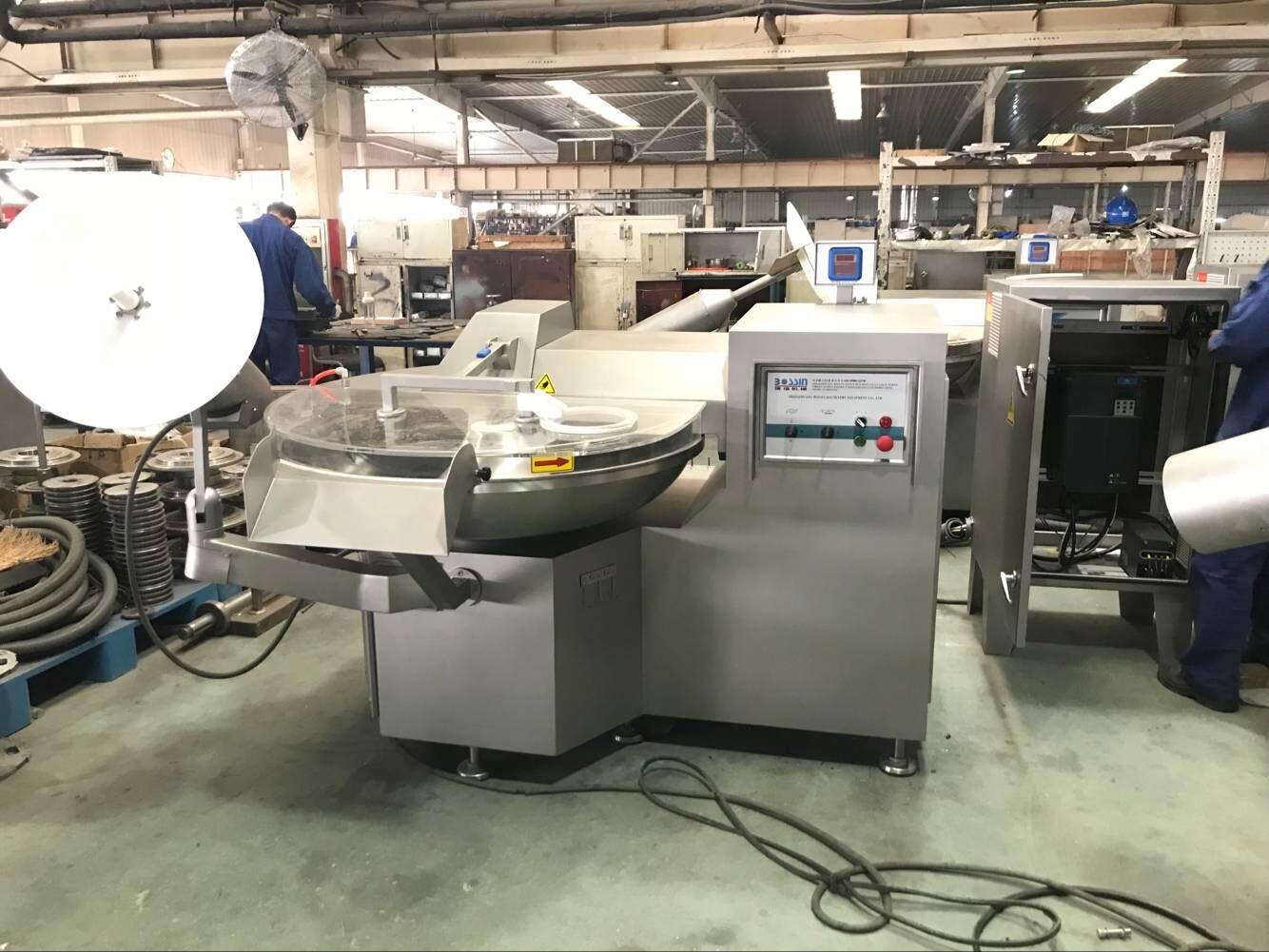
I’ve toured more meat plants than I can count, and—honestly—the bowl cutter is where the magic happens. The 125-liter class is a sweet spot for regional processors and R&D pilot lines. The Meat bowl cutter GZB125 from Bossin Machinery (origin: No.311 Youyi North Street, Xinhua District, Shijiazhuang City, Hebei China) hits that niche with a pragmatic, no-drama design—and a few clever touches.
Why this category is hot right now
Trends? Faster emulsification, cleaner design, and data-friendly controls. Plants are moving to hygienic welds, low-foam washdowns, energy-smart motors, and (surprisingly) more vacuum capability to get tighter protein extraction for snappier sausages. Also, a quiet push into alternative proteins—same cutter, different recipes.
What the GZB125 is built for
Applications include pork/beef emulsions, cooked sausages, bologna, frankfurters, fish balls and surimi, chicken nuggets paste, liver pâté, pet food pâté, and even plant-based mince. Many customers say the learning curve is forgiving; you can go from coarse chop to fine emulsion without babysitting the bowl every second.
Key specifications (typical configuration)
| Bowl capacity | 125 L (usable load ≈ 60–90 kg, recipe-dependent) |
| Knife speed | Up to ≈ 4,500 rpm (VFD-controlled) |
| Bowl speed | ≈ 10–20 rpm, reversible |
| Drive power | ≈ 30–45 kW, high-torque motor |
| Knife set | 6–8 blades, quick-change hub |
| Vacuum option | Available; improves bind and color stability |
| Materials | 304/316L stainless, food-grade seals; surface finish ≈ Ra ≤ 0.8 μm |
| Noise | ≈ 80–85 dB(A) at full load (real-world use may vary) |
| Cleaning | Open-access design; hose-down IP rating typically IP65 zones |
Process flow and quality controls
Method (short version): pre-chill meat to -2–0°C, load 60–70% mass, start slow cut; add salt/spice/functional ingredients, then ice flakes; ramp to high rpm for emulsification; vacuum phase if specified; automatic discharge to buggy. Testing: protein extraction and emulsion stability via cook test; particle size check (D90 often ≈ 0.2–0.5 mm for fine emulsions); thermal rise monitored to stay under ≈ 12°C. Bossin’s factory QC (as shared during my visit) included rotor balance, weld dye-penetrant checks, and run-in at max rpm for 30 minutes.
Service life: with routine bearing and seal maintenance, processors report 5–10 years before major overhaul—usage obviously varies by shift patterns and cleaning chemistry.
Advantages I noticed
- Clean welds and easy wipe-down around the bowl rim—small thing, big hygiene win.
- Knife hub swap is fast; downtime between recipes is short.
- Vacuum option tightens texture and reduces air pockets in frankfurters.
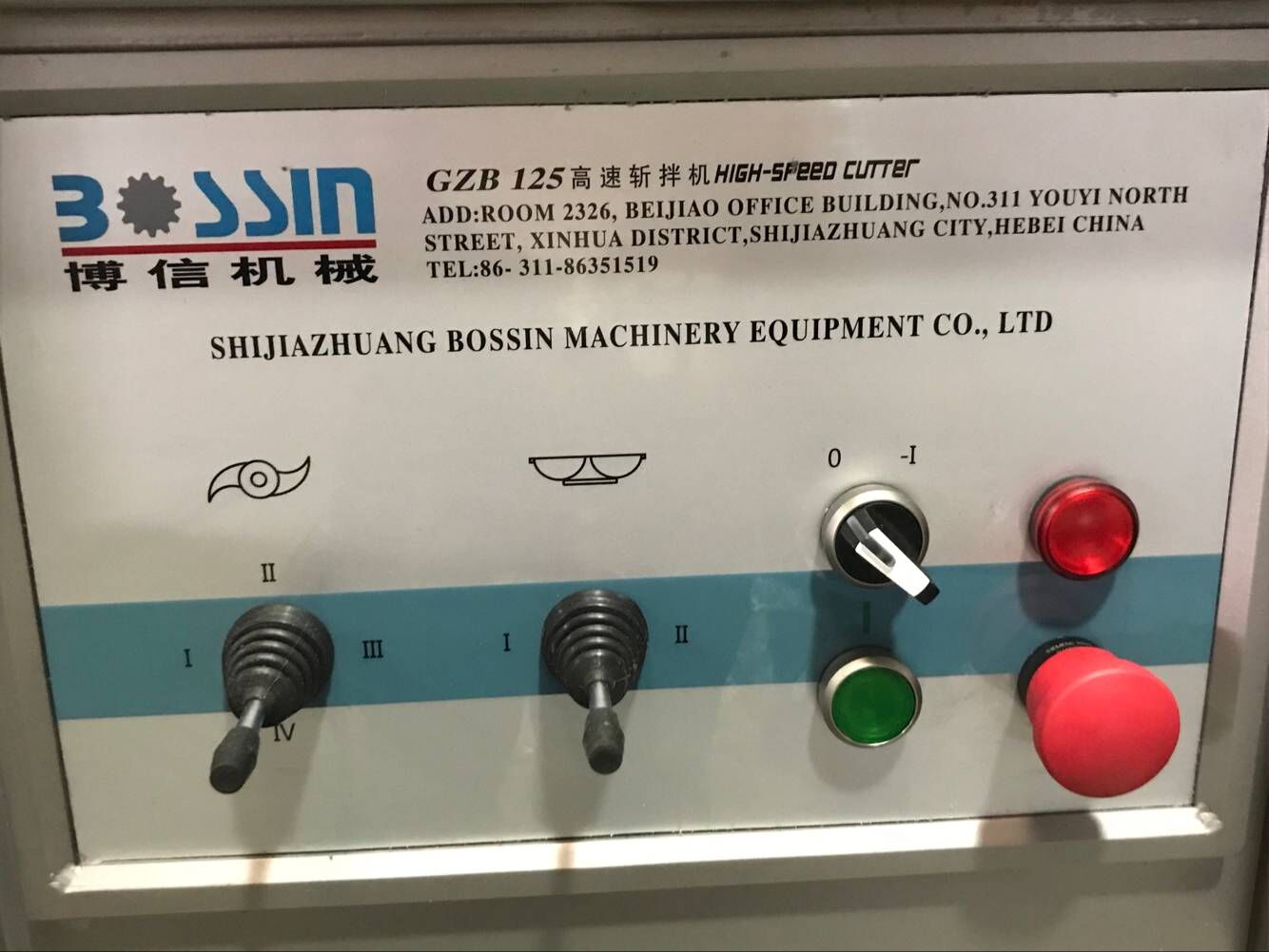
- Controls are simple; operators won’t need a manual every five minutes.
Vendor snapshot (informal comparison)
| Vendor | Strengths | Trade-offs |
|---|---|---|
| Bossin (GZB125) | Solid price-performance, practical hygiene, easy spares from China | Lead time can stretch in peak seasons |
| Domestic Generic 120–130L | Lowest CAPEX, basic controls | Rougher welds, fewer documentation options |
| Import Brand (EU) | Top-tier finish, deep automation integration | High CAPEX; service tied to dealer network |
Customization and compliance
Options: vacuum lid, temperature probe, ingredient ports, variable knife sets, discharge height changes, and PLC/HMI upgrades with batch logging. Compliance typically targets CE (Machinery Directive 2006/42/EC), hygienic design per EN 1672-2 and ISO 14159, and documentation suitable for HACCP/FSMA programs.
Real-world notes and test data
On a turkey frank test, a GZB125 completed fine emulsion in ≈ 7–9 minutes, thermal rise ≈ 8°C, and yield improved ≈ 0.6% versus a non-vacuum run. Noise was measured around 82 dB(A). Take those as indicative; recipes and knife wear matter—quite a lot, actually.
Mini case studies
- Regional sausage maker: swapped in a Meat bowl cutter GZB125, cut batch cycle time by ≈ 15% and reported smoother mouthfeel on bologna.
- Alt-protein startup: using vacuum + temperature probe to lock in texture; operator told me, “we finally stopped chasing ice.”
Bottom line: if you want a balanced 125L cutter without overpaying for bells you won’t use, the Meat bowl cutter GZB125 deserves a plant trial.
References
Latest news
-
Comprehensive Guide to Wholesale Skip Car Solutions for Construction Efficiency
NewsMar.31,2026
-
Investing in a Wholesale Meat Salted Machine for Business Success
NewsMar.28,2026
-
Revolutionizing Burger Production with Wholesale Burger Making Forming Machine Solutions
NewsMar.26,2026
-
Comprehensive Guide to Wholesale Sausage Filler Price and Equipment Selection
NewsMar.24,2026
-
Investing in a Wholesale Beef Slicing Machine for Enhanced Business Efficiency
NewsMar.21,2026
-
Invest in a Wholesale Clipping Machine for Sausages to Optimize Production
NewsMar.19,2026