
Oct . 16, 2025 14:55 Back to list
Meat Flatten machine | Uniform Thickness, High Throughput
Practical Guide to the Meat Flatten machine the Industry Actually Uses
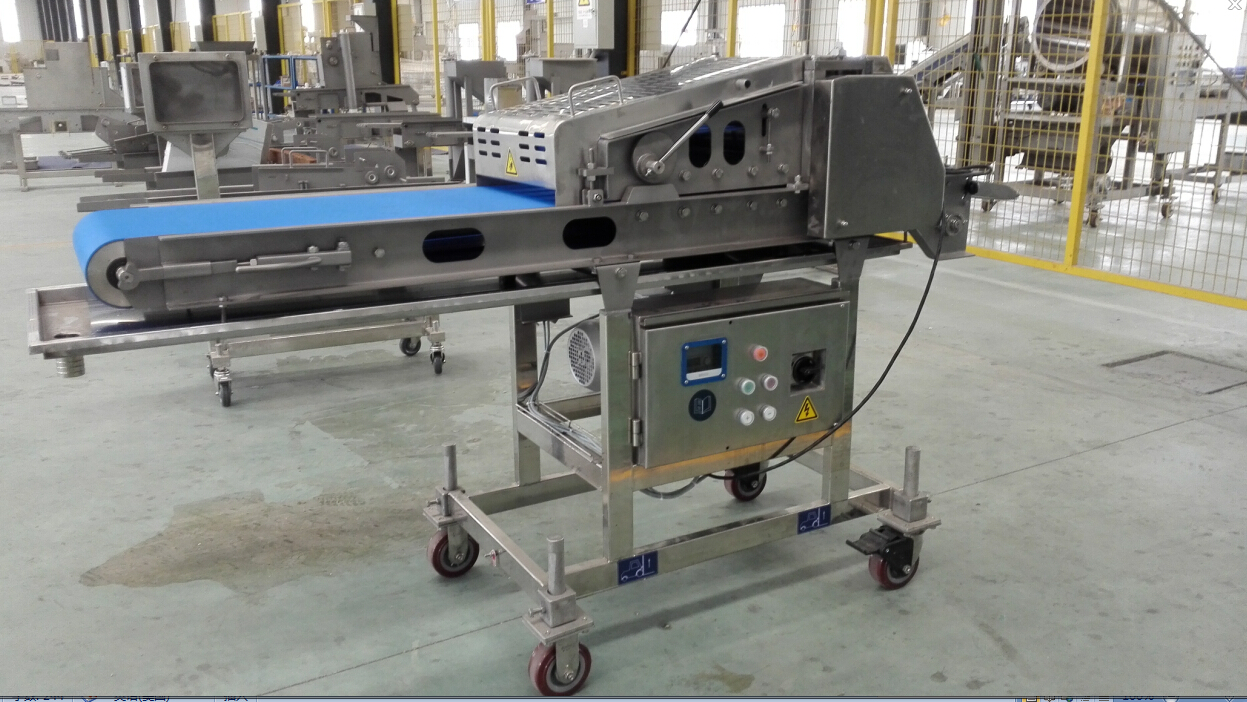
If you work in further-processing—cutlets, schnitzels, cordon bleu, plant-based patties—you’ve seen the rise of the Meat Flatten machine. It’s not glamorous, but it’s the quiet workhorse that standardizes thickness, speeds up cooking, and keeps yields honest. To be honest, the fastest-growing plants I visit in Hebei, Northern Europe, and the Midwest all rely on this step to make downstream coating and frying lines hum.
What’s Driving Adoption?
Three things: labor gaps, retail spec pressure, and energy costs. Retailers want ±1 mm thickness; kitchens want faster, even cooking; finance wants weight accuracy. A solid Meat Flatten machine helps on all three—yield control, uniformity, and throughput, with less operator skill required. Surprisingly, it also reduces marinade migration during battering because the surface becomes more even.
How the Process Works (Real Plant Flow)
- Materials: chilled boneless meat (chicken breast, pork loin, veal), sometimes plant-based slabs; temp ≈ -1 to 4°C.
- Method: infeed belt → staged compression rollers → calibrated gap control → outfeed to batter/breading or IQF line.
- Controls: mechanical screw or servo gap set; some units add thickness sensors for QA sampling.
- Testing standards: routine caliper checks (every 30–60 min), belt swab hygiene per HACCP, noise and guard checks per CE.
- Service life: around 8–10 years with weekly lubrication and quarterly belt alignment; belts typically last 6–18 months in real-world use.
- Industries: quick-service, retail RTE/RTC, airline meals, institutional caterers, and increasingly alt-protein.
Core Specifications (Typical for a Modern Meat Flatten machine)
| Belt width | 400–600 mm (≈ 15.7–23.6 in) |
| Throughput | 800–2,500 kg/h (actual depends on product & thickness) |
| Thickness range | 3–30 mm adjustable, ±1 mm typical repeatability |
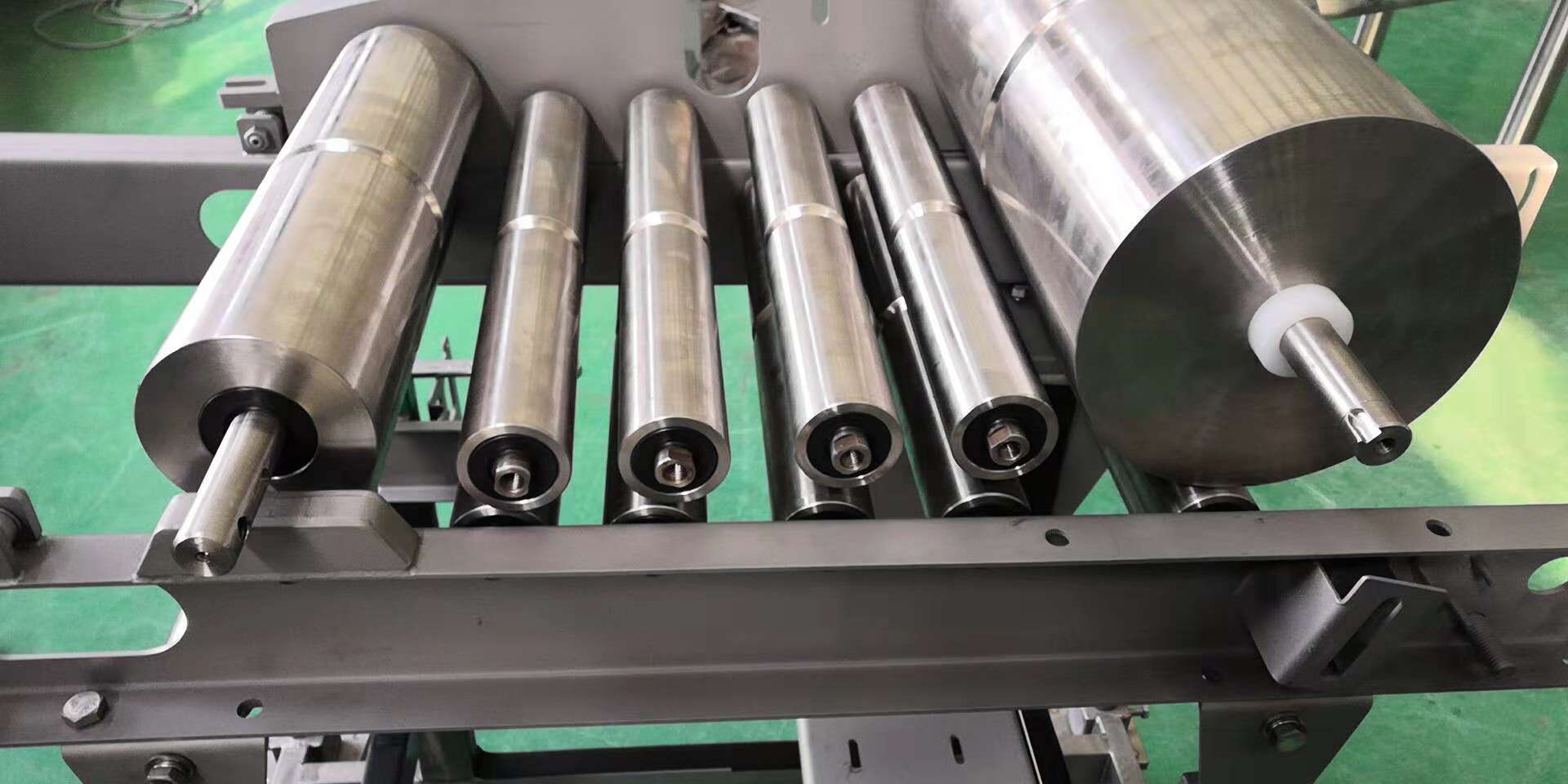
| Roller design | Multi-roller, independent height set, food-grade elastomer |
| Materials | SUS304 frame, UHMWPE guides, PU belt, IP65 controls |
| Power / Voltage | 1.5–3.0 kW, 380–480V, 50/60 Hz |
| Cleaning | Tool-less belt release, sloped surfaces, optional foam lance kit |
Testing data we’ve seen in factory FATs: 98–99.5% of pieces within target thickness window; noise ≈ 68–72 dB; belt swab ATP pass rates improved after adding daily end-of-shift dry-out. That’s not lab-perfect, but it’s shop-floor real.
Vendor Snapshot (What Buyers Compare)
| Vendor | Certifications | Lead time | Customization | Notes |
|---|---|---|---|---|
| Bossin Machinery (Shijiazhuang, Hebei) | CE, ISO 9001; designs toward HACCP/ISO 22000 | ≈ 30–45 days | Belt width, roller hardness, CIP options | Good value; responsive spares from No.311 Youyi North Street |
| Vendor A | CE, USDA compliant designs | 45–60 days | High; integrated line packages | Premium pricing |
| Vendor B | CE | 20–35 days | Moderate | Compact footprint |
Customization and Compliance
- Options: belt widths, variable speed (VFD), servo gap control, auto-lift for sanitation, integrated metal detector interface.
- Certifications: CE Machinery Directive, hygienic design to EN 1672-2/ISO 14159, HACCP-ready documentation; supports ISO 22000 programs.
- Safety: interlocked guards, e-stops, IP65 HMI; USDA-style sanitary features for export markets.
Field Notes and Case Study
A mid-size European schnitzel producer swapped in a Meat Flatten machine ahead of their breader. Result: cook times dropped ~18%, with complaints about “raw centers” basically vanishing. Maintenance told me belt cleaning went from 35 to 18 minutes after adding a tool-less release. Many customers say the biggest win is “predictable weight”—less trimming, fewer reworks.
Final Thought
If you need consistent thickness and smoother downstream flow, a well-spec’d Meat Flatten machine is one of those rare upgrades that pays back quickly—sometimes in months, not years.
Authoritative references
Latest news
-
Comprehensive Guide to Wholesale Skip Car Solutions for Construction Efficiency
NewsMar.31,2026
-
Investing in a Wholesale Meat Salted Machine for Business Success
NewsMar.28,2026
-
Revolutionizing Burger Production with Wholesale Burger Making Forming Machine Solutions
NewsMar.26,2026
-
Comprehensive Guide to Wholesale Sausage Filler Price and Equipment Selection
NewsMar.24,2026
-
Investing in a Wholesale Beef Slicing Machine for Enhanced Business Efficiency
NewsMar.21,2026
-
Invest in a Wholesale Clipping Machine for Sausages to Optimize Production
NewsMar.19,2026