
Sep . 01, 2025 03:40 Back to list
Precision Meat Pump Housing | Durable & Hygienic Solutions
Driving Efficiency: The Role of Advanced Meat pump Housing in Food Processing
The global food processing industry is undergoing a significant transformation, driven by demands for increased efficiency, stringent hygiene standards, and enhanced product quality. At the heart of many critical processing lines, particularly those involving viscous food products, lies the pump housing—a component crucial for the integrity and performance of the entire system. Industry trends indicate a sustained push towards more durable, corrosion-resistant, and easily maintainable materials and designs for such components. Manufacturers are increasingly seeking solutions that offer longer service life, minimize downtime, and comply with evolving regulatory frameworks like FDA and HACCP guidelines. The focus is shifting from mere functionality to optimized operational expenditure (OpEx) through superior material science and precision engineering.
Technological advancements, particularly in metallurgy and CNC machining, are enabling the production of pump housings that can withstand aggressive cleaning agents, high pressures, and varying temperatures, all while maintaining dimensional stability and surface integrity. This evolution is vital for sectors dealing with highly sensitive or abrasive food media, where any compromise in component quality can lead to significant production losses or contamination risks.
Manufacturing Excellence: The Process Behind Meat pump Housing
The production of a high-quality Meat pump Housing is a complex, multi-stage process that combines advanced material science with precision engineering. Each step is meticulously controlled to ensure the final product meets the rigorous demands of the food processing industry, emphasizing hygiene, durability, and operational efficiency.
Process Flow:
- Material Selection: The foundation of a robust Meat pump Housing begins with selecting premium-grade stainless steel, typically 304 or 316L. 316L is preferred for its enhanced corrosion resistance, especially against chlorides and acids commonly found in food processing environments and cleaning solutions. This ensures longevity and compliance with food-grade standards.
-
Casting/Forging:
- Casting (Investment Casting): For intricate geometries, investment casting is employed. A ceramic mold is created from a wax pattern, which is then melted out. Molten stainless steel is poured into the mold. This method ensures high dimensional accuracy and excellent surface finish, minimizing subsequent machining.
- Forging: For applications requiring superior strength and fatigue resistance, forging is utilized. Stainless steel billets are heated and shaped under immense pressure, resulting in a refined grain structure that enhances mechanical properties and reduces porosity.
- Heat Treatment: Post-casting or forging, components undergo annealing or solution heat treatment. This process relieves internal stresses, improves ductility, and optimizes the material's microstructure for subsequent machining and long-term performance in demanding conditions.
- CNC Machining: Precision is paramount. Multi-axis CNC (Computer Numerical Control) machining centers are used to achieve exact dimensions, smooth internal passages, and precise mounting surfaces. This stage ensures tight tolerances, critical for efficient pump operation and minimizing cavitation.
- Surface Finishing: To meet stringent hygienic standards (e.g., Ra
-
Quality Control & Testing: Each housing undergoes rigorous testing:
- Dimensional Inspection: Using CMM (Coordinate Measuring Machine) to verify all dimensions against engineering drawings.
- Material Analysis: PMI (Positive Material Identification) ensures correct alloy composition.
- Pressure Testing: Hydrostatic tests at 1.5 times the maximum working pressure to confirm structural integrity and leak-proof performance.
- Surface Roughness Measurement: Verification of specified Ra values.
- Visual Inspection: Checking for any surface defects, cracks, or imperfections.
- Passivation: A final chemical treatment to remove free iron from the surface and enhance the naturally occurring passive chromium oxide layer, significantly boosting corrosion resistance.
- Packaging & Certification: Housings are carefully packaged to prevent damage during transit, often with protective films or caps. Comprehensive documentation, including material certificates, test reports, and compliance declarations, is provided.
The service life of a properly manufactured Meat pump Housing can exceed 10-15 years in typical food processing applications, significantly influenced by the aggressiveness of the media, operating parameters, and maintenance routines. Target industries include meat and poultry processing, dairy, beverages, sauces, confectionery, and pharmaceutical sectors, where hygienic and reliable pumping of viscous or particulate-laden fluids is essential. Advantages in these scenarios include energy savings through optimized flow paths, superior corrosion resistance extending operational life, and reduced risk of product contamination.
Technical Specifications and Parameters
Understanding the precise technical parameters of a Meat pump Housing is critical for proper system integration and optimal performance. The following table outlines typical specifications for high-performance units designed for demanding food processing applications.
| Parameter | Specification | Details/Commentary |
|---|---|---|
| Material Grade | AISI 316L Stainless Steel (EN 1.4404) | Superior corrosion resistance, especially to chlorides and acids. Compliant with FDA food contact regulations. |
| Manufacturing Process | Precision Investment Casting & CNC Machining | Ensures intricate geometry, minimal porosity, and high dimensional accuracy. |
| Surface Finish (Internal) | Ra ≤ 0.8 µm (Standard), Ra ≤ 0.4 µm (Optional) | Reduces microbial adhesion, improves CIP/SIP efficacy, and ensures smooth product flow. |
| Operating Temperature Range | -20°C to +150°C (-4°F to +302°F) | Suitable for various food processing and sterilization cycles. |
| Max. Operating Pressure | Up to 16 Bar (232 psi) | Accommodates high-pressure pumping applications common in meat processing. |
| Connection Types | Tri-Clamp, DIN, SMS, Flanged | Versatile integration into existing piping systems; hygienic connections. |
| Port Size Range | DN25 to DN100 (1" to 4") | Accommodates various flow rates and product viscosities. |
| Certifications | FDA, EHEDG, ISO 9001, CE | Ensures compliance with global food safety and quality standards. |
These specifications highlight the robust engineering and material science applied to ensure a Meat pump Housing not only meets but often exceeds the demanding requirements of modern food processing environments.
Application Scenarios and Technical Advantages
The versatility and robust design of specialized pump housings make them indispensable across a wide spectrum of food and beverage applications. Their technical advantages translate directly into operational benefits for processors.
Typical application scenarios include:
- Meat & Poultry Processing: Pumping ground meat, pureed poultry, sausage emulsions, and high-viscosity batters. The smooth internal finish prevents product hang-up and facilitates easy cleaning, crucial for preventing cross-contamination.
- Dairy Industry: Transferring cheese curds, yogurt, ice cream mixes, and other viscous dairy products. The corrosion resistance to lactic acid and cleaning agents is paramount.
- Bakery & Confectionery: Handling doughs, batters, chocolate, caramel, and fruit fillings. Precision machining ensures minimal shear on delicate products.
- Sauces & Dressings: Pumping ketchup, mayonnaise, mustard, and other condiments. Resistance to acidic environments and abrasive particles is key.
- Beverage Production: Transferring fruit pulps, concentrated juices, and brewing mashes where hygienic transport is critical.
The technical advantages inherent in a well-engineered Meat pump Housing are multifaceted:
- Enhanced Hygiene: Ultra-smooth internal finishes (Ra
- Superior Corrosion Resistance: The use of AISI 316L stainless steel, coupled with advanced passivation techniques, ensures exceptional resistance to corrosive food products and harsh cleaning chemicals, extending the component's lifespan and reducing replacement costs.
- Optimized Flow Dynamics: Precision-machined internal geometries minimize turbulence and shear, preserving product integrity (e.g., preventing damage to delicate meat fibers or emulsified products) and reducing energy consumption by ensuring efficient fluid transfer.
- Durability and Longevity: Robust construction from high-grade materials, often featuring forged components, provides exceptional mechanical strength, allowing the housing to withstand high pressures and continuous operation in demanding environments for decades.
- Reduced Maintenance & Downtime: The robust design and high-quality materials contribute to fewer mechanical failures and less frequent maintenance, leading to significant reductions in operational downtime and associated costs.
- Compliance Assurance: Designed and manufactured to meet international standards such as FDA, EHEDG, and ISO, ensuring regulatory compliance and peace of mind for food processors.
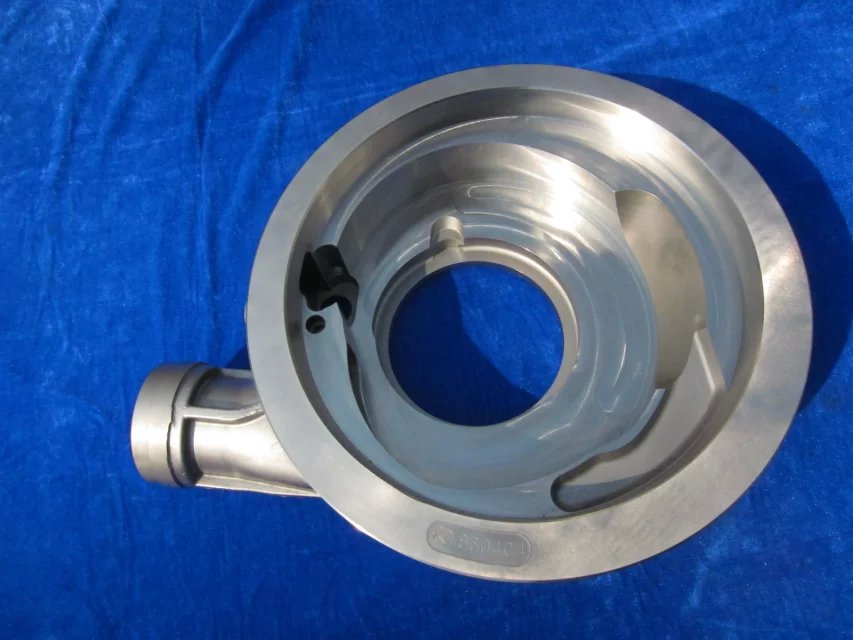
Image: Example of an advanced Meat pump Housing design for hygienic processing.
Customized Solutions for Unique Processing Needs
While standard Meat pump Housing configurations serve a broad range of applications, many B2B clients in the food processing sector face highly specific challenges that necessitate customized solutions. Recognizing this, leading manufacturers offer extensive customization capabilities to precisely match operational requirements.
Customization options often include:
- Material Variations: Beyond standard 316L SS, options like Duplex stainless steel (for even higher corrosion resistance in extreme environments) or specific alloys for specialized temperature or chemical resistance can be integrated.
- Connection Types & Sizes: Custom port configurations, including non-standard flange types, thread connections, or unique sanitary fittings, can be designed to seamlessly integrate with existing plant infrastructure.
- Internal Geometries: Modifications to internal flow paths to optimize for specific product viscosities, shear sensitivities, or to accommodate larger particulate matter without clogging or damage. This can involve specialized impeller shrouds or volute designs.
- Surface Finish Customization: Achieving ultra-low Ra values (e.g.,
- Integrated Features: Incorporating specialized ports for sensors (temperature, pressure), CIP spray balls, or specific draining mechanisms directly into the housing design.
- Dimensional Adjustments: Tailoring external dimensions to fit within confined spaces or align with specific pump footprints without compromising internal performance.
Engaging with a vendor capable of providing comprehensive engineering support from concept to prototype and final production ensures that the customized Meat pump Housing not only fits perfectly but also delivers optimal performance and compliance for the intended application.
Vendor Comparison: Key Differentiators in Meat Pump Housing
Selecting the right supplier for a Meat pump Housing is a strategic decision that impacts long-term operational efficiency, maintenance costs, and product quality. A comparative analysis of key vendors often reveals significant differences in product quality, technical support, and overall value proposition. Below is a comparative overview focusing on critical aspects that B2B decision-makers should consider.
| Feature/Criterion | Bossin Machinery | Competitor A | Competitor B |
|---|---|---|---|
| Material Quality (Standard) | AISI 316L SS (Certified) | AISI 304 SS (Standard) | AISI 316L SS (Standard) |
| Internal Surface Finish (Ra) | ≤ 0.8 µm (Standard), ≤ 0.4 µm (Optional) | ≤ 1.6 µm (Standard) | ≤ 0.8 µm (Standard) |
| Manufacturing Process | Investment Casting & 5-axis CNC | Sand Casting & 3-axis CNC | Forging & 4-axis CNC |
| Customization Capability | High (Material, Dimensions, Ports, Finish) | Limited (Standard models only) | Moderate (Some dimension & port adjustments) |
| Certifications & Compliance | FDA, EHEDG, ISO 9001, CE | ISO 9001 | FDA, ISO 9001 |
| Warranty Period | 5 Years (Extended options available) | 1 Year | 2 Years |
| Technical Support & R&D | Dedicated engineering team, simulation, continuous R&D | Standard technical hotline | Regional support teams |
| Typical Lead Time (Standard) | 4-6 Weeks | 6-8 Weeks | 5-7 Weeks |
This comparison underscores the importance of evaluating not just the initial cost but also the long-term benefits derived from superior material selection, advanced manufacturing processes, and comprehensive customer support. A higher initial investment in a quality Meat pump Housing often translates to lower total cost of ownership (TCO) due to extended service life, reduced downtime, and improved product integrity.
Application Case Studies: Proving Performance in Practice
Real-world application demonstrates the tangible benefits of high-performance pump housings. These case studies highlight how superior engineering and material quality contribute to operational excellence in diverse food processing environments.
Case Study 1: Large-Scale Poultry Processing Facility
A major poultry processing plant faced persistent issues with premature wear and corrosion in their legacy pump housings used for transferring chicken paste. The abrasive nature of the product, combined with daily exposure to aggressive sanitizing agents, led to housings failing within 18-24 months, causing frequent production halts and high replacement costs. After consultation, the facility opted to upgrade to a custom-designed Meat pump Housing from Bossin Machinery, fabricated from 316L stainless steel with an enhanced internal electropolished finish (Ra
- Outcome: After three years of continuous operation, the Bossin Machinery housings showed negligible signs of wear or corrosion. The improved surface finish also significantly reduced product residue, leading to a 15% reduction in CIP cycle time and associated water/chemical consumption. The estimated operational life extension is projected to be beyond 10 years, delivering substantial TCO savings.
- Client Feedback: "The upgrade has not only eliminated our frequent pump housing failures but also improved our sanitation efficiency. The initial investment has more than paid for itself in reduced downtime and maintenance."
Case Study 2: Dairy & Fermentation Plant
A European dairy producer required a pump housing for a new fermentation line handling viscous yogurt base, where maintaining product consistency and preventing bacterial ingress was paramount. Existing pump housings struggled with the high viscosity, leading to inconsistent flow and increased energy consumption. Bossin Machinery supplied a Meat pump Housing optimized with specific internal geometries and a robust mechanical seal interface, designed for precise flow control and minimal shear.
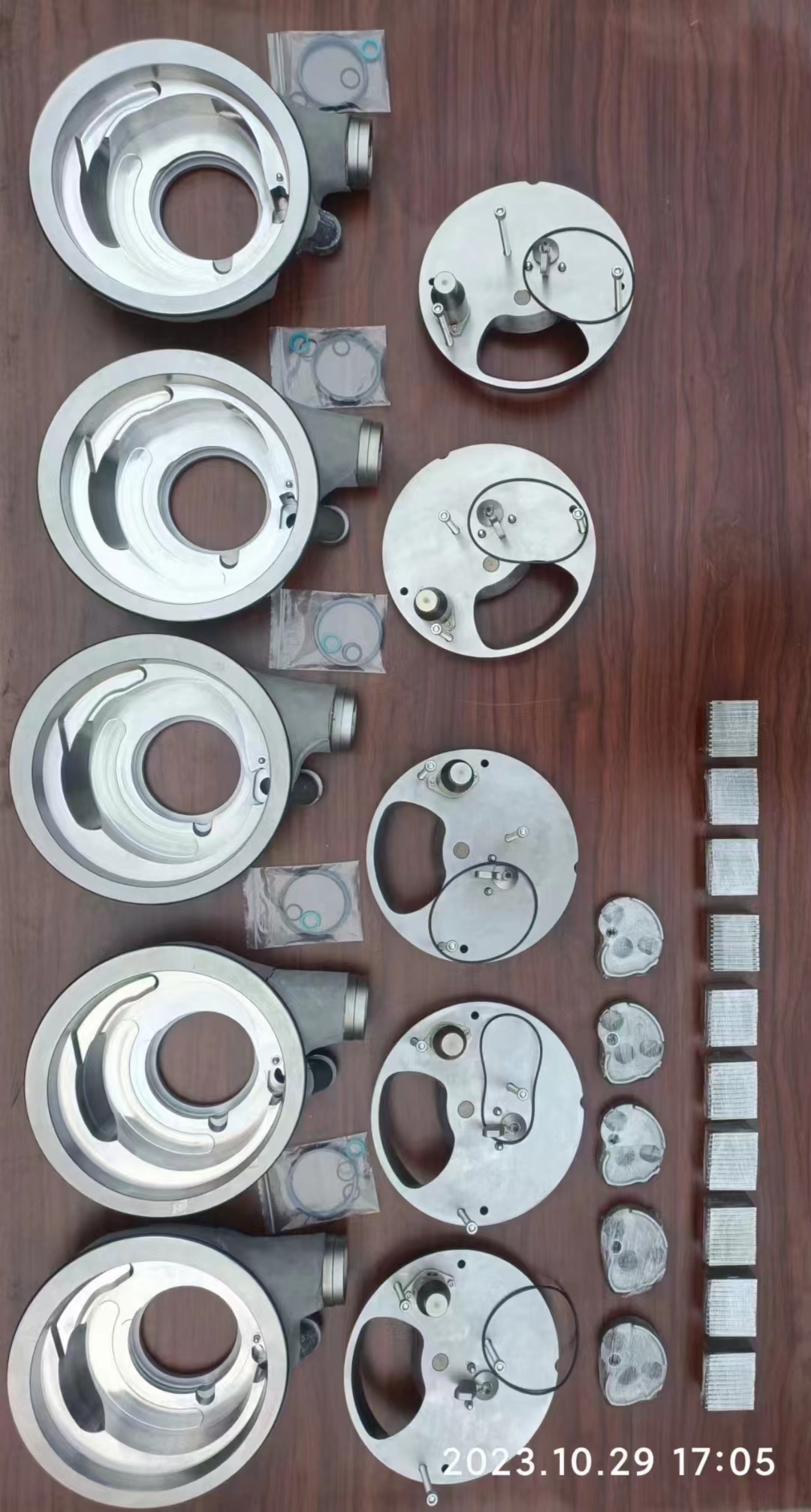
Image: Meat pump Housing installed in a high-hygiene food production line.
- Outcome: The new housings facilitated a 20% improvement in pumping efficiency, resulting in measurable energy savings. The consistent, gentle product transfer contributed to maintaining the delicate texture of the yogurt, and the superior hygienic design received full EHEDG certification, surpassing client expectations for cleanliness and reliability.
- Client Feedback: "We've seen a noticeable improvement in product quality and energy efficiency since installing these housings. The EHEDG certification was a critical factor for us, and Bossin Machinery delivered."
Building Trust: Certifications, Support, and Warranty
In the B2B sector, particularly for critical components like a Meat pump Housing, trust is built on verifiable quality, robust support, and transparent commitments. Bossin Machinery adheres to the highest standards to ensure complete client confidence.
Authoritativeness & Certifications:
- ISO 9001 Certified: Our manufacturing processes are independently audited and certified to ISO 9001 for Quality Management Systems, ensuring consistent product quality and continuous improvement.
- FDA Compliance: All food contact materials, including the 316L stainless steel, meet FDA 21 CFR 177.2600 requirements, guaranteeing safety for use in food processing.
- EHEDG Guidelines: Our hygienic designs adhere to European Hygienic Engineering & Design Group (EHEDG) principles, promoting optimal cleanability and minimizing contamination risk.
- CE Mark: Products are CE marked, indicating conformity with European health, safety, and environmental protection standards.
- Strategic Partnerships: We collaborate with leading pump manufacturers and system integrators, leveraging combined expertise to deliver superior pumping solutions. Our history includes over 20 years of dedicated service to the food processing industry.
- Material Traceability: Full material traceability certificates (e.g., 3.1 certification) are provided with every shipment, ensuring complete transparency on material origin and composition.
Trustworthiness & Support:
- Lead Time & Fulfillment: Standard Meat pump Housing units typically have a lead time of 4-6 weeks, with expedited options available for urgent requirements. Custom orders are quoted with specific lead times based on complexity and material availability. Our robust supply chain and optimized manufacturing ensure timely delivery.
- Warranty Commitments: Bossin Machinery provides a standard 5-year warranty on all pump housings against manufacturing defects and material failures under normal operating conditions. Extended warranty options are available upon request.
- Customer Support: Our dedicated technical support team is available from 8:00 AM to 6:00 PM (GMT+8), Monday to Friday, for application assistance, troubleshooting, and spare parts inquiries. We offer remote diagnostics and on-site support by arrangement.
Frequently Asked Questions (FAQ):
- Q: What is the primary advantage of using 316L stainless steel for a Meat pump Housing?
- A: 316L stainless steel offers superior corrosion resistance compared to 304 SS, particularly against chlorides and various acids present in food products and cleaning agents. This extends the service life and maintains hygienic integrity.
- Q: Can your housings be adapted to non-standard pump designs?
- A: Yes, we specialize in customized solutions. Our engineering team can work with your specifications to design and manufacture housings that perfectly integrate with unique pump designs or existing infrastructure.
- Q: What surface finish is recommended for high-hygiene applications?
- A: For high-hygiene applications, an internal surface finish of Ra ≤ 0.8 µm is standard, but we recommend Ra ≤ 0.4 µm or electropolishing for pharmaceutical or highly sensitive food products to virtually eliminate bacterial adhesion sites.
- Q: What documentation is provided with each Meat pump Housing?
- A: Each unit comes with a comprehensive documentation package, including material certificates (3.1 certification), test reports (e.g., pressure test), dimensional inspection reports, and certificates of conformity (FDA, EHEDG, CE).
Conclusion
The selection and implementation of a high-quality Meat pump Housing are critical determinants of efficiency, hygiene, and longevity in modern food processing operations. By prioritizing advanced materials, precision manufacturing, and adherence to stringent international standards, manufacturers can significantly enhance system performance and reduce operational risks. The investment in superior components translates directly into improved product quality, minimized downtime, and substantial long-term cost savings. As the industry continues to evolve, the demand for robust, hygienic, and customizable pump housing solutions will only intensify, solidifying their role as indispensable assets in food production.
References:
- European Hygienic Engineering & Design Group (EHEDG) Document 8: Hygienic Design Principles.
- Food and Drug Administration (FDA) Title 21 Code of Federal Regulations, Part 177: Indirect Food Additives: Polymers.
- International Organization for Standardization (ISO) 9001: Quality Management Systems – Requirements.
- ASM Handbook, Volume 1: Properties and Selection: Irons, Steels, and High-Performance Alloys, ASM International.
Latest news
-
Comprehensive Guide to Wholesale Skip Car Solutions for Construction Efficiency
NewsMar.31,2026
-
Investing in a Wholesale Meat Salted Machine for Business Success
NewsMar.28,2026
-
Revolutionizing Burger Production with Wholesale Burger Making Forming Machine Solutions
NewsMar.26,2026
-
Comprehensive Guide to Wholesale Sausage Filler Price and Equipment Selection
NewsMar.24,2026
-
Investing in a Wholesale Beef Slicing Machine for Enhanced Business Efficiency
NewsMar.21,2026
-
Invest in a Wholesale Clipping Machine for Sausages to Optimize Production
NewsMar.19,2026