
Sep . 20, 2025 13:35 Back to list
Precision PLC Controlled Vacuum Tumbler for Food Processing
Introduction to Advanced Vacuum tumber PLC controled Systems
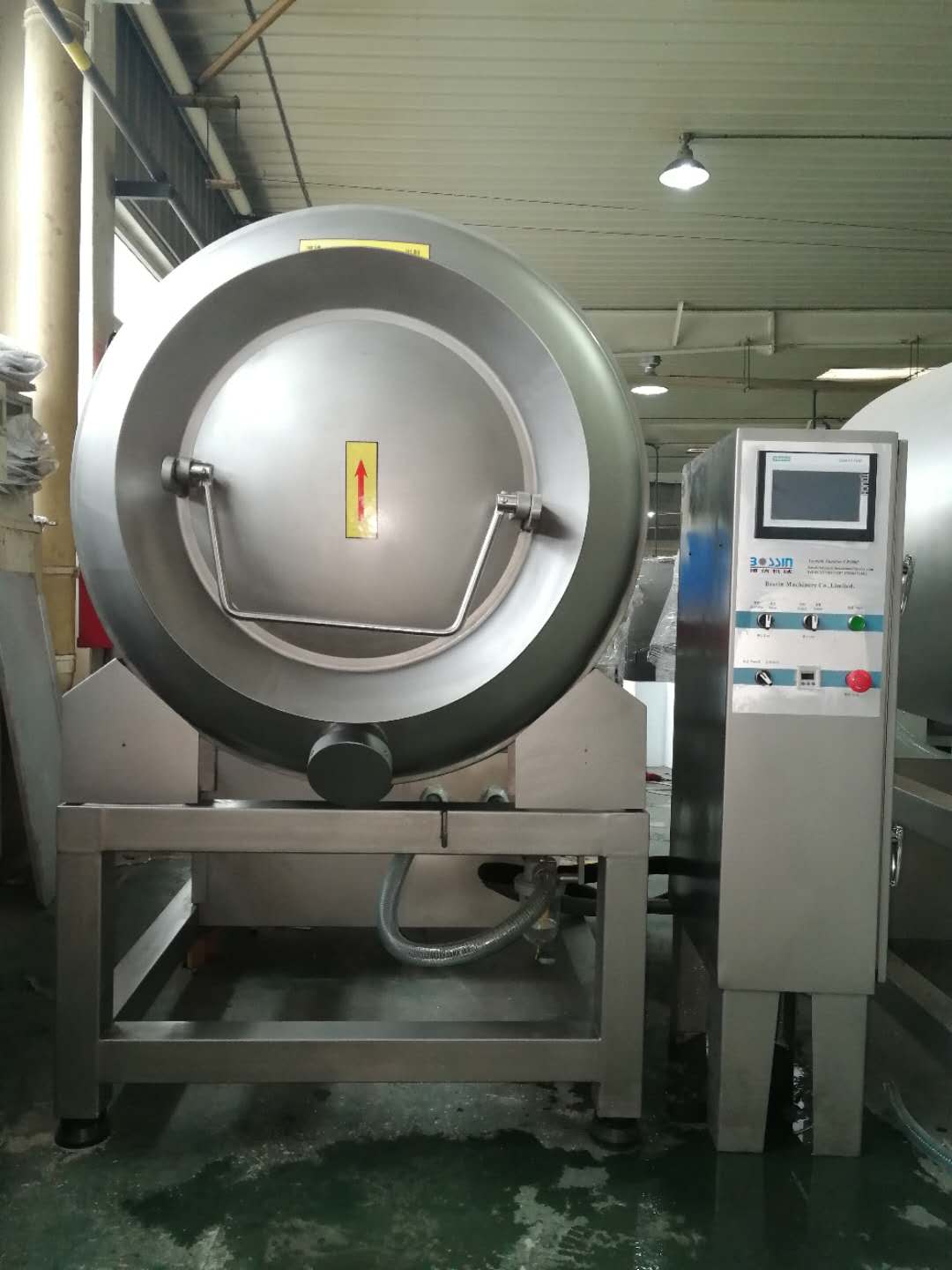
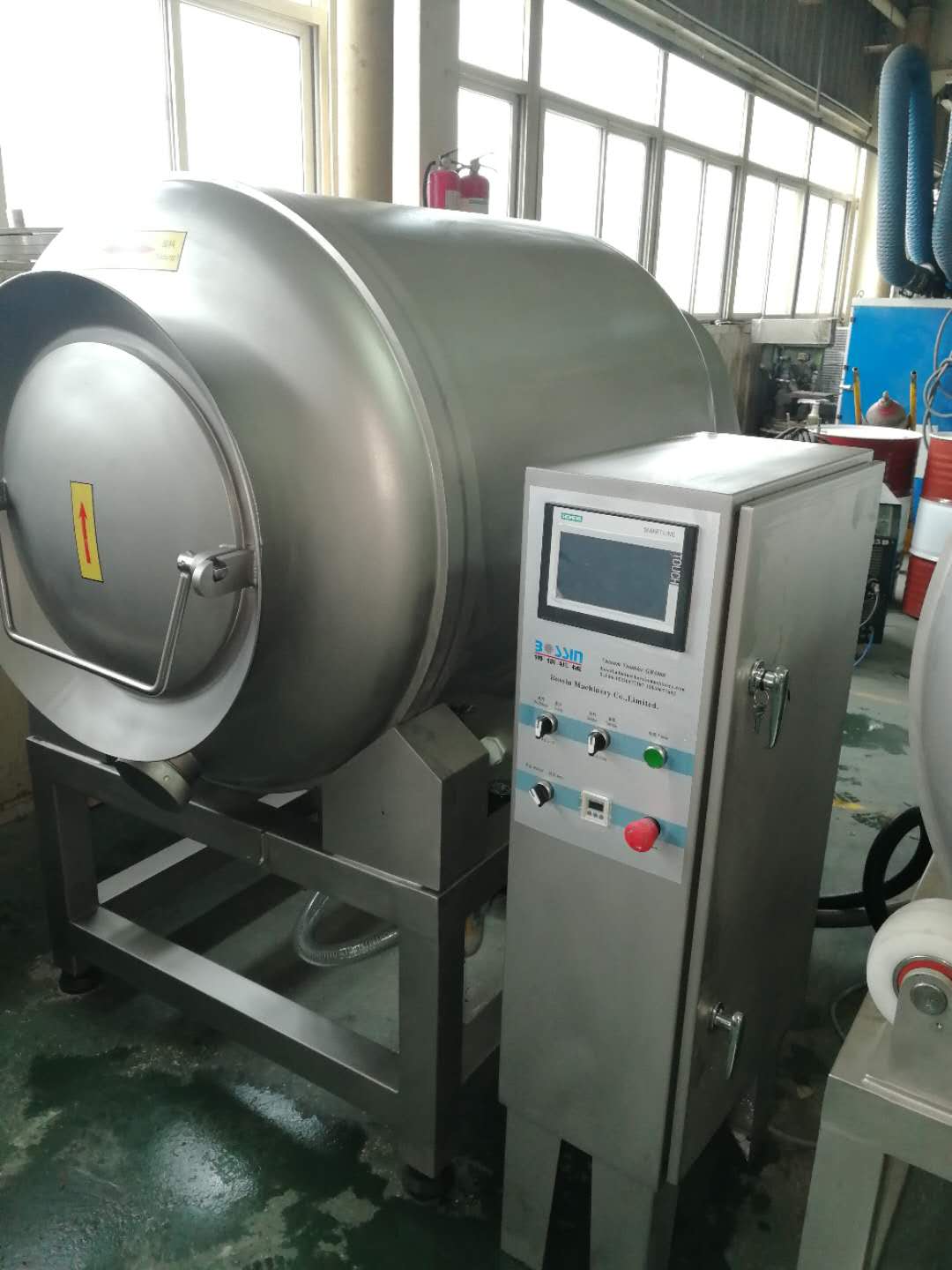
In the rapidly evolving landscape of food processing and material handling, the demand for precision, efficiency, and unwavering consistency is paramount. Industrial operations increasingly require equipment that not only executes its primary function flawlessly but also integrates advanced control, comprehensive data logging, and seamless connectivity within sophisticated production lines. The Vacuum tumber PLC controled system epitomizes this technological progression, representing a significant advancement in processing capabilities. These systems are meticulously engineered to optimize critical processes such as marinading, tenderizing, mixing, and coating for a diverse array of products, primarily within the meat, poultry, seafood, and prepared foods industries. By harnessing the power of Programmable Logic Controllers (PLCs), operators achieve unparalleled command over crucial processing parameters, thereby guaranteeing reproducible, high-quality output and strict adherence to stringent industry standards and regulatory compliance.
This comprehensive discourse aims to illuminate the intricate mechanical and electrical mechanisms, operational benefits, and strategic importance of modern PLC-controlled vacuum tumblers. We will delve into their complex manufacturing processes, detailed technical specifications, varied application scenarios, and the profound impact they exert on operational efficiency, product integrity, and profitability. Our objective is to furnish B2B decision-makers, production managers, and technical engineers with the authoritative and precise insights necessary for informed evaluation, selection, and strategic implementation of this indispensable processing equipment.
Detailed Process Flow: Manufacturing and Operation
The production of a high-quality Vacuum tumber PLC controled unit is a sophisticated endeavor, merging advanced material science with precision engineering principles. Equally critical is the operational process flow, which directly dictates product quality, consistency, and yield.
Manufacturing Process Steps:
- Material Specification and Sourcing: The paramount consideration is food safety and durability. Product-contact components are exclusively fabricated from certified food-grade stainless steel, typically SUS304 or SUS316L. These alloys are chosen for their exceptional corrosion resistance, superior hygienic characteristics, and ease of cleaning, complying rigorously with FDA, USDA, and 3-A Sanitary Standards. Non-contact structural elements may utilize high-strength, coated mild steel. All materials undergo strict incoming quality inspection.
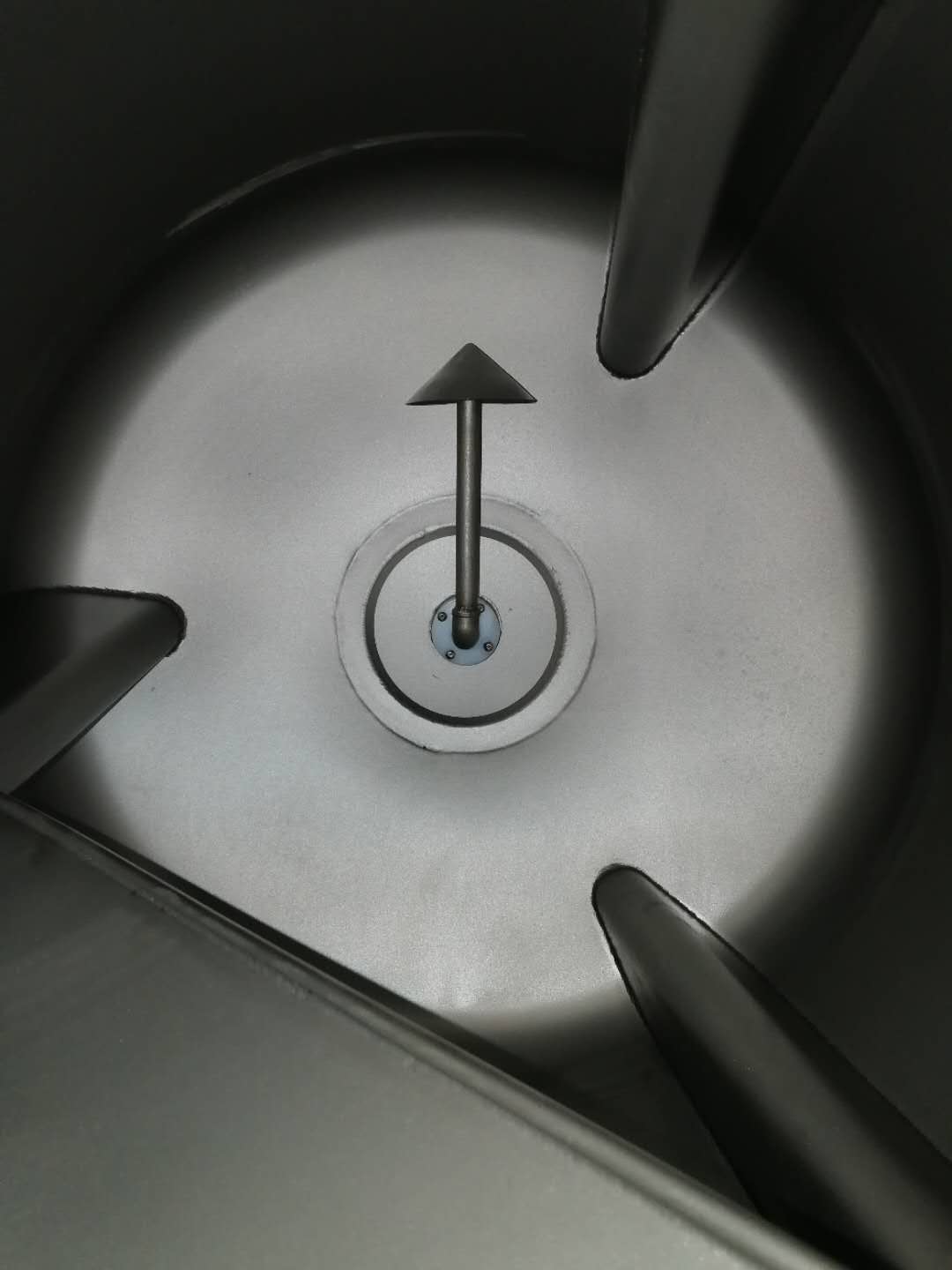
- Drum/Chamber Fabrication: The core of the tumbler, the drum or chamber, is manufactured using advanced sheet metal bending, forming, and automated TIG/MIG welding techniques. Critical internal surfaces and sealing areas are often precision-machined via CNC technology to ensure exact dimensions, perfect concentricity, and optimal sealing integrity under deep vacuum. Specialized internal baffles are designed and integrated to optimize tumbling kinematics.
- Structural Frame Construction: The robust support frame is constructed from heavy-gauge stainless steel or appropriately coated structural steel tubing/sections. Components are precisely cut using laser or plasma cutters, then meticulously welded. Post-welding, stress-relieving treatments are frequently applied to eliminate residual stresses, ensuring long-term structural stability and vibration damping under dynamic loads.
- Drive and Vacuum System Component Manufacturing: Gears, shafts, and motor mounts are typically CNC machined from high-strength, wear-resistant alloys. Critical wear surfaces may undergo specialized hardening processes such as induction hardening or nitriding. The vacuum pump system (often a liquid ring or dry screw pump) is specified for reliable deep vacuum performance and energy efficiency.
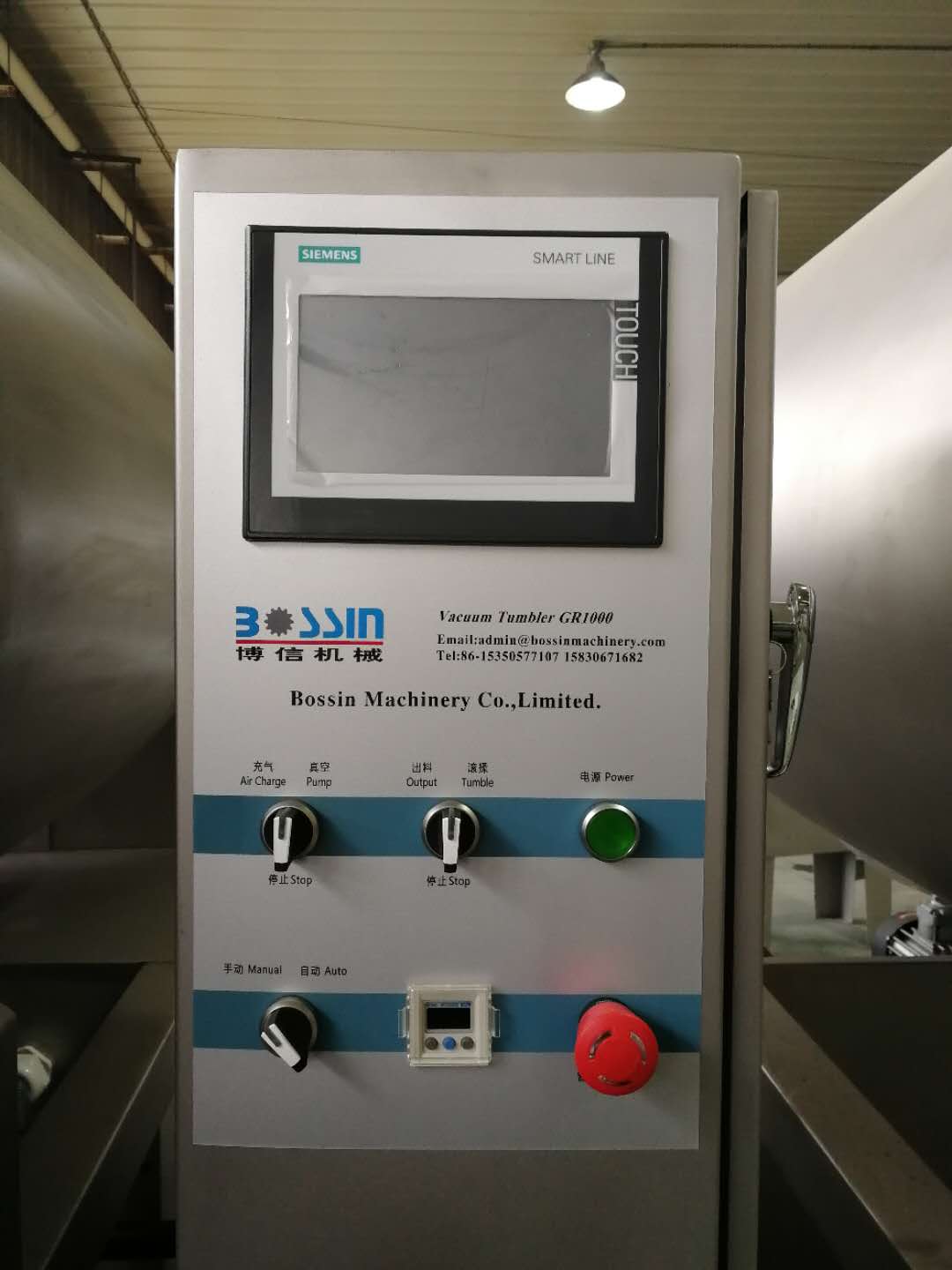
- PLC Control Panel Assembly & Programming: This involves integrating industrial-grade PLCs (e.g., Siemens S7 series, Allen-Bradley CompactLogix), intuitive Human-Machine Interface (HMI) touchscreens, Variable Frequency Drives (VFDs) for precise motor speed control, advanced vacuum pump controllers, and comprehensive safety interlocks. All electrical wiring, component selection, and panel fabrication strictly adhere to international electrical safety standards (e.g., IEC 60204-1, UL 508A). The PLC is programmed with proprietary algorithms for optimal tumbling and vacuum profiles.
- Final Assembly and Integration: All fabricated components, including the drum, frame, drive system, vacuum pump, and control panel, are meticulously assembled. High-performance sealing mechanisms (e.g., food-grade silicone gaskets, advanced lip seals) are installed and verified. Any optional features like chilling jackets, automated loading, or CIP systems are integrated at this stage.
-
Rigorous Quality Assurance and Performance Testing: Every completed unit undergoes a comprehensive suite of tests:
- Vacuum Leak Testing: Conducted to exacting standards (e.g., ASTM E498/E499) to ensure vacuum integrity.
- Functional & Electrical Testing: Verification of all mechanical movements, electrical circuits, and safety interlocks.
- Software Validation: The PLC program is thoroughly tested against design specifications for all operational modes and recipes.
- Performance Parameter Verification: Precision testing of drum rotation speed accuracy, vacuum achievement rate and stability, temperature control uniformity (if applicable), and noise levels.
- Hygienic Design Audit: Final inspection to confirm adherence to hygienic design principles and relevant sanitary standards.
These stringent manufacturing standards ensure exceptional durability and reliability, with a typical service life exceeding 15-20 years for units supplied to target industries such as meat and poultry processing, seafood, ready-to-eat meals, and even niche chemical processing sectors requiring precise mixing under controlled atmospheric conditions.
Operational Process Flow (Typical Application Scenario - Marinading):
- Product and Marinade Loading: Raw product (e.g., meat cuts, poultry, seafood, plant-based proteins) and pre-prepared marinade ingredients are hygienically loaded into the tumbler drum. Advanced systems can integrate load cells for precise ingredient scaling, monitored by the PLC.
- Recipe Selection & Initialization: Operators select a pre-defined processing recipe via the HMI touchscreen, or manually input parameters for vacuum level, drum rotation speed, tumbling direction, and total cycle time. The PLC verifies parameter feasibility.
- Vacuum Cycle Initiation: The industrial-grade vacuum pump activates, rapidly evacuating air from the drum, typically achieving a controlled vacuum level between 0.7 to 0.9 bar absolute. This negative pressure causes muscle fibers to expand and liquids to be drawn deeply into the product matrix, accelerating marinade absorption by creating a 'sponging' effect. The PLC precisely modulates and maintains the target vacuum.
- Automated Tumbling Sequence: The drum commences rotation at a PLC-controlled speed (e.g., 4-12 RPM), gently massaging the product. The PLC manages intricate tumbling sequences, incorporating intermittent tumbling and carefully calibrated rest periods, often with alternating rotation directions. This optimizes marinade penetration, protein extraction (for tenderization and binding), and ensures uniform distribution without product damage.
- Temperature Regulation (Optional): For specific applications, a chilling jacket can precisely maintain product temperature within a narrow range (e.g., 0-4°C). The PLC integrates RTD (Resistance Temperature Detector) sensors and controls the refrigeration unit, critical for food safety and optimal marinade stability.
- Continuous Process Monitoring and Data Logging: Throughout the entire cycle, the PLC continuously monitors all critical operational parameters—vacuum level, temperature, drum rotation speed, cumulative cycle time, and energy consumption. This data is logged in real-time, providing comprehensive records for quality assurance, regulatory compliance (e.g., HACCP), and detailed traceability. Deviations from setpoints trigger immediate alarms.
- Vacuum Release and Product Unloading: Upon completion of the programmed cycle, the PLC safely releases the vacuum pressure. The drum then automatically tilts or reverses its rotation for efficient product discharge into designated collection bins, conveyors, or further processing equipment.
- Automated Clean-in-Place (CIP) Cycle: Many advanced units feature integrated CIP capabilities. The PLC can initiate fully automated wash, rinse, and sanitize cycles, guaranteeing optimal hygiene and minimizing manual cleaning labor and potential for human error.
This highly structured and precisely controlled process not only yields superior product attributes—such as enhanced flavor, tender texture, and extended shelf life—but also delivers significant operational advantages, including energy saving through optimized cycles and inherent corrosion resistance due to premium material choices, ensuring peak performance in demanding industrial environments.
Industry Trends and Market Dynamics
The global food processing industry is undergoing profound transformation, driven by a confluence of evolving consumer demands, increasingly stringent regulatory landscapes, and an relentless pursuit of operational excellence. Several key macro and micro trends are significantly influencing the adoption and sophisticated development of PLC-controlled vacuum tumblers:
- Hyper-Automation and Industry 4.0 Integration: There is an escalating industry-wide imperative for intelligent, interconnected manufacturing equipment. PLC-controlled systems are foundational to this paradigm shift, enabling real-time process monitoring, advanced data analytics, predictive maintenance strategies, and seamless vertical and horizontal integration with higher-level systems such as SCADA (Supervisory Control and Data Acquisition) and MES (Manufacturing Execution Systems). This paradigm significantly reduces manual labor dependencies, minimizes human error, and optimizes overall production flow.
- Enhanced Food Safety and Traceability Mandates: Global regulatory bodies, including the FDA, EFSA, and regional equivalents, are consistently imposing more rigorous food safety and hygiene standards. PLC-driven systems facilitate unparalleled compliance by precisely controlling, validating, and logging every critical processing parameter. This provides immutable, auditable records for every batch, bolstering traceability from raw material inception through to final product distribution, which is crucial for HACCP (Hazard Analysis and Critical Control Points) implementation.
- Unwavering Product Quality and Consistency: Modern consumers expect uncompromised and consistent product quality. Vacuum tumbling, when precisely orchestrated by a PLC, guarantees uniform marinade distribution, consistent texture development, and optimized flavor profiles across all production batches. This meticulous control drastically minimizes product variability, reduces rework, and eliminates waste, directly impacting brand reputation and consumer loyalty.
- Sustainability and Resource Optimization: A growing focus on sustainable manufacturing practices necessitates equipment that minimizes resource consumption. Optimized tumbling cycles, coupled with energy-efficient vacuum pumps and variable speed drives, all intelligently managed by PLCs, contribute to significantly lower energy consumption (up to 30% reduction in some cases) and more effective marinade absorption, thereby reducing ingredient waste and minimizing effluent discharge.
- Flexibility and Customization for Diverse Product Portfolios: The dynamic market demands versatility to handle an increasingly diverse range of products and complex recipes. PLC-controlled tumblers offer immense operational flexibility through their programmable recipe management capabilities, allowing processors to rapidly switch between different product types and processing requirements with minimal downtime for changeovers.
These prevalent industry trends unequivocally underscore the strategic imperative of investing in sophisticated processing equipment like the Vacuum tumber PLC controled system. Such machinery is inherently designed and engineered to not only meet but proactively exceed current and foreseeable future industry demands, ensuring long-term competitiveness and operational resilience.
Technical Specifications and Parameters
A comprehensive understanding of the technical specifications of a Vacuum tumber PLC controled unit is critically important for accurate performance evaluation, seamless integration into existing production ecosystems, and compliance verification. Below are typical parameters and specifications frequently encountered in advanced industrial models, compiled from industry-leading data and engineering benchmarks.
Key Product Specifications:
| Parameter | Description | Typical Range/Value |
|---|---|---|
| Drum Capacity (Gross) | Total internal volumetric capacity of the tumbling drum. | 100 L to 5,000 L (up to 10,000 L for custom ultra-large systems) |
| Working Capacity (Net) | Optimal product loading capacity for effective, gentle tumbling action. | Typically 50% - 70% of gross drum capacity |
| Achievable Vacuum Level | Minimum absolute pressure attainable within the sealed drum. | 0.05 to 0.95 bar absolute (down to 50 mbar absolute) |
| Tumbling Speed Range | Infinitely adjustable rotation speed of the drum. | 1 to 20 RPM (precisely controlled by Variable Frequency Drive) |
| Construction Material (Contact) | Primary material for all surfaces directly contacting the product. | Food-grade Stainless Steel SUS304 (standard) / SUS316L (optional) |
| Control System Architecture | Manufacturer and model of the Programmable Logic Controller. | Siemens S7-1200/1500, Allen-Bradley CompactLogix/ControlLogix |
| User Interface (HMI) | Human-Machine Interface for intuitive operation and monitoring. | Color Touchscreen HMI (7" to 15" diagonals, e.g., Siemens KTP/Comfort Panel, Rockwell PanelView Plus) |
| Electrical Power Supply | Required electrical voltage, phase, and frequency. | 3 Phase, 380-415V/50Hz or 440-480V/60Hz, Total Power 5kW - 50kW |
| Operational Temperature | Recommended ambient and achievable product temperature ranges. | Ambient: 0°C to 40°C. Product (with chilling): -5°C to 10°C |
| Noise Emission Level | Typical sound pressure levels during normal operation. | < 75 dB(A) at 1 meter (compliant with occupational health standards) |
| Connectivity & Data Logging | Supported communication protocols for data exchange. | EtherNet/IP, Profinet, Modbus TCP/IP, OPC UA (for SCADA/MES) |
These comprehensive specifications are indispensable for engineers and project managers to ensure optimal compatibility with existing plant infrastructure, accurately forecast energy consumption, and rigorously verify compliance with all pertinent operational safety, hygiene, and environmental regulations (e.g., CE marking, USDA/FDA guidelines, HACCP principles).
Application Scenarios and Industry Impact
The inherent versatility and precision of the Vacuum tumber PLC controled system render it an indispensable asset across an extensive spectrum of food processing applications. Its implementation consistently delivers tangible benefits in each operational context, ranging from enhanced product quality to significant improvements in process efficiency.
-
Meat & Poultry Processing:
This is arguably the most common and impactful application. Vacuum tumblers are extensively utilized for marinating chicken breasts, whole poultry, pork loins, beef cuts, and specialized deli meats. The controlled vacuum environment significantly tenderizes muscle fibers, boosting marinade uptake by an average of 15-30% and concurrently reducing traditional processing times by up to 50%. This results in demonstrably juicier, more flavorful products with improved texture. Furthermore, the oxygen-depleted processing environment intrinsically extends product shelf life by inhibiting aerobic microbial growth and reducing oxidative degradation.
-
Seafood Processing:
The gentle yet effective tumbling action makes these systems ideal for infusing delicate flavor profiles into shrimp, fish fillets, scallops, and various cephalopods. The PLC's precise speed control prevents product damage, a critical factor for fragile seafood, while ensuring homogeneous distribution of brines or marinades. This application often yields enhanced texture, reduced drip loss, and improved yield for high-value seafood products.
-
Prepared Foods & Ready Meals:
For the burgeoning market of pre-seasoned ingredients and ready-to-cook meal components, PLC-controlled tumblers ensure an unparalleled level of consistency in flavor, ingredient distribution, and textural attributes. This batch-to-batch reproducibility is paramount for consumer satisfaction and brand integrity in a highly competitive segment. The ability to recall and execute complex recipes with precision is a core advantage.
-
Dairy & Plant-Based Products:
In emergent applications, these tumblers are employed for the specialized mixing of certain cheese varieties, fermented products, or complex plant-based protein preparations. Here, precise ingredient blending, texture development, and controlled atmospheric conditions (e.g., specific gas mixes or vacuum levels) are crucial for achieving desired product characteristics and optimizing microbial activity in fermentation processes.
-
Confectionery & Snack Industries:
For coating nuts, dried fruits, granola, or other snack items with glazes, seasonings, or sweeteners, vacuum tumblers ensure remarkably uniform coverage and adherence. The controlled environment and gentle tumbling minimize breakage and maintain the integrity of delicate snack products while achieving consistent coating thickness.
In each of these diverse scenarios, the PLC's inherent capacity to precisely manage vacuum, rotational dynamics, and temperature directly translates into superior product yields, significantly enhanced sensory attributes, and substantial reductions in overall processing times. This suite of benefits offers a critical competitive advantage to processors operating in demanding markets.
Technical Advantages and Operational Excellence
The strategic integration of advanced PLC control within vacuum tumblers elevates these machines from fundamental mechanical devices to highly sophisticated, intelligent processing platforms. The resulting technical advantages are profound and directly contribute to achieving unparalleled operational excellence and substantial improvements in overall business profitability.
-
Unparalleled Process Control Precision: PLCs provide real-time, granular control over every critical parameter, ensuring optimal processing conditions:
- Vacuum Level: Achieved and maintained with exceptional accuracy (typically within +/- 0.01 bar), enabling consistent marinade absorption.
- Tumbling Speed & Direction: Infinitely variable and reversible control via VFDs, allowing for fine-tuning of mechanical action from gentle mixing to more vigorous tumbling, specifically tailored to product characteristics.
- Cycle Timing & Rest Periods: Fully programmable sequences to optimize processing kinetics, minimizing overall cycle duration while maximizing product quality.
- Temperature Regulation: Precise control (within +/- 0.5°C) of chilling or heating jackets, crucial for product safety, texture, and flavor stability.
- Advanced Recipe Management and Reproducibility: Modern PLC systems are capable of storing hundreds of distinct processing recipes. This robust feature allows operators to instantly recall precise settings for various products, guaranteeing absolute batch-to-batch consistency and significantly reducing setup times, mitigating human error, and streamlining production changeovers.
- Enhanced Food Safety, Traceability, and Hygiene: Integrated CIP (Clean-in-Place) functionality, frequently automated and validated by the PLC, ensures thorough, repeatable, and verifiable cleaning cycles. Detailed data logging of cleaning parameters provides essential records for comprehensive HACCP compliance. The inherent hygienic design, featuring polished food-grade materials (SUS304/316L) and minimal crevices, further minimizes potential contamination risks.
- Comprehensive Data Acquisition and Analytics: PLCs facilitate the automatic collection of extensive operational data, including real-time vacuum profiles, temperature trends, drum rotation patterns, precise cycle times, and alarm events. This invaluable data is critical for continuous process optimization, proactive troubleshooting, implementing predictive maintenance strategies, and fulfilling stringent regulatory reporting mandates. Seamless connectivity through industrial Ethernet protocols (e.g., Profinet, EtherNet/IP, OPC UA) enables robust integration with SCADA or MES systems.
- Significant Energy Efficiency Gains: The utilization of Variable Frequency Drives (VFDs), intelligently controlled by the PLC, optimizes motor speed to precisely match processing requirements, leading to energy consumption reductions of up to 30% compared to traditional fixed-speed systems. Efficient vacuum pumps, managed by the PLC to precisely maintain target vacuum levels with minimal cycling, further contribute to substantial energy savings.
- Reduced Labor Costs and Operational Overhead: The extensive automation of product loading, processing cycles, unloading, and cleaning procedures dramatically minimizes the need for manual intervention. This allows for the strategic redeployment of skilled labor to other critical production tasks, enhancing overall plant productivity and reducing labor-related operational overheads.
- Extended Product Shelf Life and Quality Retention: Processing under precisely controlled vacuum conditions effectively inhibits the proliferation of aerobic spoilage bacteria and significantly reduces oxidative degradation. This intrinsically extends the natural shelf life of perishable products, often without necessitating an increased reliance on chemical preservatives, thereby appealing to clean-label consumer preferences.
These cumulative advantages firmly establish the Vacuum tumber PLC controled as a highly strategic and critical investment for food processors committed to achieving superior product yields, maintaining uncompromising quality standards, and realizing substantially improved operational efficiencies while rigorously adhering to the highest global safety and hygiene regulations.
Vendor Comparison: Key Differentiators
The selection of an appropriate vendor for a Vacuum tumber PLC controled system is a critical strategic decision that extends far beyond merely evaluating the initial purchase price. A thorough assessment must encompass crucial factors such as technical specifications, long-term reliability, inherent customization capabilities, and the robustness of post-sales support. Below, we provide a comparative overview of typical vendor offerings, highlighting pivotal aspects for informed consideration by B2B buyers and technical procurement teams.
Industrial Vacuum Tumber Vendor Comparison
| Feature/Criterion | Vendor A (Premium Segment) | Vendor B (Mid-Range Offering) | Vendor C (Cost-Effective Option) |
|---|---|---|---|
| PLC Brand & Series | Siemens S7-1500 / Allen-Bradley ControlLogix | Siemens S7-1200 / Allen-Bradley CompactLogix | Local Brand / Delta / Fatek (Basic Series) |
| HMI Interface Quality | High-resolution, large (12-15 inch) multi-touch, advanced trending, intuitive GUI | Mid-resolution, standard (7-10 inch) touchscreen, functional, clear navigation | Basic monochrome/small color display, primarily push-button controls |
| Material (Product Contact) | SUS316L (standard), high-grade electro-polished interior finish | SUS304 (standard), fine brushed/standard finish | SUS304, utility finish, limited passivation treatment |
| Vacuum Pump Manufacturer | Busch / Leybold / Rietschle (Oil-lubricated rotary vane or advanced dry screw) | Reputable regional brand (Oil-lubricated rotary vane) | Standard local brand (Oil-lubricated, lower efficiency) |
| Network Connectivity & Integration | Full Ethernet/IP, Profinet, OPC UA for seamless SCADA/MES/ERP integration | Modbus TCP/IP, limited Ethernet connectivity, basic data export | RS-232/485 serial, manual data logging, minimal remote access |
| Certifications & Standards | USDA, CE, HACCP, Optional 3-A Sanitary Standards (certified design) | CE, HACCP compliant, adheres to general food safety guidelines | Basic CE marking, often self-declared conformity, limited specific food certifications |
| Warranty Coverage | 2-3 years comprehensive parts and labor, extended options available | 1-2 years parts, 1 year labor, standard coverage | 1 year limited parts warranty, labor typically extra |
| Customization Capabilities | Extensive, from bespoke drum geometry to full line automation integration, specific PLC vendor requests | Moderate, modifications to standard modules, some specialized options | Limited to minor dimensional or aesthetic changes, basic options |
This detailed comparison clearly illustrates that while a lower initial capital expenditure might appear attractive, the total cost of ownership (TCO) – encompassing factors such as long-term reliability, maintenance burden, spare parts availability, intrinsic energy efficiency, and the long-term strategic advantages derived from advanced control and comprehensive data capabilities – invariably favors vendors offering higher-tier systems with superior PLC integration and uncompromising component quality. Strategic buyers prioritize long-term value and operational resilience over short-term savings.
Customized Solutions and Integration Capabilities
A pivotal advantage of investing in a sophisticated, modern Vacuum tumber PLC controled system is its inherent flexibility for extensive customization and seamless integration into highly specific or complex existing production line architectures. Leading manufacturers recognize that "one-size-fits-all" solutions rarely perfectly align with the unique operational requirements and strategic objectives of diverse industrial processors.
Key Areas for Tailored Customization:
- Capacity Optimization and Footprint Rationalization: The tumbler drum size can be precisely scaled to match specific batch production requirements, ranging from compact laboratory or pilot-scale units to colossal industrial versions (e.g., 10,000L+). Furthermore, the overall machine footprint can be meticulously optimized to integrate efficiently within challenging or constrained plant layouts.
- Advanced Material Specifications and Surface Finishes: While SUS304 stainless steel is standard, SUS316L can be specifically mandated for environments involving highly corrosive marinades, exceptionally acidic products, or specialized pharmaceutical/chemical processing applications requiring superior chemical resistance. Internal surface finishes (e.e.g., mirror polishing, electro-polishing) can be customized for enhanced hygiene, reduced product adherence, and easier CIP cycles.
- Integration with Ancillary Processing Equipment: This includes the comprehensive integration of automated loading and unloading conveyor systems, advanced brine injection manifolds, external chilling or heating jackets, and product buffering systems. The PLC system is expertly designed to function as the central intelligent control hub, orchestrating the synchronized operation of all interconnected components.
- Specialized Sensor Integration: Customization extends to integrating advanced sensors for real-time monitoring of additional product parameters such as pH levels, conductivity, dissolved oxygen, or even continuous texture analysis. The PLC's robust architecture allows for seamless incorporation of these inputs into the control logic, enabling even finer process adjustments and real-time quality assurance.
- Specific PLC/HMI Vendor Preference: Many large-scale processing facilities have standardized on specific automation platforms (e.g., Rockwell Automation, Siemens, Schneider Electric). Reputable vendors of vacuum tumblers offer the flexibility to integrate preferred PLC and HMI brands, ensuring seamless compatibility with existing plant-wide automation infrastructure, simplifying maintenance, and reducing operator training requirements.
- Tailored Data Reporting and Enterprise Connectivity: Customized data export formats, bespoke reporting dashboards, and direct integration with existing SCADA, MES, or ERP systems are common, leveraging the PLC's extensive array of industrial communication protocols (e.g., OPC UA, Modbus TCP/IP, Ethernet/IP). This enables comprehensive data analysis, enhanced traceability, and superior operational visibility.
- Enhanced Safety Features and Compliance: Beyond standard safety interlocks and emergency stops, specific regional or corporate safety protocols, intricate guarding mechanisms, and specialized risk mitigation features can be intricately incorporated into both the PLC programming and the physical machine design, ensuring compliance with local and international safety regulations.
By actively engaging with manufacturing partners capable of delivering extensive customization, businesses can acquire advanced processing equipment that is perfectly aligned with their unique operational challenges, maximizes throughput, optimizes product quality, and ultimately delivers a superior return on investment through unparalleled efficiency and adaptability.
Application Case Studies: Real-World Impact
These illustrative real-world application case studies vividly demonstrate the profound and tangible benefits realized through the strategic integration of advanced PLC-controlled vacuum tumblers into diverse food processing operations. They consistently highlight significant gains in operational efficiency, marked improvements in product quality, and enhanced adherence to stringent industry standards and regulatory mandates.
Case Study 1: Large-Scale Poultry Processor - Yield & Consistency Improvement
A leading international poultry processing plant, operating at high volumes, frequently encountered critical challenges related to inconsistent marinade uptake in their chicken breast fillets. This variability often resulted in disparate product quality, leading to increased customer complaints and costly rework. To address these issues, the company made a strategic investment in two 2500L Vacuum tumber PLC controled units, which were seamlessly integrated with their existing automated brine injection and product handling systems.
- Solution Implemented: The advanced PLC systems were meticulously programmed with a suite of optimized vacuum and tumbling cycles, specifically tailored for various chicken product formats. The intuitive HMI interface allowed operators to effortlessly select and initiate complex recipes. Furthermore, continuous data logging provided real-time insights into critical process parameters, enabling proactive adjustments and performance analysis.
-
Tangible Results Achieved:
- Significant Marinade Uptake Increase: Average marinade uptake demonstrably improved from a baseline of 12% to an impressive 18%, leading to consistently juicier and more palatable products.
- Reduced Processing Time: Optimized vacuum profiles and precise rotational control facilitated a 25% reduction in overall tumbling cycle times, enhancing throughput.
- Drastically Improved Consistency: Product quality variability plummeted by 30%, resulting in a substantial reduction in rejected batches and a marked increase in overall customer satisfaction scores.
- Enhanced Traceability & Compliance: The automated data logging capabilities streamlined compliance with stringent USDA regulations, providing irrefutable records for every production batch.
Case Study 2: Specialty Seafood Producer - Delicate Product Integrity & Shelf Life
A renowned producer specializing in premium marinated salmon and shrimp sought to elevate flavor penetration and tenderization without compromising the delicate structural integrity of their high-value seafood products. Their solution was the implementation of a 500L PLC-controlled vacuum tumbler, critically featuring a specialized gentle tumbling paddle design and integrated chilling capabilities.
- Solution Implemented: The PLC was meticulously programmed for exceptionally low RPMs (2-4 RPM) and carefully calculated vacuum intervals, ensuring an exquisitely gentle processing action. The system also incorporated an advanced integrated chilling jacket, which, under PLC control, maintained a consistent product temperature of 2°C throughout the entire tumbling cycle, crucial for freshness and safety.
-
Tangible Results Achieved:
- Superior Flavor Profile: The consistent and deep infusion of marinades led to a statistically significant improvement in product flavor scores during rigorous sensory evaluations.
- Drastically Reduced Product Damage: The precisely controlled, ultra-gentle tumbling action, orchestrated by the PLC, virtually eliminated any incidence of breakage, bruising, or textural degradation of the delicate seafood.
- Extended Product Shelf Life: The synergistic effect of the controlled vacuum environment combined with precise temperature management extended the shelf life of marinated seafood products by an average of 3 days, reducing spoilage and waste.
- Optimized Operational Efficiency: Automated processing cycles significantly reduced manual labor requirements and minimized the potential for human error in recipe execution, improving overall line efficiency.
Trust and Support: FAQ, Lead Time, Warranty, and After-Sales
Frequently Asked Questions (FAQ)
- Q: What is the paramount advantage of PLC control compared to traditional manual or semi-automatic vacuum tumbler systems?
- A: PLC control offers unparalleled precision, superior repeatability, automated data logging for comprehensive traceability, sophisticated recipe management capabilities, and extensive automation. These features collectively minimize human error, ensure consistent product quality across all production batches, and optimize resource utilization.
- Q: Can a single vacuum tumbler system effectively process a diverse range of product types?
- A: Absolutely. With its highly programmable PLC, the system can be configured with numerous distinct recipes. This enables it to proficiently process a wide array of products, from highly delicate seafood to robust meat cuts and dense plant-based proteins, by precisely adjusting vacuum levels, tumbling speeds, and overall cycle times to match specific product requirements.
- Q: How user-friendly and effective is the system's cleaning and sanitization process?
- A: Our units are engineered with exemplary hygienic designs, utilizing premium food-grade stainless steel (SUS304/316L) with smooth, crevice-free surfaces. Furthermore, many models integrate fully automated Clean-in-Place (CIP) functionality, intelligently managed by the PLC, to ensure thorough, efficient, and verifiable sanitation with minimal manual intervention.
- Q: What are the typical maintenance requirements for a Vacuum tumber PLC controled system?
- A: Regular preventative maintenance typically includes routine checks of vacuum pump oil levels, diligent inspection and replacement of seals and gaskets, lubrication of all moving parts, and periodic verification of sensor calibration. Our comprehensive operational manuals provide detailed maintenance schedules, and our dedicated technical support team is readily available for expert guidance and troubleshooting.
Lead Time and Fulfillment Details
Standard lead times for our PLC-controlled vacuum tumblers typically range from 8 to 14 weeks from the date of confirmed order, contingent upon the model's specific capacity, the level of customization requested, and current production schedules. For highly bespoke or large-scale integrated solutions, lead times may extend to 16-20 weeks to ensure meticulous engineering and quality. We are committed to maintaining a transparent communication process throughout, providing regular updates from order confirmation through manufacturing progress, rigorous quality control checks, and final shipment logistics. Expedited manufacturing and delivery options may be available upon specific request, subject to production capacity and applicable surcharges.
Comprehensive Warranty Commitments
All newly purchased Vacuum tumber PLC controled systems are proudly supported by a comprehensive 1-year warranty. This warranty robustly covers all parts and associated labor costs, effective from the certified date of installation or 15 months from the date of shipment, whichever occurs first. We also offer various extended warranty plans and tailored preventative maintenance contracts, specifically designed to provide prolonged peace of mind, minimize potential downtime, and optimize the long-term operational performance of your investment. Our unwavering warranty commitment ensures that any manufacturing defects or component failures arising under normal operating conditions are promptly and expertly addressed by our network of certified field service technicians.
Unrivaled Customer Support and After-Sales Service
Our commitment to our clients extends significantly beyond the initial point of sale. We provide an extensive and robust suite of after-sales services meticulously designed to maximize your equipment's uptime, optimize its performance, and ensure its longevity:
- Dedicated Technical Support: We offer 24/7 phone and email support, featuring a team of highly experienced and dedicated technical engineers who are readily available to provide expert troubleshooting, remote diagnostic assistance, and technical guidance.
- Global On-site Service: Access to a worldwide network of highly skilled field service technicians available for professional installation, comprehensive commissioning, scheduled preventative maintenance visits, and rapid-response emergency repairs, ensuring minimal operational disruption.
- Expedited Spare Parts Availability: We maintain a comprehensive, strategically located inventory of genuine OEM spare parts, guaranteeing rapid dispatch and delivery to minimize any potential operational downtime. Critical and high-wear components are typically stocked regionally for immediate access.
- Professional Training Programs: We provide both on-site and remote comprehensive training programs for your operators and maintenance personnel. These programs cover all aspects of machine operation, advanced PLC programming fundamentals, effective troubleshooting techniques, and industry best practices for hygiene and safety.
- Software and Firmware Updates: We offer periodic firmware and software updates for the PLC and HMI systems. These updates are designed to enhance functionality, improve system security, ensure compliance with evolving standards, and integrate new operational features.
Our core objective is to cultivate enduring, mutually beneficial partnerships with our clients, providing the requisite technical expertise, steadfast support, and continuous innovation to ensure that your strategic investment in our advanced processing equipment consistently delivers superior results and robust operational performance for many years to come.
Authoritative References
- U.S. Food and Drug Administration (FDA) – Guidance for Industry: Sanitary Design and Construction of Equipment.
- U.S. Department of Agriculture (USDA) Food Safety and Inspection Service (FSIS) – Regulations for Meat and Poultry Products.
- International Organization for Standardization (ISO) 22000: Food safety management systems – Requirements for any organization in the food chain.
- ASTM International Standard E498/E499 – Test Methods for Leakage Rates and Testing of Vacuum Components in Vacuum Systems.
- NSF/ANSI 3-A Sanitary Standards – General Requirements for the Design and Fabrication of Dairy and Food Processing Equipment.
- Rockwell Automation, "Integrated Architecture for Food and Beverage Applications," Technical Publication.
- European Food Safety Authority (EFSA) – Scientific Opinions and Guidance on Food Safety and Processing.
Latest news
-
Comprehensive Guide to Wholesale Skip Car Solutions for Construction Efficiency
NewsMar.31,2026
-
Investing in a Wholesale Meat Salted Machine for Business Success
NewsMar.28,2026
-
Revolutionizing Burger Production with Wholesale Burger Making Forming Machine Solutions
NewsMar.26,2026
-
Comprehensive Guide to Wholesale Sausage Filler Price and Equipment Selection
NewsMar.24,2026
-
Investing in a Wholesale Beef Slicing Machine for Enhanced Business Efficiency
NewsMar.21,2026
-
Invest in a Wholesale Clipping Machine for Sausages to Optimize Production
NewsMar.19,2026