
Oct . 17, 2025 10:30 Back to list
Sausage Link Cutter JC999-05 – Fast, Precise, Hygienic
Sausage Link Cutter JC999-05 — fast, hygienic, precise
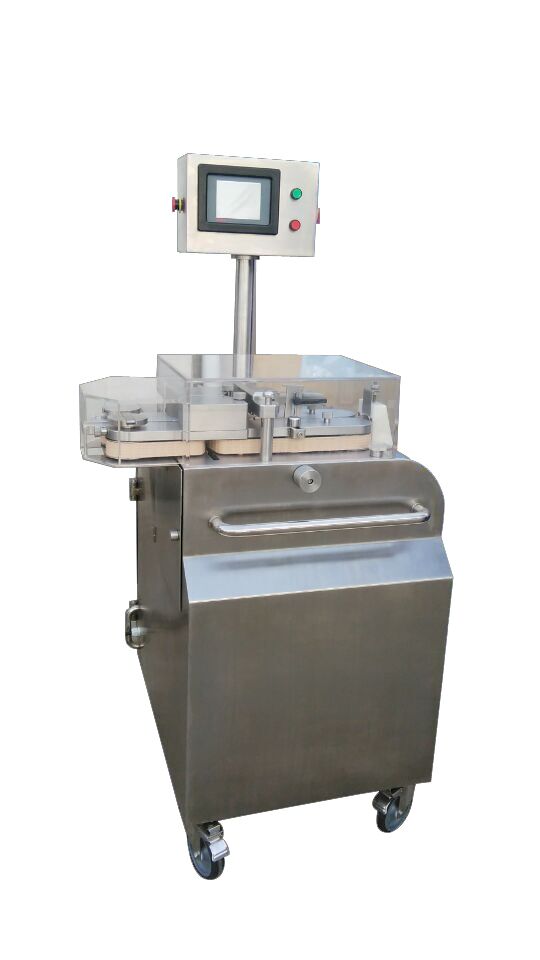
In plants I visit—from compact craft rooms to big-volume processors—link separation is where efficiency either hums or stumbles. The Sausage Link Cutter JC999-05 slots into that exact bottleneck, and, to be honest, does the unglamorous work that keeps an entire line on takt. Labor’s tight, auditors are sharper, and consistency matters more than ever.
Industry context (and why this matters)
Automation in sausage finishing has accelerated because of three things: sanitation scrutiny, multi-SKU flexibility, and the ongoing skills gap. Actually, many customers say they need a cutter that “just works” at different casing types without fiddly changeovers. The Sausage Link Cutter JC999-05 was built with that in mind—washdown-friendly frames, quick recipes, and predictable cut accuracy across collagen and natural casings.
Technical snapshot
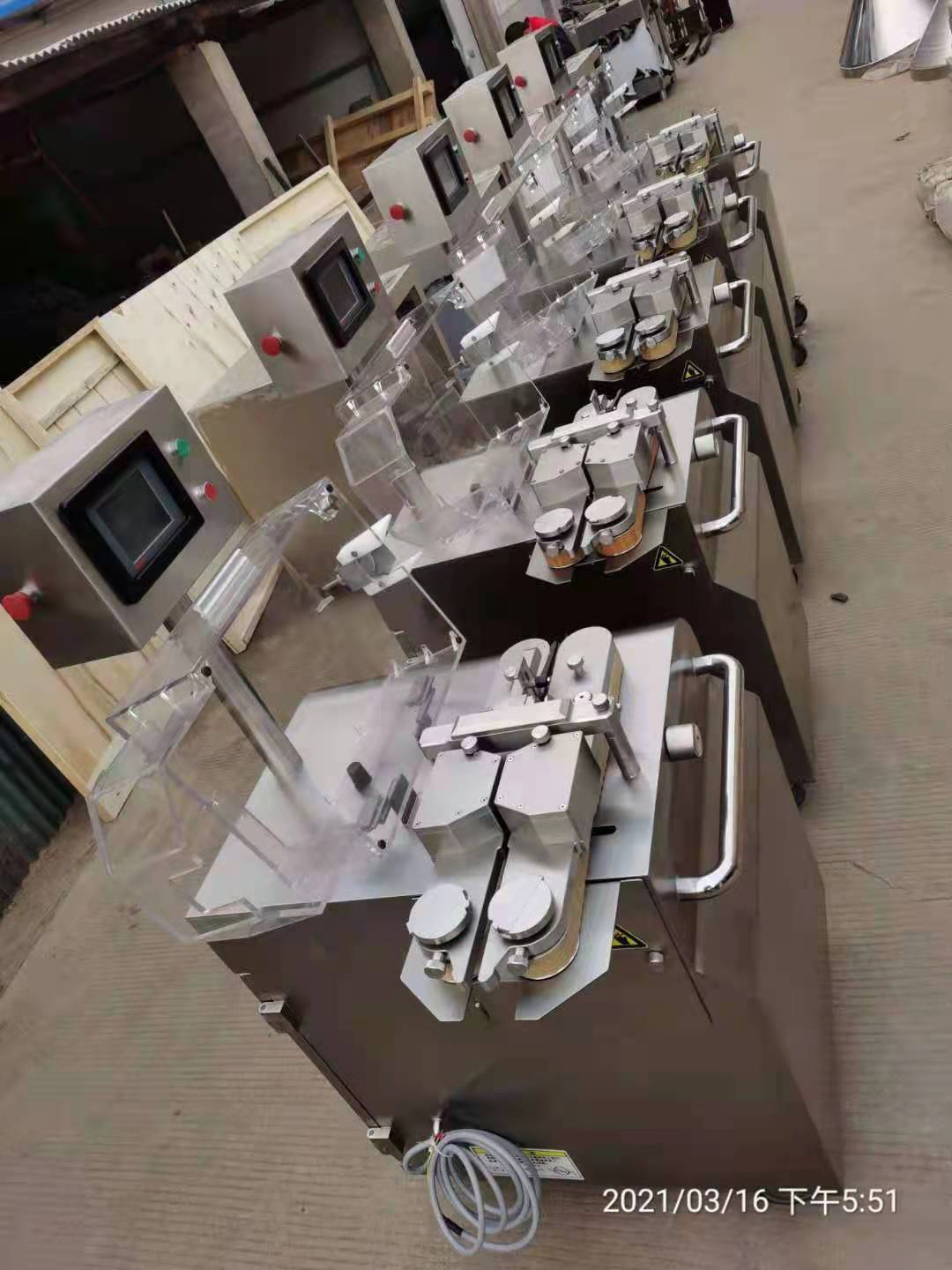
| Parameter | Spec (≈ real-world may vary) |
|---|---|
| Throughput | ≈ 400–900 links/min (line- and casing-dependent) |
| Diameter / Length Range | Ø 14–38 mm; 30–300 mm |
| Cut Accuracy | ±0.5–1.0 mm typical (collagen vs. natural) |
| Drive & Control | Servo-synchronized cutter; encoder input from linker |
| Materials | 304/316L stainless steel, food-contact components compliant |
| Utilities | 220/380 VAC 50/60 Hz; air ≈0.6 MPa |
| Protection | IP65 washdown design |
| Noise | ≤ 75 dB(A) at nominal speed |
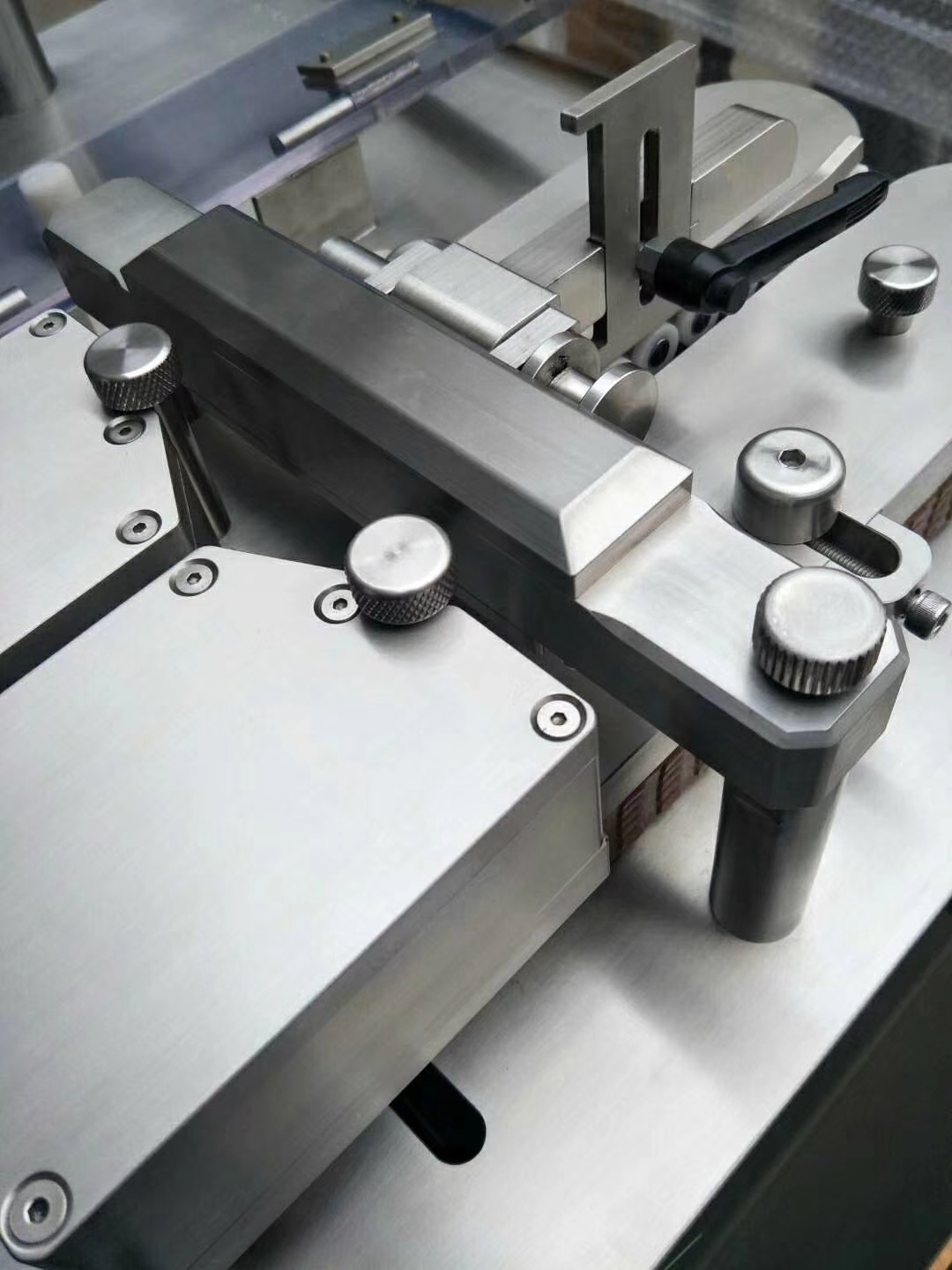
Process flow (simplified): the linker feeds a rope, the Sausage Link Cutter JC999-05 tracks via encoder, clamps to stabilize, then the blade executes a clean shear. Blades are food-grade hardened steel (HRC ≈55–60) with tool-less changeover. I appreciate the rounded frames, open welds, and minimal harborage—small details, big sanitation wins.
Applications and advantages
- Fresh, cooked, and semi-dry sausages; collagen, cellulose, and natural casings
- Reduce giveaway and tails; smoother downstream loading to racks or thermoformers
- Rapid product changeovers with recipe memory; fewer manual adjustments
Quality, testing, and standards
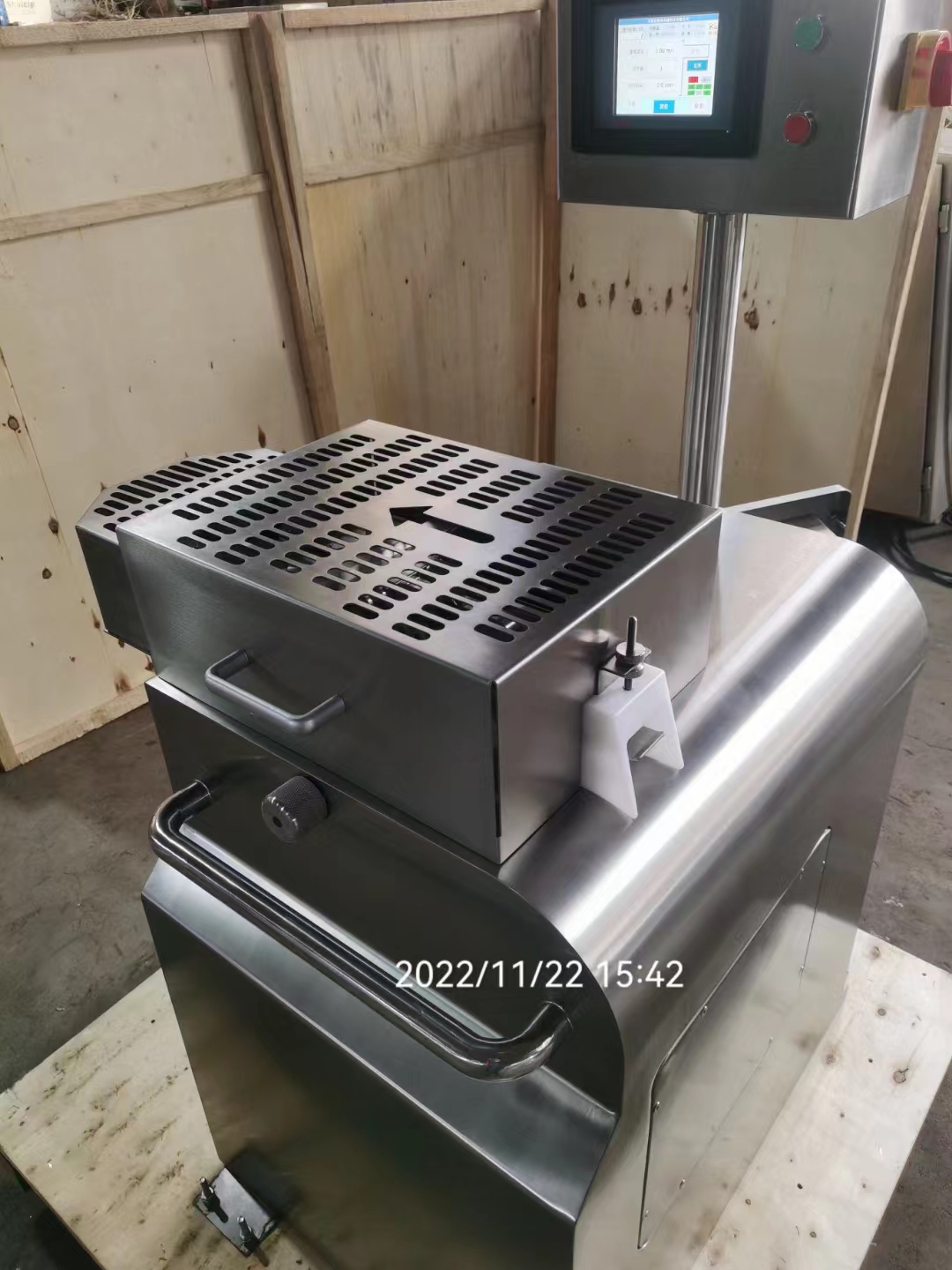
Design references include hygiene requirements for machinery and food safety systems. Plants typically align this cutter within ISO 22000 programs, validated by ATP swabbing and visual inspection. In factory acceptance tests I’ve seen, accuracy held within ±1 mm at mid-range speeds, and operators reported 20–30% less rework than manual cutting. Service life? Blades often last 1–3 million cuts per edge (depending on product and sanitation), while the machine itself—properly maintained—can run well past 8 years.
Vendor comparison (at-a-glance)
| Option | Speed | Hygiene Design | Skill Needed | Total Cost (≈) |
|---|---|---|---|---|
| Sausage Link Cutter JC999-05 | High (400–900 lpm) | Washdown, open-frame | Low | Mid, with fast payback |
| Generic pneumatic cutter | Medium | Mixed | Medium | Low–Mid |
| Manual scissors/knives | Low | Operator-dependent | High | Low upfront, high labor |
Customization and integration
Options often include infeed guides tailored to link pitch, height-adjustable stands, recipe presets per SKU, and interfaces to upstream linkers and downstream conveyors. From my notes, OEMs can tweak blade geometry for specialty products (think very soft emulsions). Origin matters too: built in No.311 Youyi North Street, Xinhua District, Shijiazhuang City, Hebei China—service parts availability has been steadier than I expected, frankly.
Real-world case
A regional pork processor reported boosting a line to ≈480 links/min with the Sausage Link Cutter JC999-05, trimming giveaway by around 0.8% and cutting changeover time from 12 to 6 minutes. “Less tailing, fewer rejects,” their production manager told me; payback landed under eight months—your mileage may vary, obviously.
Certifications and references
Typical compliance targets: CE (Machinery Directive), hygienic design per ISO 14159, integration into ISO 22000 FSMS, and cleaning aligned with EHEDG guidance and USDA/FSIS sanitation SOP expectations. Ask your vendor for the exact declaration and material certs (FDA/EU food-contact where relevant) for your market.
Authoritative citations
Latest news
-
Comprehensive Guide to Wholesale Skip Car Solutions for Construction Efficiency
NewsMar.31,2026
-
Investing in a Wholesale Meat Salted Machine for Business Success
NewsMar.28,2026
-
Revolutionizing Burger Production with Wholesale Burger Making Forming Machine Solutions
NewsMar.26,2026
-
Comprehensive Guide to Wholesale Sausage Filler Price and Equipment Selection
NewsMar.24,2026
-
Investing in a Wholesale Beef Slicing Machine for Enhanced Business Efficiency
NewsMar.21,2026
-
Invest in a Wholesale Clipping Machine for Sausages to Optimize Production
NewsMar.19,2026