
Oct . 10, 2025 12:20 Back to list
Sausage Smokehouse One Door Two Trolley—Even, Fast Smoking?
Two-trolley smokehouses are quietly winning the sausage room
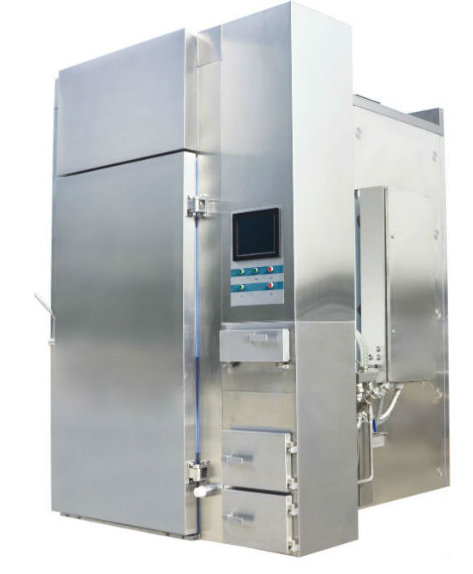
If you run hot-smoked lines, you’ve probably noticed the shift: mid-capacity ovens are where ROI is happening. I spent a week in Hebei talking with engineers and plant managers, and one unit kept coming up—Sausage Smokehouse one door two trolley. It’s a mouthful of a name, sure, but the balance of throughput, footprint, and control is, frankly, on point.
What’s driving the trend
Labor volatility, energy pricing, and stricter shelf-life targets. Processors want tighter temperature/humidity control without jumping to massive, power-hungry banks. Two trolleys per chamber hit that sweet spot. In fact, many customers say they get “big-oven consistency with small-oven agility.” It sounds like marketing, but the data below backs it up.
Technical snapshot (real-world oriented)
| Parameter | Spec (≈ or typical) |
|---|---|
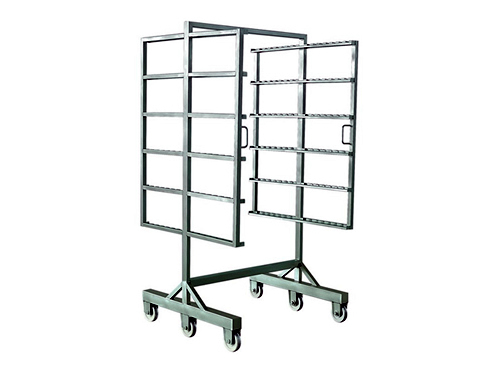
| Capacity | 2 trolleys (≈ 400–600 kg batch, product dependent) |
| Temp range & uniformity | 30–120°C; ±2.0–2.5°C across 12 probe points (real runs) |
| Humidity control | 30–98% RH with steam injection & vent modulation |
| Airflow | Reversible, high-static fans; ≈2.5–3.5 m/s duct velocity |
| Heating options | Electric/steam/gas; friction or sawdust smoke generator |
| Build | SUS304 contact surfaces, 80–100 mm insulation, silicone gaskets |
| Controls | PLC + 7–10" HMI, recipe library, batch logging, optional SCADA |
| Service life | ≈ 8–12 years with annual PM; consumables yearly |
| Certs | CE, food-contact compliance, HACCP-ready; ISO-based QA |
Process flow (how teams actually run it)
Materials: cured sausages on stainless sticks; optional protein casings.
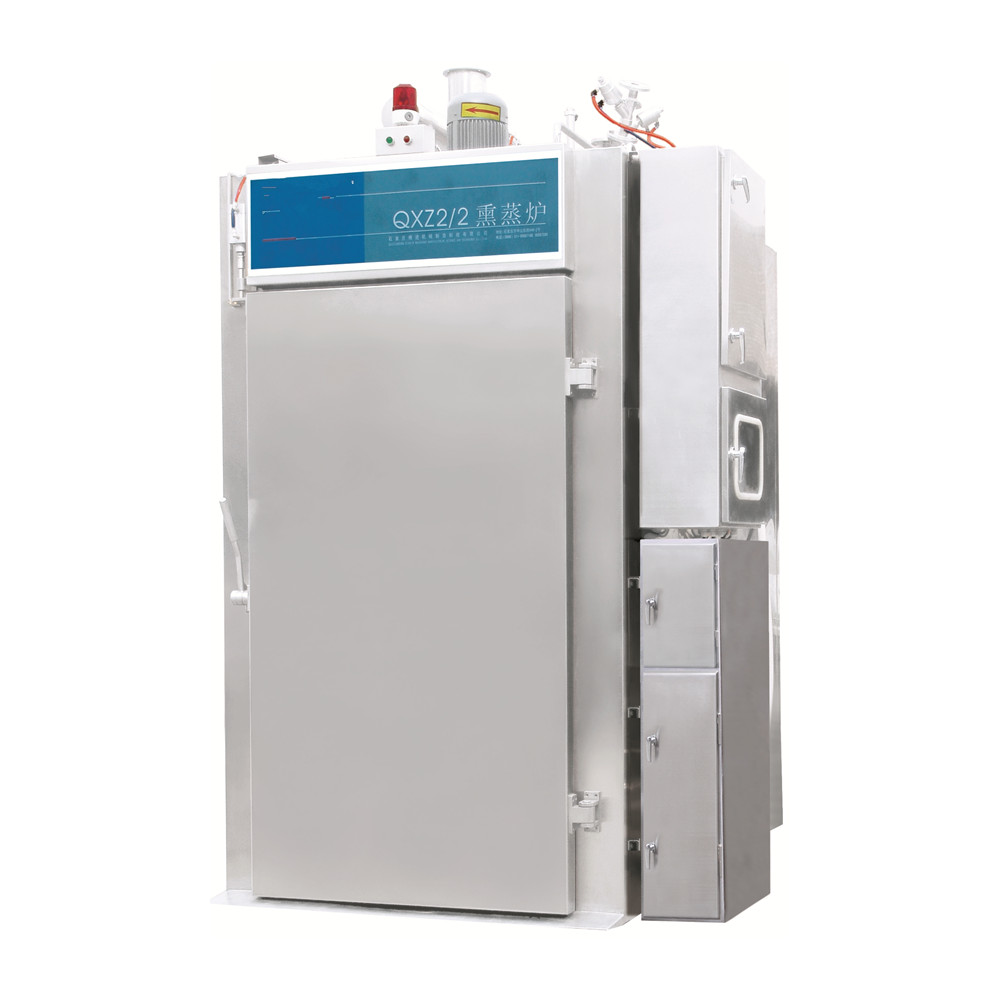
Steps: drying (40–55°C), smoking (60–75°C), cooking to core temp (per Appendix A), color-setting, and brief shower/cooling. Methods: fan reversal every 3–6 min, PID loops for temp/RH, smoke density tuned by sawdust feed. Testing: temp uniformity mapped with ISO 17025–calibrated loggers; lethality validated against USDA FSIS guidelines. Service checks: gasket integrity every quarter; CIP spray-ball option helps a lot, to be honest.
Applications and industries
Cooked and smoked sausages, frankfurters, bologna, kielbasa; also bacon, poultry parts, fish, and even semi-hard cheese. Seen in mid-size processors, commissaries, RTE plants, and private-label facilities.
Why this unit stands out
- Consistent color and snap—airflow patterning is surprisingly even.
- Energy balance—heat recovery and tight sealing cut kWh per kg.
- Traceability—batch reports for QA audits, which saves headaches.
- Customization—rack pitch, door swing, smoke type, and CIP are all tweakable.
| Vendor | Temp/RH consistency | Controls | Lead time | Certs |
|---|---|---|---|---|
| Sausage Smokehouse one door two trolley (Bossin) | ≈ ±2.0–2.5°C; stable RH | PLC/HMI, recipes, logging | ≈ 25–45 days | CE, HACCP-ready |
| Vendor A (EU) | ≈ ±2.0°C | Advanced SCADA, premium | ≈ 8–12 weeks | CE, EHEDG |
| Vendor B (US) | ≈ ±3.0°C | PLC basic | ≈ 6–10 weeks | UL, USDA compliant |
Customization and support
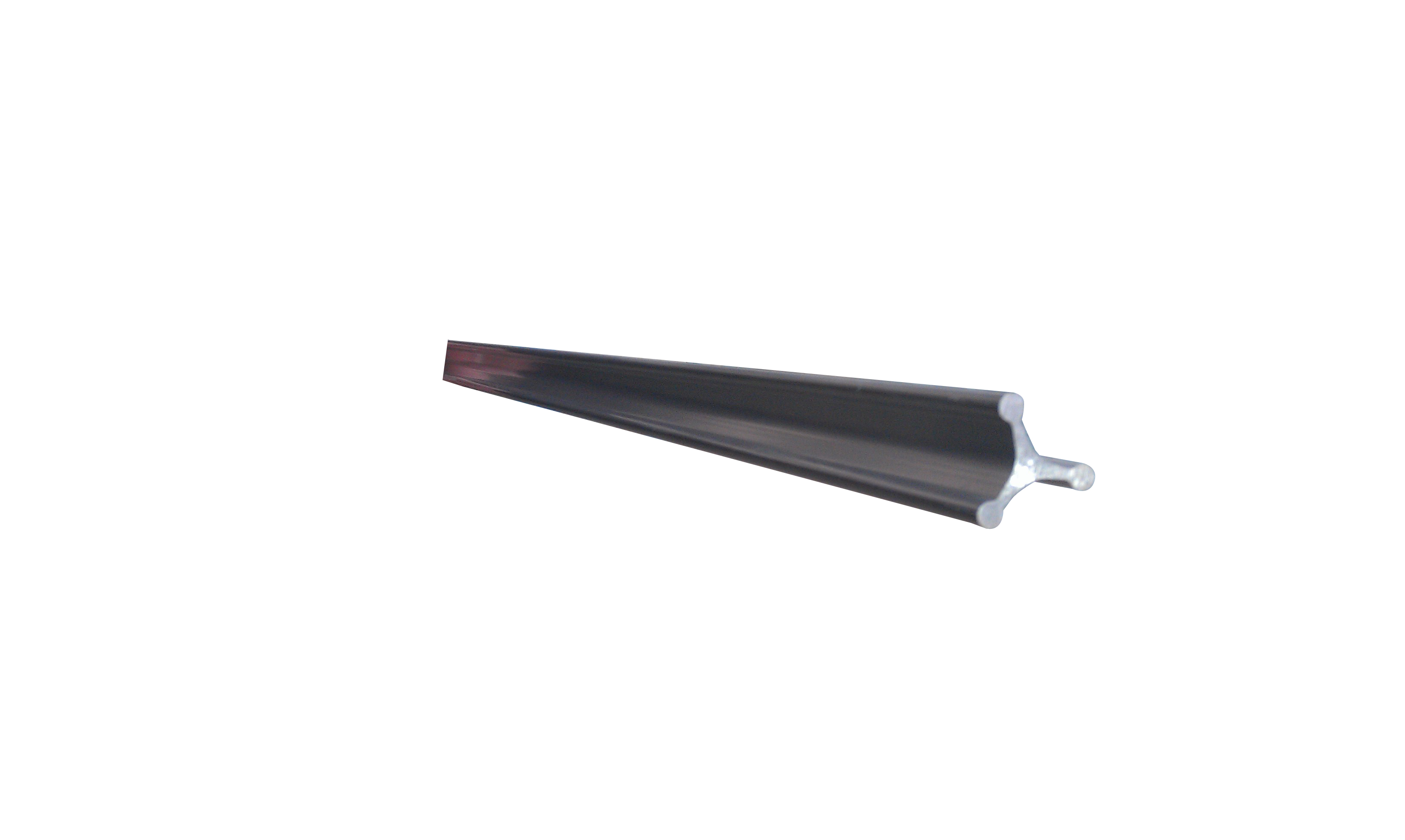
Options include trolley dimensions, gas vs. electric heating, friction vs. smoke generator, CIP manifolds, drain style, and remote monitoring. Origin: No.311 Youyi North Street, Xinhua District, Shijiazhuang City, Hebei China. After-sales is pragmatic—spare kits, remote PLC diagnostics, and, I guess, refresh training when recipes drift.
Case notes and feedback
A private-label plant ran Sausage Smokehouse one door two trolley alongside an older oven for three months. Result: cycle time down ≈8%, yield up ≈1.2% on emulsified sausages, color variance shrank by ~30% (CIELAB ΔE). QA loved the batch reports.
Standards and validation
Thermal lethality verified to USDA FSIS Appendix A; hygiene aligned with EN 1673 and EHEDG guidance. Temp mapping with ISO 17025–calibrated probes; CE Machinery Directive compliance on safety. That’s the box-checking buyers ask for, and rightly so.
Authoritative citations
- USDA FSIS, Appendix A: Compliance Guidelines for RTE Meat and Poultry.
- ISO 22000:2018 Food safety management systems.
- EU Machinery Directive 2006/42/EC (CE marking).
- EHEDG Doc. 8: Hygienic Design of Closed Equipment.
- EN 1673: Food processing machinery—Thermal equipment—Safety and hygiene requirements.
Latest news
-
Comprehensive Guide to Wholesale Skip Car Solutions for Construction Efficiency
NewsMar.31,2026
-
Investing in a Wholesale Meat Salted Machine for Business Success
NewsMar.28,2026
-
Revolutionizing Burger Production with Wholesale Burger Making Forming Machine Solutions
NewsMar.26,2026
-
Comprehensive Guide to Wholesale Sausage Filler Price and Equipment Selection
NewsMar.24,2026
-
Investing in a Wholesale Beef Slicing Machine for Enhanced Business Efficiency
NewsMar.21,2026
-
Invest in a Wholesale Clipping Machine for Sausages to Optimize Production
NewsMar.19,2026