
Oct . 24, 2025 14:40 Back to list
Sausage Smokehouse two doors four trolley | High Capacity
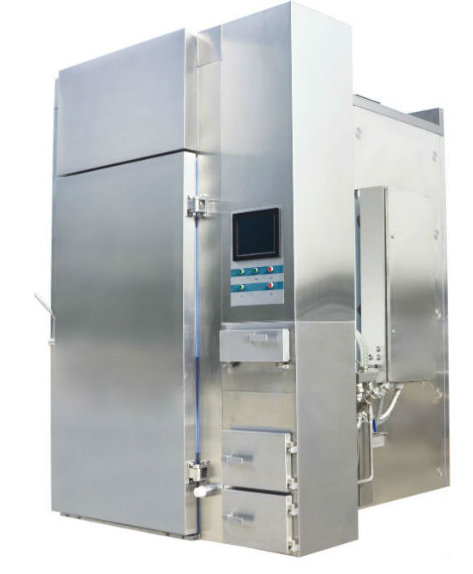
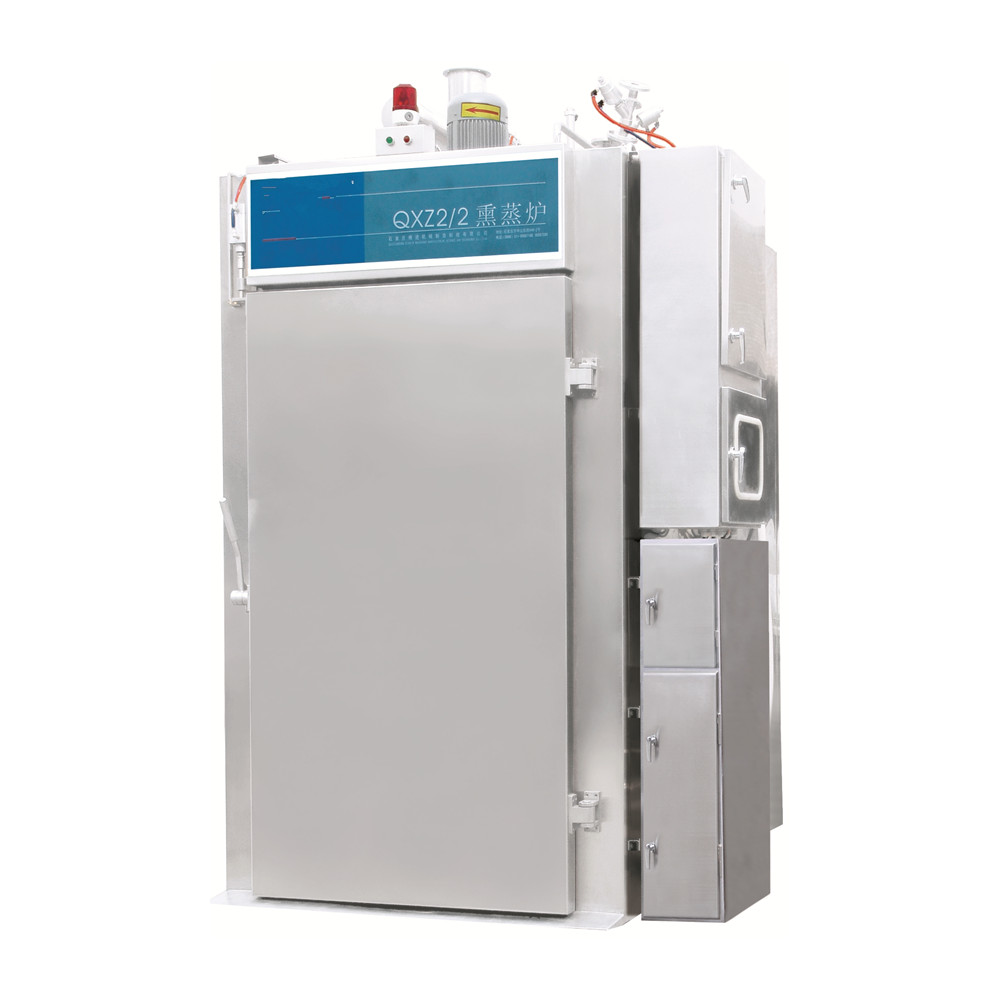
If you spend any time on a sausage line, you know the oven is where margins are made (or lost). The Sausage Smokehouse Two Doors Four Trolley from Bossin Machinery is one of those quietly reliable workhorses that keeps maintenance managers relaxed and production planners on schedule. It’s a multi-function chamber—cooking, smoking, and drying—built for four full trolleys and, to be honest, it feels engineered by people who have scrubbed racks at 2 a.m.
What it is—and why plants like it
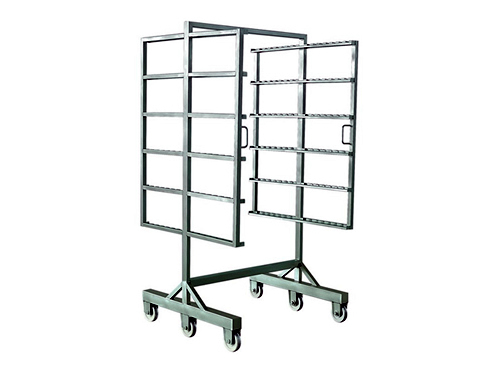
This chamber handles traditional smoked sausage, hot dogs, deli logs, and a surprising number of RTE poultry and jerky SKUs. The dual doors improve flow (load one side, unload the other), while four trolleys keep batch sizes practical for mid-to-large facilities. Many customers say yields are consistent and the post-wash clean-down is faster than older boxy smokehouses.
Key specifications (field-proven)
| Chamber capacity | 4 trolleys (≈ 800–1,200 kg per batch, real-world use may vary) |
| Temp range / uniformity | 30–180°C; ±2.5°C uniformity (9‑point mapping at 80°C, loaded) |
| Humidity & airflow | 40–95% RH with PID control; high-turbulence recirculation fans |
| Smoke options | Natural wood chip generator (friction/smolder) or liquid smoke atomization |
| Construction | SUS304 stainless steel, 1.5–2.0 mm; food-grade silicone gaskets; CIP spray balls |
| Power / steam | ≈45–60 kW electric; optional steam heating 0.3–0.6 MPa |
| Footprint | Two doors; trolley path-through; origin: No.311 Youyi North St, Xinhua District, Shijiazhuang, Hebei, China |
Process flow (how plants run it)
Materials: SUS304 shell and racks; FDA-grade seals; high-temp motors. Methods: preheat → dry → smoke → cook → shower/cool → dry-finish. Typical IT: 72–74°C for RTE pork/beef (check your HACCP). Testing: 9‑point thermocouple mapping, door seal leak test, smoke density check. Service life: around 8–12 years with routine fan bearing and gasket maintenance.
Where it’s used
- Mid-sized sausage plants chasing consistent color and snap- Co-packers needing flexible cycles (traditional smoke and liquid smoke)
- Poultry snack makers, jerky lines, deli meat cook-smoke operations
Advantages we noticed
Uniform airflow, straightforward CIP, and a friendly HMI. Program libraries reduce operator variance. Data logging helps with audits—honestly, a lifesaver during customer visits.
Vendor comparison (indicative)
| Vendor | Pros | Trade-offs |
|---|---|---|
| Sausage Smokehouse Two Doors Four Trolley (Bossin) | Solid uniformity, CIP-ready, custom smoke modules, fair lead time | May need site steam or higher electrical service |
| Generic import | Lower upfront cost | Inconsistent mapping; sparse documentation |
| Local fabricator | Fast service, bespoke footprints | Limited controls integration; validation support varies |
Customization
Options include friction vs. smolder smoke, liquid smoke inject, full CIP manifolds, drain heat recovery, cart size changes, and IoT gateways for batch records. For allergen management, split recipes and color-coded trolleys are common.
A quick case study
A Southeast Asian co-packer swapped an aging cabinet for the Sausage Smokehouse Two Doors Four Trolley. After a two-week validation, yields improved ≈1.8%, cycle time dropped 9–12 minutes per batch, and customer complaints on color variance fell to nearly zero. Operators liked the simpler wash-down (their words, not mine).
Compliance, certifications, and test data
Typical conformity: CE, electrical per EN 60204-1; hygienic design in line with EN 1672-2; IP ratings per IEC 60529. Food safety programs reference HACCP and ISO 22000; US facilities align with 21 CFR Part 117 (CGMP). Factory FAT includes temperature mapping, smoke leakage checks, and HMI interlock tests. Site SAT repeats mapping with your load-out.
Authoritative citations:
- EN 60204-1: Safety of machinery—Electrical equipment of machines.
- EN 1672-2: Food processing machinery—Hygiene requirements.
- IEC 60529: Degrees of protection (IP Code).
- Codex Alimentarius HACCP Guidelines (CAC/RCP 1-1969, Rev.).
- ISO 22000:2018 Food safety management systems.
- 21 CFR Part 117—Current Good Manufacturing Practice, Hazard Analysis, and Risk-Based Preventive Controls for Human Food.
Latest news
-
Comprehensive Guide to Wholesale Skip Car Solutions for Construction Efficiency
NewsMar.31,2026
-
Investing in a Wholesale Meat Salted Machine for Business Success
NewsMar.28,2026
-
Revolutionizing Burger Production with Wholesale Burger Making Forming Machine Solutions
NewsMar.26,2026
-
Comprehensive Guide to Wholesale Sausage Filler Price and Equipment Selection
NewsMar.24,2026
-
Investing in a Wholesale Beef Slicing Machine for Enhanced Business Efficiency
NewsMar.21,2026
-
Invest in a Wholesale Clipping Machine for Sausages to Optimize Production
NewsMar.19,2026