
Sep . 11, 2025 09:20 Back to list
Secure Linking Gearbox & Holding Devices for Optimal Performance
Introduction to Integrated Motion Control Systems
In complex industrial automation, the precision and reliability of motion control components are paramount. A critical component in achieving highly controlled, stable, and safe mechanical movements is the linking gearbox and holding device. This integrated system combines the power transmission and speed reduction capabilities of a gearbox with the crucial safety and positioning function of a holding device. Such sophisticated engineering ensures not only efficient operation but also guarantees the precise stopping, positioning, and secure retention of loads, even in power-off or emergency situations. Its robust design and seamless functionality make it indispensable across a spectrum of demanding industries.
The integration of these two functions into a single unit optimizes footprint, simplifies installation, and enhances overall system reliability. By reducing the number of interfaces and potential failure points, the linking gearbox and holding device provides a compact and powerful solution for applications requiring both dynamic motion control and static load retention. This article delves into the technical intricacies, application benefits, and strategic considerations for selecting and deploying these advanced mechanical systems.
Industry Trends and Market Dynamics
The landscape of industrial automation is rapidly evolving, driven by advancements in smart manufacturing, Industry 4.0 integration, and the Internet of Things (IoT). These trends impose stringent demands on mechanical components, especially those involved in motion control. Key industry trends influencing the development and adoption of the linking gearbox and holding device include:
- Increased Demand for Precision and Accuracy: Modern manufacturing processes require sub-micron level accuracy, pushing manufacturers to develop gearboxes with minimal backlash and holding devices capable of exact, drift-free positioning.
- Energy Efficiency and Sustainability: With rising energy costs and environmental concerns, there's a growing emphasis on components that minimize power consumption. High-efficiency gear designs and holding mechanisms with low standby power are highly sought after.
- Compactness and Modularity: Space constraints in industrial setups necessitate compact, integrated solutions. Modular designs allow for easier customization, installation, and maintenance, reducing total cost of ownership.
- Enhanced Safety Standards: Regulatory bodies and industry best practices increasingly demand fail-safe mechanisms. Integrated holding devices play a critical role in preventing uncontrolled movements, especially in applications involving heavy loads or hazardous environments.
- Integration with Advanced Control Systems: The convergence of mechanical components with digital control systems, sensors, and diagnostic tools is becoming standard, enabling predictive maintenance and real-time performance optimization.
These trends collectively drive innovation in material science, manufacturing processes, and design philosophies, ensuring that solutions like the linking gearbox and holding device remain at the forefront of industrial mechanical engineering.
Technical Specifications and Structural Design
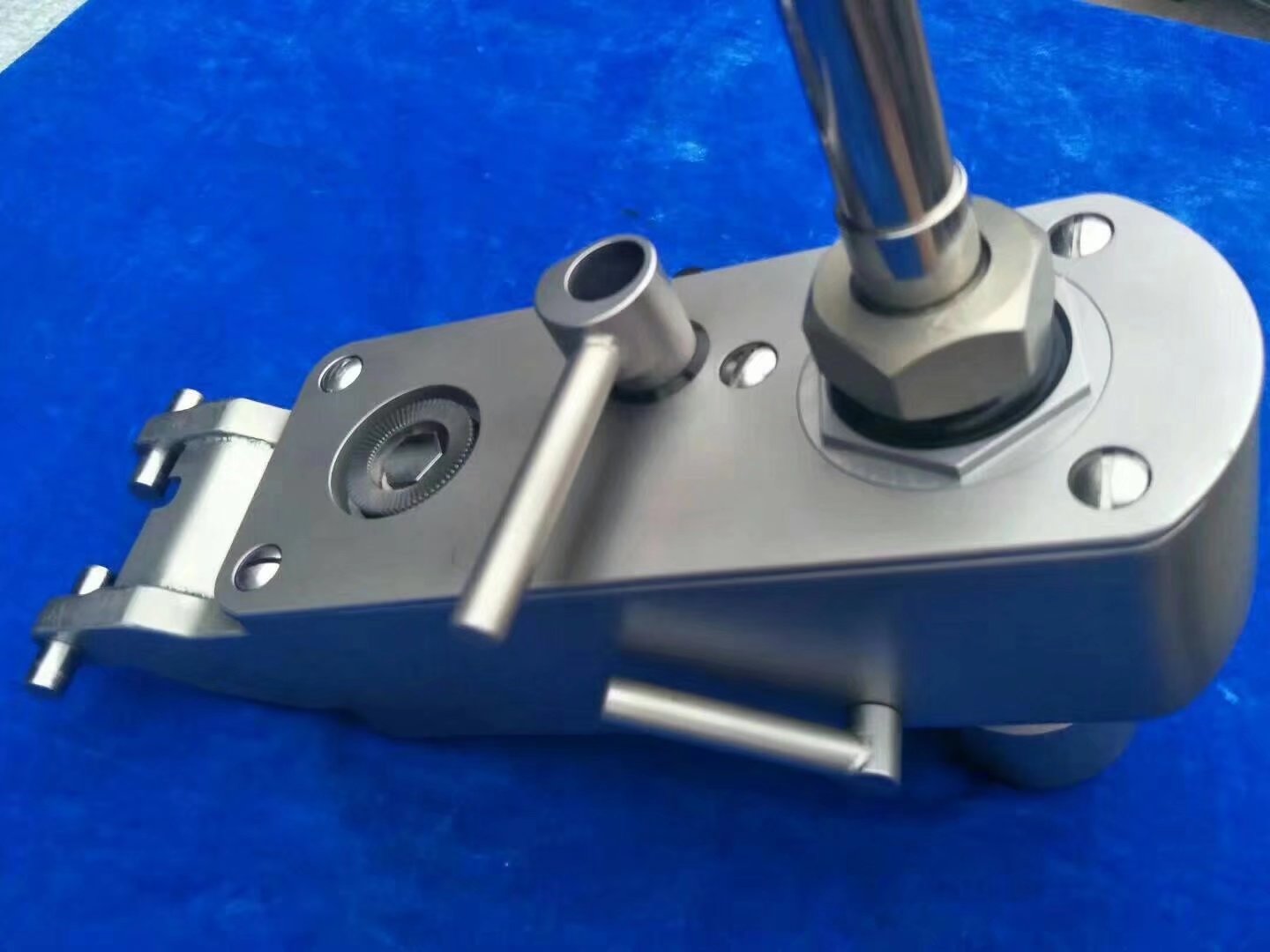
The design of a linking gearbox and holding device is a sophisticated blend of mechanical engineering principles, material science, and precision manufacturing. At its core, it comprises a high-performance gearbox and a robust holding mechanism, often integrated coaxially or in close proximity.
Gearbox Component
The gearbox element is typically a planetary, helical, or worm gear configuration, selected based on the required reduction ratio, torque capacity, and efficiency. Key parameters include:
- Reduction Ratio: Ranging from 3:1 for moderate speed changes to over 100:1 for high torque, low-speed applications.
- Output Torque: From tens to thousands of Newton-meters (Nm), crucial for heavy-duty applications.
- Backlash: Measured in arc-minutes, minimizing backlash (e.g.,
- Efficiency: Typically 90-97% for planetary and helical gears, influencing energy consumption.
- Input/Output Configuration: Flange-mounted, shaft-mounted, right-angle, etc., to suit various motor and driven-load interfaces.
Holding Device Component
The holding device, often an electromagnetic or spring-actuated brake, provides the critical non-backdrivable function. Its design prioritizes reliability and rapid engagement/disengagement. Key specifications include:
- Holding Torque/Force: Must exceed the maximum expected static load or back-driving torque.
- Engagement/Release Time: Critical for dynamic applications, often in milliseconds.
- Bore Size: Matched to the output shaft of the gearbox.
- Operating Principle: Fail-safe spring-applied (released by electromagnetism) is common for safety-critical applications.
Materials and Construction
High-strength alloy steels (e.g., 42CrMo4, 18CrNiMo7-6) are typically used for gears and shafts, often case-hardened for wear resistance. Housings are commonly made from high-grade cast iron (e.g., GG25, GGG40) or aluminum for weight reduction. Precision bearings (e.g., SKF, FAG) ensure smooth operation and long service life. Advanced sealing solutions (e.g., FKM, NBR) provide protection against dust, moisture, and corrosive agents, ensuring compliance with IP ratings like IP65 or IP67.
Product Specification Table: High-Precision Linking Gearbox and Holding Device
| Parameter | Specification | Unit/Standard |
|---|---|---|
| Gearbox Type | Planetary, Helical (Integrated) | N/A |
| Reduction Ratios | 3:1 to 100:1 (Single/Multi-stage) | Ratio |
| Nominal Output Torque | 100 - 5000 | Nm |
| Max. Output Torque (Peak) | 200 - 10000 | Nm |
| Backlash (Standard) | ≤ 5 (Optional ≤ 1) | arc-min |
| Holding Device Type | Spring-Applied Electromagnetic | N/A |
| Holding Torque | 150 - 6000 | Nm |
| Operating Voltage | 24 VDC (Optional 48/96/180 VDC) | VDC |
| Operating Temperature | -20°C to +80°C | °C |
| Protection Class | IP65 (Optional IP67) | IEC 60529 |
| Housing Material | Cast Iron (GGG40), Aluminum (EN AC-46000) | N/A |
| Lubrication | Synthetic Oil (Lifetime lubrication) | ISO VG 220 |
Manufacturing Process Flow
The production of a high-quality linking gearbox and holding device involves a rigorous multi-stage manufacturing process, ensuring precision, durability, and compliance with international standards.
Step 1: Materials Selection & Preparation
Selection of high-grade alloy steels (e.g., 20CrMnTi, 42CrMo4) for gears and shafts, and robust cast iron for housings, based on application stress and environmental factors. Materials undergo spectrographic analysis to verify composition and internal flaw detection via ultrasonic testing. Raw materials are cut and pre-processed.
Step 2: Component Machining (Casting/Forging & CNC)
Gear blanks are forged for superior grain structure, while housings are typically cast. Both then proceed to advanced CNC machining centers. Gears undergo hobbing, shaping, and grinding for precise tooth geometry (e.g., ISO 1328-1:1995 for cylindrical gears). Housing bores, mounting surfaces, and shaft journals are machined to tight tolerances, often verified by Coordinate Measuring Machines (CMM).
Step 3: Heat Treatment & Surface Finishing
Critical components like gears and shafts undergo heat treatment processes such as carburizing, nitriding, or induction hardening to achieve optimal surface hardness, wear resistance, and core toughness. This is followed by grinding and honing to ensure precise dimensions and surface finish. Corrosion resistance is enhanced by surface treatments like phosphating, painting, or specialized coatings for harsh environments.
Step 4: Assembly & Integration
Bearings, seals, gears, and shafts are meticulously assembled within the gearbox housing in a cleanroom environment. The holding device (e.g., electromagnetic brake) is integrated with the gearbox output shaft, ensuring proper alignment and functional engagement. Specialized lubricants (e.g., synthetic ISO VG 220) are applied for lifetime operation.
Step 5: Testing & Quality Assurance
Each finished linking gearbox and holding device undergoes comprehensive testing:
- Performance Testing: Load testing (up to 150% nominal torque), efficiency measurement, backlash analysis, and noise/vibration testing (e.g., ISO 8579-1).
- Holding Device Validation: Verification of specified holding torque and engagement/release times (e.g., per ANSI B11.19 safety standards).
- Durability Testing: Simulated operational cycles to ensure a service life typically exceeding 20,000-50,000 operating hours.
- Environmental Compliance: IP rating validation for sealing integrity and corrosion resistance testing.
Throughout this process, stringent quality control measures are applied at each stage, ensuring that the final product meets the highest standards of reliability, performance, and safety required by demanding industrial applications. The design considerations for a typical unit account for a service life expectation of 30,000 operating hours under nominal load conditions, with robust performance in corrosive environments (e.g., petrochemical) due to specialized coatings and high-grade seals, often contributing to over 95% energy efficiency in power transmission.
Application Scenarios Across Key Industries
The versatility and robustness of the linking gearbox and holding device make it suitable for a diverse range of critical applications in various industries. Its ability to combine precise motion control with secure load retention is invaluable where safety, accuracy, and operational continuity are paramount.
Target Industries:
- Petrochemical: For precise valve actuation in pipelines, pump drives requiring fail-safe stopping, and mixer applications where controlled speed and secure holding are critical. The corrosion resistance of selected models is crucial here.
- Metallurgy: In rolling mills for material positioning, heavy-duty conveyor systems, and overhead crane hoists. The high torque capacity and robust holding mechanism ensure safe handling of massive loads.
- Water Supply & Drainage: Essential for actuating large sluice gates in dams, controlling flow in pumping stations, and positioning mechanisms for filtration systems, often requiring high reliability in humid or submerged conditions.
- Mining & Construction: Used in excavators for precise boom positioning, conveyor belts for bulk material handling, and drilling equipment for controlled penetration and retraction.
- Renewable Energy: In solar trackers for accurate panel orientation and wind turbine yaw/pitch systems for optimal blade angle adjustment and emergency braking.
- Machine Tools & Robotics: For axis positioning, tool changers, and robotic arm articulation where high precision and instantaneous holding are required to maintain positional integrity.
Advantages in Typical Application Scenarios:
- Energy Saving: Optimized gear geometries and high-efficiency designs reduce power consumption during operation, translating to significant energy savings over the operational lifespan. For instance, in a continuous conveyor application, a 5% increase in gearbox efficiency can lead to thousands of dollars in annual energy savings.
- Corrosion Resistance: For environments like petrochemical plants or water treatment facilities, specialized coatings (e.g., epoxy paint, galvanization) and stainless steel components ensure longevity and reliable operation despite exposure to harsh chemicals or moisture.
- Precise Control & Positioning: Minimal backlash and high torsional stiffness allow for extremely accurate positioning, critical for applications such as robotic welding or medical imaging equipment, where deviations can lead to significant errors.
- Enhanced Safety: The integrated holding device provides a critical fail-safe function, preventing uncontrolled descent or movement of loads in case of power failure or emergency stops, thus protecting personnel and equipment. This is paramount in overhead lifting or inclined conveyor systems.
- Reduced Maintenance: Robust construction, lifetime lubrication options, and high-quality sealing minimize the need for frequent maintenance, reducing operational downtime and overall maintenance costs, a key benefit for remote or difficult-to-access installations.
Technical Advantages and Performance Differentiation
The integrated design of the linking gearbox and holding device offers several distinct technical advantages that set it apart from traditional, separate component setups. These advantages translate directly into improved operational performance, enhanced safety, and reduced total cost of ownership for B2B clients.
- High Torque Density: By optimizing the internal gear geometry and material selection, these integrated units achieve substantial torque output within a compact envelope. This high torque density allows for smaller, lighter designs, reducing the space requirements and overall machine footprint, which is crucial in modern, space-constrained industrial environments.
- Superior Precision and Accuracy: The seamless integration minimizes mechanical interfaces, reducing cumulative backlash and improving torsional stiffness. This results in highly accurate positioning (often
- Enhanced Durability and Reliability: Engineered with robust housing materials, high-quality bearings, and hardened gears, these devices are built for continuous operation under severe load conditions. Their design reduces points of failure compared to separate components, leading to a longer operational life and higher Mean Time Between Failures (MTBF), typically exceeding 25,000 hours.
- Integrated Safety Features: The holding device provides a crucial fail-safe function, automatically engaging to secure the load in the event of a power loss or emergency stop. This intrinsic safety feature not only protects expensive machinery but, more importantly, safeguards personnel, complying with stringent safety standards like ISO 13849.
- Optimized Energy Efficiency: Modern linking gearbox and holding device units incorporate advanced gear tooth profiles and low-friction bearings to achieve high transmission efficiencies (up to 97%). This translates directly into lower energy consumption during operation, contributing to reduced operational costs and a smaller carbon footprint.
- Reduced Installation and Maintenance Complexity: As a single, pre-assembled unit, installation time and complexity are significantly reduced. Furthermore, with integrated sealing and often lifetime lubrication, maintenance requirements are minimized, leading to less downtime and lower labor costs.
- Environmental Adaptability: Available with various protection classes (e.g., IP65, IP67) and specialized coatings, these units can withstand challenging industrial environments, including those with high dust, moisture, or corrosive chemicals, extending their operational lifespan and reliability in diverse settings.
Vendor Comparison and Selection Criteria
Choosing the right vendor for a linking gearbox and holding device is a strategic decision that impacts long-term operational efficiency, reliability, and cost. While many suppliers offer gearboxes and brakes, the ability to provide a truly integrated, high-performance solution differentiates leading manufacturers. Key criteria for vendor comparison include:
- Technical Expertise & R&D Capability: A strong vendor possesses deep engineering knowledge in both gear technology and braking systems, evidenced by innovative designs, patented technologies, and a track record of solving complex application challenges.
- Customization & Flexibility: The ability to tailor solutions (e.g., specific gear ratios, material specifications for harsh environments, unique mounting interfaces) is crucial for meeting specialized application requirements.
- Manufacturing Quality & Certifications: Adherence to international quality standards (e.g., ISO 9001, CE, ATEX for hazardous environments) and robust internal quality control processes (e.g., 100% functional testing) are non-negotiable.
- Product Range & Modularity: A comprehensive product portfolio with modular options allows for easier selection and integration, reducing engineering effort for the customer.
- After-Sales Support & Service Network: Reliable technical support, readily available spare parts, and a global service network are critical for minimizing downtime and ensuring continuous operation.
- Cost-Effectiveness (TCO): While initial purchase price is a factor, focus should be on the total cost of ownership, including efficiency, maintenance, and expected lifespan.
Vendor Comparison Table (Illustrative)
| Feature/Criterion | Leading B2B Provider (e.g., Bossin Machinery) | Typical Competitor A | Typical Competitor B |
|---|---|---|---|
| Integration Level (Gearbox & Holding Device) | Fully Integrated, Optimized Design | Modular, bolt-on components | Limited integrated options |
| Backlash Performance | Ultra-low (≤ 1 arc-min optional) | Standard (5-10 arc-min) | Moderate (3-7 arc-min) |
| Customization Capability | High (material, ratio, interface, IP) | Limited to standard options | Moderate, longer lead times |
| Certifications | ISO 9001, CE, ATEX, RoHS | ISO 9001, CE | ISO 9001 only |
| Typical Service Life | > 30,000 hours (L10) | 15,000-20,000 hours (L10) | 20,000-25,000 hours (L10) |
| After-Sales Support | Global network, 24/7 tech support | Regional support, business hours | Limited online/phone support |
Customized Solutions for Unique Challenges
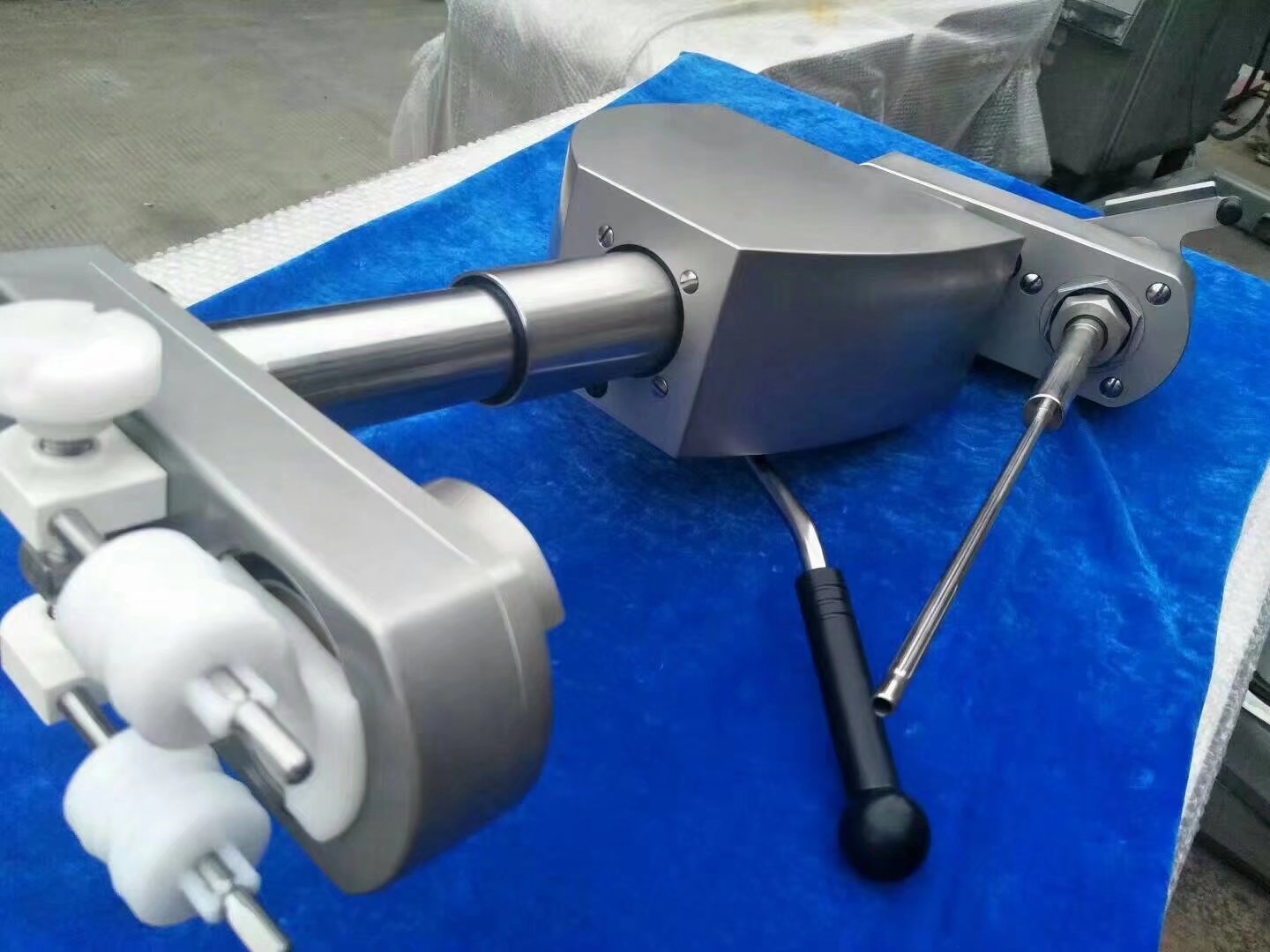
Recognizing that standard products cannot always meet the exacting demands of every industrial application, leading manufacturers of the linking gearbox and holding device offer extensive customization capabilities. Tailored solutions ensure optimal performance, seamless integration, and maximum operational efficiency for specific project requirements.
Customization options typically include:
- Specific Gear Ratios: Beyond standard offerings, precise gear ratios can be engineered to match motor speed and load requirements for optimal performance, ensuring the perfect balance of torque and speed.
- Specialized Materials: For extreme environments (e.g., high temperatures, corrosive chemicals, cleanroom conditions), units can be manufactured with stainless steel, special alloys, or specific food-grade lubricants and seals.
- Unique Mounting Configurations: Custom flange designs, shaft configurations (hollow, spline, keyway), or adaptation plates can be developed to ensure perfect mechanical fit with existing machinery and motors, reducing integration complexity.
- Enhanced Environmental Protection: Higher IP ratings (e.g., IP68 for submersible applications), marine-grade coatings, or ATEX certifications for explosive atmospheres can be provided to meet stringent operational safety and longevity requirements.
- Integrated Sensor Technology: Custom integration of sensors for temperature, vibration, torque, or position feedback allows for advanced monitoring, predictive maintenance, and seamless integration with industrial control systems (PLCs, DCS).
- Specific Holding Mechanism Characteristics: The holding device can be customized for specific release voltages, rapid response times, or enhanced thermal dissipation for high-cycle applications.
A vendor committed to customized solutions typically provides dedicated engineering support, from initial concept and simulation to prototype development and final testing. This collaborative approach ensures that the tailored linking gearbox and holding device perfectly aligns with the client's unique operational demands, often leading to performance improvements of 15-20% compared to off-the-shelf components in highly specialized applications.
Application Case Studies
Case Study 1: Enhanced Safety in Petrochemical Valve Actuation
Client Profile: A major oil and gas refinery operating a network of critical pipelines and processing units.
Challenge: The client required a highly reliable, explosion-proof valve actuation system for large diameter control valves. The system needed precise positioning and, crucially, a fail-safe mechanism to hold the valve in position during power outages or emergency shutdowns, preventing uncontrolled flow that could lead to environmental hazards or safety risks. The operating environment was characterized by corrosive agents and high humidity, necessitating robust environmental protection.
Solution: A customized linking gearbox and holding device was engineered. The gearbox featured a helical gear design for high efficiency and minimal backlash, optimized for the valve's torque requirements. The integrated holding device was a spring-applied, electromagnetically released brake, certified to ATEX standards for hazardous environments. The entire unit was constructed with corrosion-resistant materials and coated with a specialized marine-grade epoxy, achieving an IP67 rating. Integrated position sensors provided real-time feedback to the refinery's Distributed Control System (DCS).
Outcome: The deployment resulted in a significant improvement in operational safety and control. The fail-safe holding mechanism eliminated the risk of unintended valve movement during emergencies, providing peace of mind. The precise positioning capability reduced wear on the valve components, extending their service life. Furthermore, the enhanced corrosion resistance drastically cut down maintenance cycles in the harsh environment, leading to an estimated 20% reduction in valve-related downtime and maintenance costs annually, demonstrating exceptional return on investment.
Case Study 2: Precision Material Handling in an Automated Steel Mill
Client Profile: A leading steel manufacturer upgrading its automated material handling system for hot-rolled steel coils, weighing several tons each.
Challenge: The existing system struggled with precise positioning of heavy steel coils on a conveyor line feeding a processing station. Frequent starts and stops, coupled with the immense inertia of the coils, led to slight positional drift, causing alignment issues and occasional damage during processing. A robust, low-backlash solution with instantaneous holding capabilities was required to ensure consistent, accurate indexing of the coils.
Solution: A high-precision linking gearbox and holding device featuring a compact planetary gearbox with less than 3 arc-minutes of backlash was selected. The integrated high-response electromagnetic holding brake was designed to deliver consistent holding torque and rapid engagement within 50 milliseconds. The unit was engineered to withstand the high shock loads and elevated temperatures typical of a steel mill environment, with specialized bearings and heavy-duty housing construction.
Outcome: The new system dramatically improved the accuracy of coil positioning, reducing positional drift by over 90%. This virtually eliminated alignment-related processing errors and product damage, leading to a 5% increase in throughput and a significant reduction in material waste. The reliable holding function also enhanced worker safety by preventing unexpected movement of heavy loads. The robust construction and minimal maintenance requirements further contributed to a highly efficient and reliable material handling operation, exceeding the client's expectations for both precision and durability.
Trustworthiness, Support, and Warranty
Building long-term partnerships with B2B clients requires more than just high-quality products; it demands unwavering trustworthiness, comprehensive support, and clear commitments. Our approach to the linking gearbox and holding device is underpinned by these core principles.
Frequently Asked Questions (FAQ)
- What is the typical lead time for a standard unit?
Standard models of the linking gearbox and holding device typically have a lead time of 4-6 weeks from order confirmation. Customized solutions may require 8-12 weeks, depending on complexity and material availability. - What are the warranty terms for the product?
We offer a standard 12-month warranty from the date of installation or 18 months from shipment, whichever comes first, covering manufacturing defects. Extended warranty options are available upon request. - How do I select the correct size for my application?
Our technical sales engineers provide comprehensive sizing and selection support. We require details on motor characteristics, load, duty cycle, environmental conditions, and desired precision. We also offer online sizing tools and detailed product catalogs. - Can these units be used in hazardous environments?
Yes, we offer ATEX certified versions of our linking gearbox and holding device, specifically designed for use in potentially explosive atmospheres (Zones 1 & 2 or 21 & 22), ensuring compliance with Directive 2014/34/EU. - What kind of after-sales support is provided?
Our dedicated customer support team provides technical assistance, troubleshooting, spare parts ordering, and maintenance guidance. We operate a global network of service partners for on-site support and training.
Lead Time & Fulfillment
Our robust supply chain and optimized manufacturing processes enable competitive lead times. For off-the-shelf linking gearbox and holding device models, typical delivery is 4-6 weeks. For custom-engineered solutions, lead times are communicated clearly during the quotation process, generally ranging from 8-12 weeks. We utilize efficient logistics partners to ensure timely and secure global delivery, and expedited shipping options are available for urgent requirements.
Warranty Commitments
We stand behind the quality and reliability of our products. All linking gearboxes and holding devices are backed by a comprehensive 12-month standard warranty. This commitment reflects our confidence in our engineering and manufacturing excellence, ensuring peace of mind for our clients. Detailed warranty terms and conditions are provided with every quotation and order confirmation. We also offer extended warranty programs tailored to specific project needs, providing additional protection for critical applications.
Customer Support and Partnership
Our relationship with clients extends far beyond product delivery. We provide extensive pre-sales consultation, engineering design assistance, and ongoing after-sales support. Our team of experienced technical engineers is available to address any queries, provide troubleshooting, and offer expert advice throughout the product lifecycle. We are proud to hold certifications such as ISO 9001:2015, ensuring consistent quality management, and have fostered long-term partnerships with leading companies across petrochemical, metallurgy, and water treatment sectors for over two decades, solidifying our reputation as an authoritative and trustworthy provider.
Conclusion
The linking gearbox and holding device stands as a testament to advanced mechanical engineering, offering an integrated, high-performance solution for precise motion control and secure load retention in the most demanding industrial environments. Its technical advantages, from high torque density and superior accuracy to integrated safety features and remarkable durability, make it an indispensable component in modern automation.
As industries continue to evolve towards smarter, more efficient, and safer operations, the demand for such integrated and reliable solutions will only grow. By choosing a reputable vendor committed to quality, customization, and comprehensive support, businesses can leverage the full potential of these advanced systems to enhance productivity, reduce operational costs, and ensure unparalleled safety in their critical applications.
References
- ISO 1328-1:1995. Cylindrical gears — ISO system of accuracy — Part 1: Definitions and allowable values of deviations relevant to corresponding flanks of gear teeth. International Organization for Standardization.
- ANSI B11.19-2019. Performance Requirements for Safeguarding. American National Standards Institute.
- ISO 9001:2015. Quality management systems — Requirements. International Organization for Standardization.
- IEC 60529:1989+AMD1:1999+AMD2:2013 CSV. Degrees of protection provided by enclosures (IP Code). International Electrotechnical Commission.
- ISO 13849-1:2015. Safety of machinery — Safety-related parts of control systems — Part 1: General principles for design. International Organization for Standardization.
Latest news
-
Comprehensive Guide to Wholesale Skip Car Solutions for Construction Efficiency
NewsMar.31,2026
-
Investing in a Wholesale Meat Salted Machine for Business Success
NewsMar.28,2026
-
Revolutionizing Burger Production with Wholesale Burger Making Forming Machine Solutions
NewsMar.26,2026
-
Comprehensive Guide to Wholesale Sausage Filler Price and Equipment Selection
NewsMar.24,2026
-
Investing in a Wholesale Beef Slicing Machine for Enhanced Business Efficiency
NewsMar.21,2026
-
Invest in a Wholesale Clipping Machine for Sausages to Optimize Production
NewsMar.19,2026