
Sep . 12, 2025 09:20 Back to list
Stainless Steel Meat Pump Housing - Durable & Hygienic Solutions
Industry Trends and Market Dynamics
The global food processing and industrial pump markets are undergoing significant transformation, driven by stringent hygiene standards, increasing demand for automation, and the need for enhanced operational efficiency. Within this evolving landscape, the role of high-quality components is paramount. A critical component for various processing lines, particularly in the food and pharmaceutical sectors, is the Meat pump Housing. This precision-engineered part forms the essential structural enclosure for centrifugal or positive displacement pumps, designed specifically to handle challenging media such as viscous meat emulsions, pastes, and other sensitive food products.
Current industry trends emphasize materials that offer superior corrosion resistance, ease of cleaning (CIP/SIP compatibility), and robust mechanical integrity to withstand continuous operation. Furthermore, the drive towards sustainable manufacturing practices necessitates components that contribute to energy efficiency and extended service life, thereby reducing overall total cost of ownership (TCO). B2B decision-makers in food processing, dairy, confectionery, and pet food industries are actively seeking suppliers who can provide not just a component, but a reliable solution that integrates seamlessly into their sophisticated production systems, ensuring product quality and safety.
Manufacturing Process Flow of Meat Pump Housing
The production of a high-performance Meat pump Housing is a complex, multi-stage process that combines advanced material science with precision engineering. Each step is meticulously controlled to ensure the final product meets the stringent demands of industrial applications.
- Material Selection: The foundation of a durable and hygienic housing begins with material selection. Typically, high-grade stainless steels such as SS304, SS316, or SS316L are chosen due to their excellent corrosion resistance, high tensile strength, and compliance with food-contact regulations. SS316L, with its lower carbon content, is preferred for enhanced weldability and resistance to intergranular corrosion.
- Casting or Forging: The initial shape of the housing is formed either through precision casting or forging. Investment casting (lost-wax casting) is often employed for intricate designs, providing superior surface finish and dimensional accuracy compared to sand casting. Forged housings offer enhanced material density and strength, often used for high-pressure applications.
- Rough Machining: Post-casting or forging, the components undergo rough machining to remove excess material and prepare surfaces for subsequent precision operations. This stage often involves turning, milling, and drilling.
- Precision CNC Machining: This is a critical stage where highly accurate contours, bore diameters, and mounting interfaces are achieved using multi-axis CNC (Computer Numerical Control) machines. Tolerances are typically held within microns to ensure proper fitment with impellers, shafts, and seals, crucial for optimal pump performance and efficiency.
- Surface Finishing and Polishing: For food-grade and hygienic applications, internal and external surfaces are polished to a specific roughness average (Ra value), often down to 0.4 µm or lower. This mirror-like finish prevents bacterial adhesion, facilitates easy cleaning, and enhances corrosion resistance. Electrolytic polishing or mechanical buffing are common techniques.
- Welding & Assembly (if multi-part): If the design requires multiple sections, precision welding (e.g., TIG welding) is performed, followed by further finishing to eliminate crevices.
- Passivation: After machining and polishing, the stainless steel components undergo a passivation process. This chemical treatment removes free iron from the surface and forms a protective chromium oxide layer, significantly enhancing corrosion resistance and extending service life.
- Quality Control and Testing: Each Meat pump Housing undergoes rigorous testing. This includes dimensional inspection using CMM (Coordinate Measuring Machine), material verification (PMI - Positive Material Identification), surface roughness measurement, and hydrostatic pressure testing to verify structural integrity under operating conditions. Adherence to standards like ISO 9001 for quality management and ANSI/3-A Sanitary Standards for hygienic design is paramount.
The service life of a well-manufactured housing can exceed 10-15 years, depending on application severity and maintenance. Target industries include meat processing, dairy, beverage, pharmaceutical, and water supply & drainage. Key advantages demonstrated include enhanced energy saving through optimized flow paths and superior corrosion resistance due to high-grade materials and surface treatments.
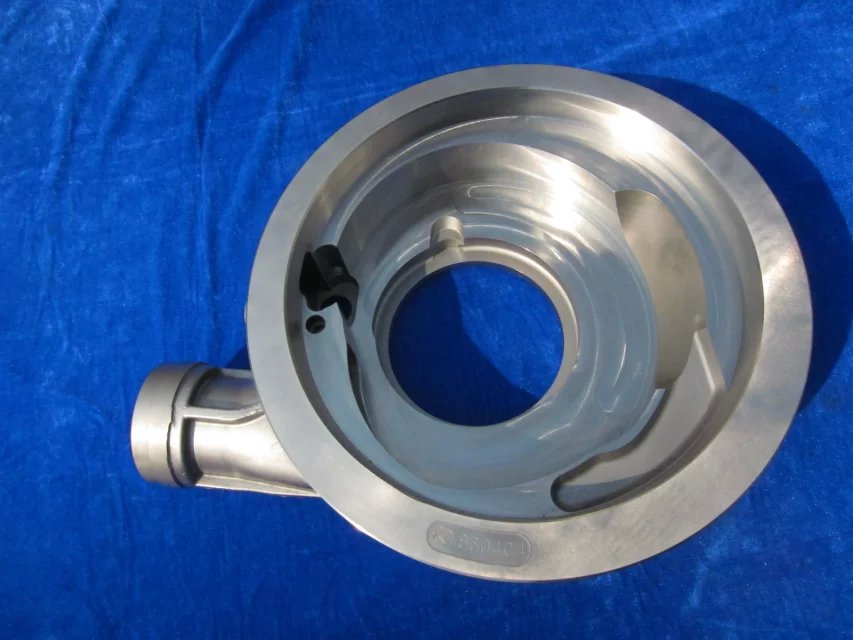
Figure 1: Precision-machined stainless steel housing component.
Technical Specifications and Performance Parameters
The technical specifications of a Meat pump Housing are crucial for engineers and procurement specialists to ensure compatibility, efficiency, and long-term reliability within a processing system. These parameters define the housing's structural integrity, material compatibility, and hygienic performance.
| Parameter | Specification/Description |
|---|---|
| Material Grade | AISI 316L (EN 1.4404) Stainless Steel, Option: AISI 304 (EN 1.4301) |
| Surface Finish (Internal) | Ra ≤ 0.4 µm (15 µin), Electropolished option available |
| Pressure Rating | Up to 10 Bar (145 psi) for standard models, higher ratings for custom designs |
| Temperature Range | -20°C to +150°C (-4°F to +302°F) |
| Connection Types | Clamp (Tri-Clover), Butt-weld, Flange (DIN, ANSI), Threaded (NPT, BSP) |
| Dimensional Tolerance | ISO 2768-1 fine, up to ±0.1 mm for critical features |
| Cleaning-in-Place (CIP) / Sterilization-in-Place (SIP) | Fully compatible and designed for effective cleaning |
| Design Standards | Conforms to 3-A Sanitary Standards (where applicable), FDA (materials), ISO 9001:2015 |
Understanding these parameters ensures the selected Meat pump Housing will not only fit the physical space but also meet the hydraulic, thermal, and chemical demands of the specific process. Optimized internal geometry minimizes pressure drop and shear stress, critical when handling sensitive or high-viscosity products, directly contributing to energy efficiency and product integrity.
Application Scenarios and Key Advantages
The versatility and robust design of the Meat pump Housing make it indispensable across a spectrum of demanding industries. Its design addresses common challenges associated with fluid transfer, especially for complex and sensitive media.
Target Industries:
- Meat and Poultry Processing: For transferring ground meat, sausage emulsions, pâtés, and viscous brines.
- Dairy and Beverage: Handling yogurts, creams, fruit pulps, and various beverage concentrates.
- Pharmaceuticals and Biotechnology: Transporting sensitive biological media, creams, and gels where sterility and product integrity are critical.
- Cosmetics and Personal Care: Pumping lotions, shampoos, and other viscous formulations.
- Pet Food Production: Transfer of raw ingredients, slurries, and finished pet food products.
Demonstrable Advantages in Typical Application Scenarios:
- Superior Corrosion Resistance: Utilizes AISI 316L stainless steel, offering exceptional resistance to aggressive cleaning agents (e.g., caustic solutions, acids) and corrosive food products, thus extending the operational life in demanding washdown environments and preventing product contamination.
- Enhanced Hygiene and Sterility: Precision internal surface finishes (Ra ≤ 0.4 µm) eliminate crevices and dead zones where bacteria can harbor. This design facilitates complete drainability and effective Clean-In-Place (CIP) and Sterilize-In-Place (SIP) processes, crucial for meeting HACCP and FDA sanitary requirements.
- Optimized Energy Efficiency: The hydrodynamically designed internal contours of the housing minimize fluid turbulence and pressure losses. This results in reduced energy consumption for pumping, especially beneficial for continuous operations involving high-viscosity fluids.
- Reduced Product Shear: Gentle pumping action, facilitated by smooth internal surfaces and optimized flow paths, minimizes shear stress on sensitive products like meat emulsions, preventing degradation of texture and quality. This is vital in processes where product integrity must be maintained.
- Robustness and Reliability: Manufactured through advanced casting/forging and CNC machining, these housings offer superior mechanical strength, resisting deformation under high operating pressures and temperatures. This translates to reduced downtime, lower maintenance costs, and a longer operational lifespan.
By integrating a high-quality Meat pump Housing, manufacturers can significantly enhance their operational performance, product safety, and compliance with industry regulations, ultimately securing a competitive edge.
Vendor Comparison and Customization Options
When selecting a supplier for a Meat pump Housing, B2B buyers must evaluate various factors beyond initial cost. Long-term performance, compliance, and partnership capabilities are critical. Below is a comparative overview of key vendor attributes:
| Feature | Premium Supplier (e.g., Bossin Machinery) | Standard Supplier |
|---|---|---|
| Material Quality | Certified AISI 316L, full material traceability (PMI testing) | Often AISI 304, limited traceability, sometimes generic stainless steel |
| Manufacturing Precision | Advanced 5-axis CNC machining, Ra ≤ 0.4 µm, strict dimensional control | Basic CNC, Ra often > 0.8 µm, wider tolerances |
| Engineering & Design Support | Dedicated engineering team, CFD analysis, design optimization, customization expertise | Limited design assistance, primarily off-the-shelf products |
| Certifications & Compliance | ISO 9001, CE, 3-A Sanitary Standards (where applicable), FDA material compliance | Basic ISO, often lacking specific industry certifications |
| Lead Time & Reliability | Consistent lead times, strong supply chain, on-time delivery record | Variable lead times, potential for delays |
| After-Sales Support | Comprehensive technical support, spare parts availability, warranty | Limited or basic support, potential for spare part issues |
Customized Solutions for Unique Requirements:
Recognizing that off-the-shelf solutions may not always meet specific operational parameters, leading manufacturers offer extensive customization capabilities for Meat pump Housing components. These bespoke solutions can include:
- Specialized Material Grades: Beyond standard stainless steels, options for Duplex, Super Duplex, or Hastelloy for extremely aggressive media or environments.
- Bespoke Port Configurations: Custom inlet/outlet sizes, orientations, or additional ports for instrumentation (e.g., pressure sensors, temperature probes).
- Enhanced Surface Treatments: Electropolishing for ultra-smooth finishes required in biopharmaceutical applications, or specialized coatings for abrasive media.
- Integrated Features: Custom heating/cooling jackets, drain ports, or specific mounting interfaces for unique pump designs.
- Pressure and Temperature Optimization: Design modifications to withstand extreme operating conditions, verified through finite element analysis (FEA).
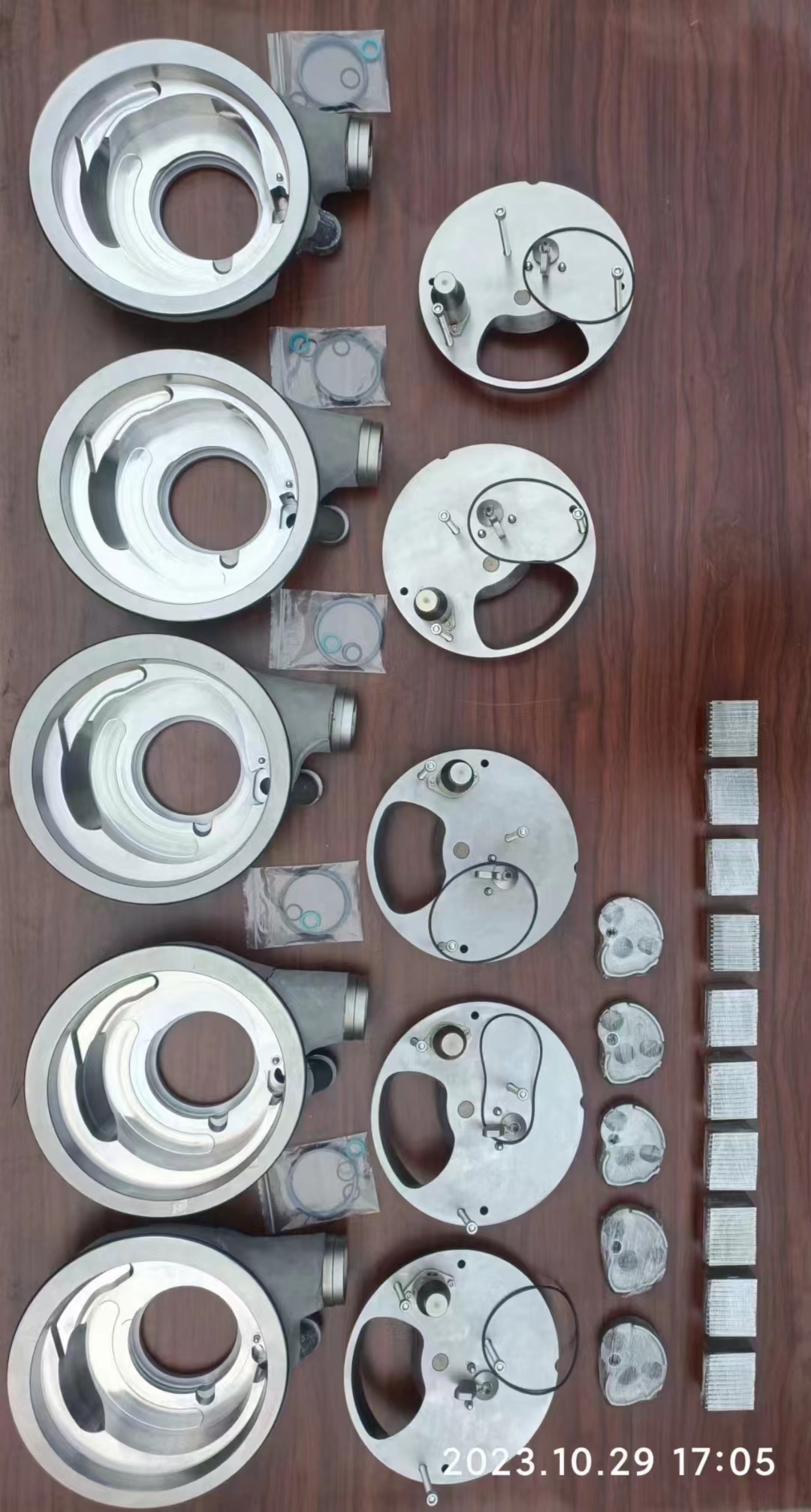
Figure 2: A specialized pump housing ready for integration into a processing line.
Engaging with a vendor capable of such bespoke engineering ensures that the Meat pump Housing is perfectly matched to the application, maximizing performance and minimizing costly modifications or compromises during system integration.
Real-world Application Case Studies and Customer Experience
The true value of a high-quality Meat pump Housing is best demonstrated through its performance in challenging industrial environments. Here are examples showcasing its impact:
Case Study 1: Enhanced Throughput in Large-Scale Meat Processing
Client: A leading international meat product manufacturer specializing in sausages and pre-packaged ground meats.
Challenge: The client was experiencing frequent blockages and excessive shear damage when pumping highly viscous meat emulsions, leading to reduced product quality and significant downtime for cleaning and repair. Their existing pump housings were showing signs of corrosion and pitting after only two years of operation, despite regular CIP.
Solution: Bossin Machinery provided customized Meat pump Housing units fabricated from electropolished AISI 316L stainless steel, featuring optimized internal geometries for improved flow characteristics and reduced dead zones. The design also incorporated stronger flanges to withstand higher system pressures.
Result: The implementation resulted in a 15% increase in throughput due to reduced resistance and blockages. Product shear damage was virtually eliminated, preserving texture and quality. The superior corrosion resistance and smooth surface finish drastically cut down cleaning times by 25% and eliminated the need for frequent part replacements, projecting a service life of over 10 years for the new housings. The client reported significant savings in maintenance costs and a notable improvement in product consistency.
Case Study 2: Maintaining Sterility in Pharmaceutical Production
Client: A leading pharmaceutical company producing sterile ophthalmic solutions.
Challenge: The client required pump housings capable of handling highly sensitive, sterile solutions without any risk of particulate contamination or bacterial growth. Existing housings, while stainless steel, exhibited micro-crevices and less-than-optimal surface finishes, posing a risk during SIP (Sterilization-In-Place) cycles and product transfer.
Solution: Bossin Machinery supplied custom-designed Meat pump Housing units specifically engineered for pharmaceutical applications. These housings featured an internal surface finish of Ra ≤ 0.2 µm achieved through multi-stage electropolishing, coupled with orbital welding for any multi-part construction to ensure crevice-free interiors. Each unit was accompanied by comprehensive material certificates and surface roughness reports.
Result: The new housings enabled the client to consistently achieve superior sterility validation results. Product integrity was maintained throughout the pumping process, and the enhanced surface finish facilitated more efficient and thorough SIP cycles, reducing sterilization agent consumption and cycle times. The client praised the exceptional quality and the meticulous documentation provided, underscoring the trust built through a robust manufacturing and quality assurance process.
These case studies illustrate how strategic investment in high-quality Meat pump Housing components yields tangible benefits in operational efficiency, product integrity, and compliance across diverse B2B applications.
Trust and Reliability: Our Commitment to Excellence
Establishing trust and demonstrating reliability are fundamental to B2B partnerships. Bossin Machinery stands by its commitment to delivering superior Meat pump Housing solutions through rigorous quality assurance, transparent processes, and unwavering customer support.
Certifications and Authoritative References:
- ISO 9001:2015 Certified: Our quality management system adheres to international standards, ensuring consistent product quality and continuous improvement.
- CE Marking: Products conform to European health, safety, and environmental protection standards.
- 3-A Sanitary Standards (where applicable): Our hygienic designs for food and dairy applications meet stringent criteria for cleanability and material compatibility.
- FDA Material Compliance: Materials used in food contact surfaces are compliant with FDA regulations, ensuring product safety.
Lead Time and Fulfillment:
We maintain efficient production schedules to ensure timely delivery. Standard Meat pump Housing configurations typically have a lead time of 4-6 weeks from order confirmation. Custom-engineered solutions may require 8-12 weeks, depending on design complexity and material procurement. We prioritize transparent communication regarding lead times and provide real-time updates on order status.
Warranty Commitments:
All our Meat pump Housing products come with a standard 12-month warranty against manufacturing defects and material failures, starting from the date of shipment. Extended warranty options are available for specific projects, reflecting our confidence in the durability and quality of our components.
Customer Support and After-Sales Service:
Our commitment extends beyond delivery. Bossin Machinery offers comprehensive after-sales support, including:
- Technical Assistance: A team of experienced engineers is available to provide guidance on installation, operation, and troubleshooting.
- Spare Parts Availability: We maintain a robust inventory of spare parts and components to ensure minimal downtime for our clients.
- Documentation Support: Provision of detailed technical drawings, material certificates, and performance data sheets.
Frequently Asked Questions (FAQ):
-
Q: What is the primary material used for the Meat pump Housing?
A: Our standard Meat pump Housing units are primarily manufactured from AISI 316L stainless steel, known for its superior corrosion resistance and hygienic properties. Other materials are available upon request for specialized applications. -
Q: How does the housing ensure product hygiene?
A: We achieve superior hygiene through precision CNC machining to eliminate crevices, followed by extensive internal surface polishing (Ra ≤ 0.4 µm) and passivation. This design facilitates efficient CIP/SIP processes and prevents bacterial growth. -
Q: Can Bossin Machinery provide custom-designed pump housings?
A: Absolutely. Our engineering team specializes in customized solutions, including unique port configurations, specific material grades, special coatings, and integration with existing pump systems. We work closely with clients from concept to final production. -
Q: What industries primarily benefit from your Meat pump Housing products?
A: Our housings are ideally suited for the meat and poultry, dairy, beverage, pharmaceutical, cosmetic, and pet food industries, especially where high-viscosity, sensitive, or hygienic product transfer is required.
Conclusion
The selection of a high-quality Meat pump Housing is a pivotal decision for any processing operation handling challenging media. Bossin Machinery's commitment to precision engineering, advanced materials, and stringent quality control ensures that our housings deliver unmatched performance, hygiene, and durability. By choosing a meticulously manufactured housing, industrial clients can achieve greater operational efficiency, maintain impeccable product integrity, and reduce long-term maintenance costs, solidifying their competitive advantage in a demanding market.
References
- Food Processing Technology Journal. "Advances in Hygienic Pump Design for Viscous Media." Vol. 42, No. 3, 2023.
- Journal of Manufacturing Engineering. "Precision Casting and CNC Machining of Stainless Steel Components for Critical Applications." Vol. 18, No. 1, 2022.
- Industrial Pump Systems Review. "Optimizing Energy Efficiency in Positive Displacement Pumps." Vol. 15, No. 2, 2021.
- Standards for Hygienic Equipment Design. 3-A Sanitary Standards, Inc.
Latest news
-
Comprehensive Guide to Wholesale Skip Car Solutions for Construction Efficiency
NewsMar.31,2026
-
Investing in a Wholesale Meat Salted Machine for Business Success
NewsMar.28,2026
-
Revolutionizing Burger Production with Wholesale Burger Making Forming Machine Solutions
NewsMar.26,2026
-
Comprehensive Guide to Wholesale Sausage Filler Price and Equipment Selection
NewsMar.24,2026
-
Investing in a Wholesale Beef Slicing Machine for Enhanced Business Efficiency
NewsMar.21,2026
-
Invest in a Wholesale Clipping Machine for Sausages to Optimize Production
NewsMar.19,2026