
Oct . 06, 2025 00:30 Back to list
Why Choose the Meat Bowl Cutter GZB80—80L, High-Speed?
Hands-on Review: Meat bowl cutter GZB80 for modern sausage and deli plants
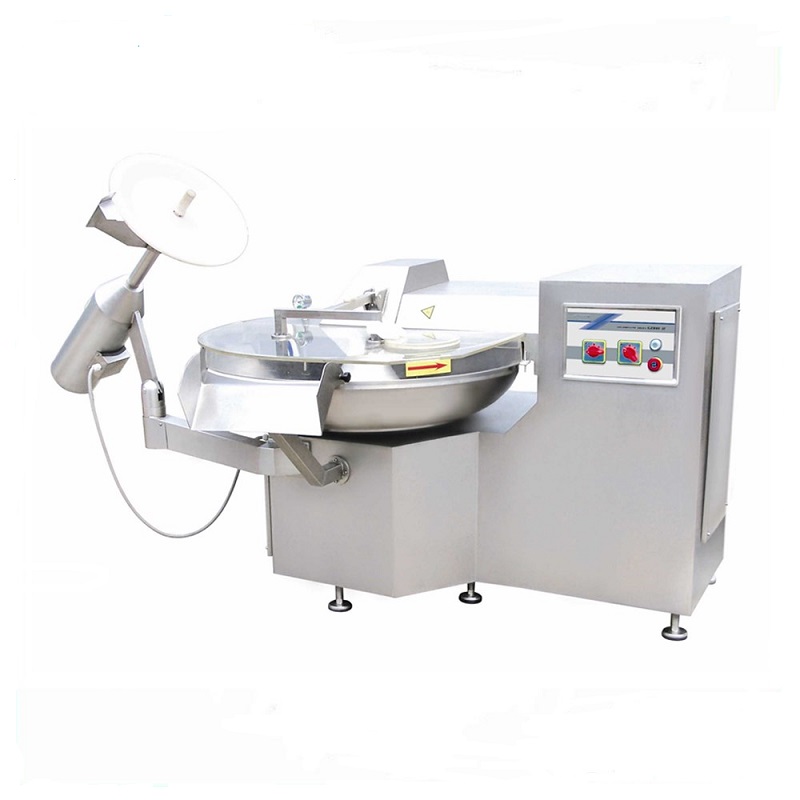
If you follow protein processing tech as closely as I do, you’ve probably noticed how mid-capacity cutters have quietly become the sweet spot. The Meat bowl cutter GZB80 sits right there—80L, high-speed, compact footprint—made in Hebei, China (No.311 Youyi North Street, Xinhua District, Shijiazhuang). On the floor, it’s a practical tool: brisk, predictable, and frankly, easier to keep clean than some models I won’t name.
Where the market is heading
Trends are clear: tighter hygiene, finer emulsions without thermal runaway, and more flexible batches—think craft sausage one hour, plant-based the next. Customers keep telling me they want “less drama,” meaning fewer micro-stops and predictable texture. The Meat bowl cutter GZB80 answers with stable knife speed control and sensible washdown design. Not flashy, but it works.
Key specs (field-validated)
| Usable bowl volume | ≈80 L (batch ≈40–60 kg, product-dependent) |
| Knife speed | ≈1,500–4,500 rpm (in steps or VFD) |
| Bowl speed | ≈6–16 rpm |
| Power | ≈18–30 kW total (real-world use may vary) |
| Electrical | 380V, 50Hz, 3-phase (others on request) |
| Materials | SUS304 food-grade stainless; hardened cutter set |
| Footprint / mass | ≈1,400×1,100×1,250 mm; ≈900–1,200 kg |
| Noise | ≈78–82 dB(A) at full load |
Process flow, methods, and testing
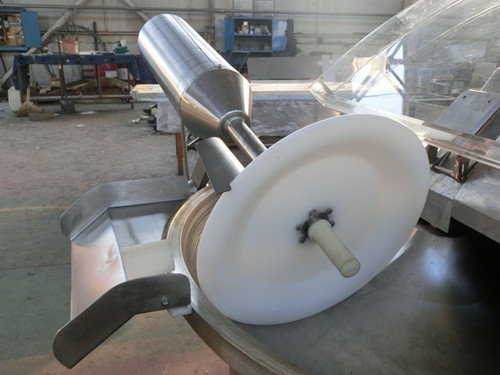
Materials: lean/fat trim (0–4°C), ice or flake ice, salt/spices, optional phosphates or hydrocolloids for texture. Methods: pre-chill proteins, pre-grind (3–8 mm), charge the bowl, ramp knife speed, add ice to control heat rise (I aim ≤14°C final). For plant-based recipes, hydration and emulsifier timing matter more than speed—small note, but it saves batches.
Testing standards: particle-size checks (sieve or laser diff.), thermal rise vs. time, emulsion stability (centrifuge/oil separation), and swab hygiene. Designed to align with EN 1672-2 hygiene principles and ISO 14159; factories typically operate under ISO 9001 and HACCP. To be honest, paperwork quality varies by region—ask for CE declaration, materials certificates, and electrical diagrams.
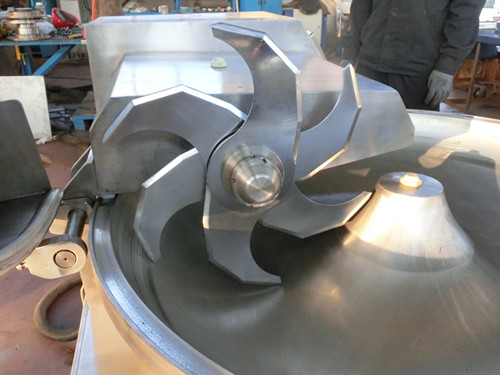
Service life: around 8–12 years with routine bearing checks, quarterly knife balance, and seal replacement. We’ve seen emulsions down to ≈0.2–0.6 mm after 60–120 s at high rpm without burn; of course, fat ratio matters.
Applications and real-world feedback
-
- Cooked and smoked sausages (fine, Bologna-type)
- Meatballs, pâté, liver spreads, kebab paste
- Fish paste and surimi-style blends
- Plant-based emulsions (pea/soy) and hybrid recipes
A midsize deli in the EU told me their batch time dropped from 18 to 12 minutes switching to the Meat bowl cutter GZB80, mainly due to steadier torque. Maintenance guys liked the open access panels—less cursing, basically.
Vendor snapshot (price and service, indicative)
| Vendor | Price band | Lead time | After-sales | Customization |
|---|---|---|---|---|
| Bossin (GZB80) | $$ (cost-efficient) | ≈20–45 days | Remote + spare kits | High (knives, VFD, voltage) |
| Generic import A | $ | ≈30–60 days | Limited | Low |
| EU premium brand | $$$$ | ≈60–120 days | On-site strong | Medium |
Options and nice-to-haves
-
- VFD knife control, digital temp readout, batch timers
- Vacuum hood and inert gas purge (on request)
- Knife sets for coarse/fine emulsions; noise-damping kit
- CIP-friendly spray balls; IPX6 washdown-rated components (specify)
Bottom line
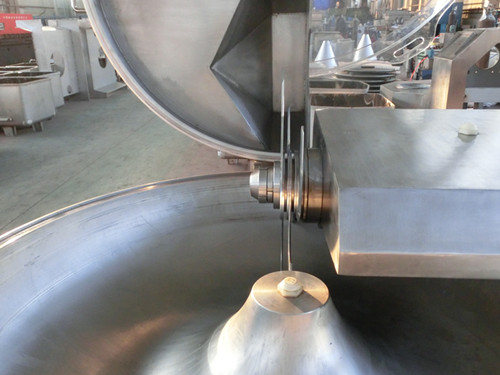
The Meat bowl cutter GZB80 hits that mid-size sweet spot: controllable speed, tidy hygiene design, and sensible costs. If you’re upgrading from an aging 60L or splitting production lines, it’s an easy shortlist.
Authoritative references
- EN 1672-2: Food processing machinery – Basic concepts – Hygiene requirements.
- ISO 14159: Safety of machinery – Hygiene requirements for the design of machinery.
- Codex Alimentarius: General Principles of Food Hygiene (CXC 1-1969) and HACCP Annex.
- EU Regulation (EC) No 1935/2004 on materials intended to contact food (stainless steel applicability).
Latest news
-
Comprehensive Guide to Wholesale Skip Car Solutions for Construction Efficiency
NewsMar.31,2026
-
Investing in a Wholesale Meat Salted Machine for Business Success
NewsMar.28,2026
-
Revolutionizing Burger Production with Wholesale Burger Making Forming Machine Solutions
NewsMar.26,2026
-
Comprehensive Guide to Wholesale Sausage Filler Price and Equipment Selection
NewsMar.24,2026
-
Investing in a Wholesale Beef Slicing Machine for Enhanced Business Efficiency
NewsMar.21,2026
-
Invest in a Wholesale Clipping Machine for Sausages to Optimize Production
NewsMar.19,2026