
Feb . 11, 2026 02:15 Back to list
Choosing a Reliable Wholesale Meat Processor for Your Business Needs
Finding the Right Wholesale Meat Processor for Your Business
Sourcing a reliable wholesale meat processor is critical for businesses in the food industry. Whether you're a butcher, restaurant chain, or food distributor, consistent quality, efficient processing, and adherence to stringent hygiene standards are paramount. This article provides a comprehensive guide to navigating the world of wholesale meat processing, outlining key considerations, benefits of partnering with a specialized supplier like Bossin Machinery, and what to look for in a long-term partner. Understanding your needs and the processor's capabilities will ensure a smooth and profitable supply chain.
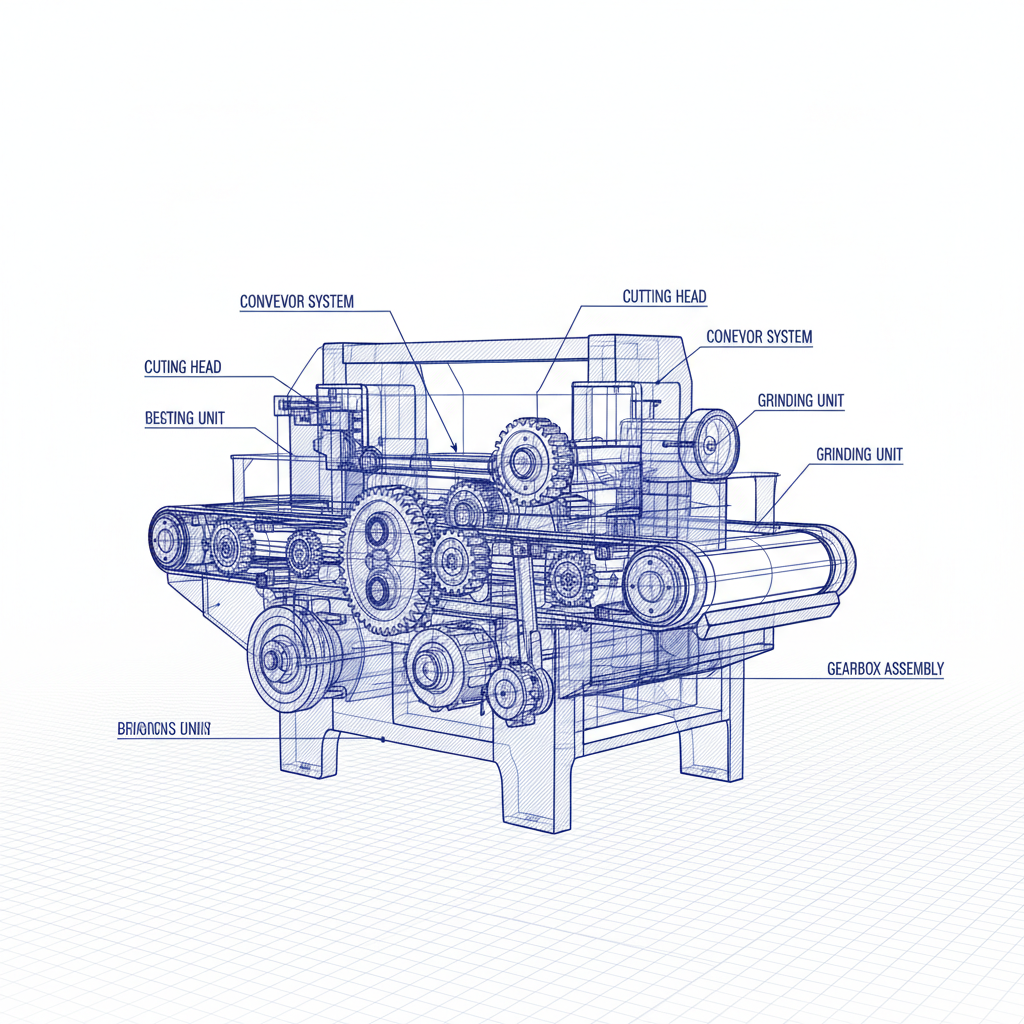
Understanding Wholesale Meat Processing: A Core Component of the Supply Chain
Wholesale meat processing goes beyond simply cutting and packaging meat. It encompasses a range of services, including sourcing, trimming, grinding, portioning, marinating, packaging, and freezing. A reputable wholesale meat processor will handle these tasks with precision and efficiency, ensuring product consistency and minimizing waste. They'll also be well-versed in food safety regulations, HACCP (Hazard Analysis and Critical Control Points) principles, and traceability requirements. Selecting a processor who understands these elements is vital for minimizing risk and maintaining compliance.
Key Benefits of Using a Wholesale Meat Processor:
- Reduced labor costs
- Consistent product quality
- Improved efficiency
- Enhanced food safety
- Scalability to meet changing demand
Key Considerations When Choosing a Wholesale Meat Processor
Choosing the right partner requires careful evaluation. Consider factors such as their processing capacity, product range (beef, pork, poultry, lamb, etc.), custom cutting capabilities, packaging options, and geographical location. Equally important are their certifications (e.g., USDA inspection, HACCP certification) and commitment to sustainable practices. Don’t hesitate to request facility tours and detailed information about their quality control procedures. Understanding their production flow and equipment is also beneficial.
Essential Questions to Ask a Potential Processor:
- What types of meat do you process?
- What is your processing capacity?
- Do you offer custom cutting and packaging?
- What quality control measures do you have in place?
- Are you USDA inspected and HACCP certified?
Comparing Processing Methods: Ground, Cubed, and Whole Cuts
Different businesses have different needs, so understanding the various processing options available is crucial. Some processors specialize in ground meat production, while others focus on whole muscle cuts or portion-controlled steaks and chops. Consider the volume of each product type you require and ensure the processor can consistently meet your demands. For example, a restaurant might prioritize portion-controlled cuts, while a butcher shop might need a wider variety of whole cuts.
The Role of Technology in Modern Wholesale Meat Processing
Modern wholesale meat processors leverage advanced technologies to improve efficiency, accuracy, and traceability. These include automated cutting machines, high-speed packaging equipment, and sophisticated inventory management systems. Investing in these technologies translates to lower costs, faster turnaround times, and a reduced risk of errors. Processors like Bossin Machinery are at the forefront of innovation in this sector.
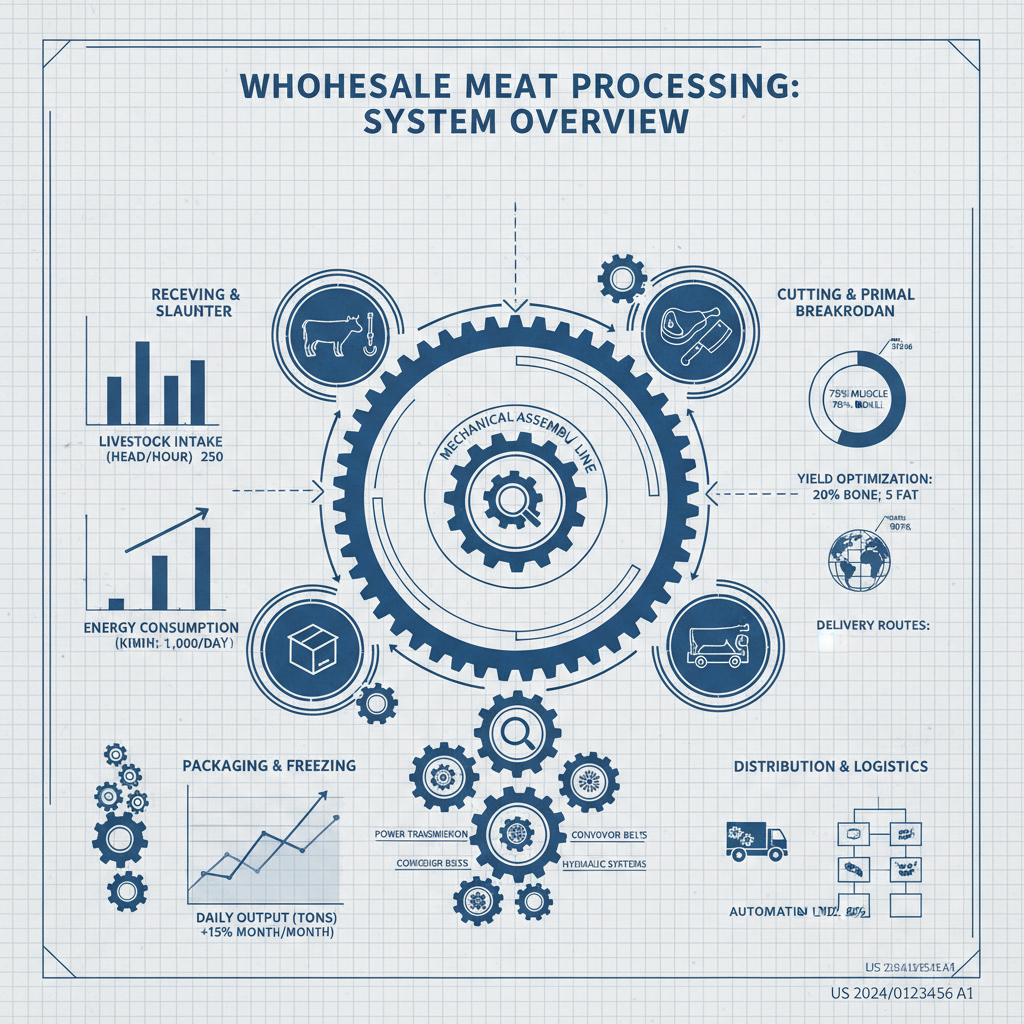
Partnering with Bossin Machinery: Your Trusted Wholesale Meat Processing Solution
Bossin Machinery offers a comprehensive suite of wholesale meat processing solutions, catering to businesses of all sizes. We pride ourselves on our commitment to quality, hygiene, and customer satisfaction. With state-of-the-art equipment, experienced personnel, and a dedication to food safety, we ensure that your meat products meet the highest standards. We can handle a wide range of meat types and processing requirements, providing customized solutions tailored to your specific needs. Contact us today to discuss how we can streamline your supply chain and enhance your bottom line.
Conclusion: Secure Your Supply Chain with a Reliable Partner
Choosing the right wholesale meat processor is a strategic decision that impacts your business's success. Prioritize quality, hygiene, efficiency, and a commitment to long-term partnership. Bossin Machinery is dedicated to providing exceptional processing services and building lasting relationships with our clients.
Frequently Asked Questions (FAQs)
What safety certifications should I look for in a wholesale meat processor?
When selecting a processor, prioritize those with USDA inspection, HACCP certification, and potentially other certifications depending on your market (e.g., organic certification). These certifications demonstrate a commitment to food safety and adherence to industry regulations. USDA inspection ensures that the facility meets federal standards for sanitation and processing practices. HACCP certification signifies that the processor has implemented a systematic approach to identifying and controlling hazards throughout the production process. Look for documented proof of these certifications and ask about their internal quality control procedures.
How can I ensure traceability of meat products?
Traceability is crucial for food safety and recall management. A reputable processor should have a robust traceability system in place that allows you to track meat products from origin to delivery. This system should include detailed records of sourcing, processing dates, batch numbers, and shipping information. Ask the processor about their traceability procedures and how they respond to potential recall situations. A clear and comprehensive traceability system demonstrates a commitment to transparency and accountability.
What packaging options are available from wholesale meat processors?
Wholesale meat processors typically offer a variety of packaging options to meet different needs. These include vacuum packaging, modified atmosphere packaging (MAP), and traditional wrapping. Vacuum packaging removes air from the package, extending shelf life and preventing freezer burn. MAP uses a specific gas mixture to preserve freshness and color. Traditional wrapping is suitable for products that will be sold quickly. Discuss your packaging requirements with the processor to determine the best option for your products and distribution channels.
What is the typical lead time for processing orders?
Lead times can vary depending on the complexity of the order, the processor's current workload, and the type of meat being processed. It’s essential to discuss lead times upfront to ensure they align with your production schedule. Larger orders or custom cuts typically require longer lead times. A reliable processor will provide realistic lead time estimates and communicate proactively if any delays occur.
Latest news
-
Comprehensive Guide to Wholesale Skip Car Solutions for Construction Efficiency
NewsMar.31,2026
-
Investing in a Wholesale Meat Salted Machine for Business Success
NewsMar.28,2026
-
Revolutionizing Burger Production with Wholesale Burger Making Forming Machine Solutions
NewsMar.26,2026
-
Comprehensive Guide to Wholesale Sausage Filler Price and Equipment Selection
NewsMar.24,2026
-
Investing in a Wholesale Beef Slicing Machine for Enhanced Business Efficiency
NewsMar.21,2026
-
Invest in a Wholesale Clipping Machine for Sausages to Optimize Production
NewsMar.19,2026