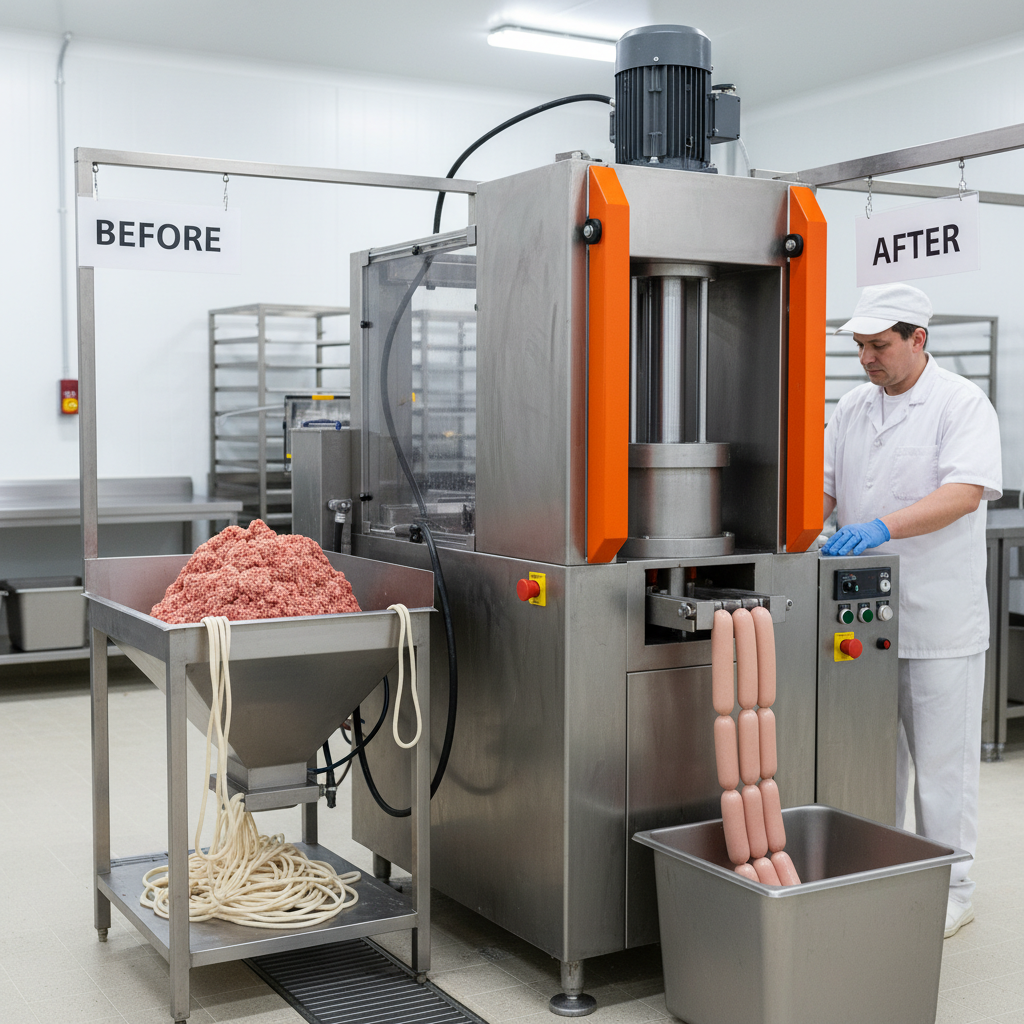
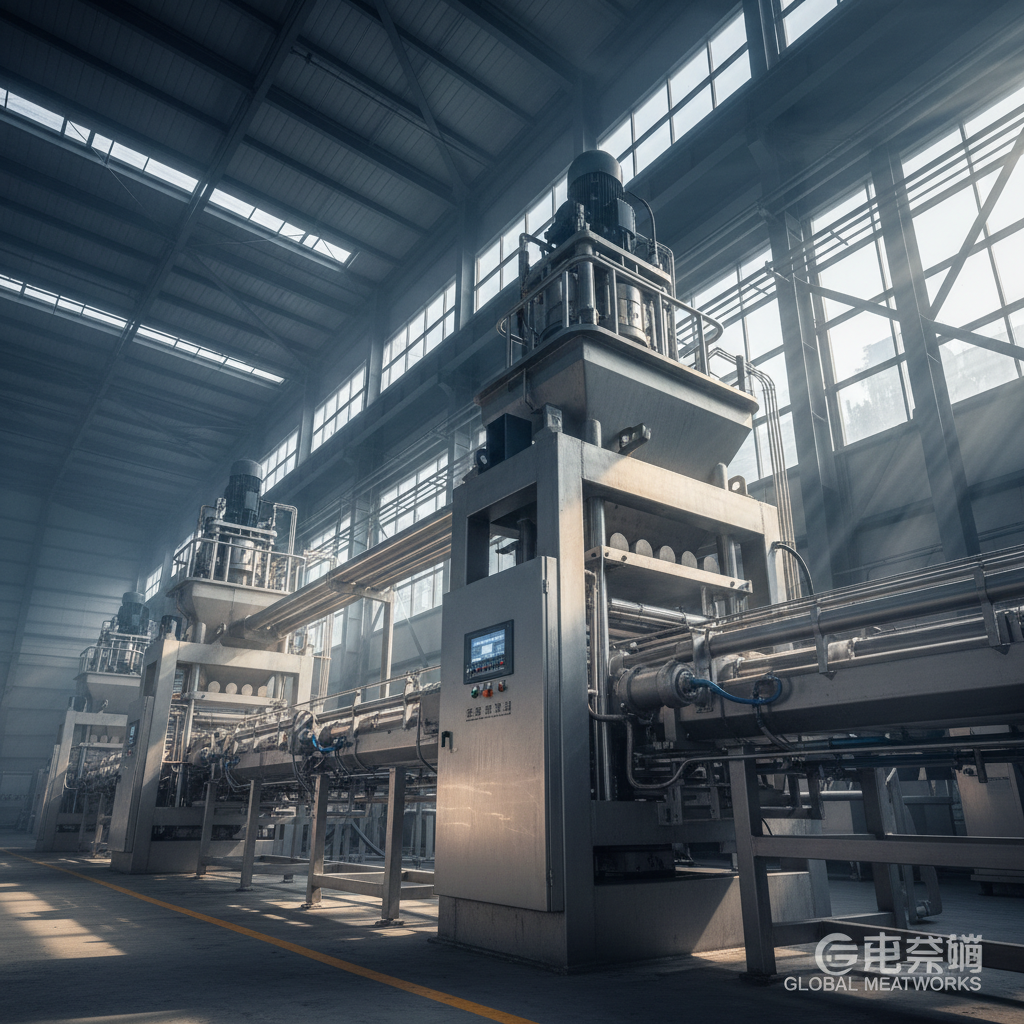
The world of culinary arts, and specifically meat processing, relies heavily on efficient and reliable tools. Among these, the sausage stuffer stands out as a pivotal piece of equipment, bridging the gap between raw ingredients and a beloved, globally consumed food product. From small-scale artisan operations to large industrial facilities, the demand for quality sausage and processed meats continues to rise, driving innovation and refinement in sausage stuffer technology. Understanding the nuances of these machines is crucial for anyone involved in food production, ensuring both product quality and operational efficiency.
Globally, the meat processing industry is a multi-billion dollar market, with sausages representing a significant portion of that revenue. According to recent reports, the global sausage market is projected to reach \$83.1 billion by 2028, exhibiting a compound annual growth rate (CAGR) of 3.2%. This growth is fuelled by changing consumer preferences, increased disposable incomes, and the convenience offered by processed meat products. Consequently, the need for sophisticated sausage stuffer equipment has never been greater.
A fundamental challenge within the industry is maintaining consistent product quality and hygiene standards while meeting increasing production demands. Traditional manual methods are often labor-intensive, prone to inconsistencies, and can pose hygiene risks. Modern sausage stuffer systems address these concerns, offering automated solutions that enhance productivity, ensure food safety, and reduce operational costs. This shift towards automation is a key driver of growth and innovation in the meat processing sector.
The Essence of Sausage Stuffers
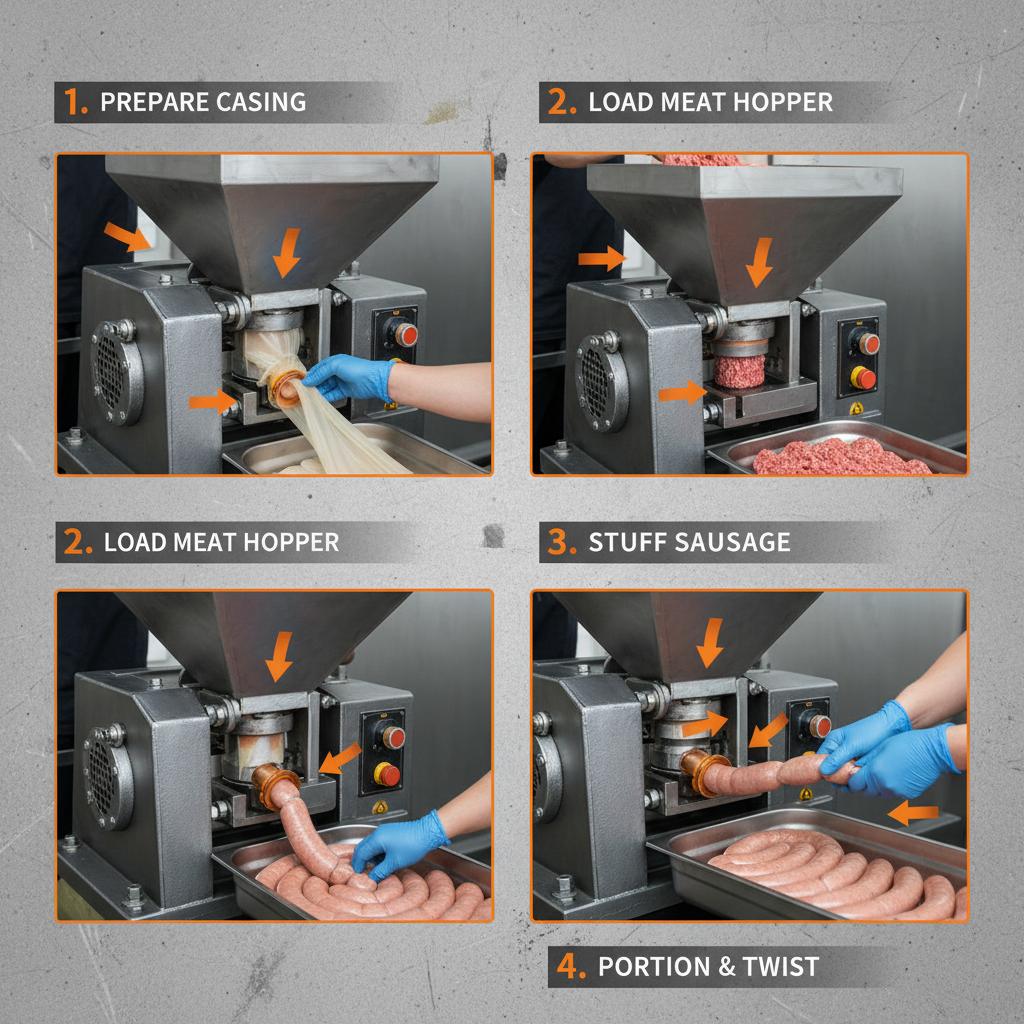
At its core, a sausage stuffer is a mechanical device designed to efficiently and hygienically fill sausage casings with meat mixtures. These mixtures, typically comprised of ground meat, seasonings, and other ingredients, are forced into casings of various materials – natural, collagen, or synthetic – creating the familiar sausage links or patties we enjoy. The quality of the stuffer directly impacts the final product’s texture, consistency, and overall appeal.
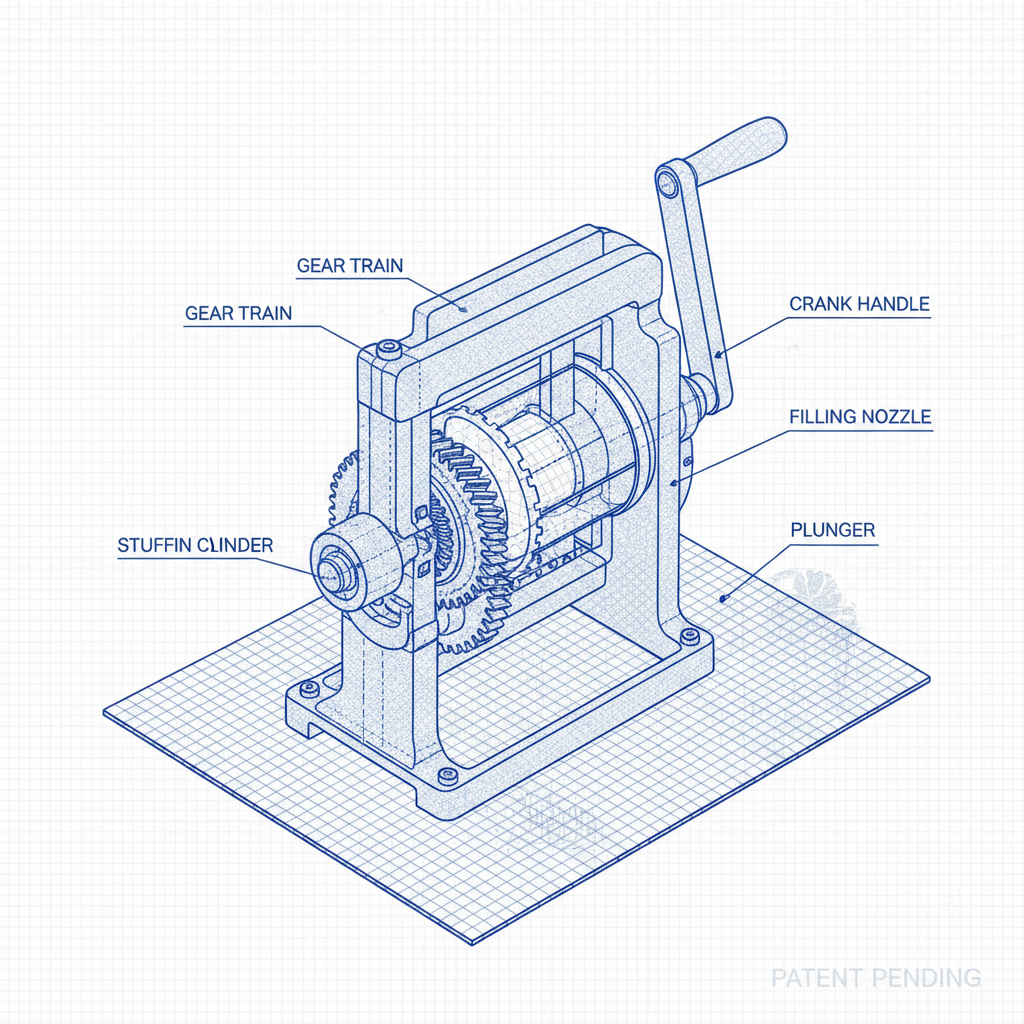
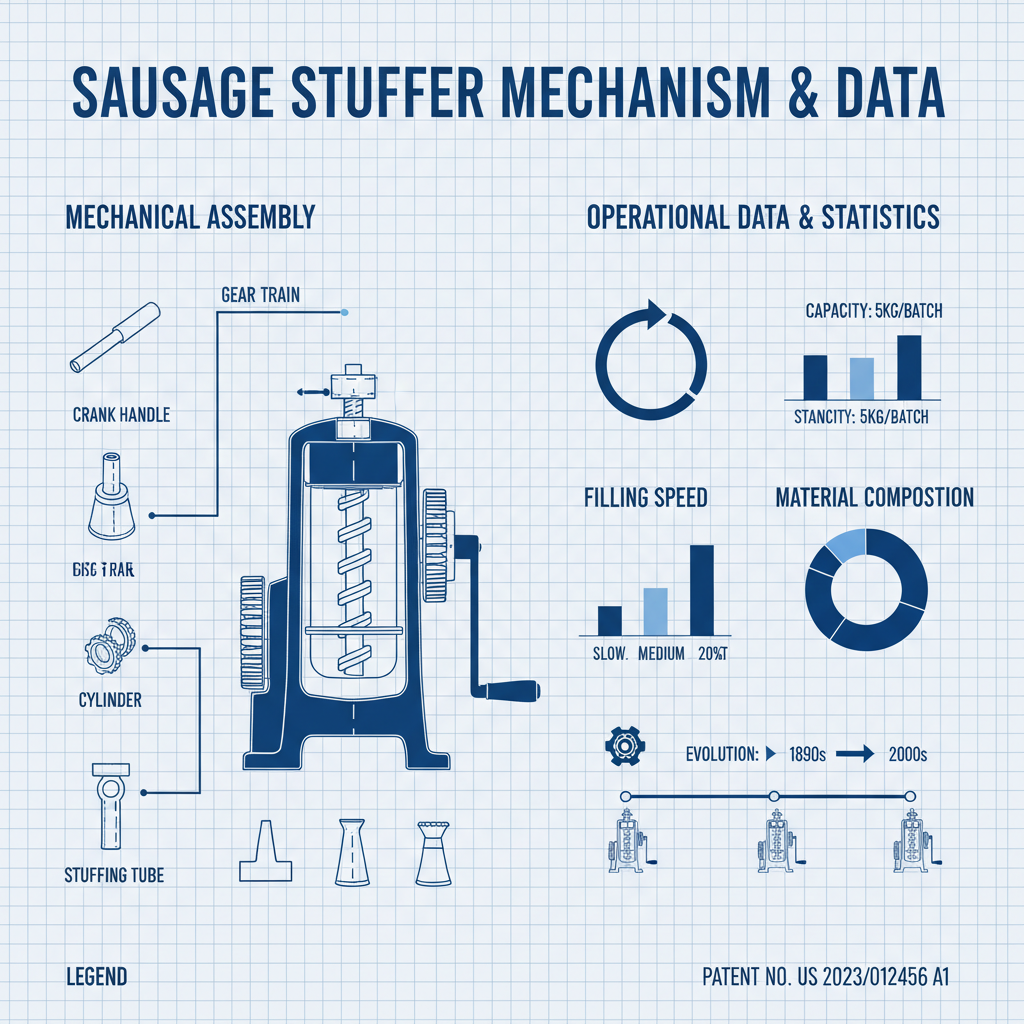
The development of the sausage stuffer has been a gradual process, evolving from manual hand-cranked machines to sophisticated automated systems. Early models were limited in capacity and required significant physical effort to operate. Modern sausage stuffer designs prioritize speed, precision, and ease of use, enabling producers to meet the growing demands of the market.
Defining the Sausage Stuffer
A sausage stuffer, in its simplest definition, is a machine that takes a meat mixture and efficiently pushes it into a casing. This process, however, is far more nuanced than it appears. Different types of sausage stuffer cater to different needs, ranging from small, tabletop models for home use or butcher shops to large, industrial-scale machines capable of processing tons of meat per hour. The choice of stuffer depends on factors like production volume, the type of sausage being made, and budget considerations.
The connection to modern industry is undeniable. The food processing industry relies heavily on efficient machinery to maintain profitability and meet consumer demand. A well-maintained and properly operated sausage stuffer is vital for ensuring consistent product quality and minimizing waste. This is particularly important in a competitive market where consumers are increasingly discerning about the food they consume.
Beyond purely commercial applications, sausage stuffer also plays a role in preserving culinary traditions. For many cultures, sausage making is a time-honored practice, and modern stuffers enable both amateur and professional cooks to continue these traditions with greater ease and efficiency.
Core Components of Effective Sausage Stuffers
Several key factors contribute to the performance and reliability of a sausage stuffer. Firstly, Durability is paramount. Commercial-grade machines are typically constructed from stainless steel to withstand the rigors of daily use and ensure compliance with food safety regulations. The quality of the motor and drive system also significantly impacts longevity.
Secondly, Capacity is a crucial consideration. Stuffers are available in a wide range of sizes, from small models with capacities of a few liters to large industrial machines that can handle hundreds of liters at a time. Choosing the right capacity ensures that production keeps pace with demand. Thirdly, Filling Speed and Control are essential. Modern machines offer variable speed settings and precise control over filling pressure, allowing producers to create sausages with consistent density and texture.
Furthermore, Hygiene and Cleanability are non-negotiable. Stuffers should be designed for easy disassembly and cleaning, with smooth surfaces that prevent bacterial growth. Materials must be resistant to corrosion and compatible with cleaning agents. Finally, Versatility – the ability to handle different types of casings and meat mixtures – adds value and flexibility to the investment.
Global Applications of Sausage Stuffers
Sausage stuffer find application across a remarkably diverse range of settings worldwide. In Europe, particularly in countries like Germany and Poland, sausage making is deeply ingrained in culinary culture, and both small artisan producers and large industrial facilities rely on efficient stuffing equipment. North America also exhibits a strong demand for sausage, driven by diverse ethnic cuisines and growing consumer interest in specialty meat products.
In post-disaster relief operations, the ability to provide nutritious, shelf-stable food is critical. Portable sausage stuffer can be deployed to create sausages from locally sourced ingredients, offering a valuable source of protein and sustenance. Similarly, in remote industrial zones, such as mining camps or construction sites, these machines enable the provision of convenient and affordable meals for workers.
Moreover, the growing trend towards sustainable food systems is driving demand for localized food production. Small-scale farmers and homesteaders are increasingly using sausage stuffer to process their own meat, reducing reliance on large-scale industrial agriculture and promoting food security.
Sausage Stuffer Performance Metrics
Advantages and Long-Term Value
The benefits of investing in a quality sausage stuffer extend far beyond simply speeding up production. The most tangible benefit is cost efficiency. Automation reduces labor costs, minimizes waste, and increases throughput, leading to higher profitability. Furthermore, modern stuffers often incorporate features that optimize meat utilization, reducing raw material expenses.
From a sustainability perspective, efficient stuffing minimizes product loss and reduces the need for excess packaging. This aligns with growing consumer demand for environmentally responsible products. On a social level, a sausage stuffer empowers small producers and artisans, fostering local economies and preserving traditional skills. The psychological benefit of consistently high-quality products also builds trust and brand loyalty.
Future Trends in Sausage Stuffer Technology
The future of sausage stuffer technology is poised for significant advancements. Automation, driven by artificial intelligence (AI) and machine learning, will play an increasingly prominent role, enabling self-monitoring, predictive maintenance, and optimized performance. Integration with digital platforms will allow for real-time data analysis and remote control capabilities.
The development of new materials, such as advanced polymers and bio-based plastics, will lead to lighter, more durable, and more hygienic machines. Furthermore, a growing emphasis on sustainability will drive the adoption of energy-efficient designs and the use of renewable energy sources in production.
Challenges and Solutions in Sausage Stuffing
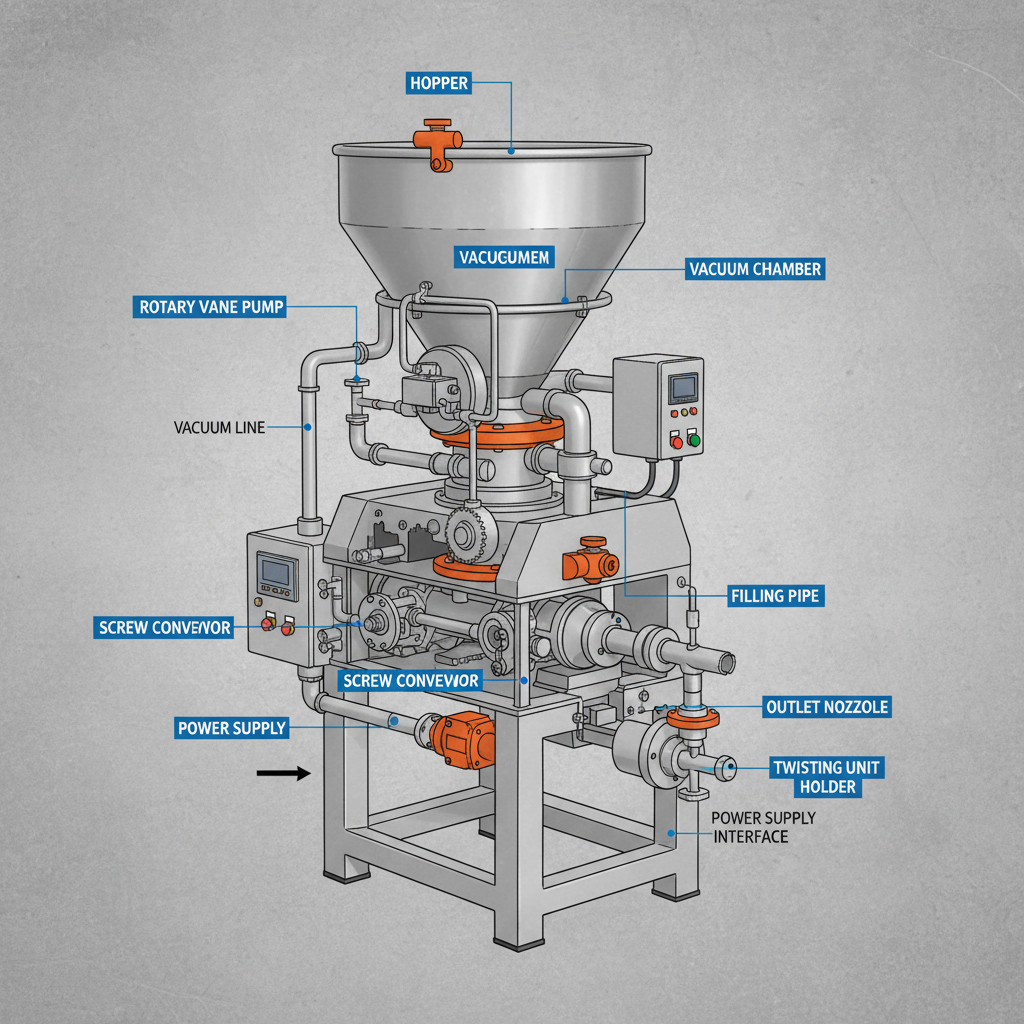
Despite advancements, challenges remain in the realm of sausage stuffer operation. Maintaining consistent product quality with varying meat mixtures can be difficult, particularly when dealing with lean meats or ingredients with differing textures. Another challenge is preventing air pockets within the sausage, which can compromise texture and shelf life.
Solutions involve utilizing stuffers with precise vacuum control and adjustable filling pressures. Advanced control systems can automatically compensate for variations in meat consistency, ensuring uniform density and minimizing air pockets. Regular maintenance and proper cleaning protocols are also crucial for preventing equipment malfunctions and maintaining hygiene standards.
Finally, operator training is paramount. Properly trained personnel can optimize machine settings, identify potential issues early on, and ensure the production of consistently high-quality sausages.
Overview of Key Sausage Stuffer Performance Indicators
| Sausage Stuffer Type |
Production Capacity (kg/hr) |
Cleaning Time (minutes) |
Maintenance Complexity (Scale 1-5) |
| Manual Hand-Cranked |
5-10 |
10-15 |
1 |
| Tabletop Electric |
20-50 |
15-20 |
2 |
| Pneumatic |
80-150 |
20-30 |
3 |
| Hydraulic |
200-400 |
30-45 |
4 |
| Fully Automated |
500+ |
45-60 |
5 |
| Vacuum-Assisted |
100-250 |
25-35 |
3 |
FAQS
For a small butcher shop, a tabletop electric sausage stuffer is often the ideal choice. These models offer a good balance of capacity, speed, and affordability. They're easy to operate and clean, and can handle a reasonable production volume without requiring a significant investment. Look for features like variable speed control and a durable stainless steel construction to ensure long-term reliability.
Cleaning your sausage stuffer after each use is crucial for maintaining hygiene and preventing bacterial contamination. Thoroughly disassemble all parts that come into contact with meat, wash them with hot, soapy water, and sanitize them with a food-grade disinfectant. Ensure all parts are completely dry before reassembling.
Most sausage stuffer can accommodate natural, collagen, and synthetic casings. However, some models may have specific requirements or recommendations. It's essential to check the manufacturer's instructions to ensure compatibility. Using the wrong casing type can lead to damage or poor performance.
Air pockets are a common issue in sausage making. To minimize them, ensure that your meat mixture is thoroughly mixed and free of large air bubbles. Use a sausage stuffer with vacuum assistance, which helps to remove air from the casing as it fills. Avoid overfilling the casings, and use a consistent filling pressure.
Regular maintenance is vital for extending the life of your sausage stuffer. This includes lubricating moving parts, inspecting for wear and tear, and replacing worn components. Refer to the manufacturer's manual for specific maintenance recommendations. Regular cleaning as mentioned above is also a crucial part of preventative maintenance.
Always disconnect the power supply before cleaning or performing maintenance. Wear appropriate personal protective equipment (PPE), such as gloves and eye protection. Never operate the stuffer with missing or damaged parts. Follow the manufacturer’s safety guidelines and ensure that all operators are properly trained.
Conclusion
In conclusion, the sausage stuffer is an indispensable tool in the modern food processing industry, playing a vital role in ensuring efficient, hygienic, and consistent sausage production. From small-scale artisan operations to large industrial facilities, the benefits of investing in a quality machine are substantial, encompassing cost savings, improved product quality, and enhanced food safety. Understanding the core components, applications, and future trends of this technology is crucial for anyone involved in the meat processing sector.
Looking ahead, continued innovation in automation, materials science, and digital integration will further refine sausage stuffer technology. Embracing these advancements will be key to meeting the evolving demands of the market and maintaining a competitive edge. We invite you to explore our comprehensive range of sausage stuffing solutions at www.bossinmachinery.com and discover how we can help optimize your production process.