The global food processing industry is a multi-trillion dollar market, with meat and poultry processing representing a significant portion. Efficiency, hygiene, and consistency are paramount in this sector, driving demand for specialized machinery. commercial sausage stuffer are vital components of this process, ensuring high-quality product output and meeting stringent food safety regulations. The need for automated and reliable sausage stuffing solutions is increasing due to rising consumer demand for processed meats and the need to scale production without compromising quality.
The increasing demand for processed meat products worldwide, coupled with labor shortages and rising costs, necessitates the adoption of automated solutions like commercial sausage stuffer. These machines not only increase production capacity but also ensure consistent product quality, reduce waste, and minimize the risk of contamination. This translates to increased profitability and a stronger competitive edge for meat processing businesses.
From small-scale artisan butchers to large-scale industrial processors, commercial sausage stuffer are indispensable. They play a critical role in delivering a diverse range of sausage products to consumers globally, from traditional recipes to innovative new flavors and formats. Technological advancements continue to refine these machines, offering enhanced precision, versatility, and ease of operation.
The Core Functionality of commercial sausage stuffer
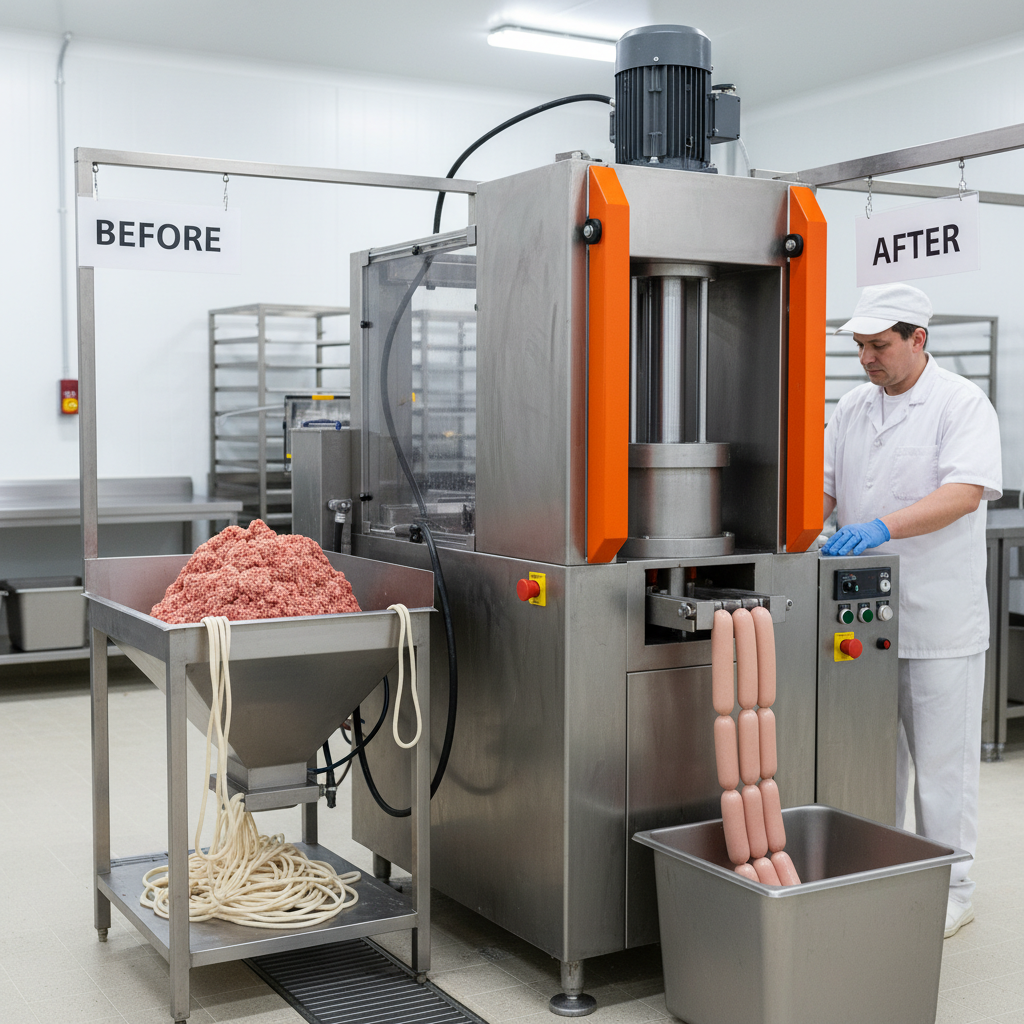
At its core, a commercial sausage stuffer accurately and efficiently fills sausage casings with meat mixtures. Modern machines go beyond simple filling, offering precise control over filling speed, portion size, and product density. This precision is critical for consistent product quality and minimizing waste.
The functionality extends to handling various sausage types, including fresh, cooked, and smoked varieties. Different machines are designed for specific casing types – natural, collagen, or synthetic – ensuring optimal performance and preventing damage to the casing during the filling process.
Defining commercial sausage stuffer in Modern Processing
A commercial sausage stuffer is an automated or semi-automated machine designed for the efficient and hygienic filling of sausage casings with meat emulsions or other pre-mixed ingredients. It’s a cornerstone of modern meat processing facilities, streamlining production and ensuring consistency.
Unlike manual stuffing methods, these machines offer significant advantages in terms of speed, accuracy, and sanitation. They are integral to meeting the demands of large-scale food production while maintaining high food safety standards.
The evolution of commercial sausage stuffer reflects the broader trends in food processing – a focus on automation, hygiene, and the ability to handle diverse product formulations. These machines are not merely filling devices; they are integrated components of a comprehensive meat processing system.
Key Components and Operational Principles
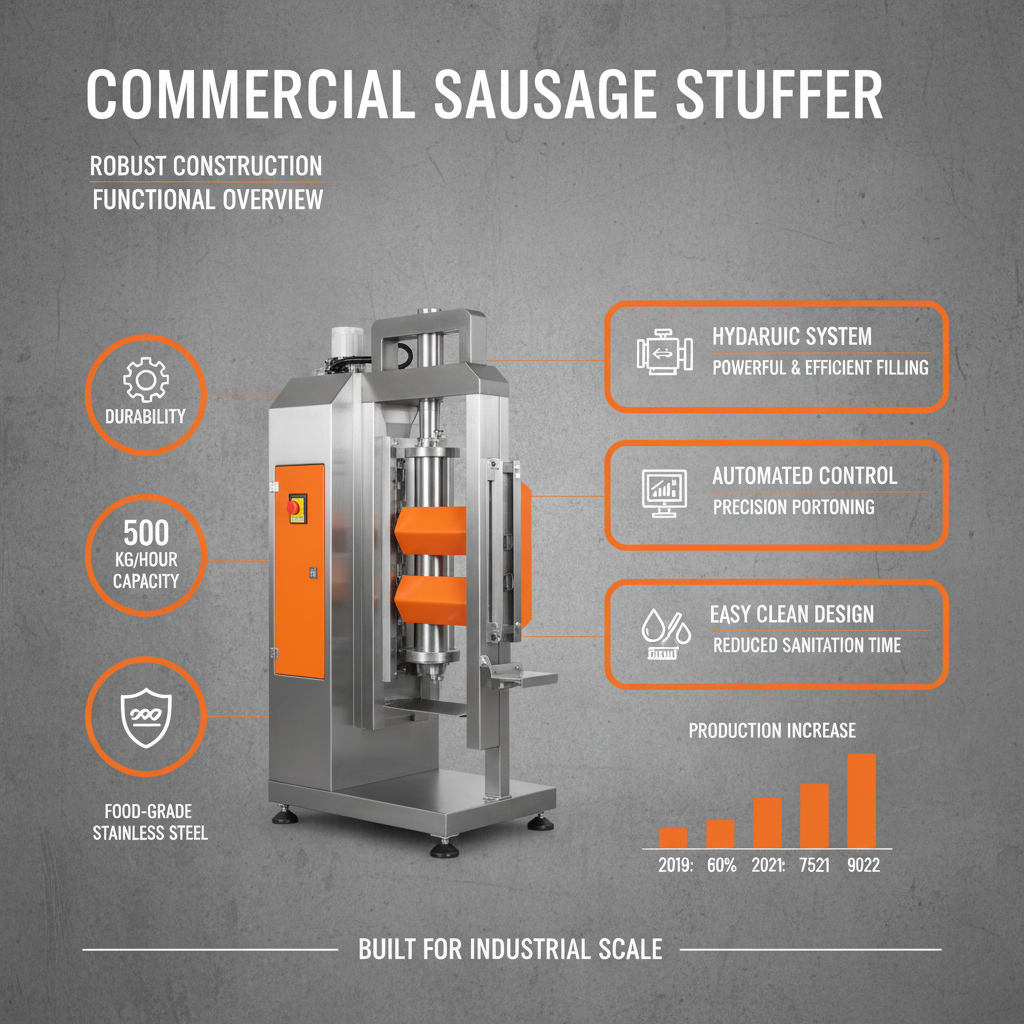
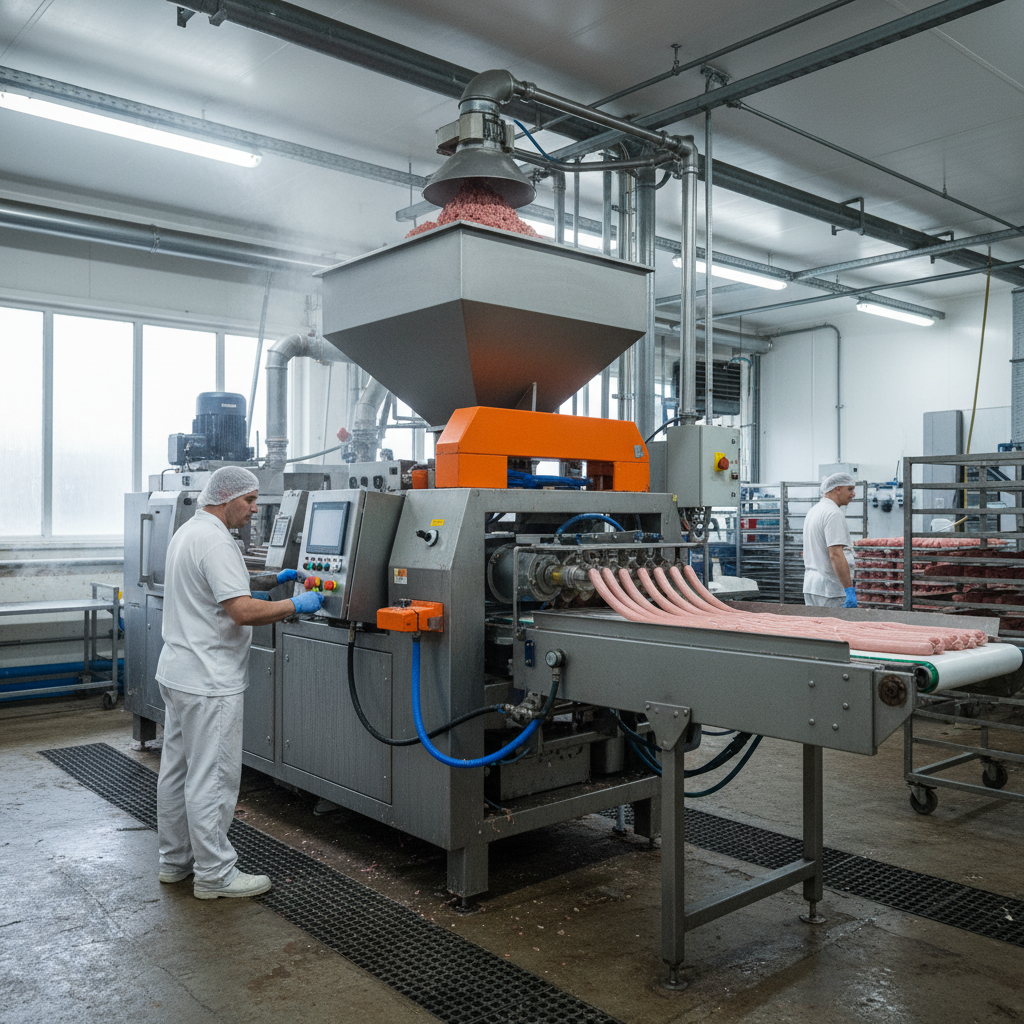
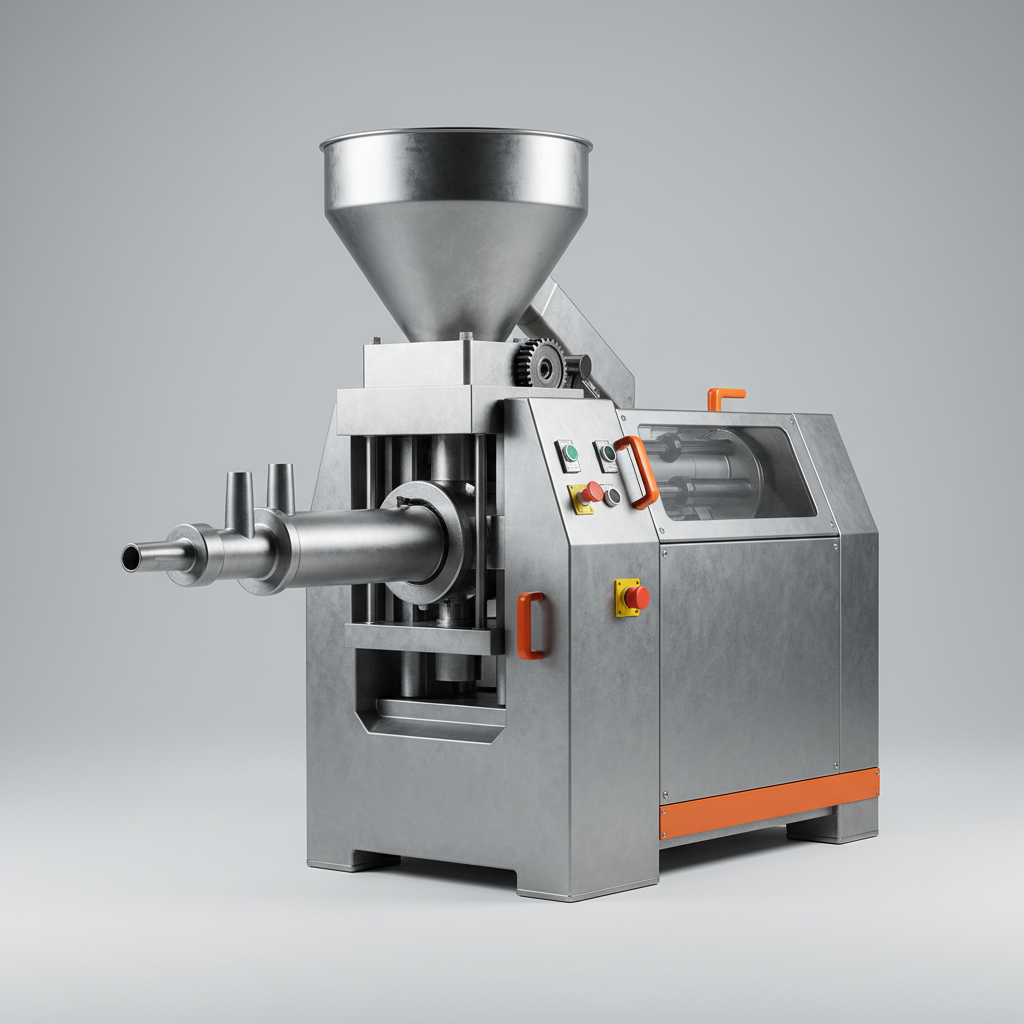
The core components of a commercial sausage stuffer typically include a hopper for holding the meat mixture, a feeding system to transport the mixture to the filling nozzle, a vacuum system for removing air pockets, and a control panel for adjusting settings. The hopper capacity, feeding system design, and vacuum efficiency all contribute to the machine’s overall performance.
Operationally, the meat mixture is loaded into the hopper and propelled towards the filling nozzle by a positive displacement pump or a rotating screw. The vacuum system removes air, preventing voids in the sausage and ensuring a dense, consistent product. Advanced models feature programmable logic controllers (PLCs) for precise control and monitoring of all parameters.
The choice of material for components contacting the meat mixture is crucial, with stainless steel being the industry standard for its hygienic properties, corrosion resistance, and durability. Regular cleaning and sanitation are essential to maintain food safety standards.
Global Applications of commercial sausage stuffer
commercial sausage stuffer are utilized globally across a vast spectrum of meat processing operations. In Europe, particularly in Germany and Italy, these machines are essential for producing traditional sausages and cured meats. North America relies heavily on these machines for large-scale production of hot dogs, breakfast sausages, and other processed meat products.
In emerging markets like Brazil and China, the demand for commercial sausage stuffer is rapidly increasing due to the growing middle class and changing dietary habits. The machines enable local producers to meet the rising demand for convenient and affordable processed meat options.
Even in smaller-scale artisan operations, these machines are gaining popularity, offering a balance of efficiency and quality. Whether it's a local butcher shop producing specialty sausages or a large-scale manufacturer supplying global markets, commercial sausage stuffer are a fundamental tool.
commercial sausage stuffer Application by Processing Type
Advantages and Long-Term Value of commercial sausage stuffer
The primary advantage of using a commercial sausage stuffer is increased production efficiency. Automating the filling process significantly reduces labor costs and allows for higher throughput compared to manual methods. This translates directly to increased profitability for meat processing businesses.
Beyond efficiency, these machines offer enhanced product consistency and hygiene. Precise control over filling parameters ensures uniform sausage size and density, while the use of stainless steel construction and easy-to-clean components minimizes the risk of bacterial contamination. This is critical for meeting stringent food safety regulations and maintaining consumer trust.
Future Trends in commercial sausage stuffer Technology
The future of commercial sausage stuffer technology is geared towards increased automation, data integration, and customized solutions. We can expect to see more sophisticated PLC controls with advanced monitoring and reporting capabilities.
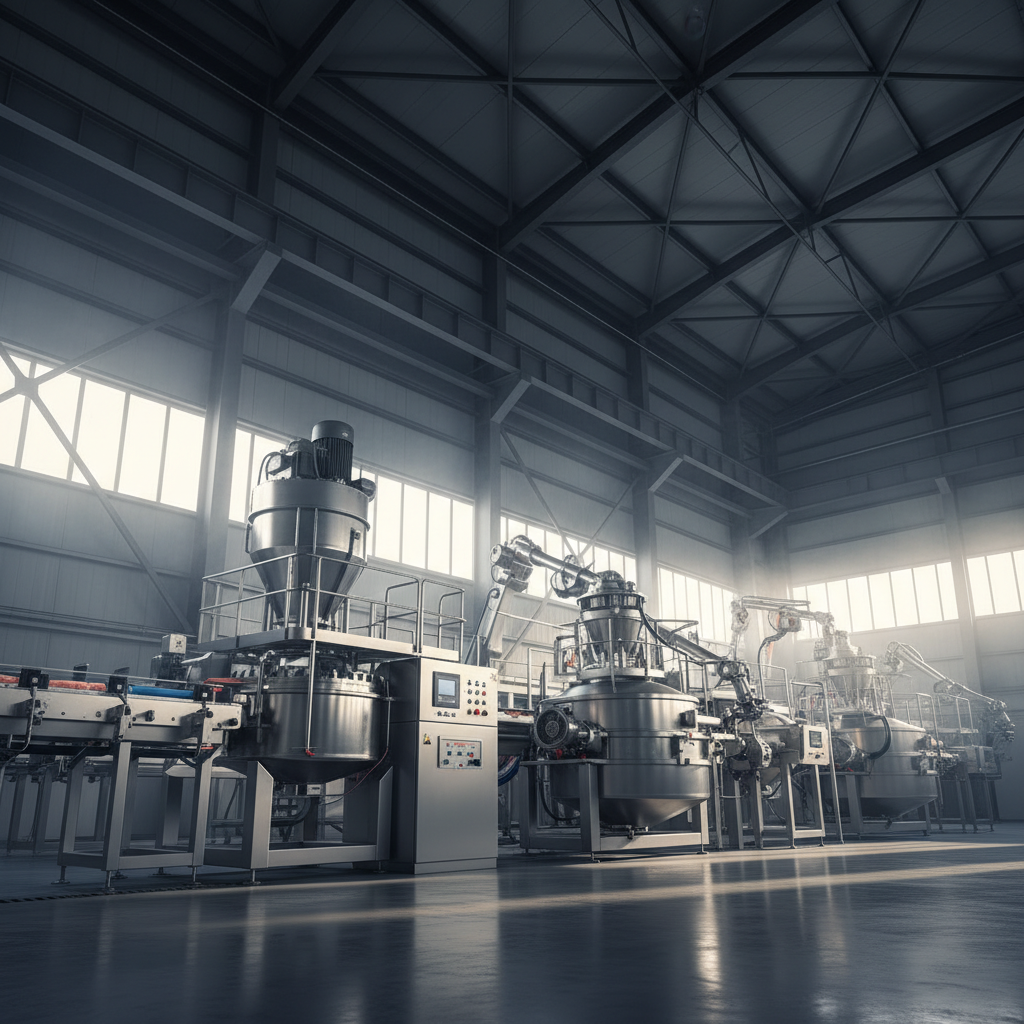
Integration with other food processing equipment will become increasingly common, creating fully automated production lines. Furthermore, the development of machines capable of handling plant-based meat alternatives and other non-traditional sausage fillings is likely to emerge, catering to the evolving dietary preferences of consumers.
The implementation of AI-powered systems to optimize filling parameters based on real-time data analysis is also on the horizon, promising even greater efficiency and product quality.
Challenges and Solutions in commercial sausage stuffer Implementation
One of the main challenges in implementing commercial sausage stuffer is ensuring proper sanitation and preventing bacterial growth. Regular and thorough cleaning is essential, and specialized cleaning-in-place (CIP) systems are becoming increasingly popular.
Another challenge is adapting the machine to different sausage formulations and casing types. This requires versatile machine designs and skilled operators capable of adjusting settings appropriately. Proper training and preventative maintenance are critical for maximizing machine uptime and preventing costly breakdowns.
Addressing these challenges requires a collaborative approach between machine manufacturers, food processing facilities, and hygiene experts. Investing in high-quality equipment, providing comprehensive training, and implementing robust sanitation protocols are key to successful implementation.
Analysis of Commercial Sausage Stuffer Performance Metrics
| Operational Efficiency |
Product Consistency |
Sanitation Level |
Maintenance Requirements |
| Throughput (Sausages/Hour) |
Weight Variance (± Grams) |
Cleaning Time (Minutes) |
Preventative Maintenance Frequency (Months) |
| 2,000 |
± 2 |
30 |
6 |
| 2,500 |
± 1.5 |
25 |
6 |
| 1,800 |
± 3 |
45 |
3 |
| 2,200 |
± 2.5 |
35 |
12 |
| 2,800 |
± 1 |
20 |
6 |
FAQS
The payback period for a commercial sausage stuffer varies depending on production volume, labor costs, and existing infrastructure. However, most businesses experience a return on investment within 12-24 months due to increased efficiency, reduced labor costs, and improved product quality. A detailed cost-benefit analysis considering your specific circumstances is recommended.
Regular maintenance includes daily cleaning and sanitation, weekly lubrication of moving parts, and annual professional servicing. Checking for wear and tear on components like seals, pumps, and knives is crucial. Following the manufacturer's recommended maintenance schedule will significantly extend the lifespan of the machine and minimize downtime.
Most commercial sausage stuffer are designed to accommodate various casing types, including natural casings, collagen casings, and synthetic casings. However, specific models may be better suited for certain casing types. It’s crucial to select a machine that is compatible with your intended casing material.
Modern commercial sausage stuffer typically include features like emergency stop buttons, safety guards to prevent access to moving parts, and overload protection systems. Adhering to safety protocols and providing proper training to operators is essential for preventing accidents.
For small-scale operations, factors like machine size, capacity, ease of cleaning, and price are particularly important. A semi-automatic model might be sufficient, offering a balance between automation and affordability. Consider future growth potential when selecting a machine.
Automation minimizes human contact with the product, reducing the risk of contamination. Precise control over filling parameters and temperature helps maintain food safety standards. Furthermore, automated cleaning systems enhance sanitation efficiency.
Conclusion
In conclusion, the commercial sausage stuffer represents a crucial investment for any meat processing operation. Its impact extends beyond mere efficiency gains, encompassing improved product quality, enhanced food safety, and reduced labor costs. The ongoing advancements in technology promise even greater performance and versatility in the years to come.
Looking ahead, the integration of smart technologies and data analytics will further optimize sausage production processes. By embracing innovation and prioritizing preventative maintenance, businesses can unlock the full potential of these machines and maintain a competitive edge in the dynamic food processing industry. Visit our website at www.bossinmachinery.com to learn more about our range of commercial sausage stuffer solutions.