The global food processing industry relies heavily on efficient and reliable machinery, and within this landscape, the demand for high-quality sausage production equipment is consistently high. A vacuum sausage filler with clipper is a cornerstone of modern meat processing operations, ensuring consistent product quality, increased production speeds, and minimized waste. The need for these machines spans across diverse markets, from large-scale industrial producers to smaller, artisanal sausage makers.
The significance of advanced sausage filling technology extends beyond mere production volume. It directly impacts food safety, shelf life, and the overall appeal of the final product. Vacuum filling, coupled with precise clipping, removes air pockets, creating a denser, more visually appealing sausage, and inhibiting bacterial growth. This is particularly critical in a world increasingly focused on food safety standards and consumer health. The benefits are tangible, leading to reduced spoilage, enhanced product presentation and increased consumer confidence.
Understanding the nuances of a vacuum sausage filler with clipper – its components, operational principles, and suitability for different applications – is vital for any business involved in sausage production. Choosing the right machine can significantly improve operational efficiency, reduce labor costs, and ultimately boost profitability. This guide provides an in-depth exploration of this essential equipment, covering its core features, applications, and future trends.
The Evolution and Global Impact of vacuum sausage filler with clipper
The journey of sausage production has evolved significantly, from traditional hand-filling methods to the automated precision of modern vacuum sausage filler with clipper systems. Historically, sausage making was a labor-intensive process, heavily reliant on skilled craftsmanship. The introduction of mechanized fillers in the early 20th century marked a turning point, increasing production capacity and improving consistency. However, it was the advent of vacuum technology that truly revolutionized the industry.
Globally, the demand for processed meats, including sausages, continues to rise, driven by factors such as increasing disposable incomes, urbanization, and changing dietary habits. According to the FAO, meat production is projected to increase by approximately 15% by 2030. This growth fuels the need for efficient and reliable processing equipment, with vacuum sausage filler with clipper machines playing a crucial role in meeting this demand. Regions with significant meat processing industries, such as Europe, North America, and Asia, are key drivers of innovation and adoption of advanced technologies.
Defining Vacuum Sausage Filling and Clipping Technology
A vacuum sausage filler with clipper is a specialized piece of food processing equipment designed to efficiently and accurately fill sausage casings with meat mixtures, simultaneously removing air and forming a secure clip to seal the end. The “vacuum” aspect is critical, as it removes air pockets within the sausage, resulting in a denser, more consistent product with enhanced shelf life and improved visual appeal. The "clipper" component securely seals the casing, preventing leakage and maintaining product integrity.
This technology stands in contrast to traditional filling methods, which often introduce air into the sausage, leading to inconsistent texture, potential spoilage, and a less appealing appearance. Modern machines typically employ a volumetric or weight-based filling system, ensuring precise portion control and minimizing product waste. They are an integral part of a complete sausage production line, often working in conjunction with other equipment like meat grinders, mixers, and brining machines.
Understanding the interplay between the vacuum and clipping mechanisms is essential. The vacuum creates a negative pressure within the filling chamber, drawing the meat mixture into the casing while simultaneously expelling air. The clipper then rapidly forms and seals the casing, creating a consistent and airtight closure. This process is vital for maintaining the quality and safety of the final product, contributing to longer shelf life and reducing the risk of bacterial contamination.
Core Components and Operational Principles
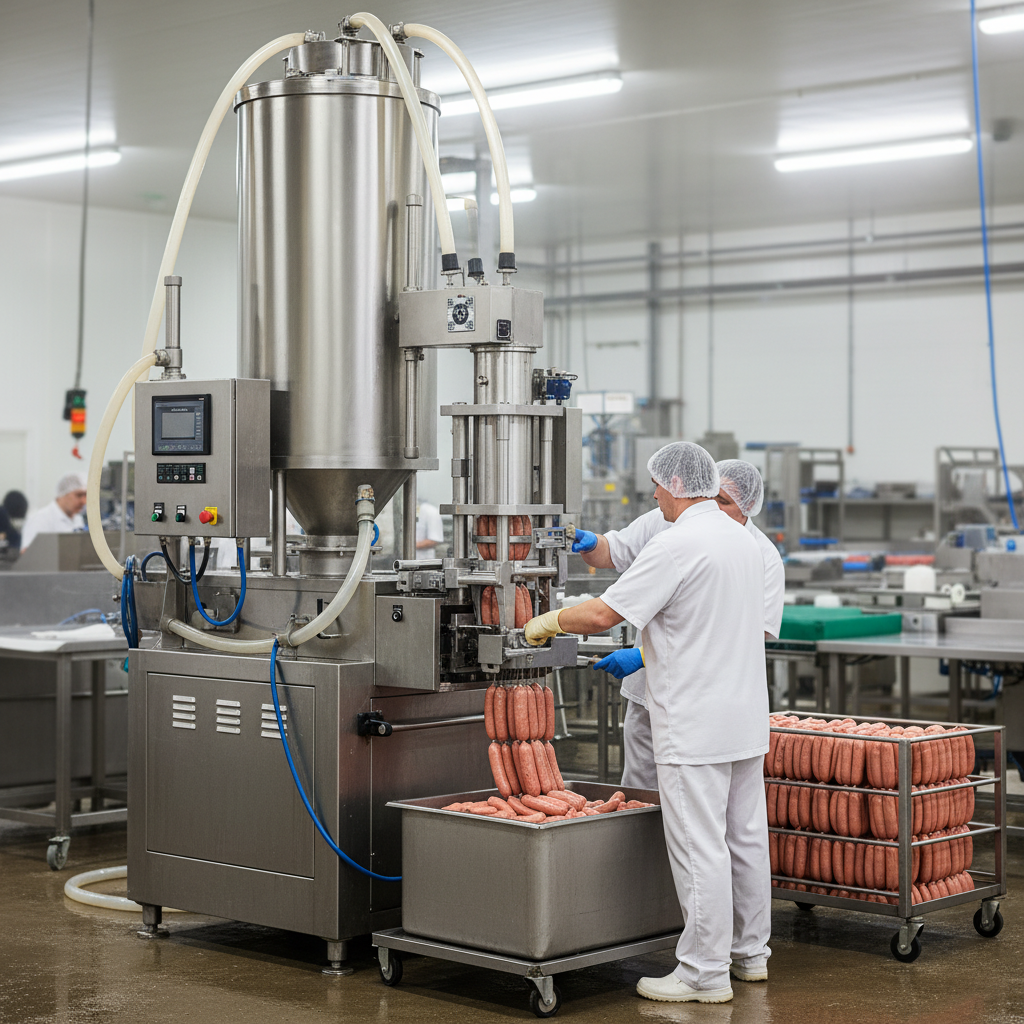
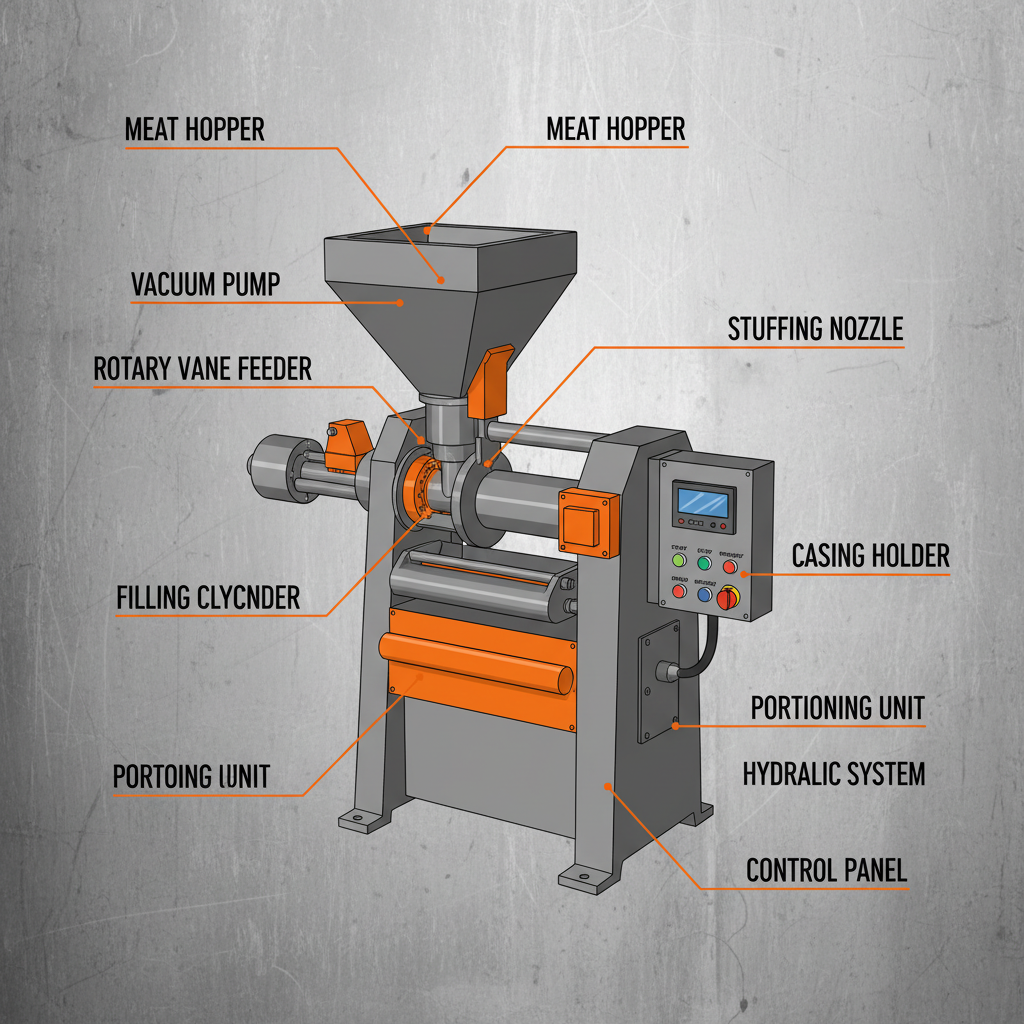
At the heart of any vacuum sausage filler with clipper lies a sophisticated system of components working in harmony. These typically include a hopper for holding the meat mixture, a vacuum pump to remove air, a filling nozzle to dispense the mixture into the casing, and a clipping mechanism to seal the end. Beyond these core components, modern machines often incorporate advanced features such as programmable logic controllers (PLCs) for precise control, touchscreen interfaces for easy operation, and automated cleaning systems for hygiene.
The operational principle relies on creating a pressure differential. The vacuum pump creates a negative pressure within the filling chamber, drawing the meat mixture from the hopper and into the casing through the filling nozzle. The rate of filling and the vacuum level are carefully controlled to ensure consistent product density and minimize air pockets. Simultaneously, the clipping mechanism prepares to seal the casing once the desired portion size is reached.
Different types of clipping mechanisms exist, including manual, semi-automatic, and fully automatic systems. Automatic clippers utilize a series of cams, knives, and actuators to quickly and efficiently form and seal the casing, while manual and semi-automatic systems require more operator intervention. The choice of clipping mechanism depends on the production volume and the desired level of automation.
Key Performance Indicators of a vacuum sausage filler with clipper
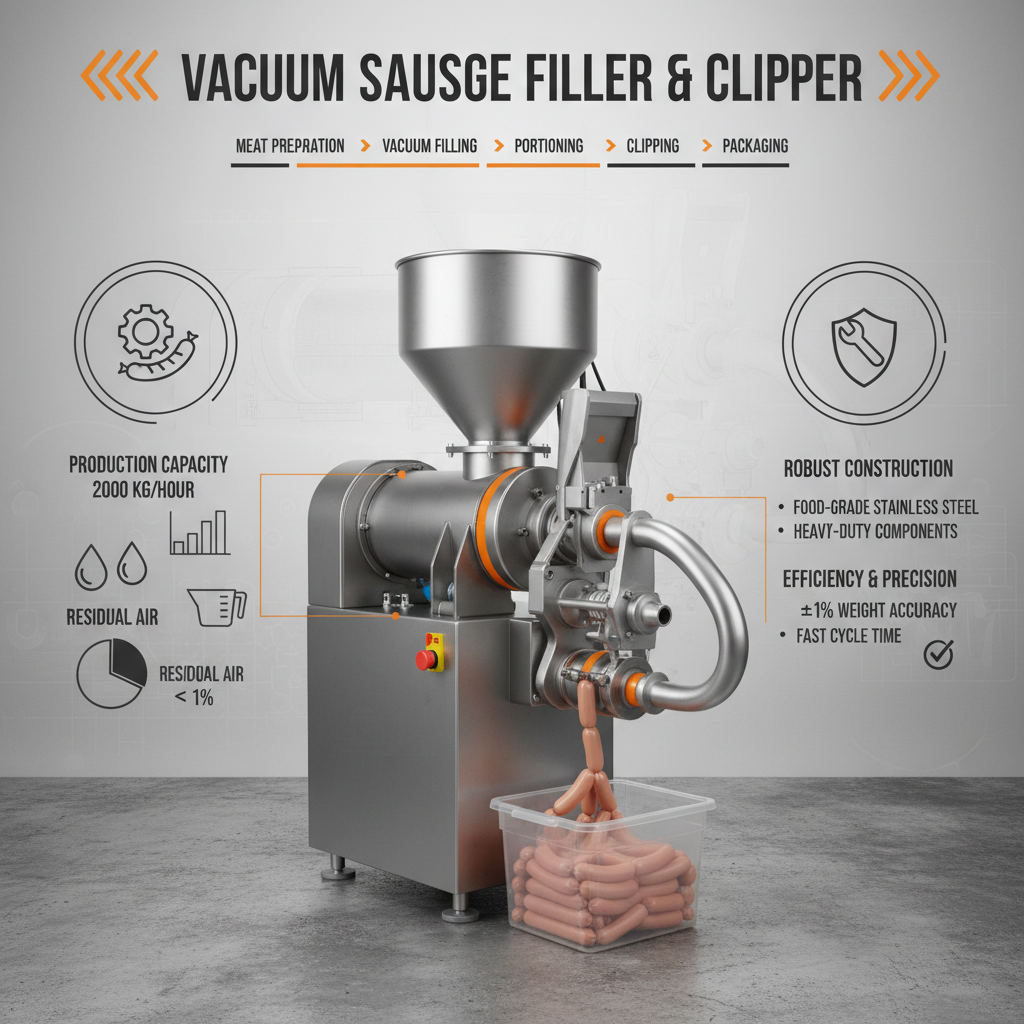
Evaluating the performance of a vacuum sausage filler with clipper requires considering several key indicators. Production capacity, measured in kilograms or pounds per hour, is a primary metric, reflecting the machine's ability to meet production demands. Filling accuracy, expressed as a percentage of the target weight, is crucial for ensuring consistent product quality and minimizing waste.
Another vital KPI is vacuum efficiency, which indicates how effectively the machine removes air from the sausage mixture. Higher vacuum efficiency results in a denser, more stable product with improved shelf life. Uptime and maintenance requirements are also important considerations, as downtime can significantly impact production output.
KPI Comparison of Different vacuum sausage filler with clipper Methods
Global Applications and Industry Specific Use Cases
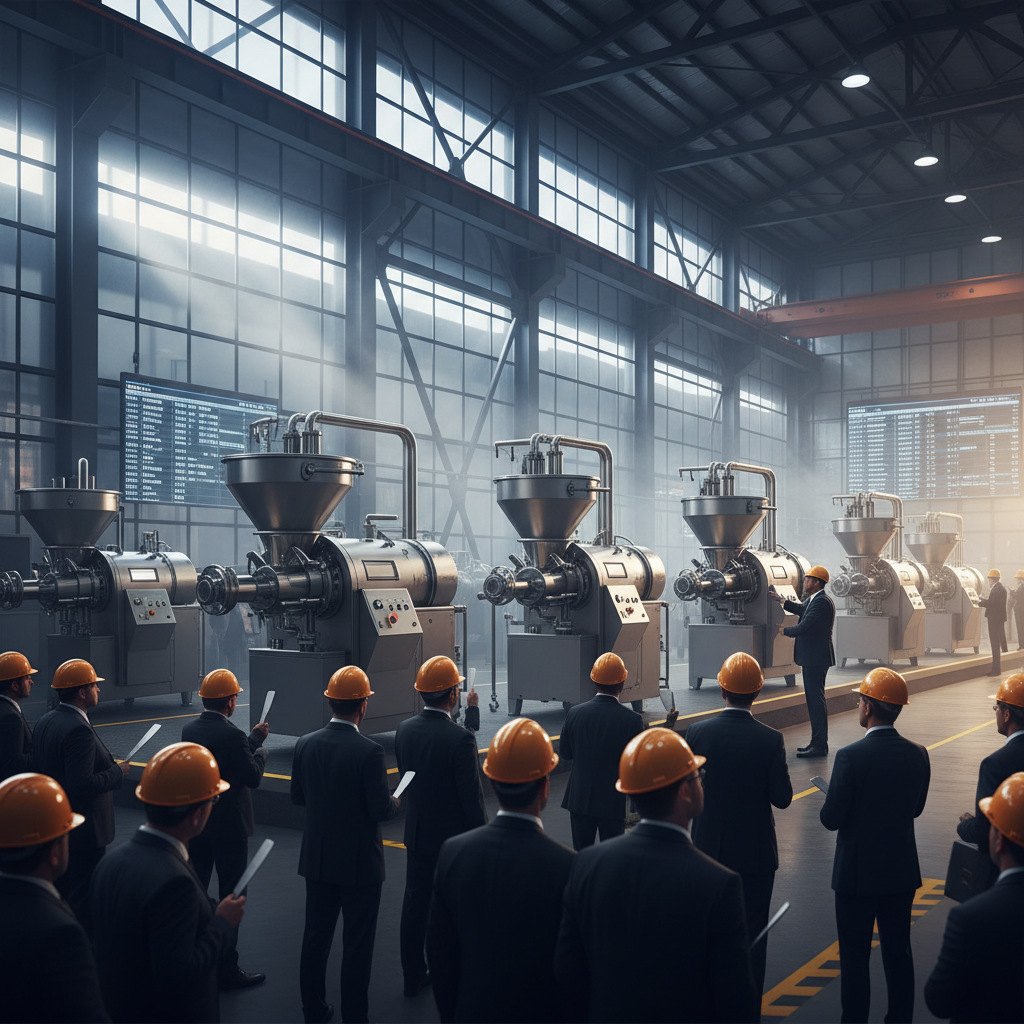
The applications of a vacuum sausage filler with clipper are widespread across the global food processing industry. From large-scale meatpacking plants producing thousands of kilograms of sausage daily to smaller artisanal producers specializing in handcrafted varieties, these machines are integral to the production process. The demand is particularly strong in regions with a high consumption of processed meats, such as Europe, North America, and Asia.
Within the food processing sector, specific use cases vary depending on the type of sausage being produced. For example, in the production of cooked sausages, vacuum filling is essential for achieving a uniform texture and preventing the formation of voids. In the production of dry-cured sausages, vacuum filling helps to remove air and create a dense product that is ideal for fermentation and aging. In post-disaster relief operations, portable vacuum sausage filler with clipper systems can provide a crucial source of protein and nutrition.
The Advantages of Investing in a High-Quality System
Investing in a high-quality vacuum sausage filler with clipper offers a multitude of benefits, extending far beyond simply increasing production capacity. A reliable machine ensures consistent product quality, reducing waste and maximizing yield. Improved hygiene features, such as easy-to-clean surfaces and automated sanitation systems, contribute to enhanced food safety and compliance with industry regulations.
Furthermore, advanced automation features can significantly reduce labor costs and improve operational efficiency. Precise filling control minimizes product giveaway, while automated clipping systems eliminate the need for manual labor. These benefits translate into a faster return on investment and increased profitability. The long-term value resides in its durability, minimizing costly repairs and replacements, and increasing the lifespan of the equipment.
Future Trends and Technological Advancements
The future of vacuum sausage filler with clipper technology is poised for significant advancements, driven by trends such as Industry 4.0, automation, and sustainability. Integration with IoT (Internet of Things) sensors and data analytics platforms will enable real-time monitoring of machine performance, predictive maintenance, and optimized production processes.
We can anticipate the development of more sophisticated control systems that utilize artificial intelligence (AI) to adapt to changing product formulations and optimize filling parameters. The incorporation of robotic automation will further reduce labor costs and improve efficiency, while advancements in materials science will lead to the development of more hygienic and durable machine components. Focusing on energy-efficient designs and minimizing water consumption will address growing sustainability concerns.
Digital transformation will be key. Cloud-based monitoring and remote diagnostics will become standard features, allowing manufacturers to proactively address potential issues and minimize downtime. The trend towards customized sausage production will drive the demand for flexible machines capable of handling a wide range of casing types and product formulations.
Challenges and Solutions in Vacuum Sausage Filling Technology
Despite the significant advancements in vacuum sausage filler with clipper technology, certain challenges remain. Maintaining consistent vacuum levels across different product formulations and casing types can be difficult, potentially leading to inconsistent product quality. Casing tearing and clipping errors can also occur, resulting in product waste and downtime.
Another challenge is ensuring hygienic operation and preventing bacterial contamination. Regular cleaning and sanitation are essential, but can be time-consuming and labor-intensive. Addressing these challenges requires a multi-faceted approach, including precise control systems, robust clipping mechanisms, and optimized machine design. Implementing automated cleaning systems and utilizing antimicrobial materials can enhance hygiene and reduce the risk of contamination.
Summary of Solutions to Common Challenges in vacuum sausage filler with clipper Operation
| Challenge |
Impact on Production |
Solution |
Implementation Cost (1-10) |
| Inconsistent Vacuum Levels |
Variable product density and shelf life |
Implement advanced vacuum control systems with feedback loops |
7 |
| Casing Tears |
Product Waste and Downtime |
Optimize filling pressure and clipper settings |
4 |
| Clipping Errors |
Product Leakage and Contamination |
Utilize high-quality clipper components and precise timing |
6 |
| Hygiene Concerns |
Bacterial Contamination Risk |
Automated cleaning and sanitation systems |
8 |
| Machine Downtime |
Reduced Production Capacity |
Predictive maintenance using IoT sensors |
5 |
| Operator Training |
Incorrect Operation & Reduced Efficiency |
Comprehensive training programs and user-friendly interfaces |
3 |
FAQS
The primary difference is the removal of air during the filling process. A vacuum filler actively draws a vacuum, eliminating air pockets and resulting in a denser, more consistent sausage. Non-vacuum fillers allow air to remain, leading to a less dense product and potentially shorter shelf life. Vacuum filling also improves product appearance and reduces the risk of oxidation, making it ideal for applications requiring high-quality finished goods.
Most vacuum sausage fillers are designed to accommodate a wide range of casings, including natural casings (hog, sheep, beef), collagen casings, fibrous casings, and plastic casings. However, the specific compatibility will depend on the machine’s design and settings. It's crucial to consult the manufacturer's guidelines to ensure proper operation and avoid damaging the casings.
Regular maintenance is crucial for ensuring optimal performance and prolonging the lifespan of a vacuum sausage filler with clipper. Daily cleaning and sanitation are essential. Periodic inspections of components like vacuum pumps, clips, and seals should be performed weekly or monthly, depending on usage. Following the manufacturer’s recommended maintenance schedule is highly recommended.
Safety is paramount when operating food processing equipment. Key safety features to look for include emergency stop buttons, safety guards to prevent access to moving parts, overload protection for the motor, and interlocks that prevent operation if the machine is not properly assembled. Compliance with relevant safety standards (e.g., CE marking) is also essential.
The payback period for an automated vacuum sausage filler with clipper varies depending on factors such as production volume, labor costs, and product type. However, a typical payback period ranges from 1 to 3 years. The reduction in labor costs, increased production capacity, and minimized product waste contribute to a faster return on investment.
Vacuum filling significantly extends the shelf life of sausages by removing oxygen, which is a key factor in the growth of spoilage bacteria. The reduced oxygen content inhibits microbial activity, slowing down the degradation process. This allows for longer storage times and reduces the risk of foodborne illnesses, making vacuum-filled sausages more desirable for consumers.
Conclusion
In conclusion, the vacuum sausage filler with clipper stands as a vital component of the modern food processing industry, offering unparalleled benefits in terms of product quality, production efficiency, and food safety. Understanding its core principles, applications, and future trends is crucial for any business involved in sausage production, allowing for informed investment decisions and optimized operational processes. From its historical evolution to the cutting-edge advancements on the horizon, this technology continues to shape the landscape of the processed meat industry.
Looking ahead, embracing innovative features like IoT integration, AI-powered control systems, and sustainable design practices will be key to maximizing the potential of vacuum sausage filling technology. Investing in a high-quality machine and prioritizing operator training will ensure long-term success and allow manufacturers to meet the evolving demands of the market. We invite you to visit our website at www.bossinmachinery.com to explore our range of vacuum sausage filler with clipper solutions.