Look, I’ve spent the last fifteen years boots-on-the-ground with sausage stuff filling machines – from small butcher shops to massive processing plants. What I’ve seen is a real need for reliable, efficient equipment. It’s not just about cranking out product; it’s about consistency, sanitation, and minimizing downtime. A good sausage stuff filling machine isn't just a piece of machinery, it's the backbone of a successful operation, and finding the right one can be a game changer. The modern demand for diverse sausage types, coupled with stricter hygiene regulations, means these machines are more critical than ever.
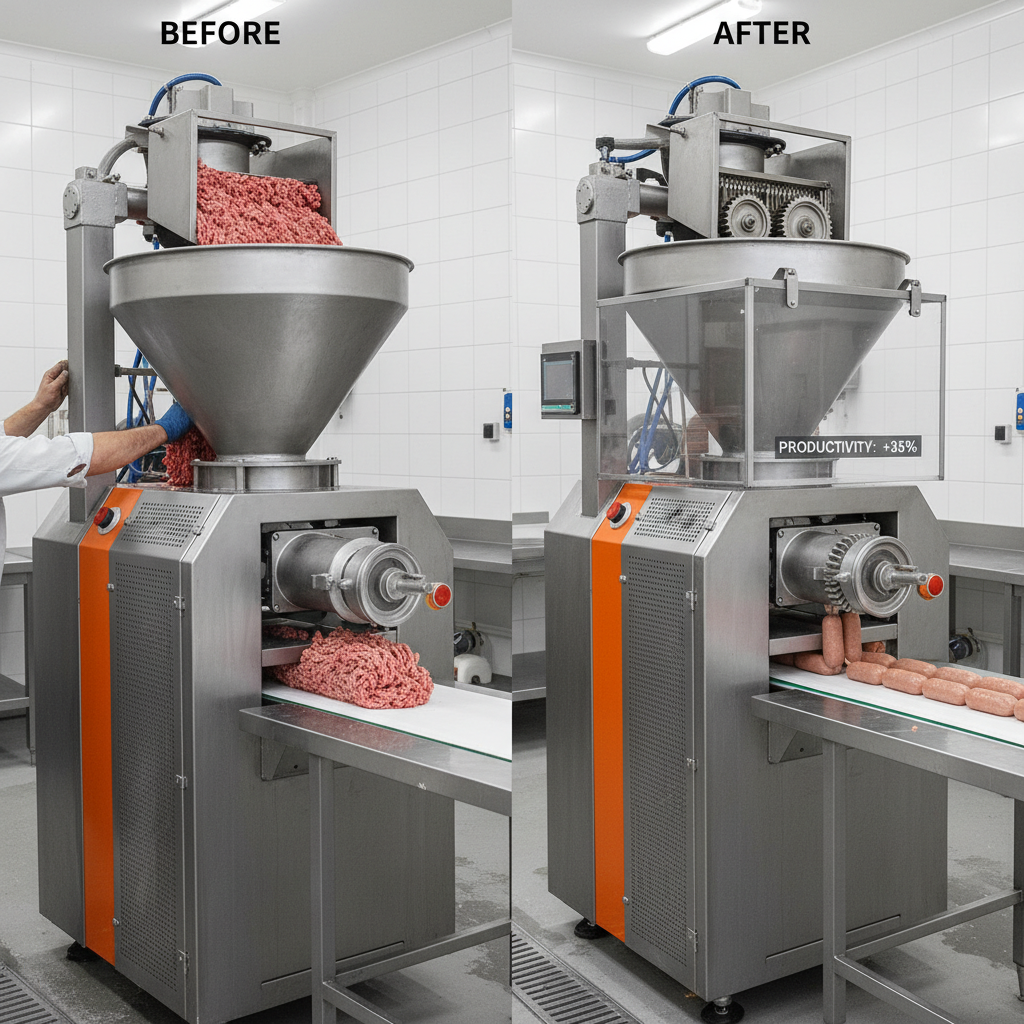
We’re talking about a global industry here. The global processed meat market, including sausage, is a multi-billion dollar industry, constantly growing with changing consumer tastes. (Figures from Statista show consistent growth, even during economic downturns). That demand puts pressure on producers to increase output, and they can't do that without robust, dependable equipment. I've seen operations stalled for days because of a faulty filler, costing them serious money. A reliable sausage stuff filling machine directly impacts a company’s bottom line.
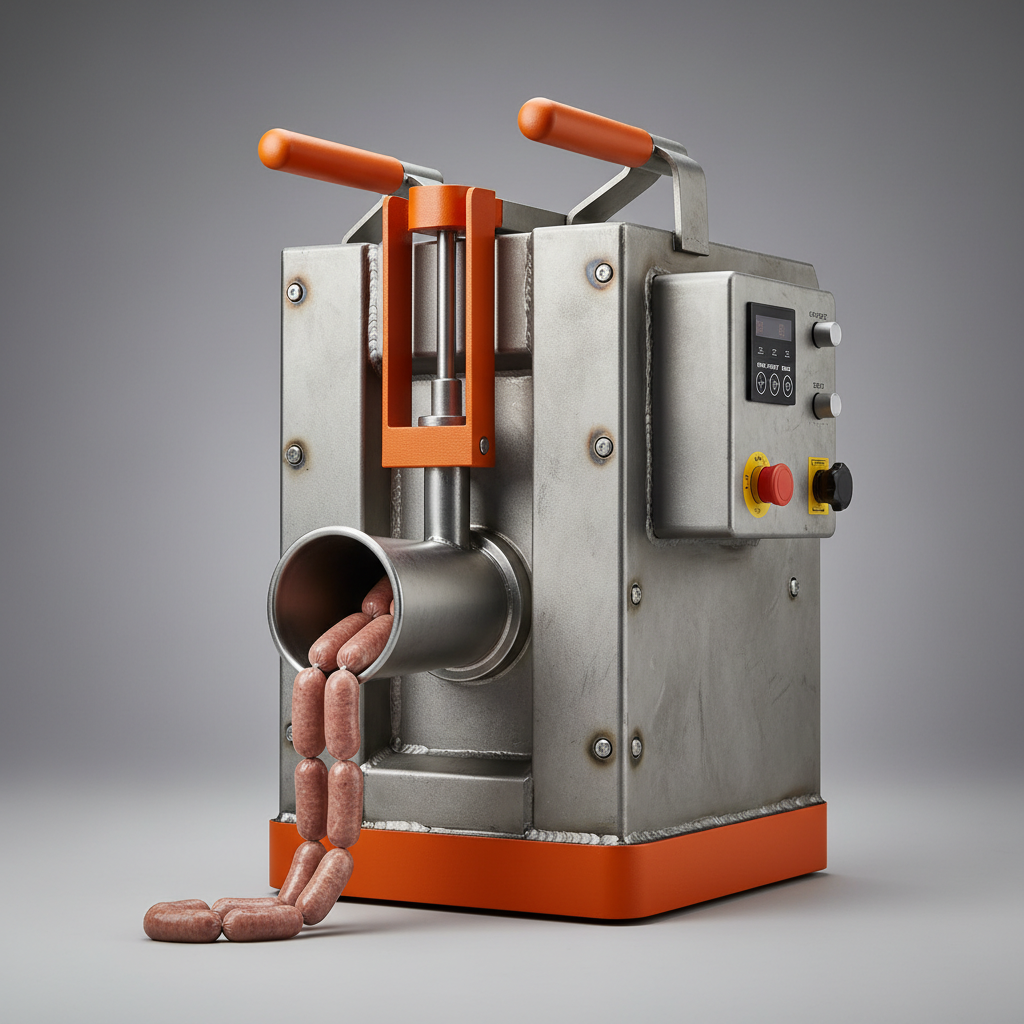
Simply put, a sausage stuff filling machine takes meat mixtures—the ‘stuff’—and precisely fills them into casings, forming the sausages we all know. It seems straightforward, right? But the modern machines are incredibly sophisticated. They’re not your grandpa’s hand-cranked fillers. We’re talking programmable logic controllers, vacuum filling to prevent air pockets, portion control, and even automated casing tying. They are essential for maintaining food safety standards and delivering consistent quality, bridging the gap between traditional craftsmanship and modern industrial efficiency.
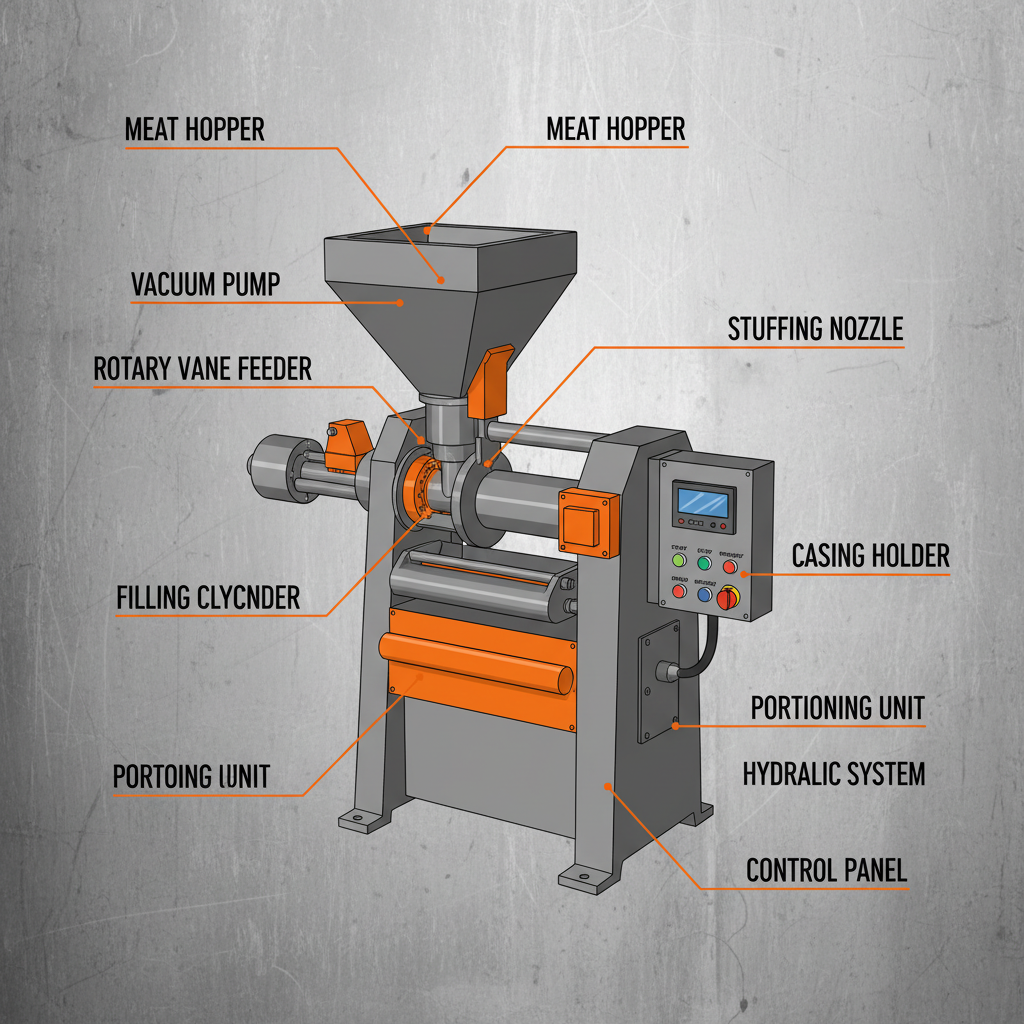
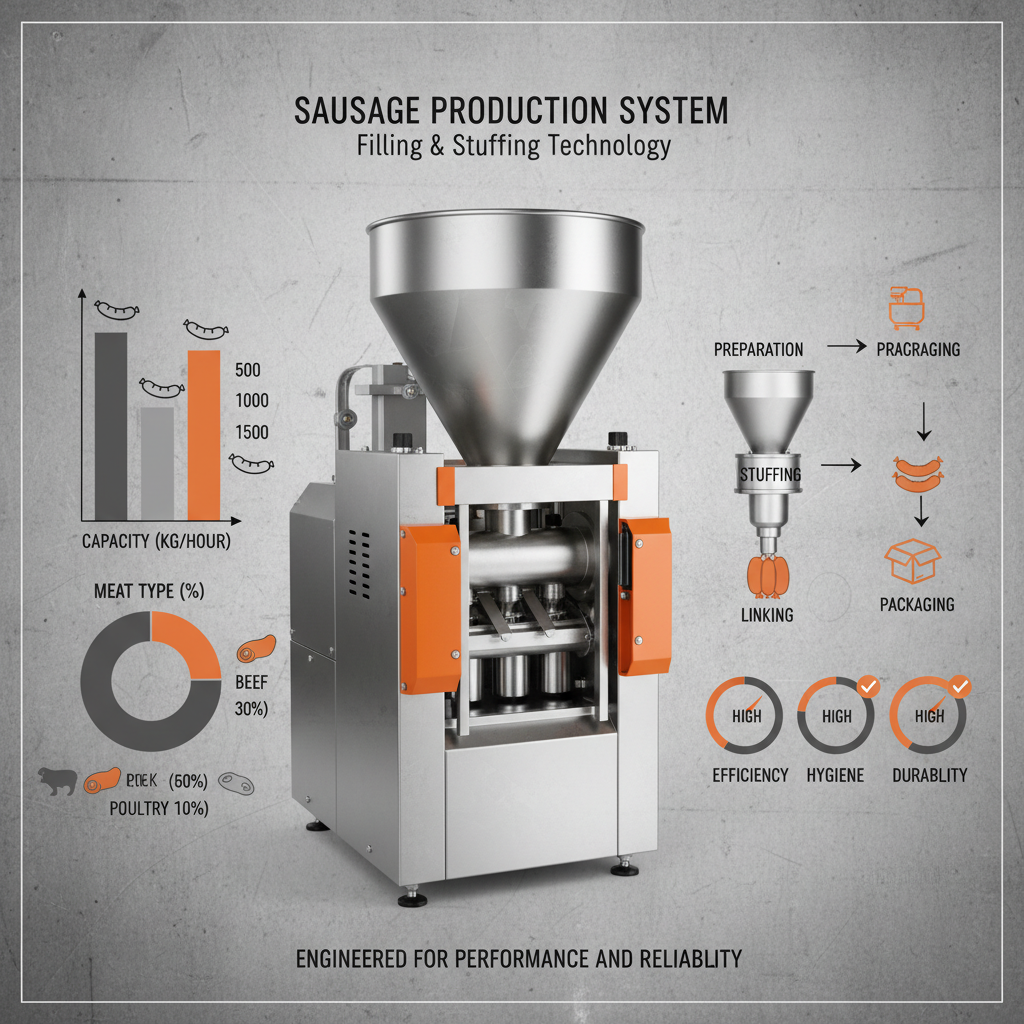
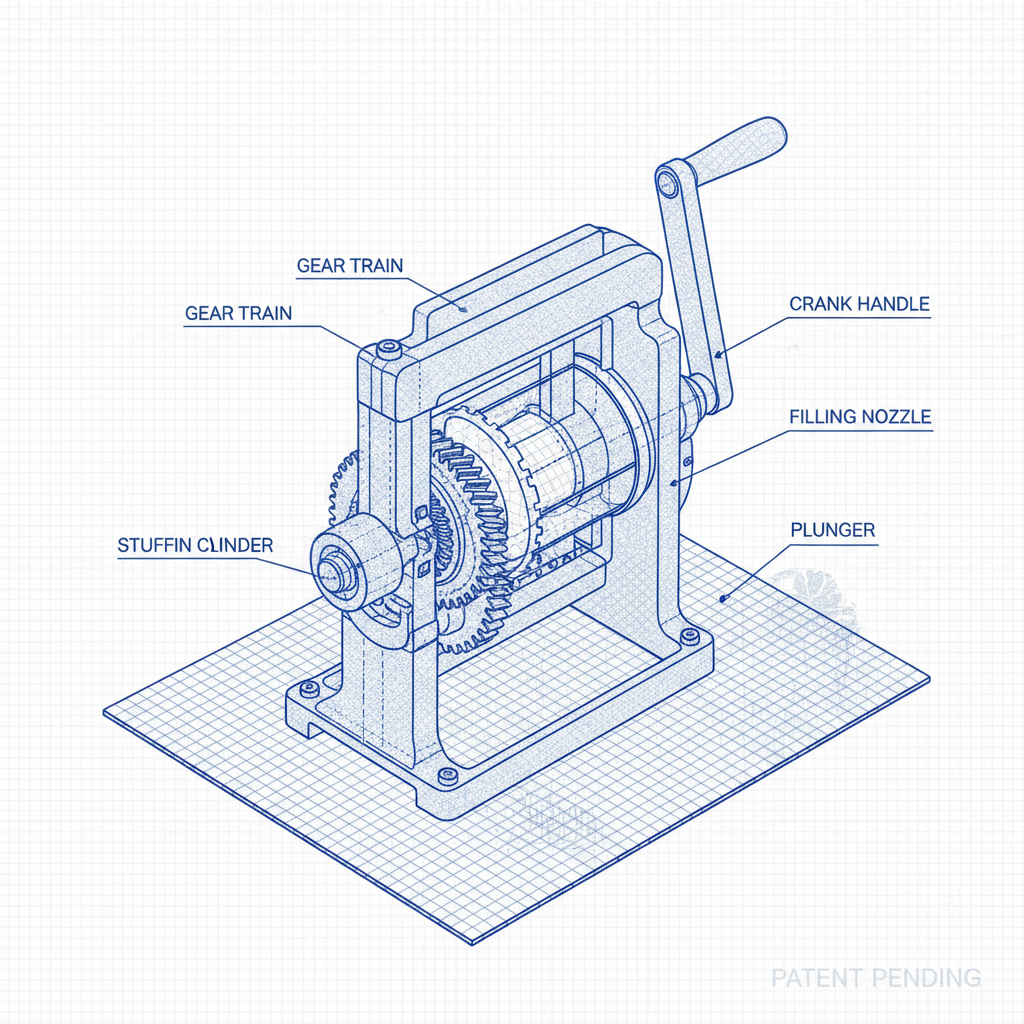
You've got your hopper, the reservoir for the meat mix, which needs to be easy to clean and sized appropriately for your production volume. Then there’s the pump – and this is where things get crucial. Positive displacement pumps are the gold standard; they deliver consistent volume regardless of the mix’s viscosity. I’ve seen guys struggle for years with inferior pumps that couldn’t handle a chunky Italian sausage mix. The filling nozzle is another key area. Different sausages require different nozzle designs, and having interchangeable options is a huge advantage. sausage stuff filling machine components should be stainless steel, period. No compromises.
Beyond the core mechanics, the control system is paramount. Modern PLCs allow for precise portioning, speed control, and integration with other factory systems. You want a machine that can adapt to different recipes and adjust to changing production needs. And let's not forget the frame – it needs to be robust enough to withstand the constant vibrations and stresses of a busy production line. A flimsy frame will lead to misalignment and ultimately, downtime.
For a small butcher shop, space and budget are usually the biggest constraints. You'll want a machine that’s relatively compact, easy to clean, and doesn't require a dedicated technician for maintenance. A manual or semi-automatic machine is often a good starting point. Look for stainless steel construction, ease of disassembly for cleaning, and a capacity that matches your daily production volume. Don't overspend on features you won't use.
Vacuum filling is crucial for achieving dense, high-quality sausages without air pockets. It’s particularly important for products like mortadella or other finely emulsified sausages. If you’re producing these types of products or aiming for a premium quality product, a vacuum sausage filling machine is definitely worth the investment. It also improves consistency and reduces the risk of oxidation.
CIP stands for Clean-In-Place. It's a method of cleaning the machine without dismantling it. Hot water and cleaning solutions are circulated through the system, cleaning all the surfaces that come into contact with the product. It's highly recommended, especially for larger operations. It saves time, reduces labor costs, and minimizes the risk of contamination. While it adds to the initial cost, it pays for itself in the long run.
Regular maintenance is key. This includes daily cleaning, weekly lubrication of moving parts, monthly inspection of seals and gaskets, and annual professional servicing. Keeping a maintenance log is crucial. Neglecting maintenance will lead to breakdowns, reduced efficiency, and potential food safety issues. Expect to replace wear parts periodically, such as seals and gaskets.
Stainless steel is the industry standard for a reason. It’s hygienic, durable, corrosion-resistant, and easy to clean. It’s also compliant with food safety regulations. While cheaper materials might be tempting, they'll likely require more frequent replacement and pose a higher risk of contamination. Stainless steel is an investment in longevity and safety.
Ensure the machine is made from food-grade materials (primarily stainless steel). Verify that it meets relevant standards like HACCP and ISO 22000. Look for a machine with a hygienic design that minimizes crevices and is easy to clean. Establish a robust cleaning and sanitation protocol and document all maintenance activities. Regular inspections and audits are also crucial.
Ultimately, a sausage stuff filling machine is a vital component of any successful sausage production operation. From the quality of the materials used to the intricacy of the controls, and the ease of cleaning to the potential for scaling, every aspect matters. Choosing the right machine isn’t just about getting the job done; it's about ensuring product quality, food safety, and long-term profitability.
Don’t treat it as a commodity. Invest in a machine that’s built to last, easy to maintain, and capable of meeting your current and future needs. And remember, proper training and preventative maintenance are just as important as the machine itself. For reliable and innovative solutions to your sausage production needs, visit our website: www.bossinmachinery.com.