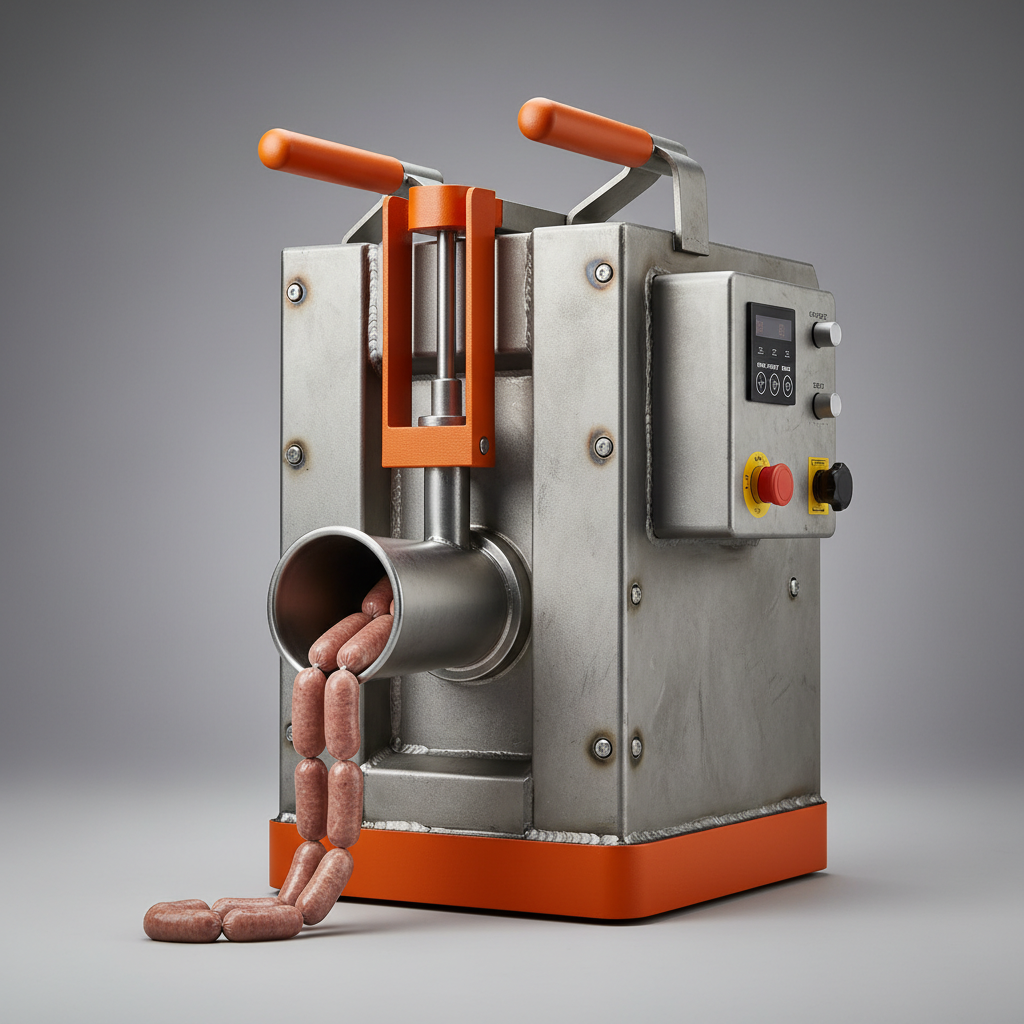
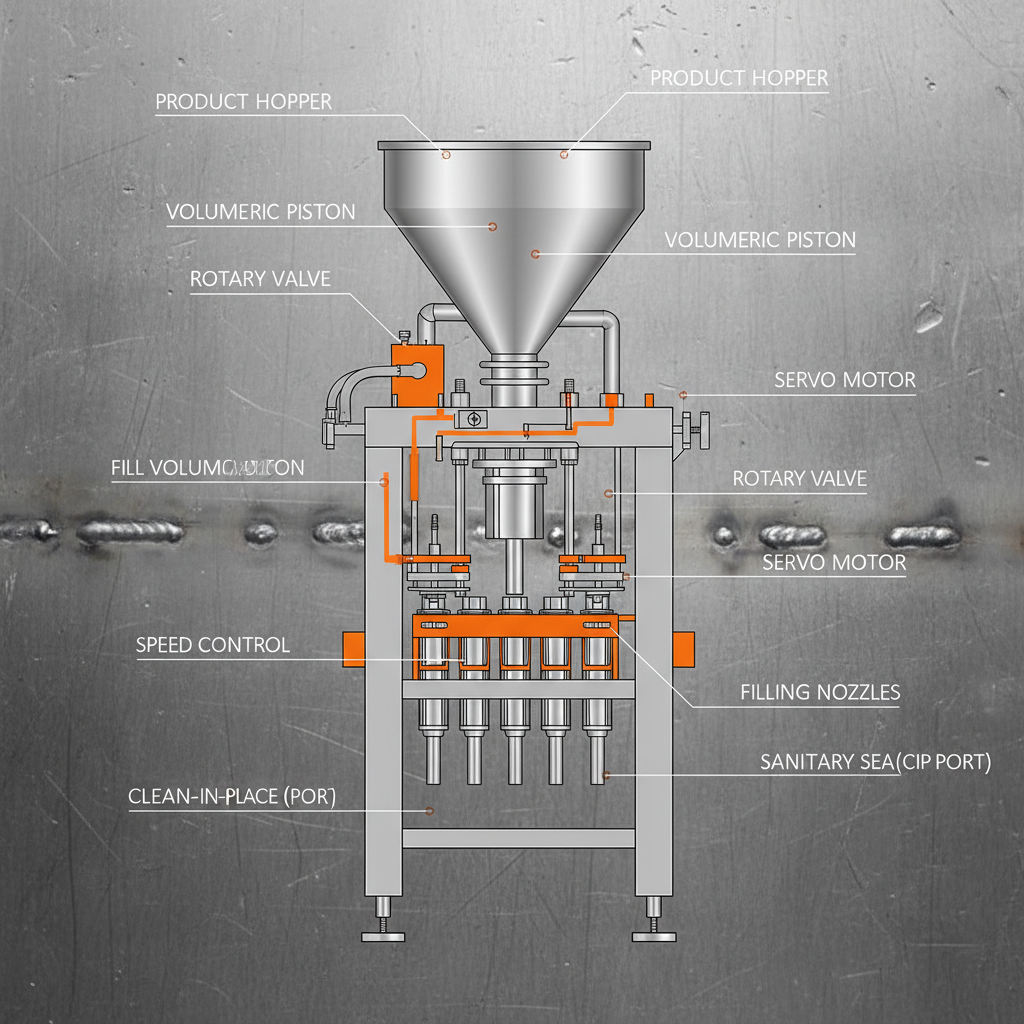
Meat filler, a cornerstone of modern food processing, is vital to efficiently meeting the global demand for protein. Its significance extends beyond simple cost reduction; it's a critical component in creating safe, consistent, and accessible food products worldwide. Understanding the nuances of meat filler – from its composition and production to its regulatory frameworks – is increasingly important as populations grow and dietary habits evolve.
The industry surrounding meat filler is massive, impacting economies across the globe. The UN estimates that global meat consumption will rise significantly in the coming decades, fueled by population growth and increased affluence in developing nations. Efficiently and responsibly managing resources, and producing affordable protein sources, will rely heavily on continued innovation within the meat filler sector. ISO standards play a critical role in ensuring quality and safety.
Ultimately, advancements in meat filler technologies address key challenges related to food security and affordability. It allows producers to utilize a wider range of raw materials, optimize production processes, and deliver products that meet stringent quality standards. This understanding is crucial for food manufacturers, regulators, and consumers alike.
The Role of Meat Filler in Global Food Systems
The utilization of meat filler isn’t merely about reducing costs; it’s about optimizing resource use and enhancing food accessibility. With a growing global population and increasing demand for protein, meat filler allows for the extension of limited meat resources, effectively increasing food production. This contributes significantly to mitigating food shortages, particularly in regions with limited agricultural capacity.
Furthermore, the strategic application of meat filler supports the development of consistent and standardized food products. By carefully controlling the composition and quality of filler ingredients, manufacturers can ensure that their products meet specific texture, flavor, and nutritional profiles, building consumer trust and brand loyalty.
Defining Meat Filler: Composition and Regulation
Meat filler, in its simplest form, refers to ingredients added to meat products to enhance texture, bind moisture, reduce costs, or improve processing characteristics. These ingredients can range from mechanically separated meat (MSM) and poultry to vegetable proteins, starches, and even non-meat animal by-products. The specific composition of a meat filler formulation is highly dependent on the intended application and regulatory requirements.
Regulations governing meat filler vary significantly across countries. Agencies like the USDA in the United States and the FSA in the UK impose strict standards regarding the types of ingredients permitted, permissible levels of use, and labeling requirements. These regulations are designed to ensure consumer safety and prevent misleading practices.
The connection to modern industry and humanitarian needs is direct. Efficiently utilizing all parts of the animal, coupled with the judicious use of plant-based fillers, reduces waste and increases the overall protein supply, making food more affordable and available to a wider population, even in disaster relief scenarios where sourcing fresh meat is difficult.
Core Components of Effective Meat Filler Production
Effective meat filler production relies on several core components, starting with ingredient sourcing. High-quality raw materials – whether MSM, vegetable proteins, or starches – are essential for ensuring a safe and palatable final product. Rigorous quality control measures throughout the supply chain are paramount, including testing for contaminants and verifying adherence to regulatory standards.
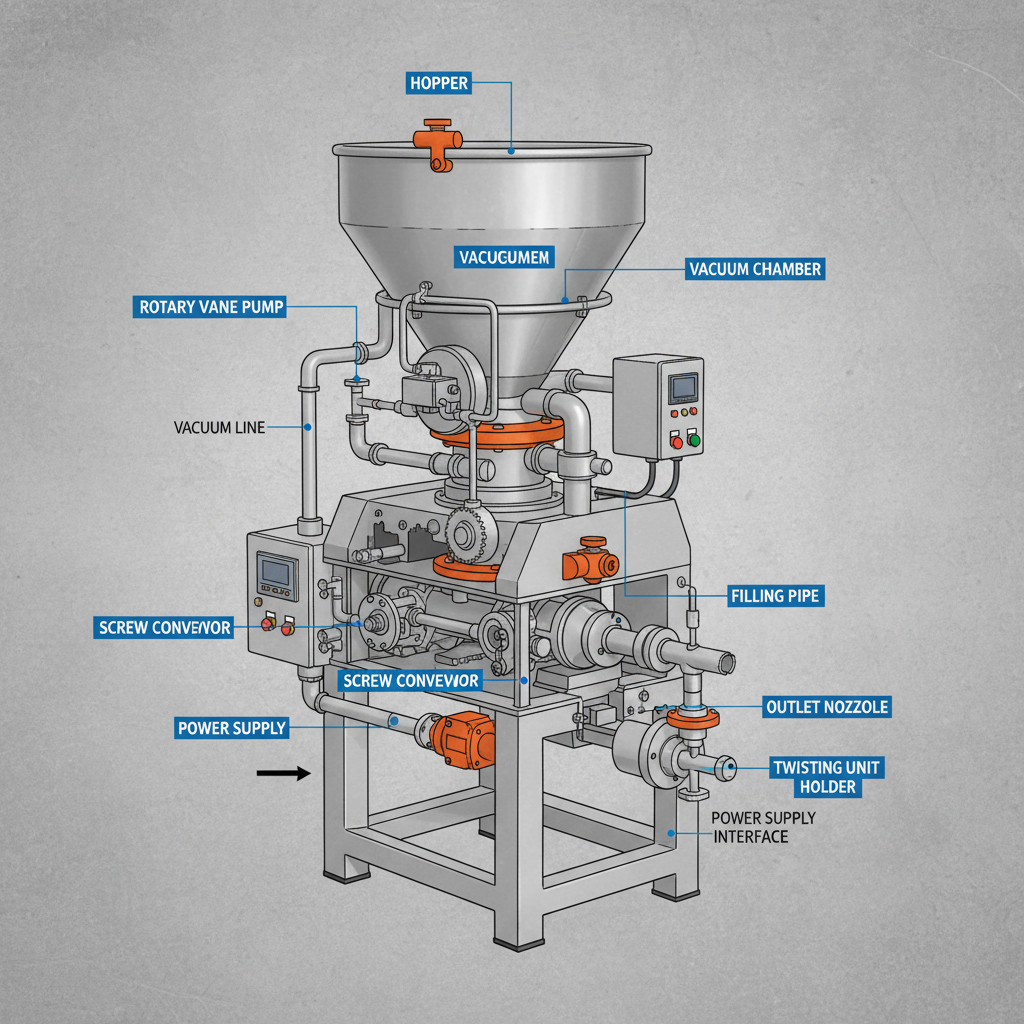
Processing technology is another critical factor. Advanced blending, mixing, and emulsification techniques are used to create meat filler formulations with desired texture and binding properties. Precise control over particle size and moisture content is crucial for achieving consistent results. The correct application of these technologies directly affects the final product quality and performance.
Finally, formulation expertise plays a vital role. Developing optimized meat filler blends requires a deep understanding of ingredient interactions and their impact on the finished product. Factors such as fat content, protein levels, and water-holding capacity must be carefully considered to achieve the desired functionality.
Packaging and storage are also key elements. Proper packaging protects the meat filler from contamination and spoilage, while appropriate storage conditions – temperature and humidity control – ensure its stability and shelf life.
Scalability and Efficiency in Meat Filler Applications
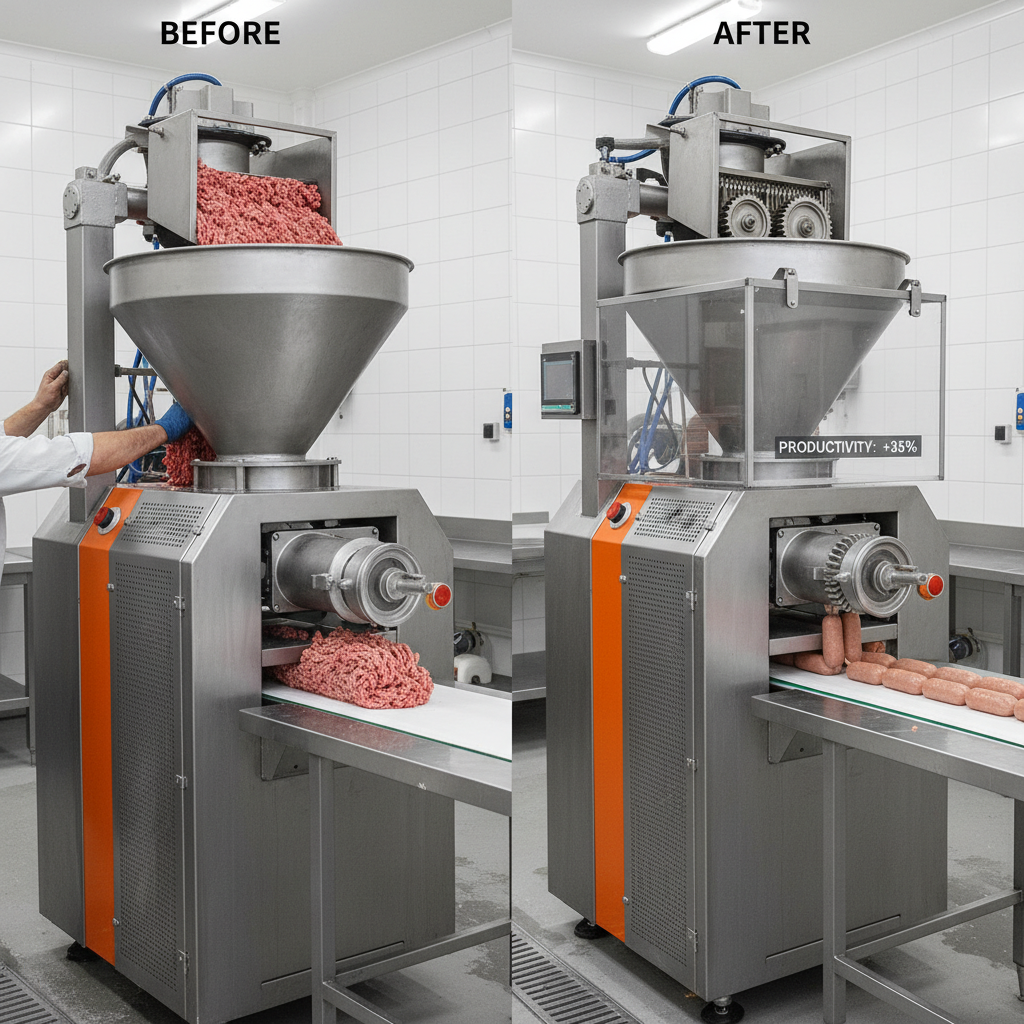
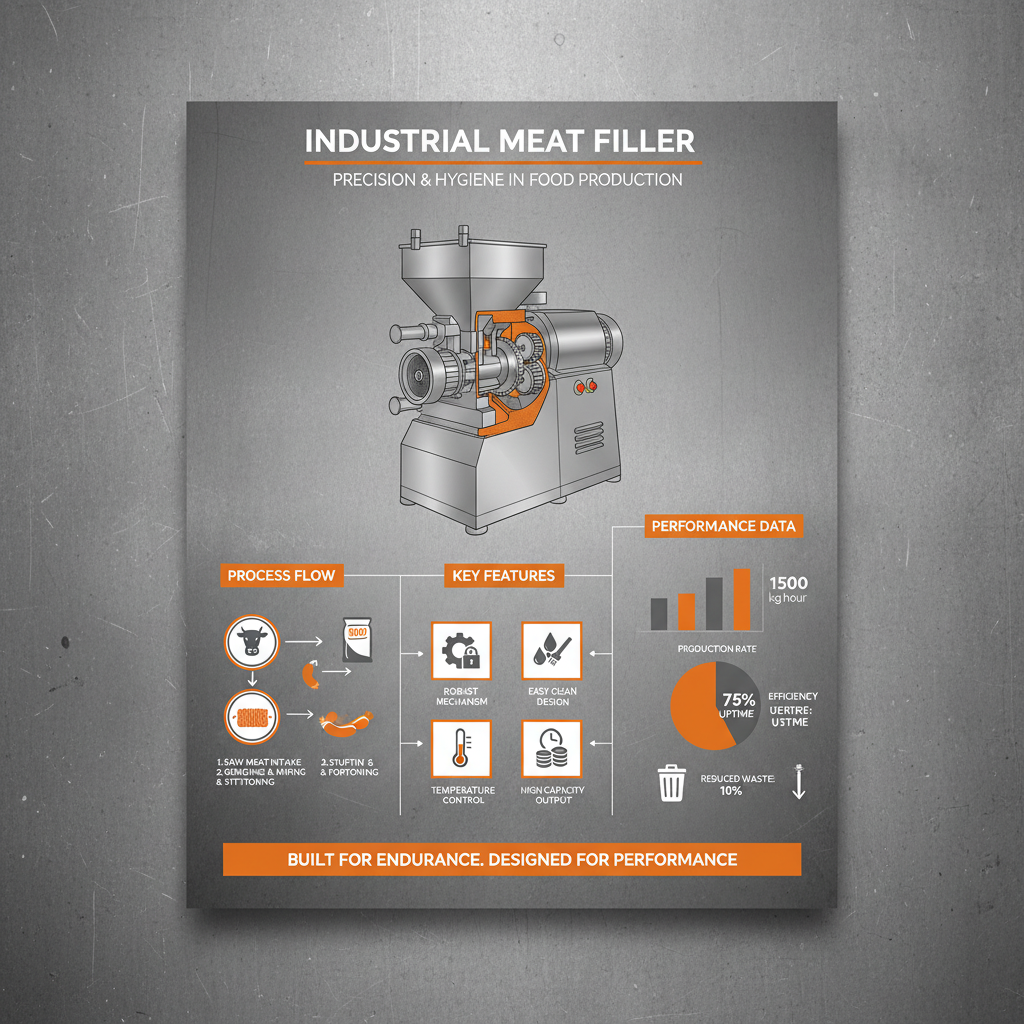
The scalability of meat filler production is a crucial consideration for manufacturers seeking to meet growing demand. Utilizing automated systems for ingredient handling, blending, and packaging can significantly increase throughput and reduce labor costs. These systems must be designed for flexibility to accommodate different formulations and production volumes.
Efficiency is also enhanced through optimized supply chain management. Establishing strong relationships with reliable ingredient suppliers and implementing just-in-time inventory control can minimize waste and ensure a consistent flow of raw materials. Investing in data analytics and process monitoring can further identify areas for improvement and streamline operations.
Comparison of Meat Filler Production Methods
Global Applications and Industry Use Cases
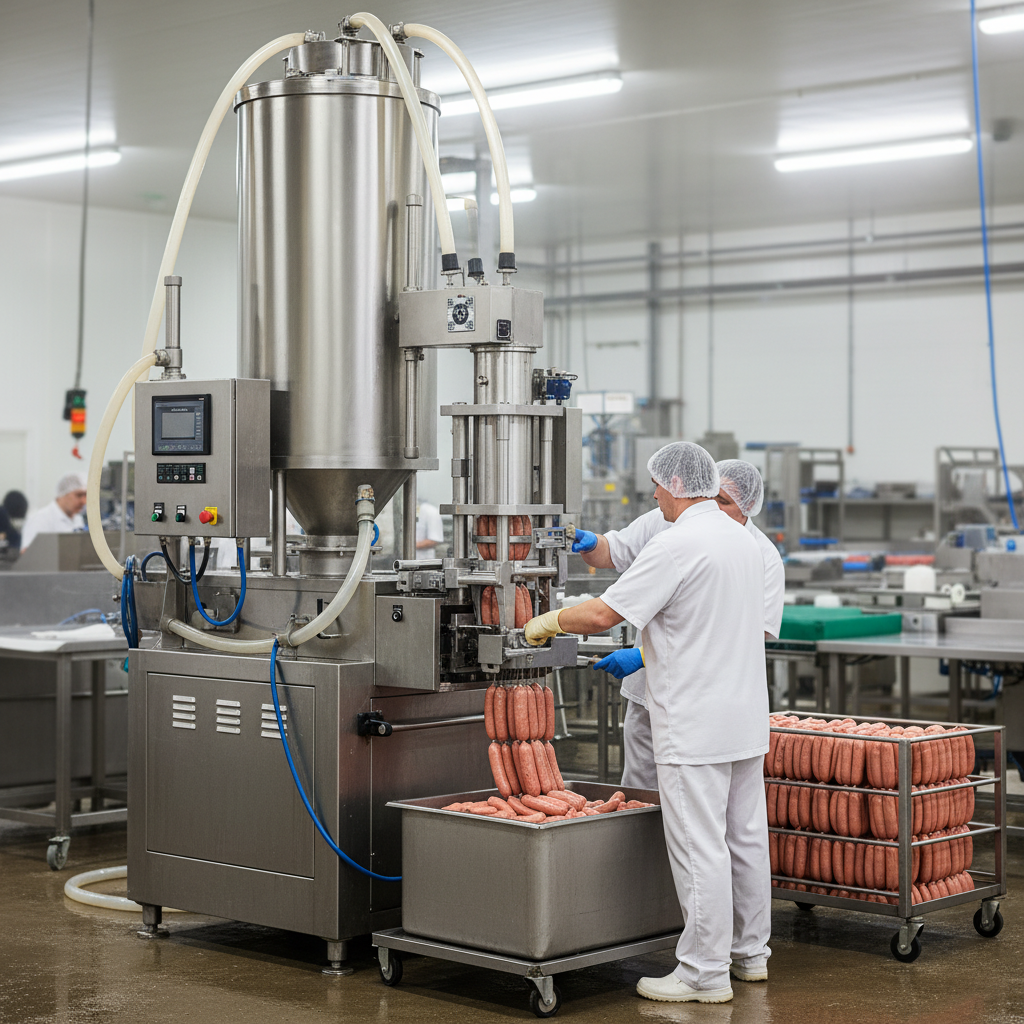
The applications of meat filler are incredibly diverse. In the processed meat industry, it’s commonly used in products like sausages, burgers, meatballs, and reformed meats to improve texture, reduce costs, and enhance binding. In developing countries, meat filler can extend limited meat supplies, providing affordable protein sources to populations in need.
The food service sector also benefits significantly, utilizing meat filler to create consistent and high-quality menu items. Large-scale catering operations, for instance, rely on meat filler to maintain portion control and reduce production costs. In post-disaster relief operations, pre-prepared meals incorporating meat filler can provide essential nutrition to affected communities.
Moreover, specialized applications exist in pet food manufacturing, where meat filler contributes to nutritional balance and affordability. These diverse use cases demonstrate the widespread importance and adaptability of meat filler across multiple industries and regions.
Long-Term Value: Sustainability and Economic Impact
The long-term value of meat filler extends beyond immediate cost savings. By enabling the efficient utilization of all parts of the animal, it reduces waste and minimizes the environmental impact of meat production. This aligns with growing consumer demand for sustainable food practices.
Economically, the meat filler industry creates jobs and stimulates economic growth across the supply chain – from ingredient suppliers and processors to packaging manufacturers and distributors. By lowering production costs, it allows food companies to remain competitive and offer affordable products to consumers, contributing to overall economic stability.
Beyond these tangible benefits, the strategic use of meat filler enhances food security, particularly in regions facing resource constraints. It ensures a more reliable and consistent protein supply, promoting both public health and social well-being.
Future Trends and Innovations in Meat Filler Technology
Several key trends are shaping the future of meat filler technology. The increasing demand for plant-based protein alternatives is driving research into innovative vegetable protein sources and novel blending techniques. Cultured meat, or lab-grown meat, may also influence the future of meat filler, potentially creating new ingredients and reducing reliance on traditional animal sources.
Digitalization and automation are also playing a significant role. Advanced sensors and data analytics are being used to optimize production processes, improve quality control, and reduce waste. Automation technologies, such as robotic blending and packaging systems, are increasing efficiency and lowering labor costs.
Sustainability remains a paramount concern, with a focus on developing biodegradable packaging materials and reducing the carbon footprint of meat filler production. The industry is increasingly exploring circular economy models, minimizing waste and maximizing resource utilization.
Summary of Key Considerations for Future Meat Filler Development
| Ingredient Source |
Processing Efficiency |
Sustainability Impact |
Consumer Acceptance |
| Plant-Based Proteins |
Automated Blending |
Biodegradable Packaging |
Transparency in Labeling |
| MSM Innovations |
Real-Time Monitoring |
Reduced Carbon Footprint |
Clear Ingredient Definition |
| Cultured Meat Byproducts |
AI-Powered Optimization |
Waste Reduction Strategies |
Positive Sensory Attributes |
| Algae-Based Proteins |
Predictive Maintenance |
Water Conservation Efforts |
Nutritional Value Perception |
| Insect-Based Proteins |
Supply Chain Integration |
Ethical Sourcing Practices |
Overcoming Cultural Barriers |
| Fermented Protein Sources |
Data-Driven Formulation |
Renewable Energy Usage |
Functional Properties Enhancement |
FAQS
The primary benefit is cost reduction, allowing manufacturers to produce sausages at a lower price point without significantly impacting quality. Effective meat filler formulations also improve texture, binding, and moisture retention in sausages, contributing to a more appealing end product. This becomes especially important in scaling production to meet increasing demand, while staying competitive in the market.
When manufactured and regulated properly, meat fillers pose no significant health concerns. Regulatory bodies like the USDA closely monitor the types of fillers permitted and ensure they meet strict safety standards. The key is transparency in labeling and adherence to these regulations. Concerns typically arise from improper handling or the use of unapproved ingredients, which are mitigated by stringent quality control measures.
MSM is produced by forcing bones with attached edible tissue through a sieve or similar device to separate the meat from the bone. It differs from other fillers, like vegetable proteins, in that it is still a meat product. Its use is subject to specific regulations, typically requiring it to be used only in specified products and properly labeled. MSM offers a cost-effective way to utilize meat remaining on bones, enhancing overall resource efficiency.
Starch is a common meat filler ingredient primarily used to improve water-holding capacity and binding properties. It absorbs excess moisture, resulting in a firmer texture and reduced shrinkage during cooking. Different types of starch – such as corn, potato, and tapioca – offer varying functionalities, allowing formulators to tailor the filler to specific product requirements. The addition of starch also aids in fat dispersion, creating a more stable emulsion.
When implemented responsibly, the use of meat filler can contribute to sustainability by reducing food waste and maximizing resource utilization. Utilizing all edible portions of the animal, including MSM, minimizes the environmental impact associated with discarding unused materials. However, it's crucial to consider the sustainability of the filler ingredients themselves, such as sourcing plant proteins from environmentally friendly sources and minimizing packaging waste.
Future trends focus on plant-based alternatives, cultured meat byproducts, and innovative protein sources like algae and insect proteins. There’s increasing research into developing fillers that offer improved nutritional profiles, enhanced functionality, and a reduced environmental footprint. Fermented protein sources are also gaining traction, offering unique textural and flavor characteristics, while aligning with growing consumer demand for natural ingredients.
Conclusion
In conclusion, meat filler represents a critical component of the global food system, offering solutions to challenges related to affordability, sustainability, and food security. Its application spans a wide range of industries, from processed meat production to humanitarian aid, demonstrating its versatility and importance. Understanding the core principles of meat filler – its composition, regulation, and technological advancements – is essential for stakeholders across the food supply chain.
Looking ahead, continued innovation in ingredient sourcing, processing technologies, and sustainable practices will be paramount. By embracing new developments and prioritizing transparency and quality control, the meat filler industry can continue to contribute to a more efficient, resilient, and equitable food future. To learn more about our meat filler solutions and how we can help optimize your production processes, visit our website today.