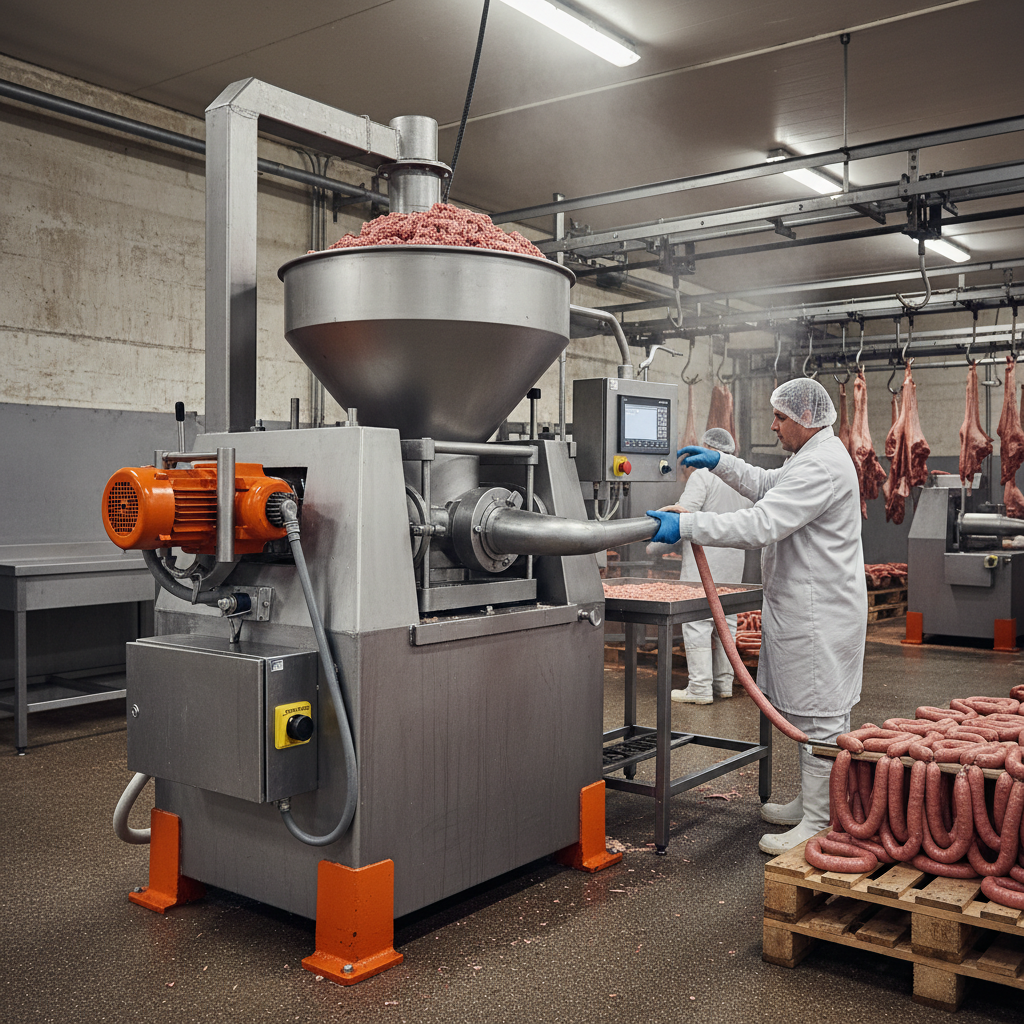
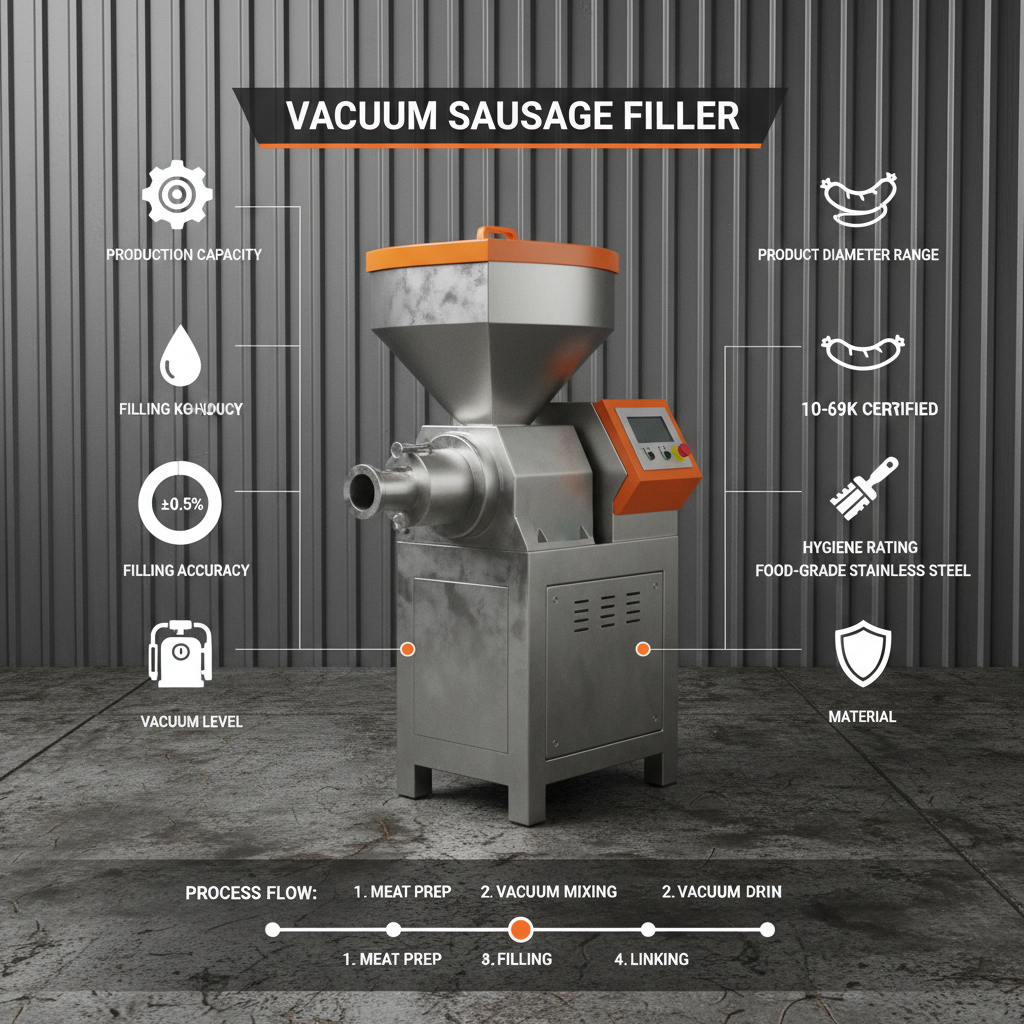
The world’s demand for efficient and hygienic food processing solutions is constantly growing. Central to this demand is the vacuum sausage filler stuffer, a critical piece of equipment in meat processing industries globally. Its ability to produce consistent, high-quality sausage products quickly and safely makes it indispensable for businesses of all sizes, from small butcher shops to large-scale industrial manufacturers. Understanding the nuances of this technology is paramount for anyone involved in food production, ensuring both product excellence and operational efficiency.
The significance of the vacuum sausage filler stuffer extends beyond simply producing sausages. It represents advancements in food safety, reduced waste, and increased production capacity. With increasing concerns about foodborne illnesses and stricter regulations on food processing, the vacuum filling process minimizes air pockets within the sausage, preventing bacterial growth and extending shelf life. This has a significant impact on reducing food waste and delivering safer products to consumers worldwide. According to the FAO, approximately one-third of all food produced globally is lost or wasted - technologies like vacuum filling are crucial in mitigating this issue.
Investing in a reliable vacuum sausage filler stuffer provides businesses with a competitive edge in a challenging market. It streamlines the production process, lowers labor costs, and ensures consistent product quality – factors that directly impact profitability. As global meat consumption continues to rise, particularly in developing countries, the demand for efficient and innovative food processing technologies will only intensify, making the understanding and implementation of these systems essential.
The Core Principles of vacuum sausage filler stuffer
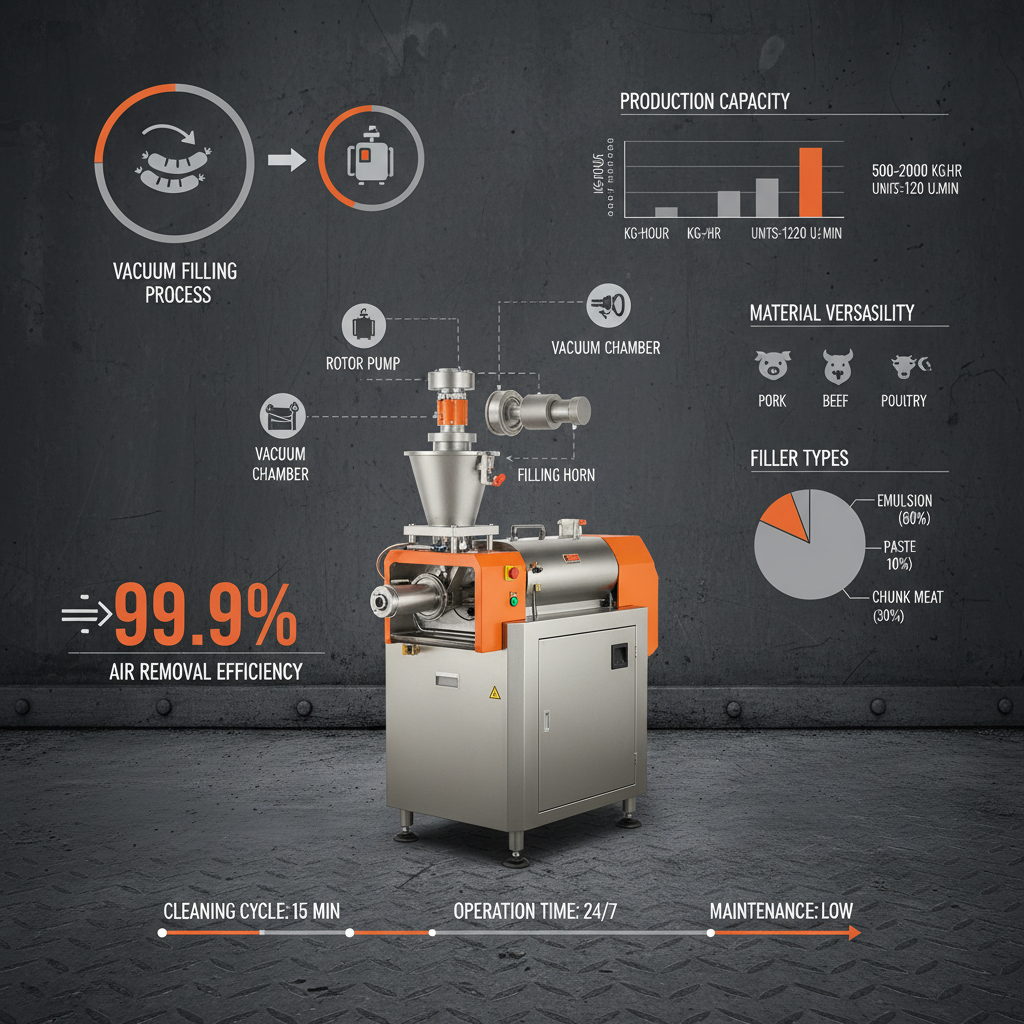
At its core, a vacuum sausage filler stuffer operates on the principle of removing air from the meat emulsion during the filling process. This is achieved by creating a vacuum within the stuffing chamber, which forces the meat mixture into the casing under pressure. The primary goal is to eliminate air pockets, resulting in a denser, more uniform sausage with improved texture and extended shelf life. This process drastically reduces oxidation and minimizes the growth of spoilage bacteria.
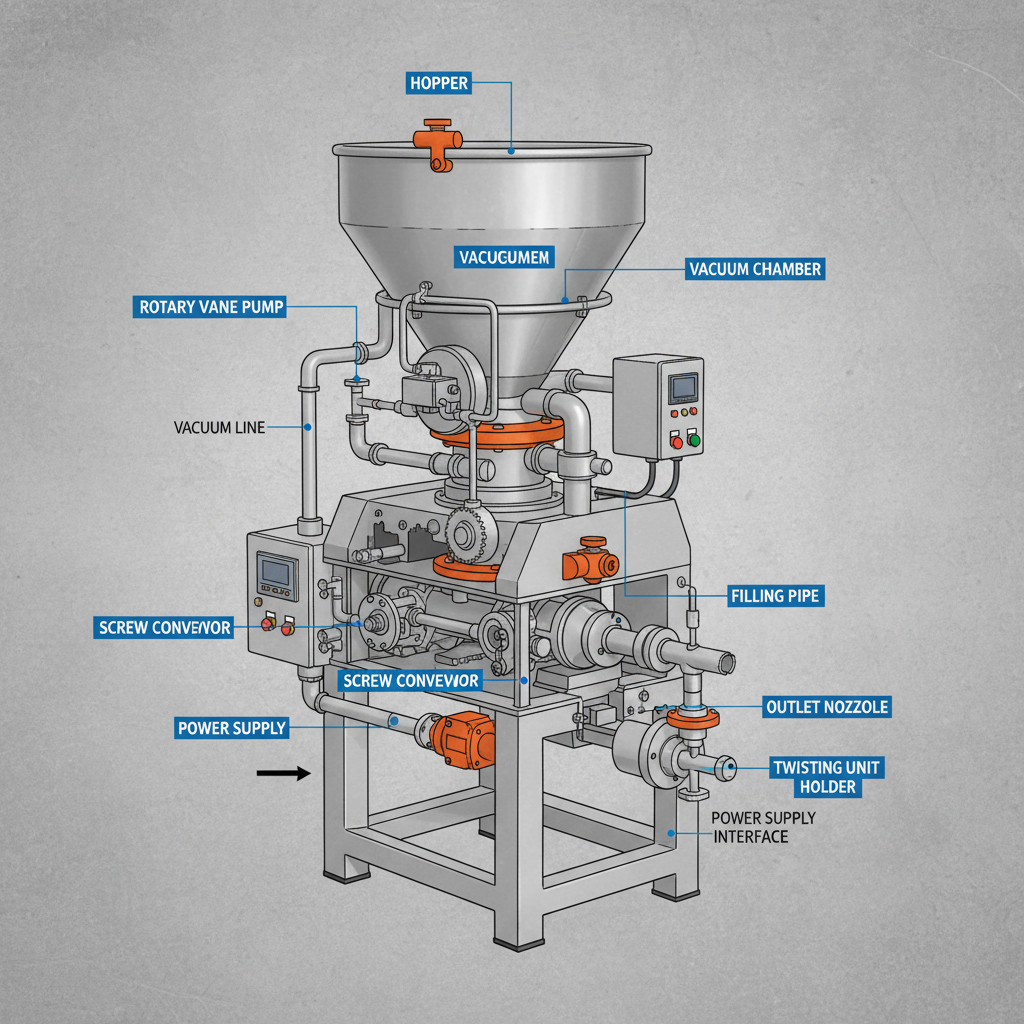
The efficiency of a vacuum sausage filler stuffer relies on several key components, including the vacuum pump, the stuffing cylinder, the filling nozzle, and the control system. Modern machines are often equipped with sophisticated automation features that allow for precise control over filling speed, portion size, and vacuum levels. These features are critical for maintaining product consistency and maximizing production throughput.
Global Industry Landscape of vacuum sausage filler stuffer
The global meat processing industry is a multi-billion dollar market, with a significant portion dedicated to sausage production. Europe and North America historically dominated the vacuum sausage filler stuffer market, however, Asia-Pacific is experiencing rapid growth due to increasing meat consumption and investments in food processing infrastructure. According to a recent report by Grand View Research, the global meat processing equipment market is projected to reach $48.5 billion by 2028.
Key players in the vacuum sausage filler stuffer market include Bossin Machinery, Handtmann, Rühle, and Maurer. These companies are constantly innovating to develop more efficient, hygienic, and automated solutions. The demand for these machines is driven by factors such as stringent food safety regulations, growing consumer demand for processed meats, and the need for manufacturers to increase productivity and reduce waste.
The rise of e-commerce and direct-to-consumer sales has also impacted the industry, requiring manufacturers to adapt their production processes to meet the demands of smaller batch sizes and customized products. This trend has spurred the development of more versatile and flexible vacuum sausage filler stuffers that can accommodate a wide range of sausage types and casing materials.
Defining the vacuum sausage filler stuffer
A vacuum sausage filler stuffer is a specialized piece of food processing equipment used to fill sausage casings with a pre-mixed meat emulsion. Unlike traditional sausage stuffers that rely on gravity or manual pressure, vacuum stuffers utilize a vacuum pump to remove air from the emulsion, creating a denser, more consistent product. This process not only improves the texture and appearance of the sausage but also extends its shelf life by inhibiting the growth of spoilage bacteria.
The connection to modern industry lies in the ever-increasing demand for safe, high-quality food products. Food manufacturers are facing mounting pressure to comply with stringent regulations and meet consumer expectations for consistent product quality. Vacuum sausage filler stuffers provide a reliable and efficient solution for achieving these goals. They contribute to maintaining a robust and efficient food supply chain, essential for global food security.
In humanitarian contexts, portable and robust vacuum sausage filler stuffer units can be deployed in disaster relief operations or remote areas to provide nutritious food sources to affected populations. The ability to produce shelf-stable sausages without relying on extensive refrigeration facilities makes them particularly valuable in challenging environments.
Key Factors Influencing vacuum sausage filler stuffer Performance
Several factors significantly influence the performance and efficiency of a vacuum sausage filler stuffer. These can be broadly categorized into durability, automation, hygienic design, and capacity. Durability ensures longevity and minimizes downtime, a crucial aspect for continuous production runs.
Automation features, such as programmable logic controllers (PLCs) and touch-screen interfaces, enable precise control over filling parameters and reduce the need for manual intervention. Hygienic design, incorporating stainless steel construction and easy-to-clean surfaces, is critical for preventing bacterial contamination and complying with food safety regulations. Finally, capacity – the volume of sausage that can be produced per hour – directly impacts production throughput and profitability.
Comparative Analysis of vacuum sausage filler stuffer Features
Applications of vacuum sausage filler stuffer Across Industries
The vacuum sausage filler stuffer finds widespread application in various sectors of the food processing industry. Large-scale meat processing plants utilize these machines for high-volume sausage production, ensuring consistent quality and efficient output. Small and medium-sized butcher shops also benefit from these machines, allowing them to produce fresh sausages in-house with minimal labor.
Beyond traditional sausage making, vacuum stuffers are also used for filling other types of food products, such as pâtés, terrines, and even certain types of baked goods. In post-disaster relief operations, portable vacuum stuffers can be deployed to produce nutritious and shelf-stable food rations for affected populations. Furthermore, in remote industrial zones, where refrigeration is limited, these machines enable the production of preserved meat products.
Long-Term Benefits and Value of vacuum sausage filler stuffer
Investing in a high-quality vacuum sausage filler stuffer yields significant long-term benefits. Reduced food waste, extended shelf life, and improved product safety directly translate to cost savings and increased profitability. The consistent quality achieved with vacuum filling builds consumer trust and brand loyalty, leading to increased sales.
Beyond the economic advantages, vacuum sausage filler stuffers contribute to sustainable food production practices. By minimizing waste and reducing the reliance on preservatives, they promote environmental responsibility. The enhanced food safety features protect public health and contribute to a more secure food supply. From a social impact perspective, these machines empower local food producers and support economic development in communities around the world.
Future Trends and Innovations in vacuum sausage filler stuffer
The future of vacuum sausage filler stuffer technology is poised for further innovation. One key trend is the integration of digital technologies, such as IoT sensors and data analytics, to optimize performance and predictive maintenance. These technologies will allow manufacturers to monitor machine health in real-time, identify potential issues before they arise, and minimize downtime.
Another trend is the development of more sustainable and energy-efficient machines. Manufacturers are exploring the use of alternative materials and designs to reduce environmental impact. Automation and robotics are also playing an increasingly important role, allowing for greater precision, speed, and efficiency. Expect to see advancements in cleaning-in-place (CIP) systems and remote monitoring capabilities.
Finally, the rise of personalized nutrition and customized food products is driving demand for more versatile and flexible vacuum sausage filler stuffers that can accommodate a wide range of ingredients and formulations. This will require machines capable of precise portion control and adaptable filling parameters.
Summary of Key Innovation Areas for vacuum sausage filler stuffer
| Innovation Category |
Impact on Efficiency |
Impact on Sustainability |
Implementation Cost |
| IoT Integration |
High (Predictive Maintenance) |
Medium (Resource Optimization) |
Medium |
| Automated Cleaning Systems |
Medium (Reduced Downtime) |
High (Water & Chemical Savings) |
High |
| Energy-Efficient Design |
Low (Incremental Improvements) |
High (Reduced Carbon Footprint) |
Low to Medium |
| Robotic Filling Arms |
Very High (Increased Speed) |
Low (Material Usage) |
Very High |
| Advanced Material Composition |
Medium (Durability & Hygiene) |
Medium (Reduced Waste) |
Medium |
| Data Analytics & Optimization |
High (Process Improvement) |
Medium (Waste Reduction) |
Medium |
FAQS
The payback period for a vacuum sausage filler stuffer varies depending on production volume, labor costs, and existing operational inefficiencies. However, most businesses experience a full return on investment within 1-3 years due to reduced labor costs, minimized product waste, and increased production capacity. The improvements in food safety also reduce the risk of costly recalls.
Regular maintenance is key to maximizing the lifespan of your vacuum sausage filler stuffer. Daily cleaning and lubrication are essential. More comprehensive maintenance, including vacuum pump servicing and inspection of seals and hoses, should be performed quarterly or annually, depending on usage. A preventative maintenance schedule will help avoid costly breakdowns.
A vacuum sausage filler is incredibly versatile and can be used to produce a wide range of sausage types, including fresh sausage, cooked sausage, dry-cured sausage, and emulsified sausage. It’s suitable for various casings, from natural casings to collagen and fibrous casings. The machine’s precision allows for consistent filling of different sizes and textures.
Modern vacuum sausage filler stuffer machines prioritize safety. Features commonly include emergency stop buttons, safety interlocks to prevent operation with open access panels, overload protection for the vacuum pump, and stainless steel construction for hygienic operation. Compliance with industry safety standards (e.g., CE marking) is also crucial.
Vacuum filling significantly extends the shelf life of sausage by removing air, which inhibits the growth of aerobic bacteria and oxidation. The tighter packing of the meat emulsion also creates a more stable product, preventing shrinkage and maintaining quality. This reduced spoilage leads to lower waste and higher profitability.
Proper cleaning is vital for maintaining hygiene and preventing contamination. Disassemble removable parts and wash them with hot water and a food-grade detergent. Pay close attention to seals, valves, and the stuffing cylinder. Sanitize all surfaces after cleaning and ensure thorough drying before reassembly. Many machines offer CIP (Clean-in-Place) systems for automated cleaning.
Conclusion
In conclusion, the vacuum sausage filler stuffer represents a critical advancement in food processing technology, offering significant benefits in terms of efficiency, safety, and product quality. Its ability to minimize air pockets, extend shelf life, and streamline production processes makes it an indispensable tool for meat processing businesses of all sizes. Understanding the core principles, key features, and future trends of this technology is essential for maintaining a competitive edge in a rapidly evolving industry.
Looking ahead, continued innovation in areas such as automation, digitalization, and sustainability will further enhance the capabilities of vacuum sausage filler stuffers. By embracing these advancements, food manufacturers can optimize their operations, reduce their environmental impact, and deliver high-quality, safe, and nutritious products to consumers worldwide. To learn more about our range of vacuum sausage filler stuffers and how they can benefit your business, visit our website at www.bossinmachinery.com.