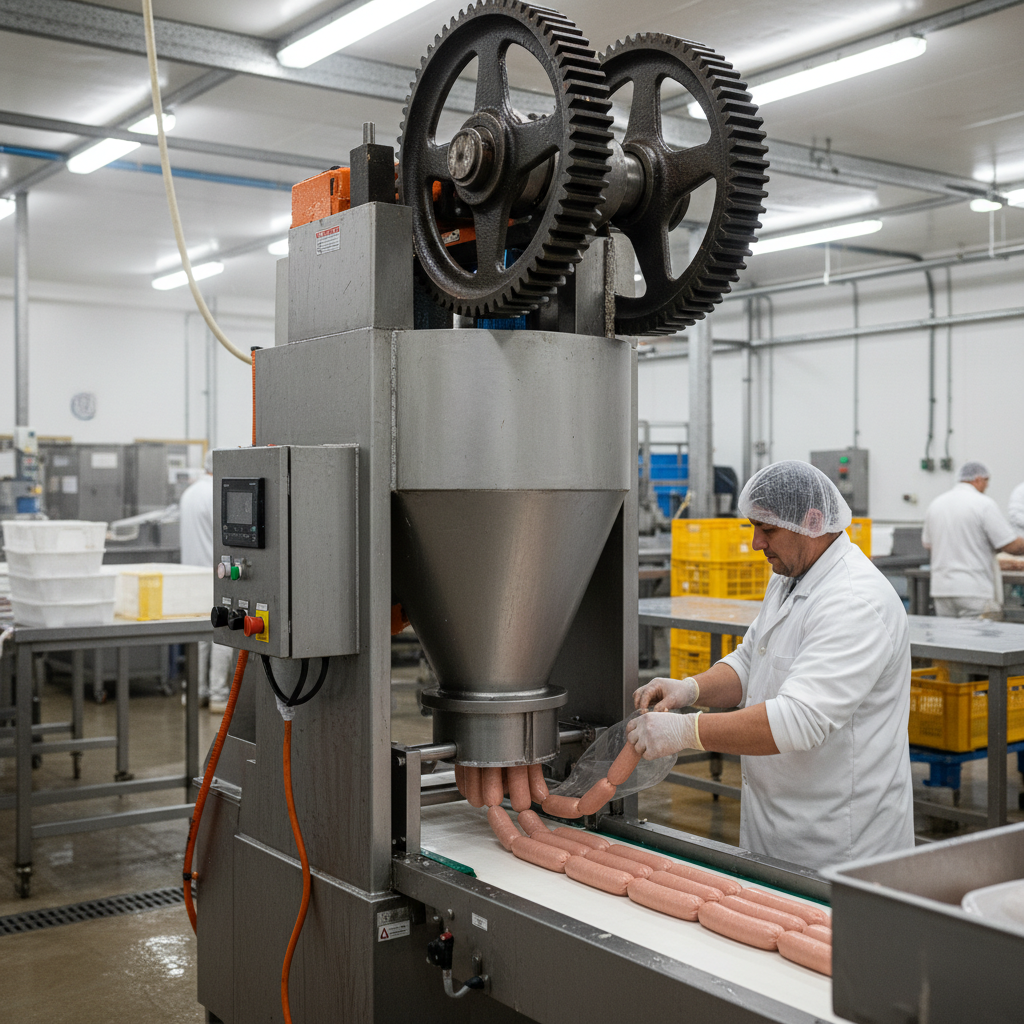
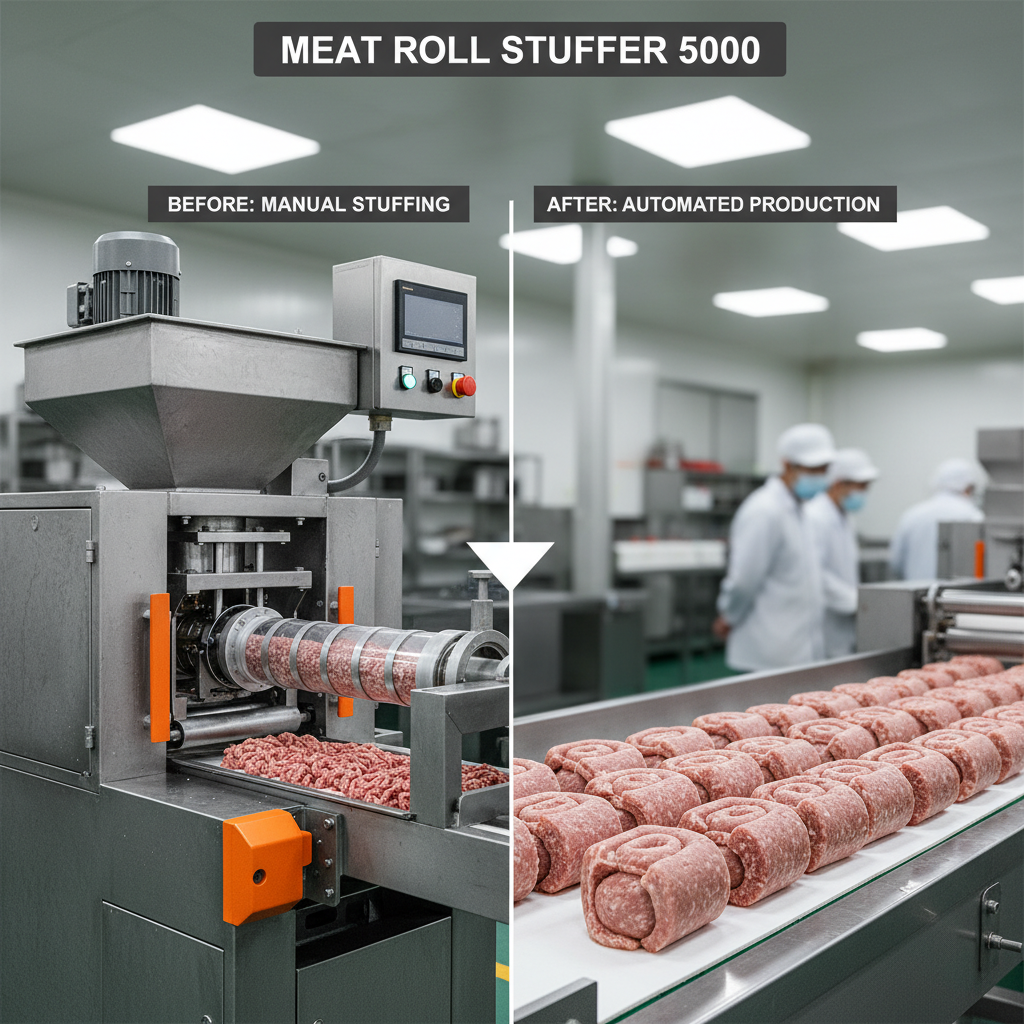
The global market for food processing equipment, including sausage fillers, is experiencing steady growth driven by increasing demand for processed meats, rising disposable incomes, and expanding food retail sectors. Understanding the nuances of sausage filler price is crucial for businesses of all sizes, from small-scale butcheries to large-scale food processing plants. It impacts profitability, production efficiency, and ultimately, the ability to meet consumer demands.
Fluctuations in sausage filler price can be attributed to several factors including raw material costs (stainless steel, for example), manufacturing complexities, technological advancements, and supply chain dynamics. These factors are further influenced by global economic conditions, trade policies, and regional market demands. Accurate price assessment is vital for making informed investment decisions and maintaining a competitive edge.
Selecting the right sausage filler involves balancing initial investment costs with long-term operational efficiency and product quality. The sausage filler price is only one component of the total cost of ownership, encompassing maintenance, energy consumption, and potential downtime. A well-informed purchase considers these factors to maximize return on investment.
Understanding the Factors Influencing Sausage Filler Price
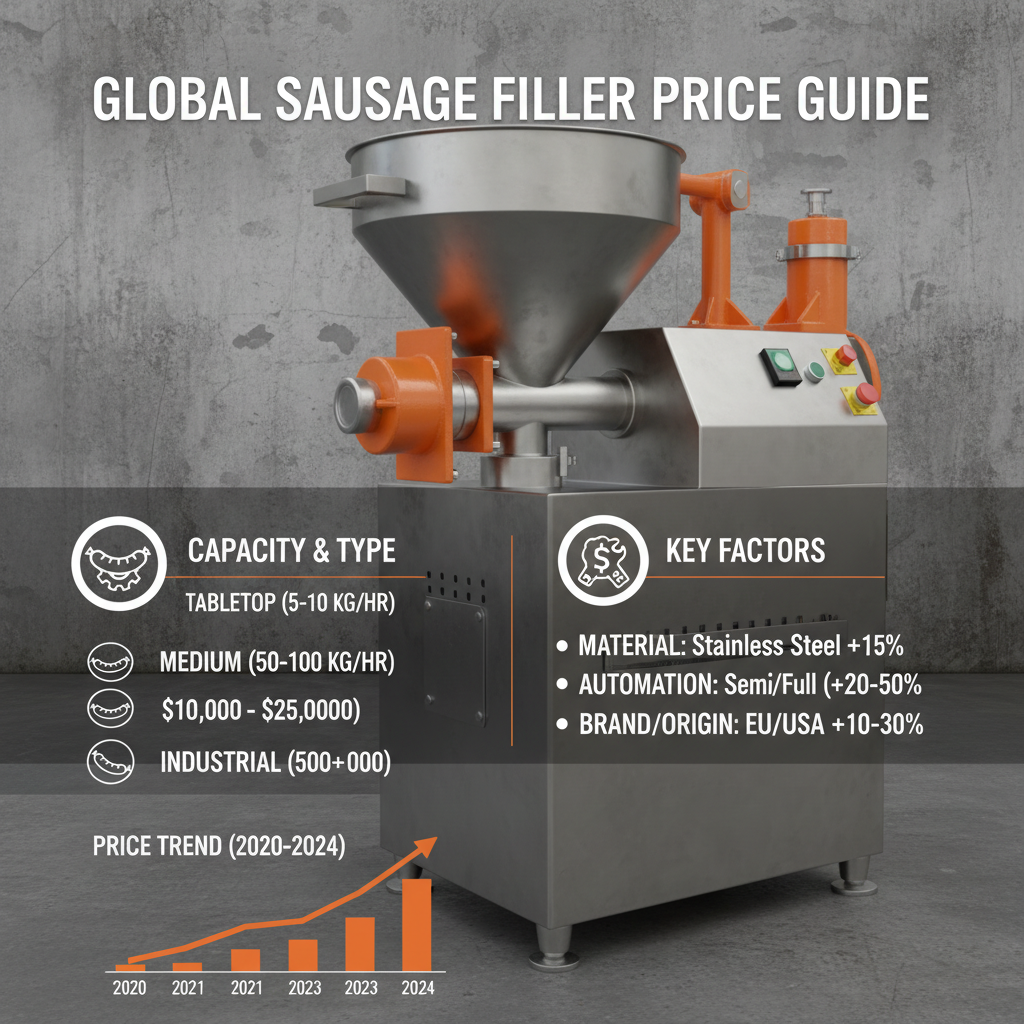
The sausage filler price is not static; it’s a dynamic figure shaped by a complex interplay of market forces. Raw material costs, particularly stainless steel – a primary component in most sausage fillers – significantly impact the overall price. Global steel prices fluctuate based on supply, demand, and geopolitical factors, directly affecting manufacturing costs.
Beyond materials, the level of automation and the technology incorporated into the filler also play a critical role. Fully automatic, high-speed fillers with advanced features naturally command a higher sausage filler price compared to manual or semi-automatic models. The brand reputation and after-sales support offered by the manufacturer also contribute to the price point.
Defining Sausage Filler Price & Its Importance
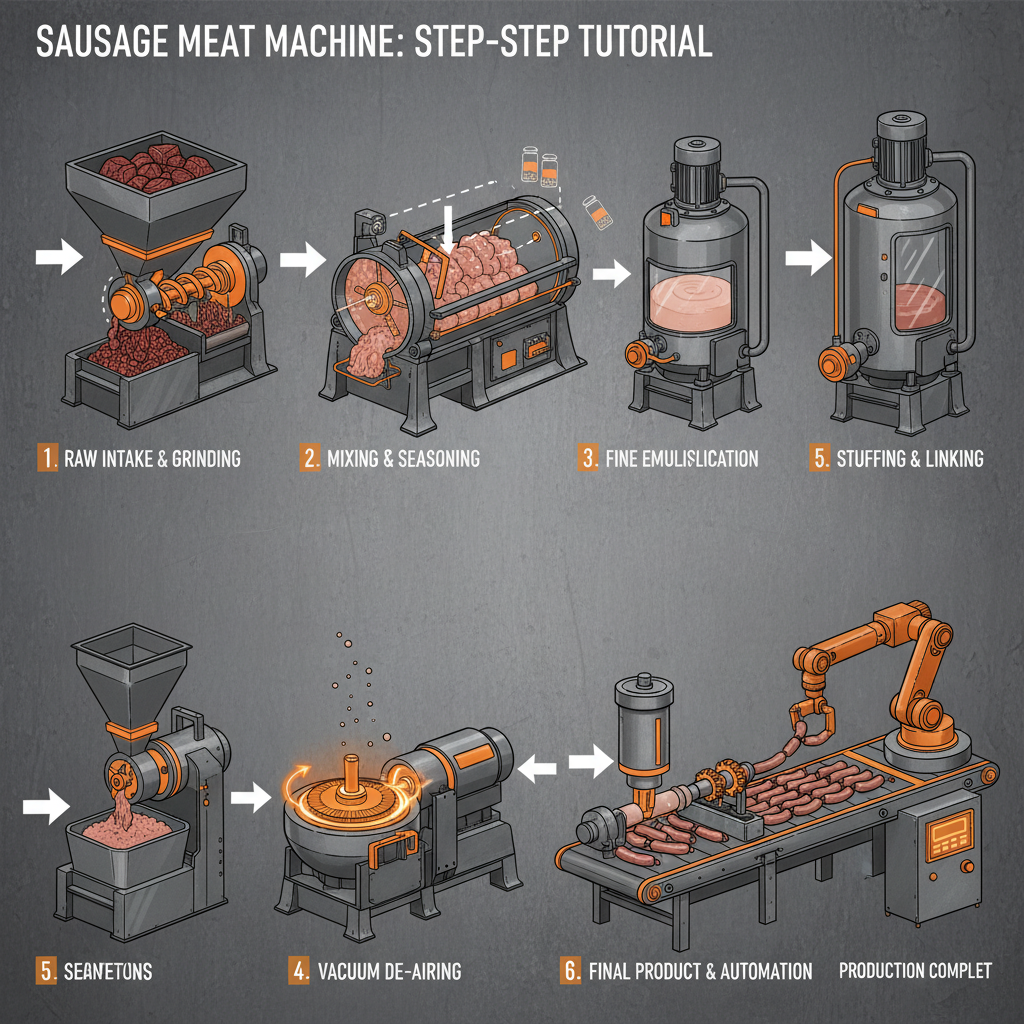
Sausage filler price refers to the total cost associated with acquiring a machine designed to stuff sausage casings with meat mixtures. This encompasses not only the initial purchase price but also associated costs like shipping, installation, and any required training. Understanding this complete cost picture is crucial for budgeting and accurate financial planning.
In the modern food industry, accurately assessing sausage filler price is pivotal for maintaining profitability. A poorly chosen filler can lead to inefficiencies, increased labor costs, and compromised product quality, ultimately eroding margins. It’s an investment that directly impacts the scalability and competitiveness of a food processing operation.
For humanitarian organizations involved in food aid or disaster relief, the sausage filler price becomes a critical consideration when sourcing equipment for providing sustainable food solutions to vulnerable populations. Durability, ease of maintenance, and local availability of spare parts are paramount in these contexts.
Core Components Affecting Sausage Filler Price
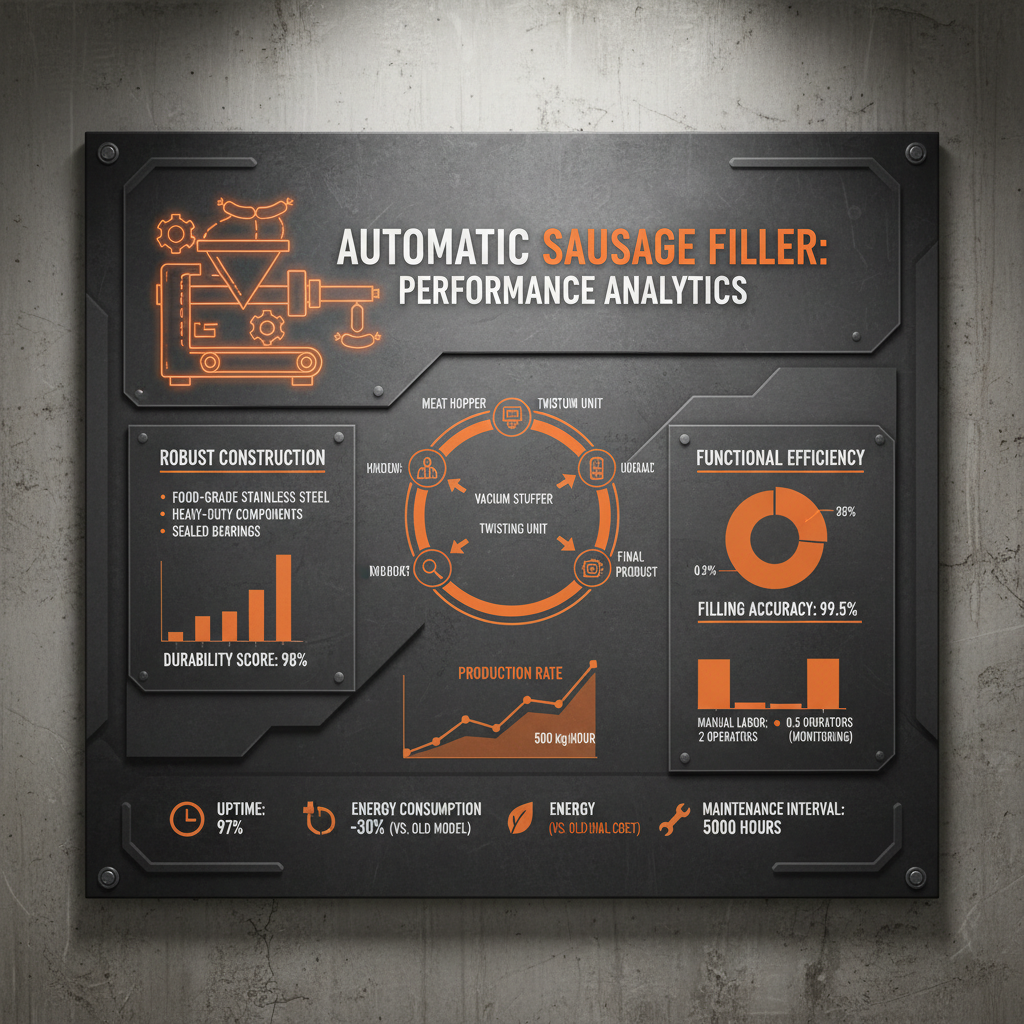
Durability is a key driver of sausage filler price. Machines constructed from high-grade stainless steel and robust components will naturally be more expensive but offer a longer lifespan and reduced maintenance costs. This translates to a better return on investment over time.
Automation levels significantly impact the price. Manual fillers are the most affordable, while fully automatic models, featuring programmable logic controllers (PLCs) and integrated weighing systems, represent the higher end of the price spectrum. This difference reflects the increased efficiency and reduced labor requirements offered by automation.
Capacity and production rate are also vital considerations. Fillers designed for high-volume production, capable of processing hundreds of kilograms of meat per hour, will command a higher sausage filler price than those intended for smaller batches. The choice depends on the scale of the operation.
Global Applications and the Impact on Sausage Filler Price
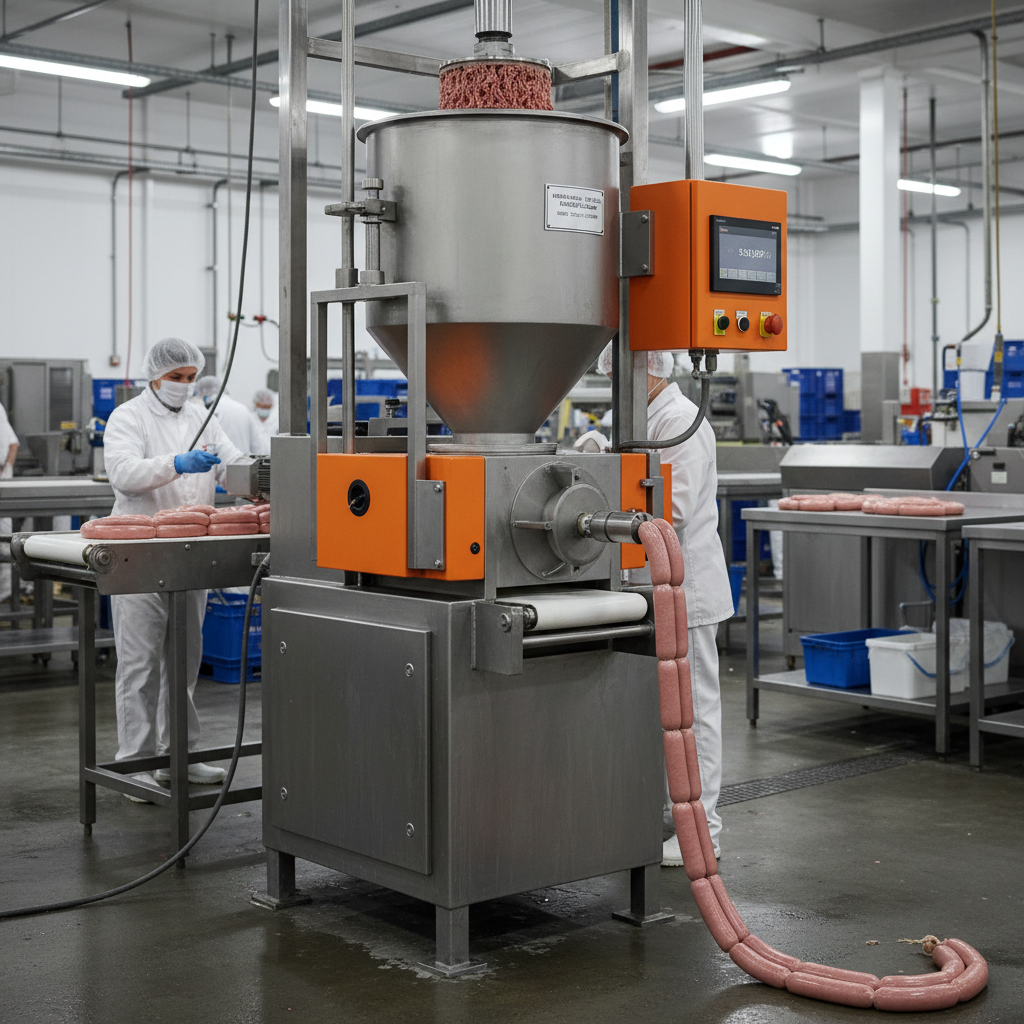
Sausage fillers find application across a wide spectrum of food processing industries globally. In Europe and North America, they are integral to large-scale meat processing plants, producing a diverse range of sausages, hot dogs, and other encased meat products. The demand for high-capacity, automated fillers is particularly strong in these regions, driving up sausage filler price for advanced models.
In emerging markets like Asia and Latin America, there's a growing demand for both industrial-scale and smaller, more affordable sausage fillers. Small-scale butcheries and local food producers are increasingly adopting semi-automatic fillers to improve efficiency and hygiene. This creates a demand for a wider range of sausage filler price points to cater to different budget levels.
Regional Sausage Filler Price Comparison
Advantages of Investing in the Right Sausage Filler Price Point
Selecting a sausage filler that aligns with your production needs and budget offers significant advantages. A well-chosen machine can drastically increase throughput, reducing labor costs and improving overall efficiency. This directly impacts the bottom line and enhances competitiveness.
Investing in a high-quality sausage filler also ensures consistent product quality. Precise filling and consistent sausage weight contribute to customer satisfaction and brand reputation. Furthermore, modern fillers often incorporate hygienic designs, simplifying cleaning and minimizing the risk of contamination.
Future Trends and Their Influence on Sausage Filler Price
The future of sausage filling technology is leaning towards increased automation, integration with Industry 4.0 principles, and enhanced hygiene features. Expect to see more fillers equipped with advanced sensors, data analytics, and remote monitoring capabilities, potentially increasing the sausage filler price for these sophisticated models.
Sustainability is also becoming a key driver of innovation. Manufacturers are focusing on developing energy-efficient fillers and utilizing more sustainable materials in their construction. Regulatory pressures related to food safety and hygiene will continue to push the development of easier-to-clean and sanitize equipment, further influencing design and price.
Challenges and Solutions in Managing Sausage Filler Price
One common challenge is balancing the upfront sausage filler price with long-term operational costs. While a cheaper model might seem appealing initially, it may require more frequent maintenance and repairs, ultimately increasing the total cost of ownership.
To mitigate this, conduct a thorough total cost of ownership analysis, considering factors like energy consumption, spare parts availability, and potential downtime. Exploring financing options or leasing arrangements can also make higher-quality equipment more accessible.
Another challenge is navigating the complexities of different filler types and features. Consulting with experienced suppliers and conducting thorough research are crucial for selecting a machine that meets your specific production requirements.
Summary of Challenges and Solutions in Managing Sausage Filler Price
| Challenge |
Impact on Sausage Filler Price |
Solution |
Cost Effectiveness |
| High Initial Investment |
Increases upfront sausage filler price, potentially limiting access for smaller businesses. |
Explore financing options, leasing arrangements, or consider refurbished models. |
Medium |
| Maintenance and Repair Costs |
Unexpected repairs and maintenance can significantly increase the total cost of ownership. |
Choose durable, well-built machines with readily available spare parts. |
High |
| Energy Consumption |
Energy-inefficient fillers can lead to higher operating costs. |
Opt for energy-efficient models and implement energy-saving practices. |
Medium |
| Complexity of Features |
Advanced features can increase sausage filler price and require specialized training. |
Select features that align with your specific needs and ensure adequate training for operators. |
Medium |
| Supply Chain Disruptions |
Global events can impact the availability and price of components. |
Establish relationships with multiple suppliers and maintain a stock of critical spare parts. |
Low |
| Lack of Trained Personnel |
Improper operation or maintenance can lead to inefficiencies and breakdowns. |
Invest in comprehensive training programs for operators and maintenance staff. |
High |
FAQS
Several key factors drive sausage filler price, including the materials used (stainless steel grade), the level of automation (manual, semi-automatic, fully automatic), production capacity, brand reputation, and the inclusion of advanced features like programmable logic controllers (PLCs) and integrated weighing systems. Supply chain dynamics and raw material costs also play a crucial role.
Generally, increased automation leads to a higher sausage filler price. Manual fillers are the most affordable, while fully automatic models with advanced features are significantly more expensive. However, the investment in automation can be justified by reduced labor costs, increased throughput, and improved product consistency.
Direct filling systems pump the meat mixture directly into the casings, while indirect systems require pre-portioning the meat before filling. Indirect systems are typically less expensive initially but are less efficient for large-scale production. Direct systems generally have a higher sausage filler price but offer greater speed and precision.
Refurbished sausage fillers can offer a more affordable entry point, but it’s crucial to verify the machine’s condition, warranty, and the availability of spare parts. A new filler offers a longer warranty, the latest technology, and the assurance of no prior wear and tear. The overall sausage filler price consideration should include long-term maintenance and potential downtime.
Stainless steel quality is paramount, as it directly impacts hygiene, durability, and resistance to corrosion. Higher-grade stainless steel (e.g., 304 or 316) will increase the sausage filler price but provides superior sanitation and a longer lifespan, especially in demanding production environments.
Beyond the initial sausage filler price, budget for maintenance, spare parts (casings, nozzles, seals), cleaning supplies, energy consumption, operator training, and potential repair costs. Regular preventative maintenance is crucial to minimize downtime and extend the machine’s lifespan.
Conclusion
In conclusion, the sausage filler price is a multifaceted consideration, influenced by a range of factors from materials and automation to production capacity and brand reputation. A careful assessment of these elements, alongside a thorough total cost of ownership analysis, is essential for making a sound investment. Prioritizing quality, durability, and alignment with specific production needs will yield the greatest long-term benefits.
Looking ahead, the industry will likely see continued innovation in automation, hygiene, and sustainability. Investing in a modern, well-suited sausage filler is not merely a cost; it’s a strategic investment in efficiency, product quality, and the long-term competitiveness of your food processing operation. For more information and to explore our range of sausage fillers, visit our website: www.bossinmachinery.com