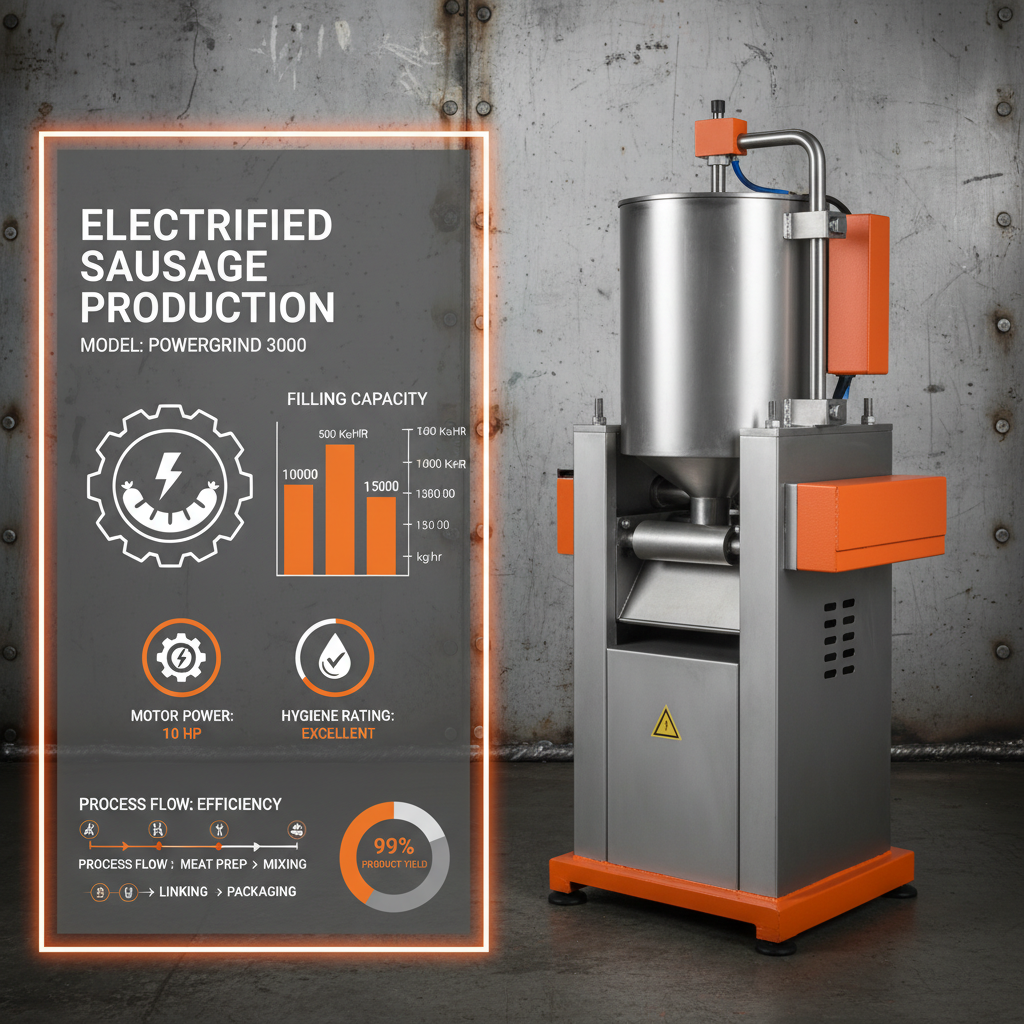
The global demand for efficient food processing equipment is constantly rising, driven by population growth and changing consumer preferences. At the heart of this demand lies the need for specialized machinery like the sausage meat machine, crucial for modern meat production and ensuring food safety standards are met. These machines aren't just about speed; they represent a commitment to consistency, hygiene, and maximizing yield in a competitive market.
The sausage meat machine industry is experiencing innovation fueled by advancements in materials science and automation. From small-scale artisanal producers to large industrial facilities, businesses are seeking solutions to optimize their sausage production processes. Understanding the nuances of different machine types and their capabilities is therefore vital for stakeholders across the food supply chain. The sausage meat machine plays a pivotal role in this evolution, adapting to the diverse needs of manufacturers globally.
Investing in quality sausage meat machinery is not merely a capital expenditure but a strategic move towards long-term efficiency and profitability. A reliable sausage meat machine minimizes waste, enhances product quality, and streamlines production workflows, ultimately contributing to a stronger bottom line.
Introduction to Sausage Meat Machines
The sausage meat machine represents a critical component in the modern meat processing industry. These machines are designed to efficiently and consistently blend, mix, and prepare meat for sausage production, significantly increasing throughput compared to manual methods. Properly selected and maintained equipment ensures a high-quality end product, meeting consumer demands for both taste and food safety.
The evolution of these machines reflects broader trends in food technology, with a focus on automation, hygiene, and precision. From simple manual grinders to sophisticated vacuum fillers and emulsifiers, the range of sausage meat machine options available caters to diverse production scales and sausage varieties.
Defining Sausage Meat Machines
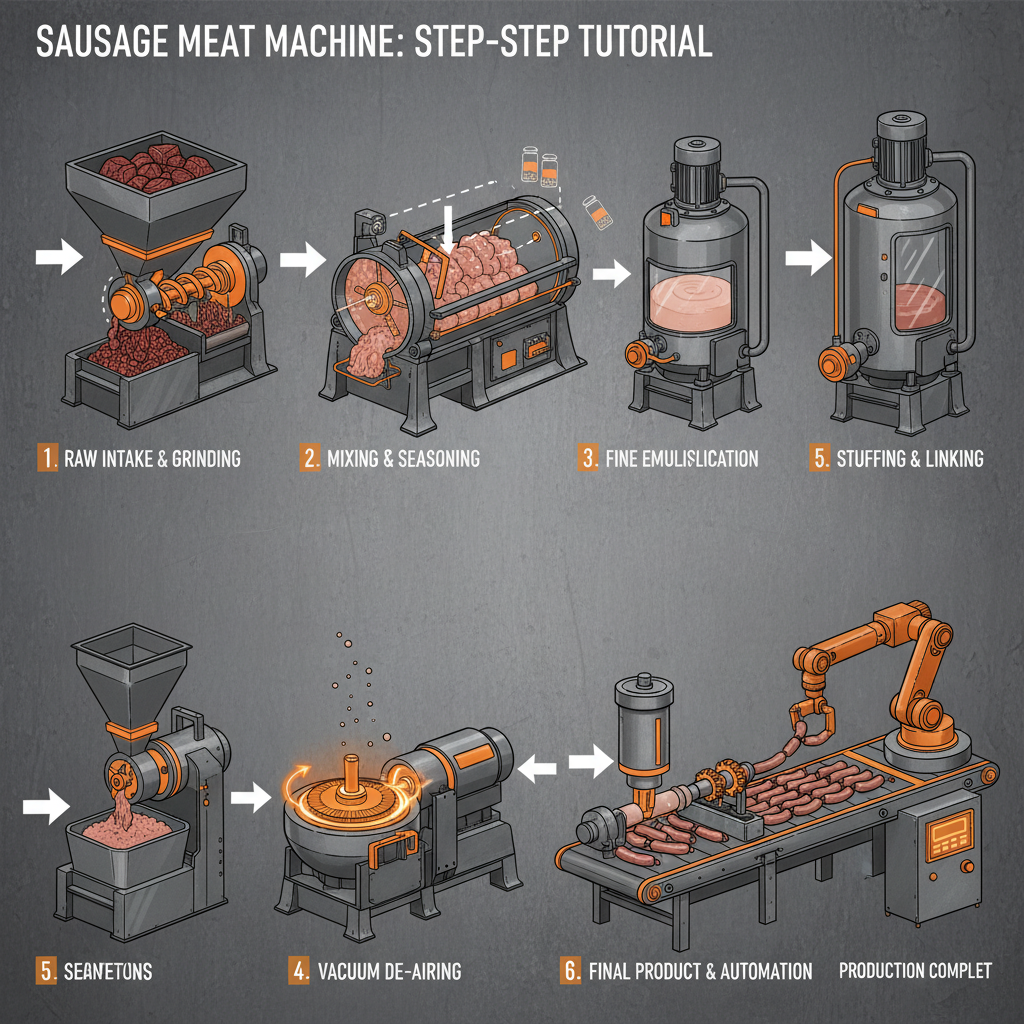
A sausage meat machine is a specialized piece of food processing equipment designed for the automated preparation of meat mixtures intended for sausage production. This includes grinding, mixing, emulsifying, and sometimes even filling the sausage casings. These machines are designed to handle various types of meat, fats, and seasonings, ensuring a homogenous blend essential for consistent sausage quality.
Modern sausage meat machines move beyond simple mixing, incorporating features like vacuum processing to eliminate air pockets, temperature control to maintain optimal meat consistency, and precise dosing systems to ensure accurate ingredient ratios. This connection to industry standards ensures compliance with food safety regulations.
The machine's role extends beyond just preparation; it's integral to the entire production workflow, directly impacting the texture, flavor, and shelf life of the final sausage product. A well-functioning sausage meat machine is a cornerstone of efficient and reliable sausage manufacturing.
Core Components and Functionality
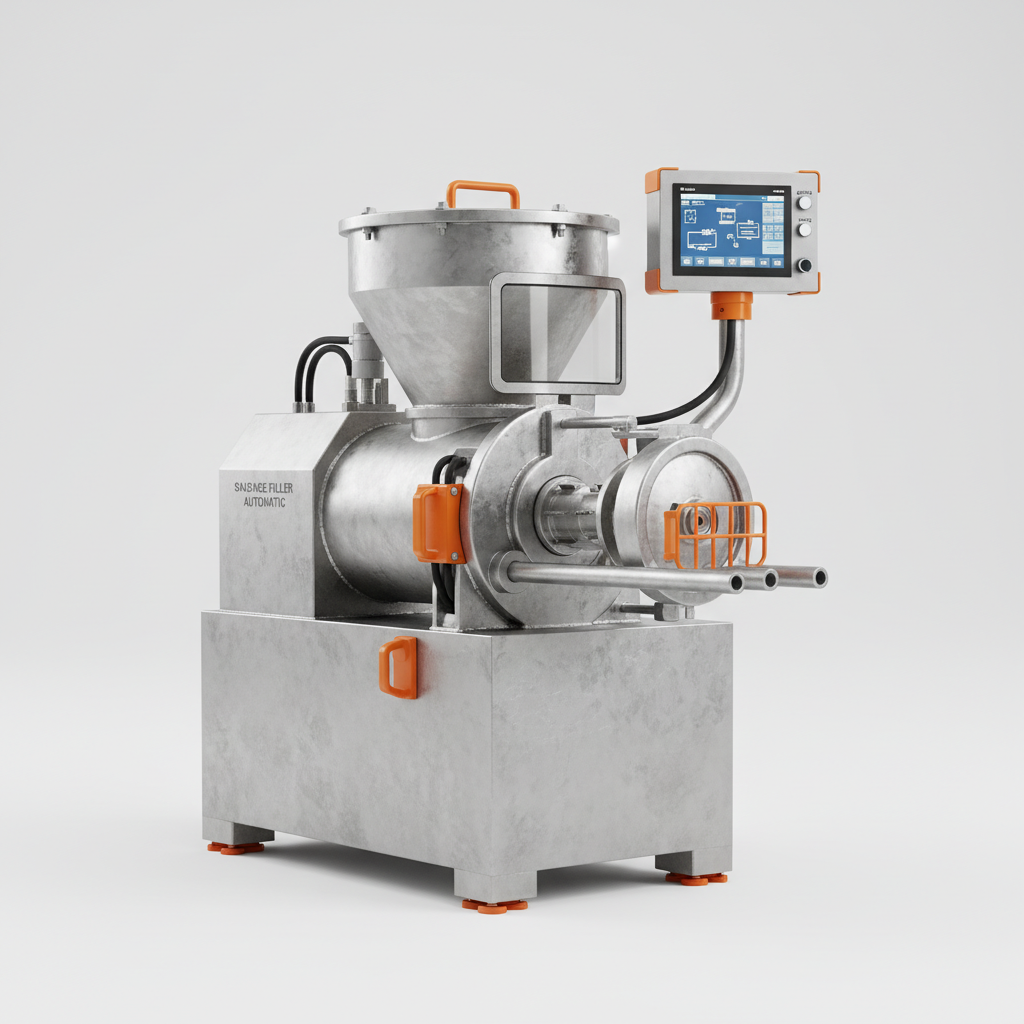
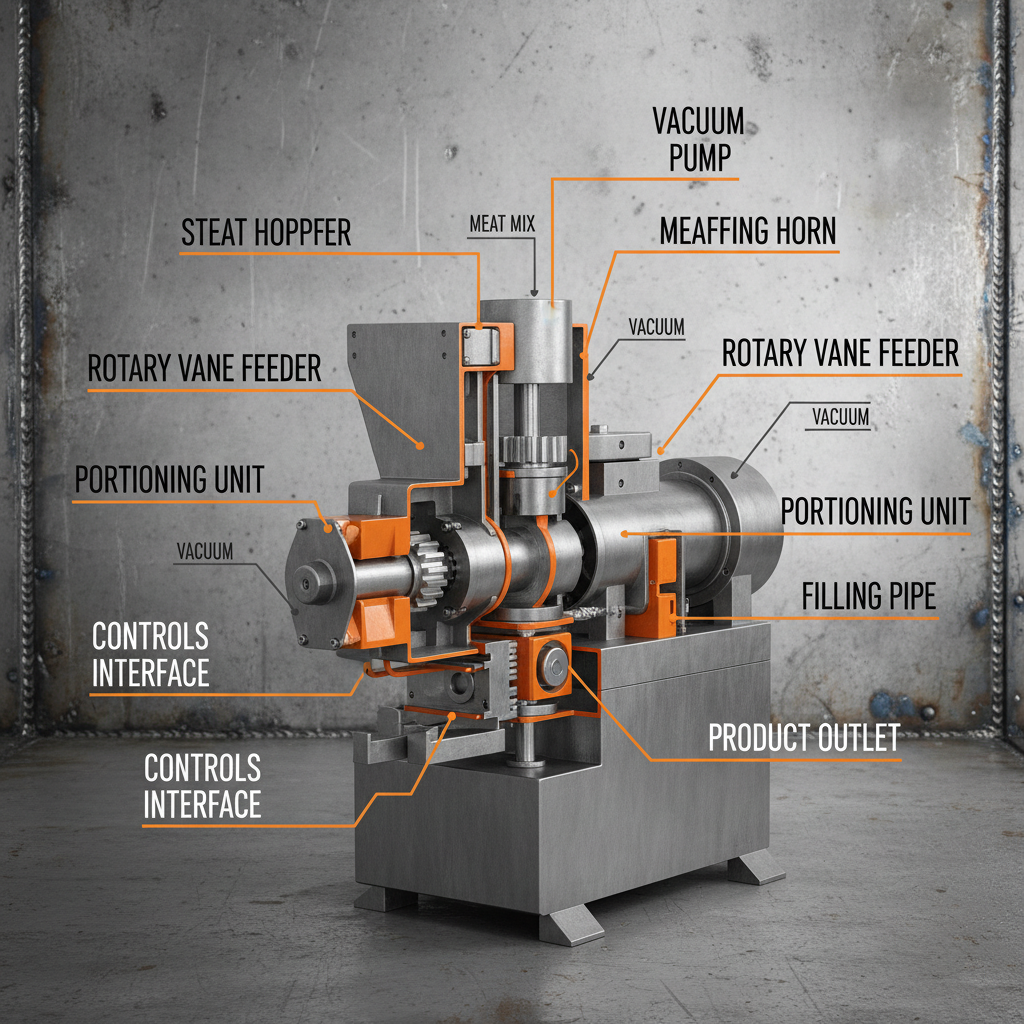
The efficiency and reliability of a sausage meat machine hinges on several key components. The grinding system, typically consisting of plates and knives, initiates the process by reducing meat to the desired particle size. Next, the mixing and emulsifying components ensure a homogenous blend of meat, fat, seasonings, and additives. This is often accomplished through rotating paddles or impellers within a vacuum chamber.
Temperature control is another crucial aspect, often achieved through jacketed mixing bowls or the use of chilled water circulation. Maintaining a low temperature prevents fat smearing and preserves the quality of the meat proteins. Finally, the dosing and filling systems accurately portion the mixture for consistent batch sizes and facilitate easy transfer to the casing filling stage.
Modern machines often include programmable logic controllers (PLCs) for precise control over processing parameters and automated cleaning systems for improved hygiene. Understanding these components and their functionalities is vital for optimizing performance and maximizing the lifespan of the sausage meat machine.
Key Performance Indicators of Sausage Meat Machines
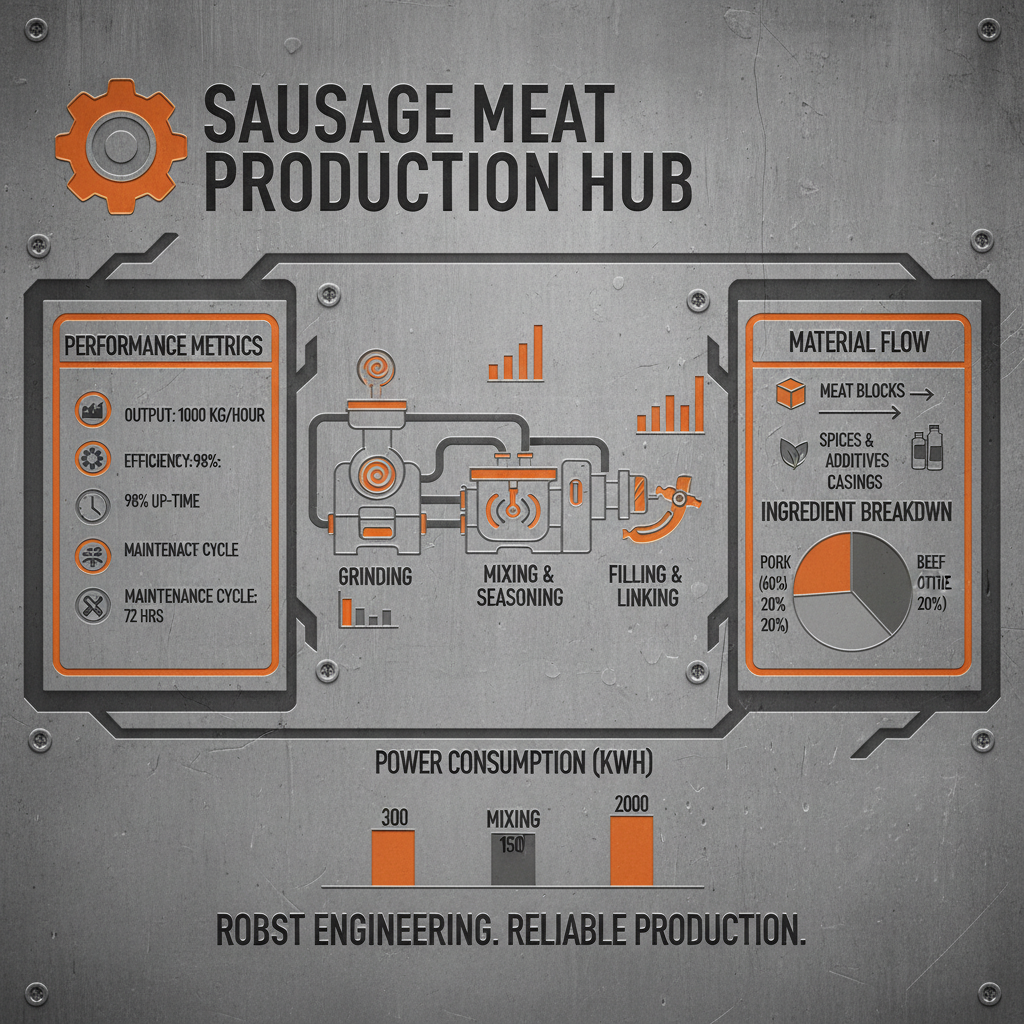
Evaluating the performance of a sausage meat machine requires focusing on several key indicators. Throughput, measured in kilograms or pounds per hour, dictates the production capacity. Emulsification quality, assessed through microscopic analysis, ensures a consistent texture in the final product.
Another crucial indicator is consistency in batch-to-batch uniformity. Variations in ingredient distribution can significantly affect taste and quality. Finally, ease of cleaning and maintenance directly impacts downtime and overall operational costs.
Sausage Meat Machine Performance Metrics
Global Applications of Sausage Meat Machines
Sausage meat machines find application across a vast spectrum of food production facilities worldwide. From large-scale industrial meat processors in Europe and North America to smaller, family-run butcheries in Asia and Latin America, the demand for efficient and reliable equipment is universal. These machines are essential for producing a wide range of sausage products, catering to diverse culinary traditions and consumer preferences.
In post-disaster relief operations, portable sausage meat machines can play a critical role in providing nutritious, shelf-stable food to affected populations. Similarly, in remote industrial zones or military installations, these machines offer a means of self-sufficiency in food production.
Advantages and Long-Term Value
Investing in a high-quality sausage meat machine translates into tangible long-term benefits. Reduced labor costs, minimized product waste, and increased production capacity contribute to significant cost savings. Enhanced product consistency and improved food safety bolster brand reputation and customer trust.
Beyond the economic advantages, these machines promote sustainability by optimizing resource utilization and reducing environmental impact. The reliability and durability of well-maintained equipment ensure a long service life, maximizing the return on investment and fostering a commitment to innovation within the food processing industry.
Future Trends and Innovations
The future of sausage meat machine technology is poised for significant advancements. Expect to see increased integration of automation and robotics, driven by advancements in artificial intelligence and machine learning. The incorporation of real-time data analytics will enable predictive maintenance and optimized process control.
Sustainability will continue to be a key driver, with a focus on energy-efficient designs and the use of eco-friendly materials. Furthermore, we can anticipate the development of more versatile machines capable of handling a wider range of ingredients and producing innovative sausage varieties.
Digital transformation will also play a crucial role, with remote monitoring, cloud-based data storage, and enhanced connectivity features becoming standard.
Challenges & Solutions
Despite the advancements, several challenges persist in the sausage meat machine industry. Maintaining hygiene and preventing bacterial contamination remains a top concern, requiring stringent cleaning protocols and the use of antimicrobial materials. Another challenge is optimizing machine performance for diverse sausage types, necessitating adjustable settings and specialized components.
Solutions lie in the development of self-cleaning systems, advanced sensor technologies for real-time monitoring of temperature and pH levels, and modular designs that allow for easy customization. Implementing robust preventative maintenance programs and providing comprehensive operator training are also critical.
Addressing these challenges will require continued collaboration between manufacturers, researchers, and food safety experts to ensure the production of safe, high-quality sausage products.
Summary of Key Challenges and Potential Solutions for Sausage Meat Machine Operation
| Challenge |
Impact on Production |
Potential Solution |
Implementation Cost (1-10) |
| Hygiene and Contamination |
Product Recall, Brand Damage |
Automated CIP (Clean-in-Place) Systems |
7 |
| Inconsistent Emulsification |
Variable Texture, Reduced Shelf Life |
Precision Temperature Control & Vacuum Processing |
6 |
| Machine Downtime |
Lost Production, Increased Costs |
Predictive Maintenance with Sensor Data |
5 |
| Ingredient Waste |
Increased Raw Material Costs |
Precise Dosing and Filling Systems |
4 |
| Operator Error |
Inconsistent Batches, Safety Hazards |
Automated Control Panels & Comprehensive Training |
3 |
| Adaptability to New Recipes |
Slow Response to Market Changes |
Modular Machine Designs with Adjustable Settings |
8 |
FAQS
Continuous sausage meat machines excel at high-volume production, operating seamlessly for extended periods. Batch machines, conversely, are better suited for smaller runs and greater recipe flexibility. The choice depends heavily on your production scale and product diversity. Continuous machines prioritize speed and efficiency, while batch machines offer greater control over the mixing process. Investing in the right sausage meat machine requires careful consideration of these factors.
Preventative maintenance is crucial for extending the lifespan of your sausage meat machine. A general guideline is to conduct a thorough inspection and lubrication every 3-6 months, depending on usage frequency. Regularly check belts, bearings, and seals for wear and tear. Following the manufacturer’s recommendations is always advisable to prevent costly breakdowns and ensure optimal performance.
Safety should always be a priority. Ensure all operators are properly trained on machine operation and emergency procedures. Always wear appropriate personal protective equipment (PPE), including safety glasses, gloves, and hairnets. Never bypass safety interlocks or attempt repairs while the machine is running. Regularly inspect safety features to ensure they are functioning correctly.
Thorough cleaning and sanitization are essential for maintaining food safety. Disassemble removable parts and wash them with hot soapy water, followed by a food-grade sanitizer. Wipe down all surfaces of the machine with a sanitizing solution. Ensure all parts are completely dry before reassembling. Consider utilizing a Clean-in-Place (CIP) system for more efficient and effective cleaning.
Key factors include production volume, sausage types, budget, and available space. Consider the machine’s capacity, features (vacuum processing, temperature control), ease of cleaning, and energy efficiency. Research different manufacturers and compare specifications to find the best fit for your needs. A well-chosen sausage meat machine will significantly improve your production efficiency and product quality.
With proper maintenance and care, a high-quality sausage meat machine can last for 10-20 years or even longer. Regular preventative maintenance, prompt repairs, and adherence to manufacturer’s guidelines are critical for maximizing its lifespan. Investing in durable materials and reliable components initially will also contribute to long-term value.
Conclusion
In conclusion, the sausage meat machine stands as an indispensable asset for modern meat processing. From ensuring food safety and optimizing production efficiency to enhancing product quality and driving innovation, these machines are pivotal in meeting the evolving demands of the global food industry. Understanding the core components, key performance indicators, and future trends associated with this technology is critical for businesses seeking a competitive edge.
Looking ahead, continued advancements in automation, data analytics, and sustainable design will shape the future of sausage meat machine technology. By embracing these innovations and prioritizing preventative maintenance, manufacturers can unlock the full potential of these machines, fostering long-term growth and success. Visit our website at www.bossinmachinery.com to learn more about our comprehensive range of sausage meat machines and solutions.