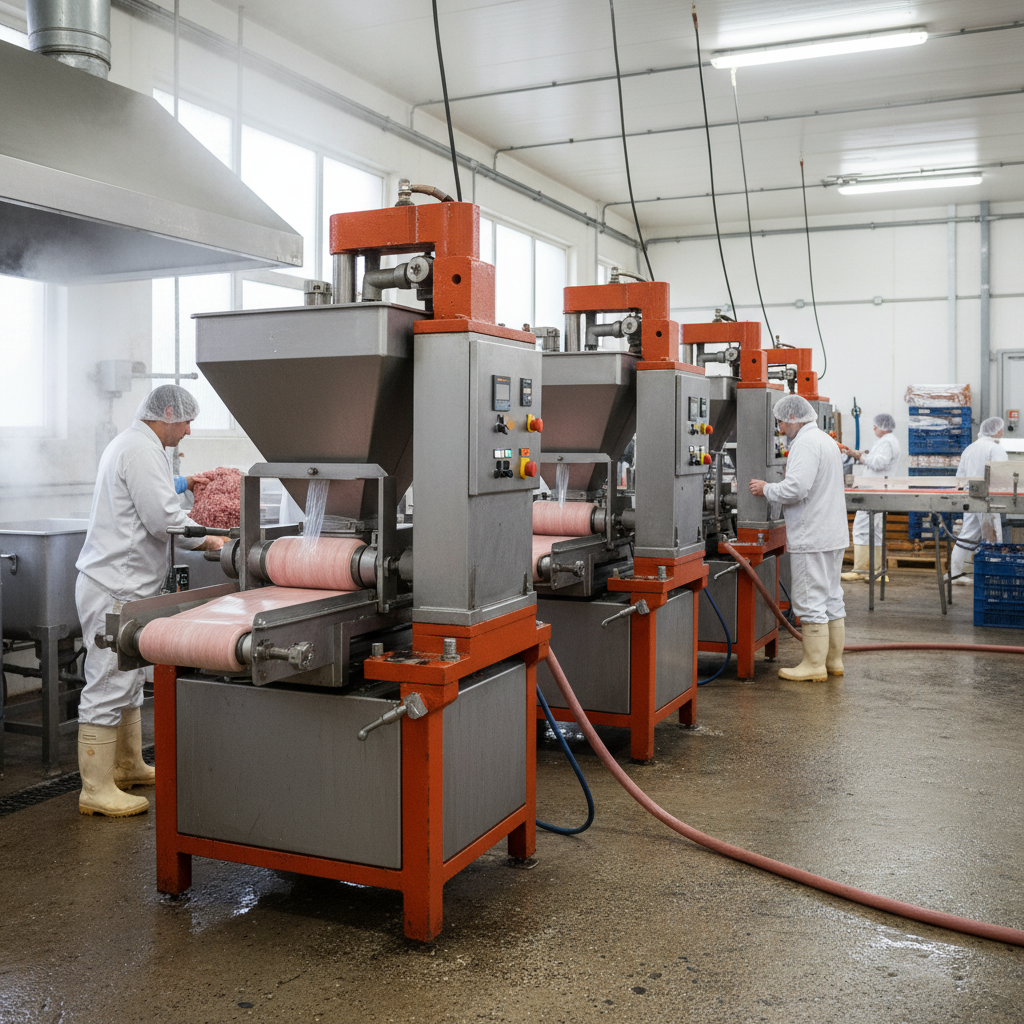
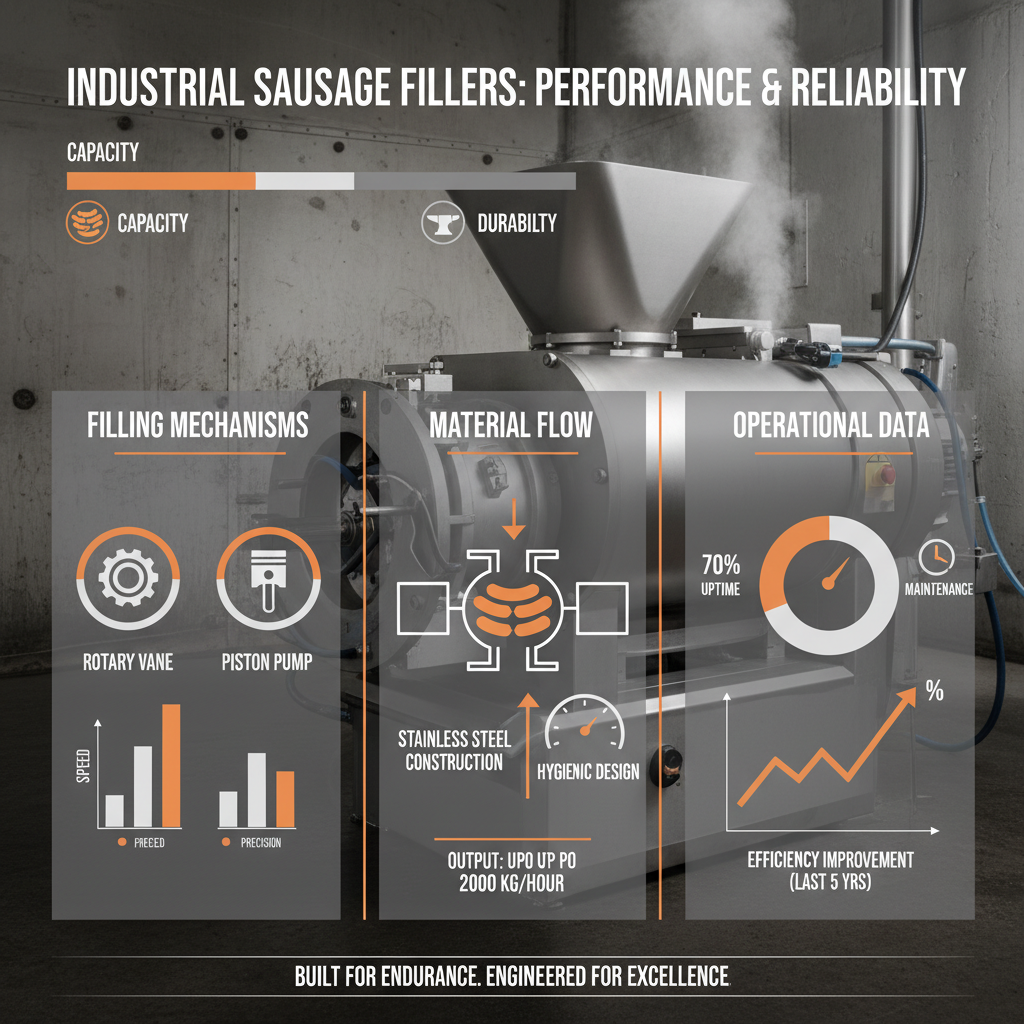
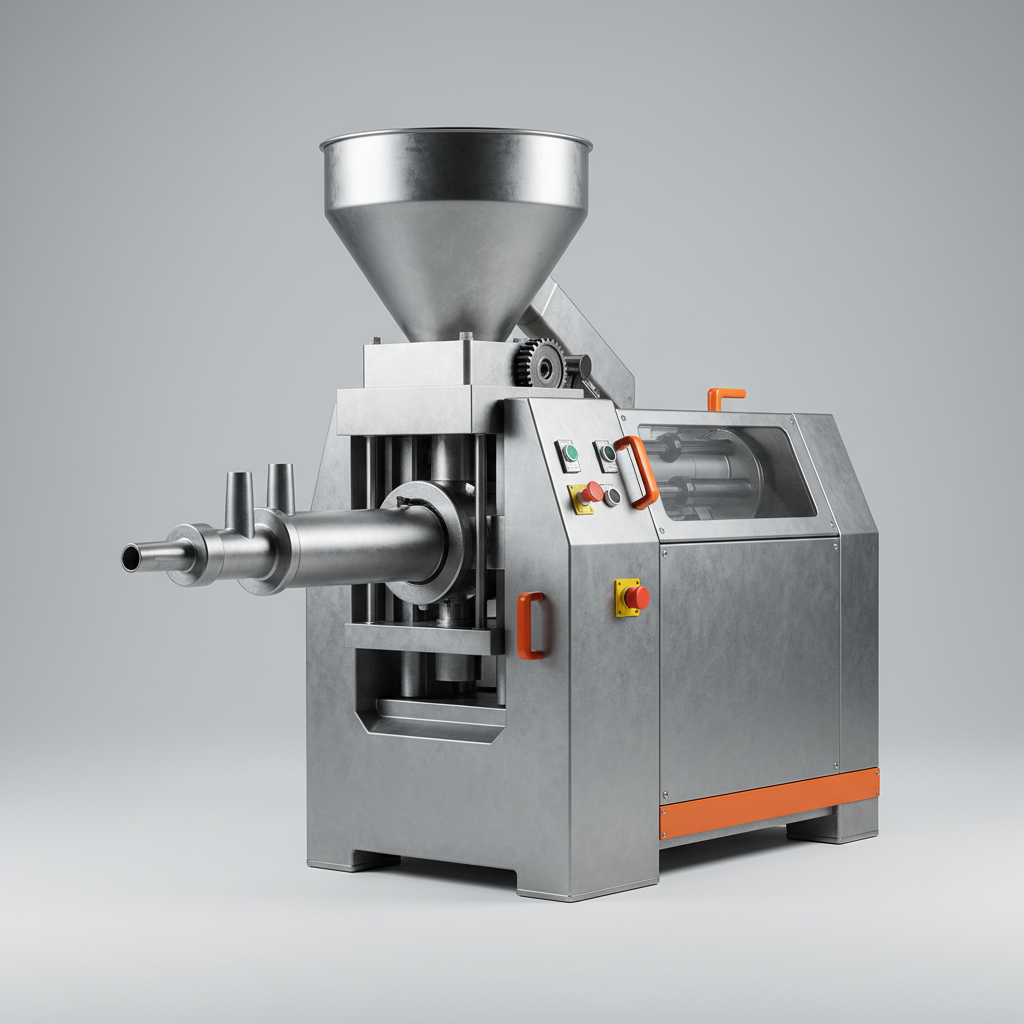
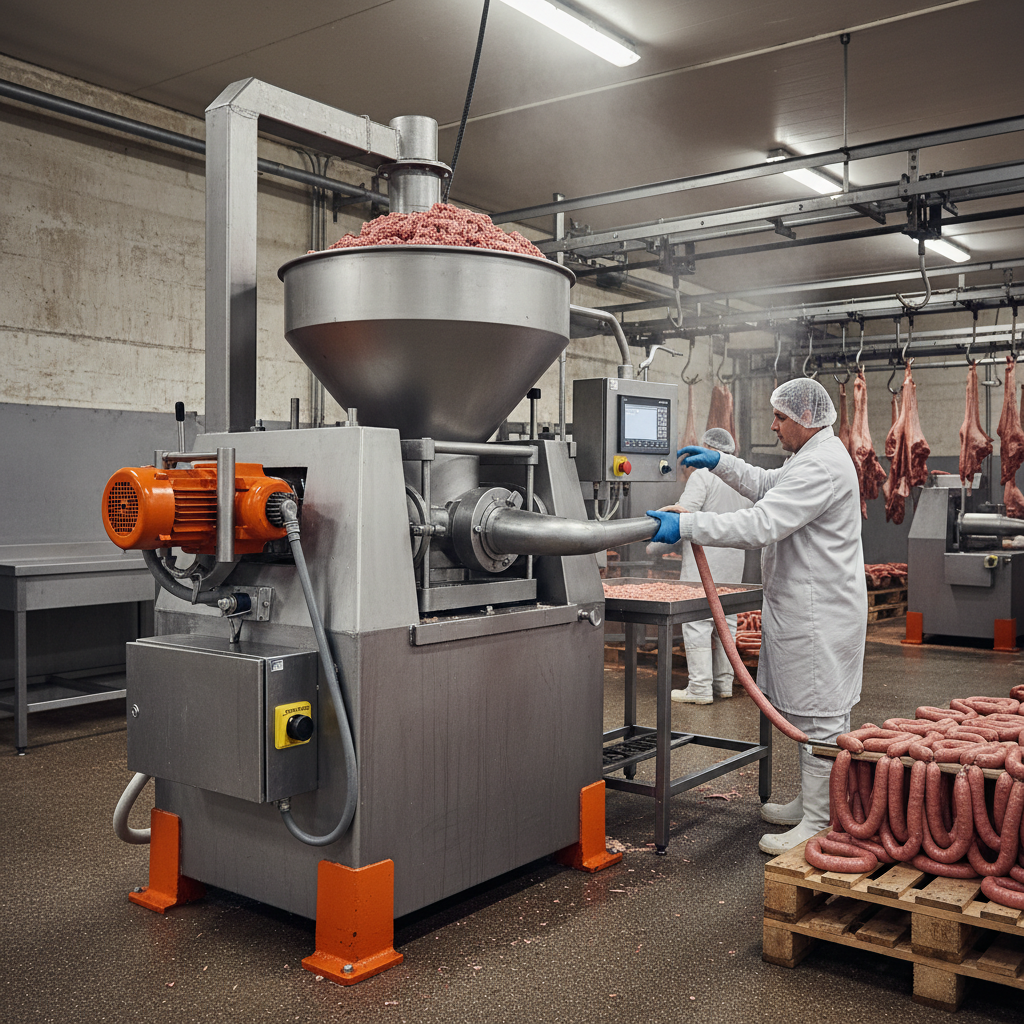
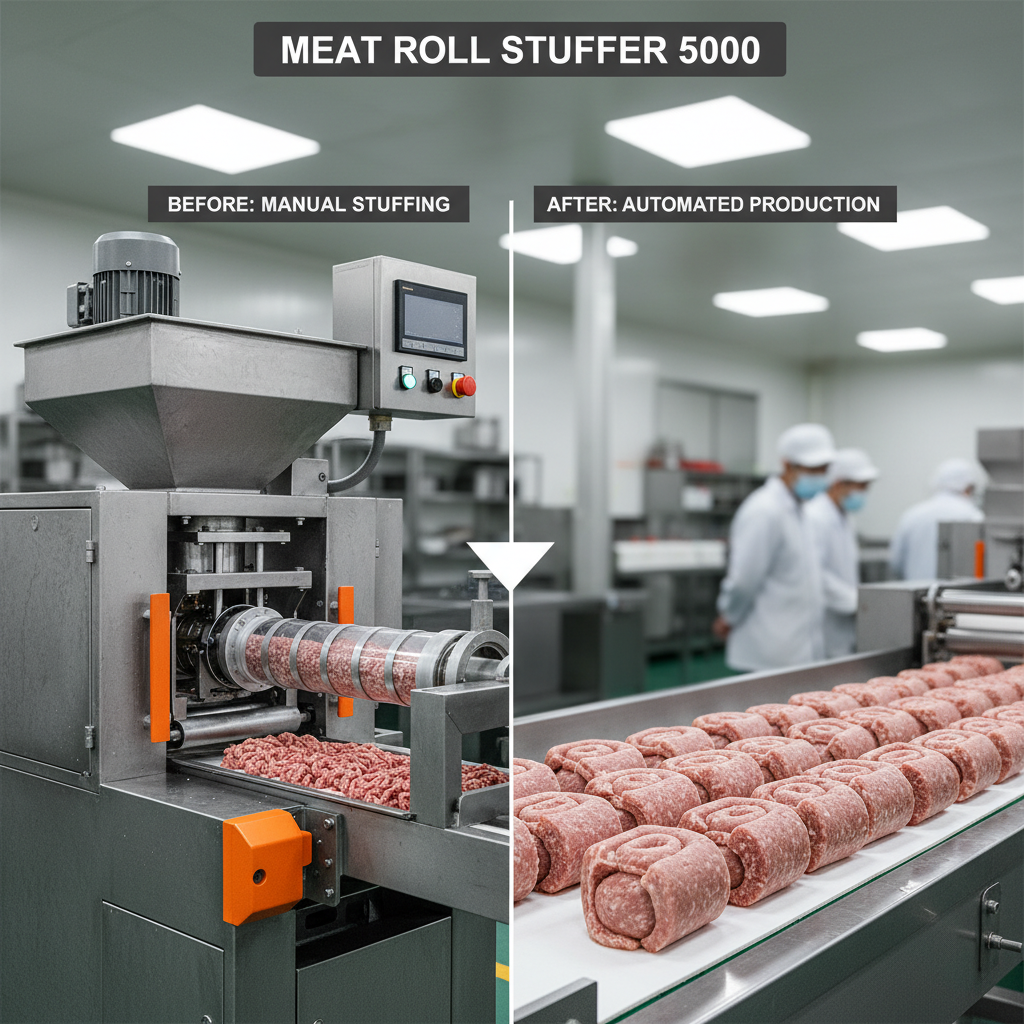
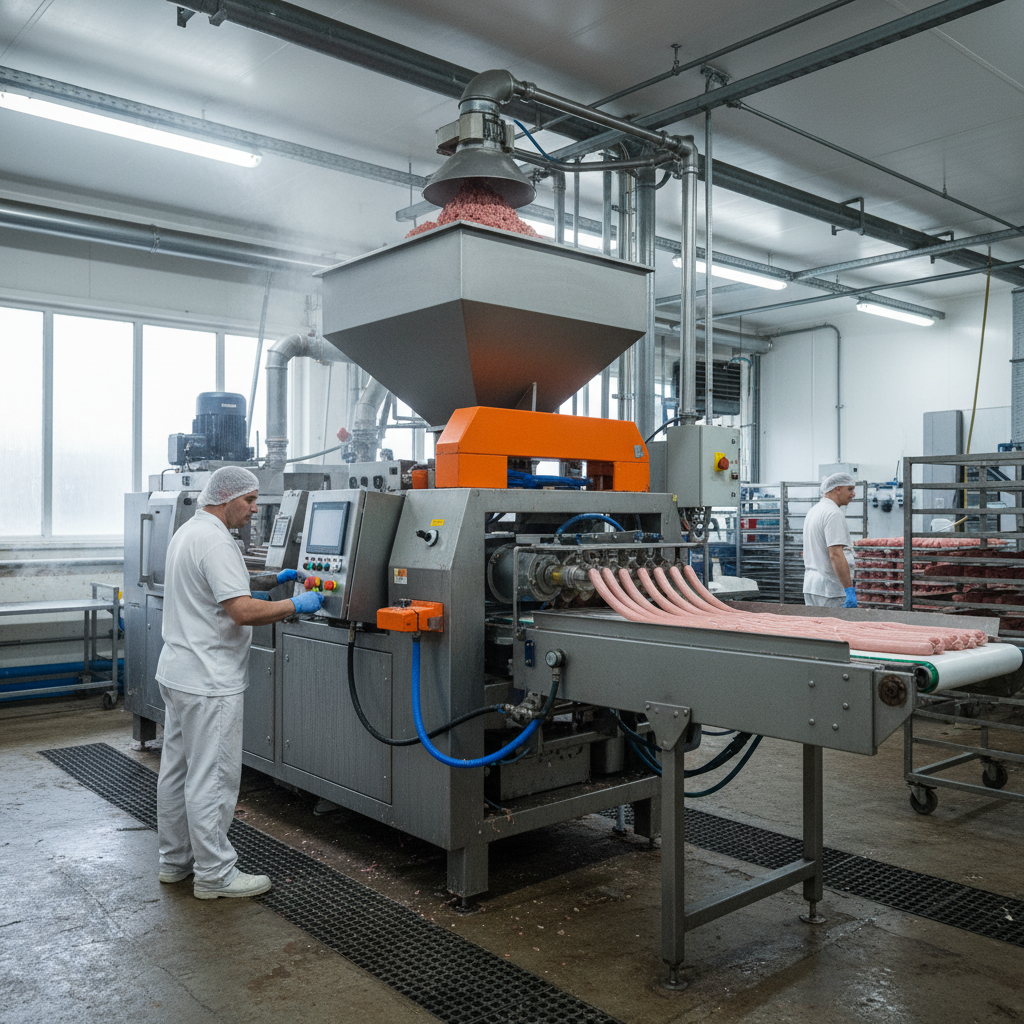
Sausage fillers represent a critical component in the modern food processing industry, enabling efficient and hygienic production of a wide range of encased meat products. From artisanal butchers to large-scale manufacturing facilities, the demand for reliable sausage fillers continues to grow, driven by consumer preference for convenience and quality. Understanding the nuances of these machines – their operation, maintenance, and technological advancements – is crucial for food producers aiming to optimize their processes and meet evolving market demands.
Globally, the sausage and processed meat market is a multi-billion dollar industry. According to recent reports, the demand for pre-cooked and convenience foods, including sausages, is consistently rising, particularly in developing economies. This surge in demand necessitates improved processing techniques, where sausage fillers play a vital role. Addressing challenges related to food safety, hygiene, and production efficiency are paramount, and advanced sausage filling technology provides solutions to these concerns.
The increasing focus on food safety regulations and traceability standards worldwide further emphasizes the importance of investing in high-quality sausage fillers. These machines are integral to ensuring consistent product quality, reducing waste, and maintaining compliance with industry standards. Efficient sausage filling minimizes handling, reducing the risk of contamination and delivering a superior product to consumers.
The Core Principles of Sausage Fillers
At their core, sausage fillers operate on the principle of positive displacement. This means they precisely meter and transfer the sausage mixture into casings, ensuring consistent fill weight and minimizing air pockets. Different types of fillers utilize various mechanisms for this process, including piston, screw, and pump-based systems, each with its own strengths and weaknesses. Proper understanding of these principles allows for optimized operation and minimizes downtime.
A crucial aspect of effective sausage filling is maintaining the emulsion – the stable mixture of meat, fat, and seasonings. Sausage fillers are designed to gently handle the mixture, preventing the breakdown of the emulsion, which would negatively impact the texture and quality of the final product. This gentle handling is achieved through carefully engineered impeller designs and controlled filling pressures.
Technological Advancements in Sausage Filling
Modern sausage filling technology has seen significant advancements, moving beyond purely mechanical systems to incorporate sophisticated automation and control features. Programmable logic controllers (PLCs) now allow for precise control of filling parameters, such as speed, pressure, and portion size, leading to greater consistency and reduced waste. Digital interfaces provide real-time monitoring of performance data, facilitating proactive maintenance and troubleshooting.
The integration of vacuum technology has also revolutionized sausage filling. Vacuum fillers remove air from the mixture before it enters the casing, resulting in a denser, more uniform product with improved shelf life. This is particularly crucial for delicate sausages prone to oxidation or those requiring extended storage periods.
Furthermore, advancements in hygienic design are paramount. Stainless steel construction, easy-to-clean surfaces, and minimized dead spaces prevent bacterial growth and ensure compliance with stringent food safety regulations. Some models even incorporate Clean-In-Place (CIP) systems for automated cleaning and sanitization.
Material Science and Durability
The durability of a sausage filler is directly related to the quality of materials used in its construction. Stainless steel, particularly grade 304 and 316, is the industry standard due to its corrosion resistance, hygienic properties, and ability to withstand harsh cleaning chemicals. Components exposed to high stress or wear, such as pistons and gears, are often made from hardened alloys for enhanced longevity.
Beyond stainless steel, advancements in polymer technology are introducing durable and lightweight components into sausage fillers. Specifically engineered plastics can offer excellent resistance to abrasion, impact, and temperature fluctuations, reducing overall machine weight and improving energy efficiency. However, these materials must be food-grade certified to ensure they do not leach harmful substances into the product.
Regular maintenance, including lubrication and inspection of wear parts, is critical for extending the lifespan of any sausage filler. Following the manufacturer’s recommendations and implementing a preventative maintenance schedule will minimize downtime and ensure consistent performance over the long term.
Production Capacity & Scalability
Sausage fillers are available in a wide range of capacities, from small-scale manual models suitable for artisanal butchers to high-volume automated systems designed for large-scale processing facilities. Selecting the appropriate capacity is crucial for matching production demands and avoiding bottlenecks. Scalability is also an important consideration, allowing businesses to expand their production capabilities as they grow.
Automated sausage fillers often feature variable speed control, enabling operators to adjust the filling rate to match the speed of downstream processing equipment, such as linking machines and packaging lines. This synchronization optimizes overall production flow and maximizes throughput.
Sausage Filler Throughput Comparison
Global Applications Across Industries
Sausage fillers find applications across diverse food processing sectors, including meat processing plants, delicatessens, and even smaller artisanal producers. In Europe, where traditional sausage making is deeply ingrained in the culinary culture, these machines are essential for both large-scale and small-batch production.
In North America, the demand for pre-packaged sausages and convenience foods drives the need for high-volume, automated filling systems. Similarly, in Asia, the growing middle class and increasing consumption of processed meats are fueling market growth. Even in emerging economies, where traditional methods are still prevalent, the demand for hygienic and efficient food processing solutions is increasing.
Long-Term Benefits and ROI
Investing in a high-quality sausage filler offers significant long-term benefits, extending far beyond increased production capacity. Reduced waste, improved product consistency, and minimized labor costs all contribute to a strong return on investment (ROI). Furthermore, enhanced food safety and compliance with regulations protect brand reputation and minimize the risk of costly recalls.
The enhanced efficiency provided by automated systems translates to lower operating costs and increased profitability. Reliable performance and reduced downtime contribute to a more stable and predictable production schedule, allowing businesses to better meet customer demand and optimize inventory management.
Future Trends and Innovation
The future of sausage fillers is characterized by a growing emphasis on automation, data analytics, and sustainable practices. The integration of Industry 4.0 technologies, such as the Industrial Internet of Things (IIoT), allows for real-time monitoring of machine performance, predictive maintenance, and remote diagnostics.
Artificial intelligence (AI) and machine learning (ML) algorithms are being developed to optimize filling parameters, reduce waste, and improve product quality. Furthermore, the development of eco-friendly materials and energy-efficient designs will contribute to a more sustainable food processing industry.
We can also expect to see increased demand for flexible fillers capable of handling a wider range of sausage types and casing materials, catering to evolving consumer preferences and market trends.
Key Performance Indicators of Modern Sausage Filling Systems
| Fill Accuracy |
Throughput Rate |
Downtime Frequency |
Hygiene Compliance |
| +/- 1% Weight Variance |
Up to 500 kg/hour |
Less than 2 hours/month |
SS304/316 Construction |
| +/- 0.5% Weight Variance |
Up to 1000 kg/hour |
Less than 1 hour/month |
CIP Compatibility |
| +/- 0.2% Weight Variance |
Up to 1500 kg/hour |
Less than 30 minutes/month |
FDA and USDA Approved Materials |
| +/- 1.5% Weight Variance |
Up to 300 kg/hour |
Up to 4 hours/month |
Easy Disassembly for Cleaning |
| +/- 2% Weight Variance |
Up to 700 kg/hour |
Up to 3 hours/month |
Rounded Internal Corners |
| +/- 0.8% Weight Variance |
Up to 1200 kg/hour |
Less than 1.5 hours/month |
HACCP Compliance |
FAQS
A high-volume sausage filler requires a consistent maintenance schedule, ideally including daily cleaning and lubrication, weekly inspection of wear parts (pistons, seals, blades), and monthly deep cleaning and calibration. Following the manufacturer’s guidelines is crucial, and maintaining a detailed maintenance log is highly recommended. Regular maintenance minimizes downtime, extends the lifespan of the machine, and ensures consistent product quality.
Choosing the right sausage filler depends on several factors, including production volume, sausage types, casing material, and budget. Consider your throughput requirements, whether you need automation, and the types of emulsions you’ll be processing. Vacuum fillers are beneficial for delicate sausages, while larger machines are necessary for high-volume production. Thoroughly assess your needs before making a purchase.
Essential safety features include emergency stop buttons, safety guards, interlocks, and overload protection. Look for machines that comply with relevant safety standards (e.g., CE certification). Proper training for operators is also critical to ensure safe operation and prevent accidents. Ensuring all safety features are functional is paramount.
Vacuum technology significantly improves sausage quality by removing air pockets from the mixture before filling. This results in a denser, more uniform product with a better bite and enhanced shelf life. The removal of air also minimizes oxidation, preserving color and flavor. Vacuum filling is particularly beneficial for sausages prone to shrinking or developing voids during cooking.
With proper maintenance and care, a high-quality sausage filler can have a lifespan of 10-20 years or even longer. Regular lubrication, timely replacement of wear parts, and adherence to the manufacturer’s recommended maintenance schedule are key to maximizing the machine’s longevity. Investing in a durable machine and prioritizing maintenance will yield significant long-term benefits.
Sausage fillers require thorough cleaning and sanitation after each use to prevent bacterial growth and maintain food safety. Stainless steel components should be cleaned with approved food-grade detergents and sanitized with appropriate solutions. Regular disassembly of parts for deep cleaning is also recommended. Some models offer Clean-In-Place (CIP) systems for automated cleaning and sanitization.
Conclusion
In conclusion, sausage fillers are indispensable equipment in the modern food processing industry, offering a vital link between raw ingredients and the consumer's table. From optimizing production efficiency and ensuring consistent product quality to enhancing food safety and meeting stringent regulatory standards, the benefits are multifaceted. Understanding the core principles, technological advancements, and material science behind these machines is paramount for businesses seeking to thrive in a competitive market.
Looking ahead, the integration of Industry 4.0 technologies and a growing focus on sustainability will drive further innovation in the sausage filler landscape. By embracing these trends and investing in cutting-edge solutions, food producers can unlock new levels of efficiency, reduce waste, and deliver superior products to consumers. For a comprehensive range of high-quality sausage fillers and expert guidance, visit our website today.