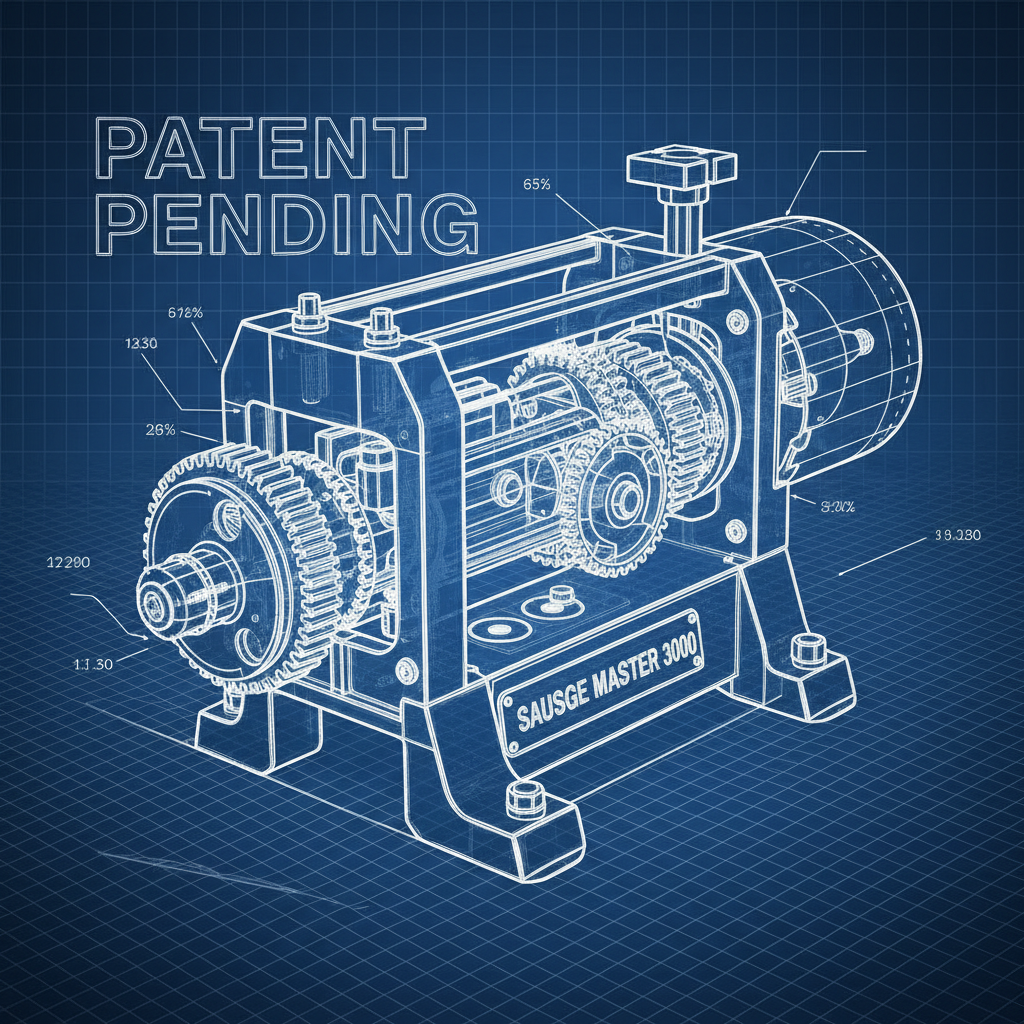
The global food industry relies heavily on efficient and reliable processing equipment. Among these, the sausage meat processing machine plays a crucial role in meeting the ever-increasing demand for processed meat products. These machines aren’t just about speed; they are about ensuring food safety, maintaining consistent quality, and optimizing production costs – factors vital in a competitive global market. Understanding the nuances of sausage meat processing machinery is paramount for businesses aiming to thrive in this landscape.
Worldwide, the processed meat sector is experiencing significant growth, driven by changing consumer lifestyles and increasing urbanization. According to the United Nations, global meat consumption is projected to rise by over 70% by 2050. This surge creates a pressing need for advanced sausage meat processing machine that can handle large volumes while adhering to stringent hygiene standards. The ISO 22000 food safety management system, widely adopted globally, necessitates investment in equipment capable of maintaining traceability and minimizing contamination risks.
The challenges inherent in meeting this demand – ensuring food safety, reducing waste, and improving efficiency – underscore the importance of sophisticated sausage meat processing technology. A robust and reliable machine isn't merely a production tool; it's a vital component in a complex supply chain, impacting everything from farm to table. Investing in a modern sausage meat processing machine is, therefore, a strategic imperative for businesses navigating this evolving industry.
Introduction to Sausage Meat Processing Machine
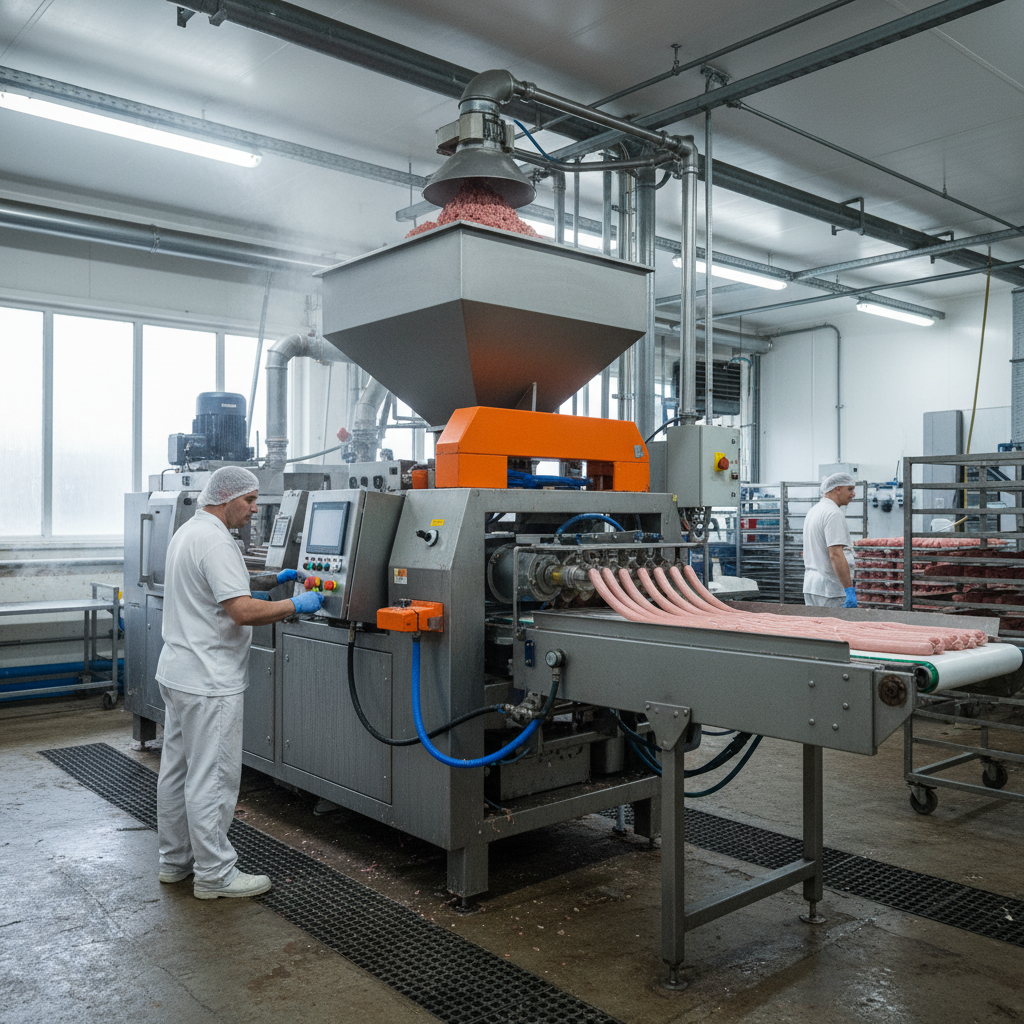
A sausage meat processing machine encompasses a range of equipment designed to transform raw meat into the consistent, emulsified mixture crucial for sausage production. This extends beyond simply grinding; it includes mixing, seasoning, and often chilling processes, all designed to optimize texture, flavor, and shelf-life. Modern machines are increasingly automated and integrated, offering precise control over every stage.
The importance of these machines extends far beyond the food industry. They contribute to food security by enabling large-scale, efficient meat processing, which helps to manage supply and distribution. They also play a vital role in reducing food waste through precise portioning and controlled processing. Ultimately, a well-maintained and efficient sausage meat processing machine contributes to a sustainable and reliable food system.
Defining Sausage Meat Processing Machine
At its core, a sausage meat processing machine takes raw meat – typically beef, pork, or poultry – and transforms it into a homogeneous, emulsified mixture. This process involves several steps: grinding the meat to the desired consistency, mixing it with fat, water, and seasonings, and often chilling the mixture to maintain temperature control. The precise techniques and equipment used vary depending on the type of sausage being produced.
This process directly connects to the modern industrial food production system, allowing for large-scale manufacturing of consistent and safe products. It addresses a fundamental humanitarian need – providing affordable and accessible protein sources to a growing global population. Efficient sausage meat processing also minimizes waste and maximizes the utilization of available resources.
The sausage meat processing machine isn’t simply a piece of equipment; it’s a critical link in a food supply chain that supports communities worldwide. It allows for the creation of a versatile food product, adaptable to diverse culinary traditions and dietary preferences.
Core Components and Features
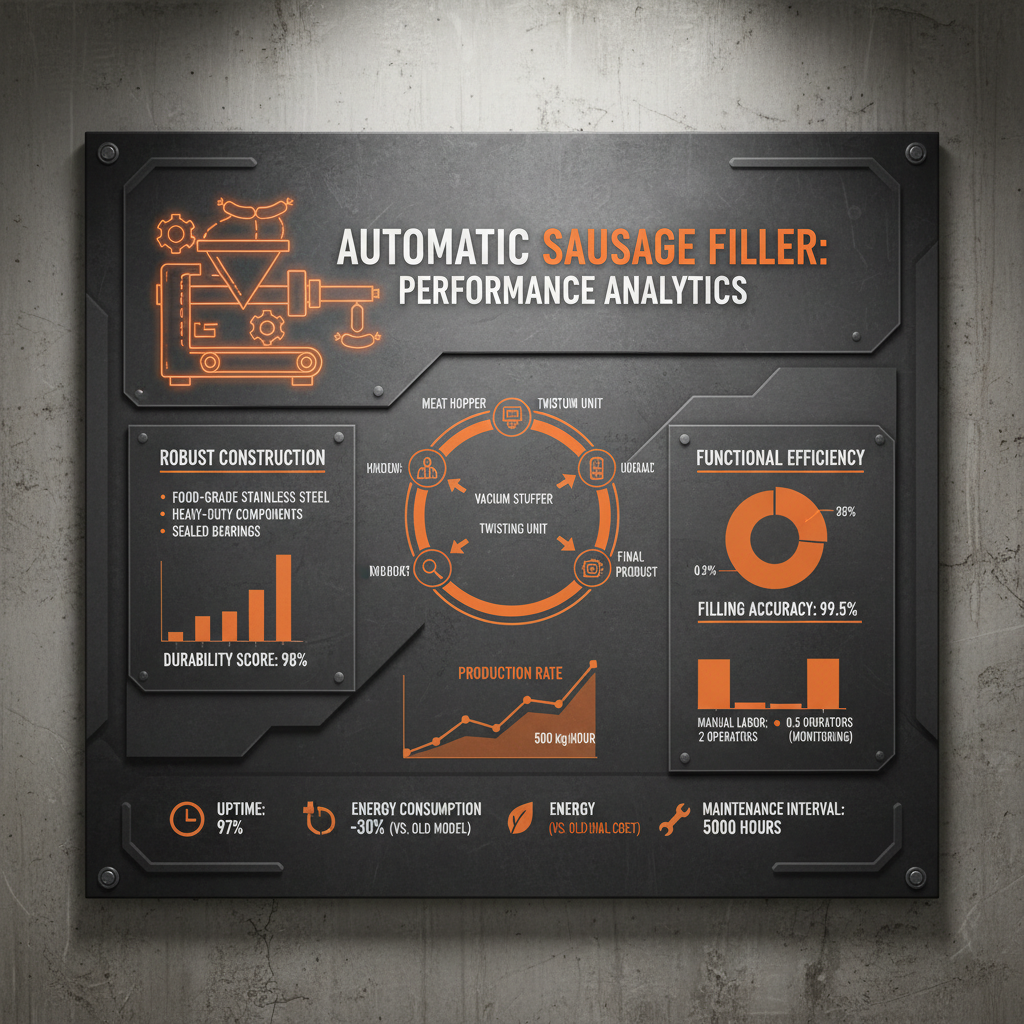
Several key factors determine the effectiveness and efficiency of a sausage meat processing machine. Durability is paramount, as these machines operate in demanding environments and require long-term reliability. High-grade stainless steel construction and robust components are essential to withstand constant use and frequent cleaning.
Scalability is another critical consideration. Businesses need machines that can adapt to changing production volumes. Modular designs and adjustable settings allow for flexibility and growth, accommodating both small-batch artisan production and large-scale industrial output.
Cost Efficiency, encompassing both initial investment and ongoing operational expenses, is crucial. Energy-efficient motors, automated cleaning systems, and minimal waste generation all contribute to lower overall costs. Hygiene and Sanitation are non-negotiable, requiring easy-to-clean surfaces and designs that prevent bacterial contamination. Precision and Control are also vital, ensuring consistent product quality through accurate temperature regulation and ingredient metering. Finally, Ease of Use & Maintenance impact productivity and reduce downtime.
Global Applications and Industry Impact
Sausage meat processing machine finds applications across diverse geographical regions and industries. In Europe, traditionally known for its sausage-making heritage, these machines are utilized by both small artisanal producers and large-scale manufacturers. North America sees widespread use in both commercial processing plants and smaller butcher shops.
Emerging economies in Asia and South America are experiencing rapid growth in processed meat consumption, driving demand for efficient and affordable sausage meat processing equipment. In post-disaster relief operations, compact and portable sausage meat processing machine can provide a critical source of protein, offering a shelf-stable and easily distributable food option.
The food processing industry, meatpacking plants, supermarkets with in-house processing facilities, and even catering companies all benefit from the efficiency and consistency provided by these machines. Organizations like the World Food Programme could leverage these technologies to improve food security in vulnerable regions.
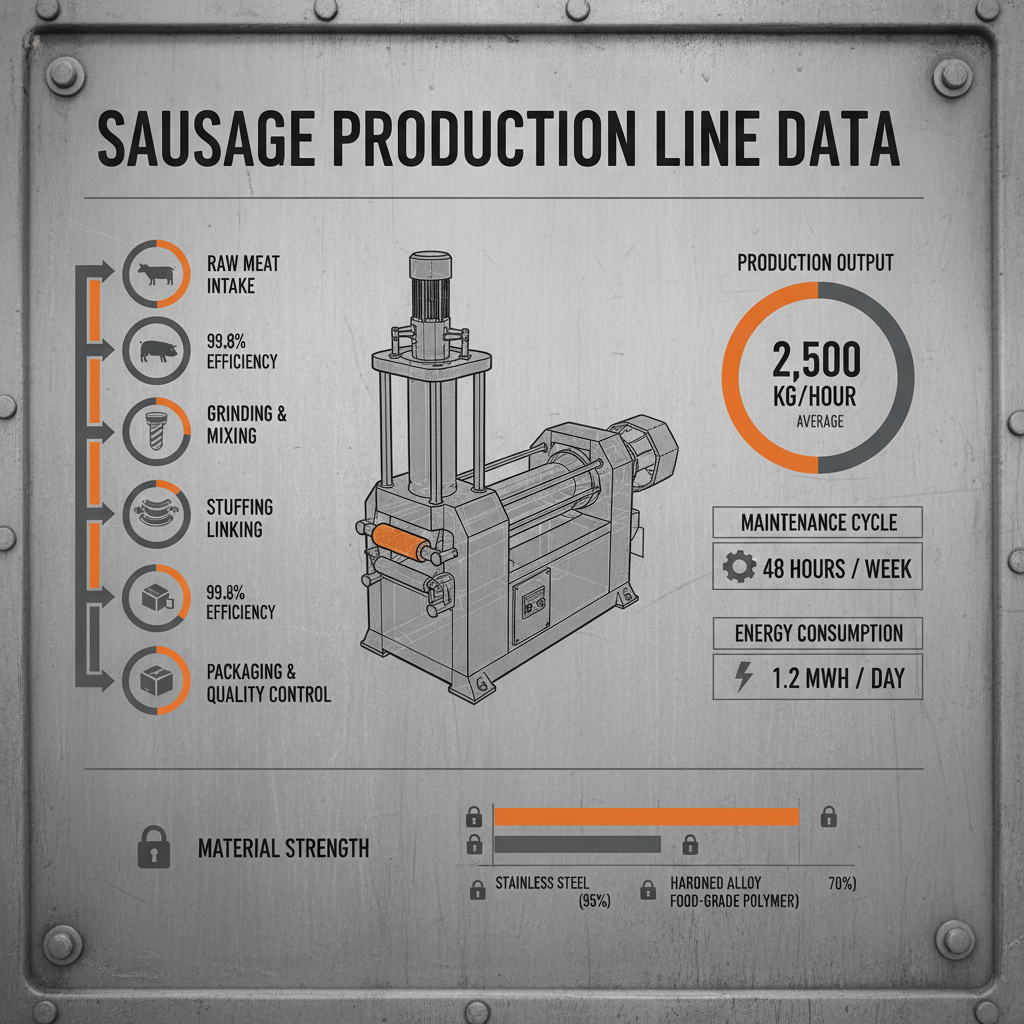
Sausage Meat Processing Machine Performance Metrics
Advantages and Long-Term Value
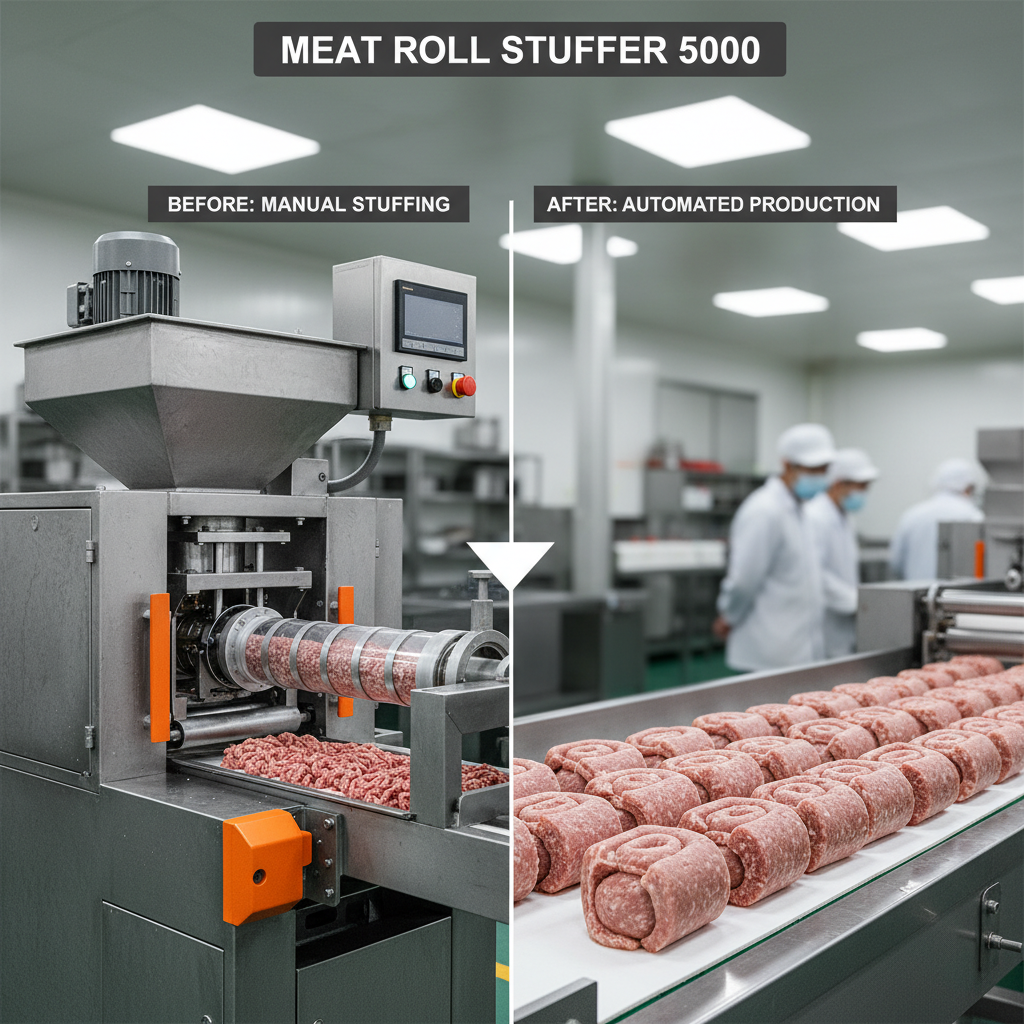
The tangible benefits of investing in a sausage meat processing machine are substantial. Reduced labor costs through automation, increased production volume, and minimized product waste all contribute to significant financial gains. The consistent quality achieved through precise control enhances brand reputation and customer loyalty.
Beyond the economic advantages, there's a strong emphasis on sustainability. Modern machines are designed to minimize energy consumption and water usage, reducing environmental impact. The improved hygiene and sanitation capabilities contribute to food safety, protecting public health. Reliability and longevity translate to a lower total cost of ownership over the machine’s lifespan.
Future Trends in Sausage Meat Processing
The future of sausage meat processing machine is intertwined with technological advancements. Expect to see increased integration of Artificial Intelligence (AI) for predictive maintenance and process optimization. Digital transformation will lead to more data-driven decision-making, allowing for real-time monitoring and adjustments.
Automation will continue to evolve, with robotic systems handling more complex tasks. Sustainability will drive innovation in energy-efficient designs and the use of eco-friendly materials. The growing demand for plant-based meat alternatives may also lead to the development of specialized machines for processing these new ingredients.
Challenges and Innovative Solutions
Despite the advancements, challenges remain. Maintaining hygiene and preventing bacterial contamination are ongoing concerns. The high initial investment cost can be a barrier for smaller businesses. Ensuring operator training and safety requires continuous effort.
Innovative solutions include self-cleaning systems, advanced sensor technologies for real-time monitoring of temperature and contamination levels, and the development of more affordable, modular machine designs. Remote diagnostics and preventative maintenance services can help to minimize downtime and reduce operational costs. Developing standardized training programs will ensure operators are equipped to safely and efficiently operate the machines.
Addressing these challenges will require collaboration between manufacturers, researchers, and industry professionals to develop and implement cutting-edge solutions.
Summary of Key Considerations for Sausage Meat Processing Machine Selection
| Processing Capacity |
Hygiene Standards |
Operational Costs |
Automation Level |
| Small-Scale Production (Under 500kg/hour) |
Compliance with HACCP Guidelines (7/10) |
Low Initial Investment, Moderate Energy Consumption (6/10) |
Manual Operation with Limited Assistance (3/10) |
| Medium-Scale Production (500-1500kg/hour) |
Full HACCP and GMP Certification (9/10) |
Moderate Investment, Optimized Energy Efficiency (7/10) |
Semi-Automated with PLC Control (6/10) |
| Large-Scale Production (Over 1500kg/hour) |
Stringent Food Safety and Traceability Systems (10/10) |
High Initial Investment, Lowest Operating Costs (8/10) |
Fully Automated with Robotic Integration (9/10) |
| Artisan/Small Batch Production |
Emphasis on Natural Cleaning Processes (5/10) |
Lower Energy Needs, Higher Labor Component (5/10) |
Primarily Manual with Minimal Assistance (2/10) |
| Specialty Sausage Production (e.g., Gluten-Free) |
Dedicated Equipment to Prevent Cross-Contamination (8/10) |
Moderate Investment, Focus on Ingredient Purity (7/10) |
Semi-Automated with Precise Control Systems (6/10) |
| Sustainable/Eco-Friendly Production |
Minimal Water Usage & Waste Generation (9/10) |
Investment in Energy-Efficient Technologies (8/10) |
Automation Integrated with Resource Management (7/10) |
FAQS
A well-maintained, high-quality sausage meat processing machine can typically last between 10 to 20 years, depending on usage and the frequency of preventative maintenance. Regular cleaning, lubrication, and timely replacement of wear-and-tear parts are crucial for maximizing its lifespan. Investing in robust construction and quality components is also paramount. Proper operation training also extends the life of the machine.
Maintaining hygiene requires a multi-faceted approach. Daily cleaning with food-grade sanitizers is essential. Machines should be designed with easy-to-clean surfaces and minimal crevices where bacteria can accumulate. Regular inspections for damaged seals or worn parts are vital. Implementing a robust sanitation schedule and training personnel on proper cleaning procedures are also critical for food safety.
Automation levels vary widely. Basic machines may require manual operation for grinding and mixing. Intermediate models feature PLC controls for precise ingredient metering and temperature regulation. Fully automated systems incorporate robotic arms for tasks like filling and packaging. The appropriate level of automation depends on production volume, budget, and labor availability.
Energy consumption varies based on machine size, capacity, and features. Smaller machines may consume around 2-5 kilowatts per hour, while larger industrial models can consume 10 kilowatts or more. Choosing energy-efficient motors, utilizing variable frequency drives, and implementing proper insulation can help minimize energy consumption and reduce operational costs.
Regular maintenance includes cleaning, lubrication, and inspection of critical components. Blades need sharpening or replacing periodically. Belts and chains require adjustment or replacement. Seals should be inspected for wear and tear. Preventative maintenance schedules, recommended by the manufacturer, should be strictly adhered to minimize downtime and ensure optimal performance.
Essential safety features include emergency stop buttons, safety guards to prevent access to moving parts, overload protection, and interlocks that prevent operation if guards are removed. Proper training for operators on safe operating procedures is also crucial. Machines should comply with relevant safety standards and regulations.
Conclusion
In conclusion, the sausage meat processing machine is a critical component of the modern food industry, playing a vital role in meeting global demand for processed meat products. Its impact extends beyond simple production efficiency, encompassing food safety, sustainability, and economic growth. Understanding the core components, global applications, and future trends of these machines is paramount for businesses seeking to thrive in this competitive landscape.
Investing in a high-quality, well-maintained sausage meat processing machine is a strategic decision that delivers long-term value. As technology continues to evolve, embracing innovation and prioritizing sustainability will be key to unlocking even greater efficiencies and ensuring a secure and reliable food supply for generations to come. Visit our website at www.bossinmachinery.com to learn more about our comprehensive range of sausage meat processing solutions.