The global demand for efficient food processing equipment is steadily increasing, driven by population growth, changing dietary habits, and a greater emphasis on food safety and hygiene. Within this landscape, the sausage filler stuffer plays a critical role. This isn’t simply a kitchen appliance; it's a vital component in both small-scale artisanal production and large-scale industrial operations, impacting everything from local butcher shops to international food suppliers. Understanding the principles and advancements in sausage filler stuffer technology is therefore essential for anyone involved in the food industry.
The significance of the sausage filler stuffer extends beyond simple convenience. It directly impacts production efficiency, product quality, and overall profitability. Modern fillers offer features like precise portion control, consistent product density, and hygienic operation – features crucial for meeting increasingly stringent food safety regulations. Investing in the right equipment is no longer merely an operational decision, but a strategic one.
From small-batch craft sausage makers to high-volume commercial producers, a reliable sausage filler stuffer is indispensable. The ability to quickly and accurately fill casings with various meat mixtures directly affects output and, consequently, revenue. Furthermore, advancements in materials and design are leading to more durable, versatile, and user-friendly machines, making them an increasingly attractive investment for businesses of all sizes.
The Core Functionality of sausage filler stuffer
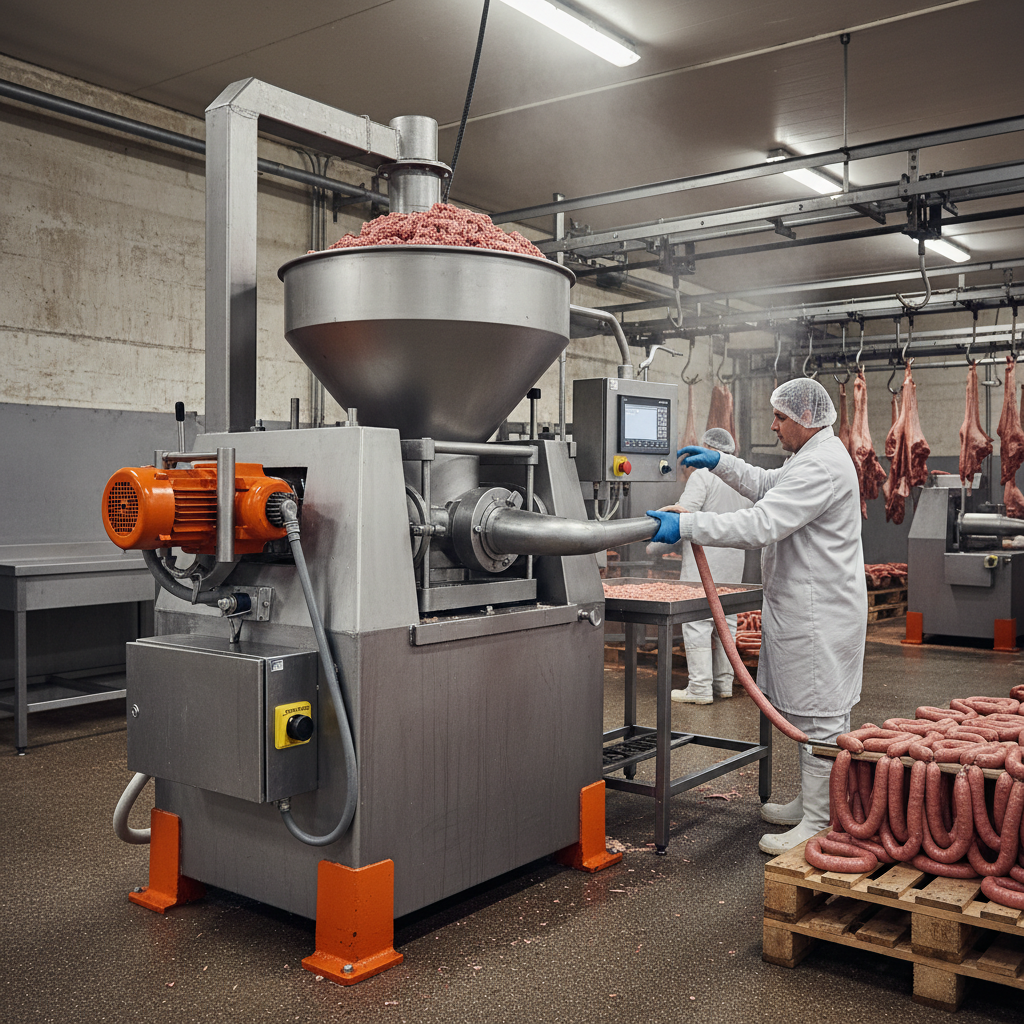
At its most basic level, a sausage filler stuffer automates the process of forcing ground meat and seasonings into sausage casings. Historically, this was a manual and labor-intensive task. Modern machines, however, leverage mechanics and technology to achieve consistent, efficient, and hygienic filling. This functionality is critical for maintaining product quality and maximizing throughput in both small and large-scale operations.
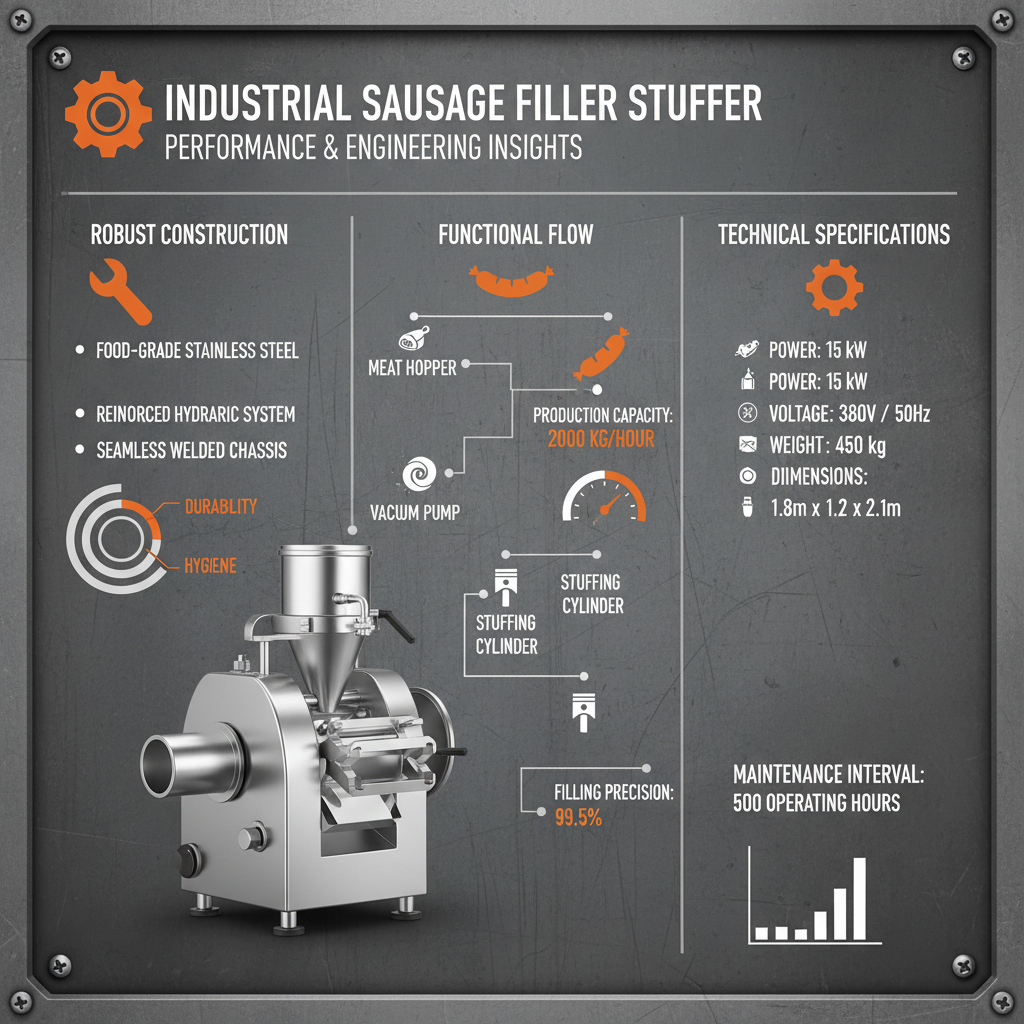
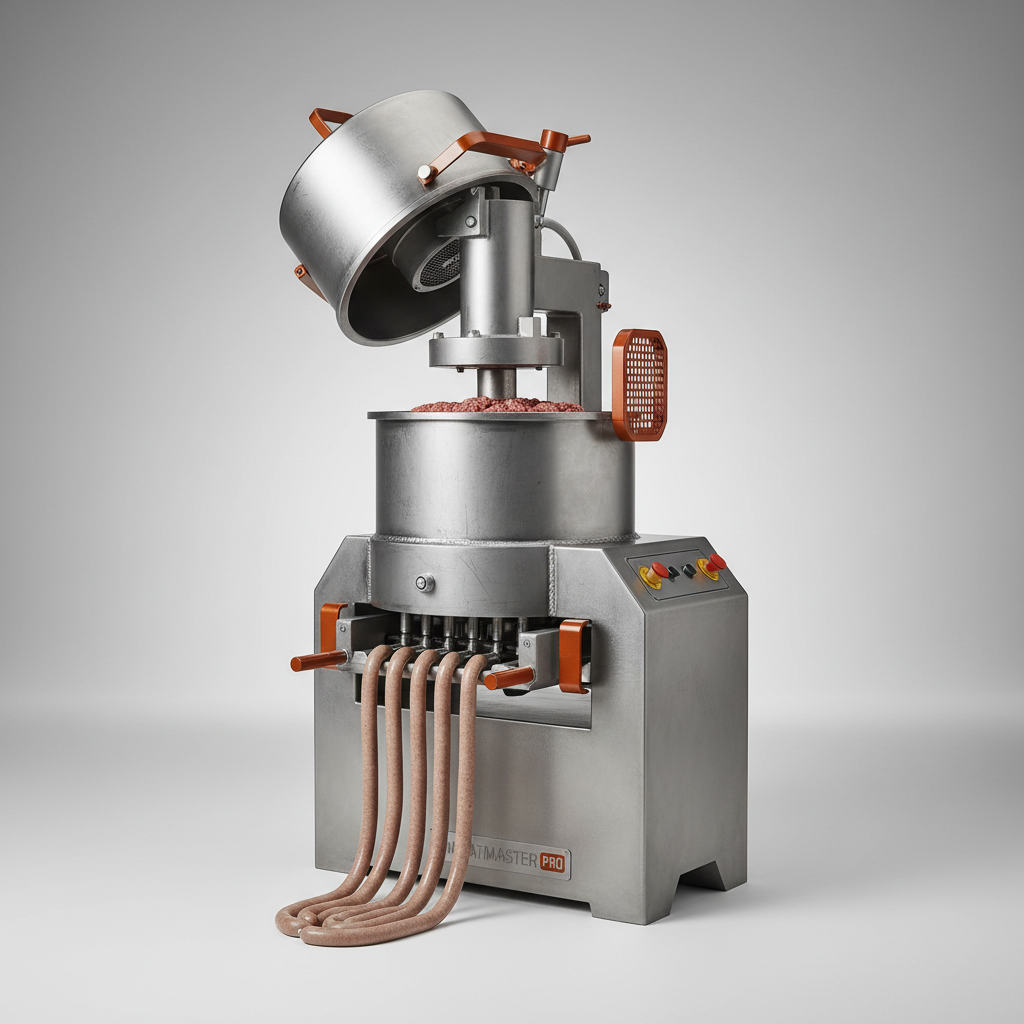
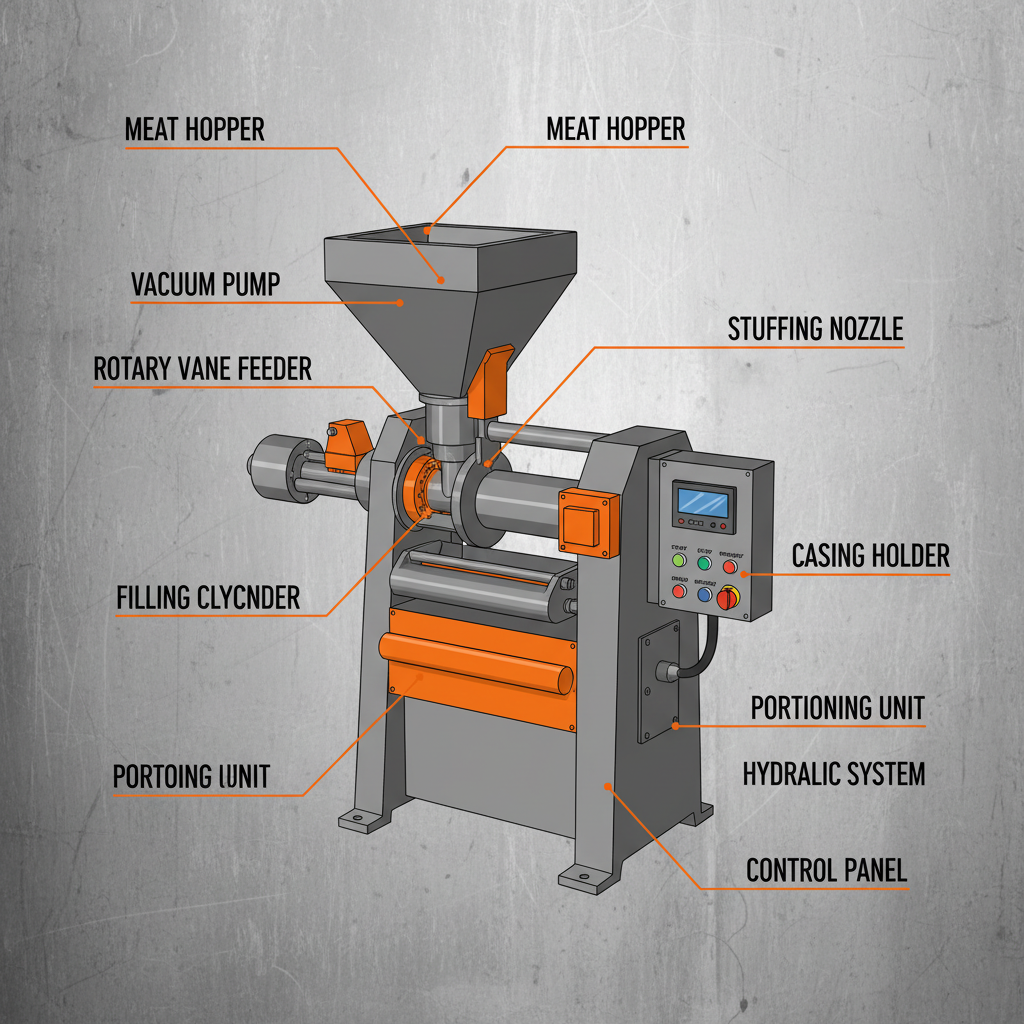
The core functionality relies on a hopper to hold the meat mixture, a pumping mechanism (typically a piston, auger, or rotary lobe pump) to generate pressure, and a filling horn to direct the mixture into the casing. Different types of stuffers employ different mechanisms, each with its own advantages and disadvantages regarding speed, consistency, and the types of mixtures they can handle.
Understanding Different Types of sausage filler stuffer
The world of sausage filler stuffer options can appear complex, with various designs catering to specific needs. Manual stuffers, often smaller and less expensive, require manual operation, ideal for very small batches or home use. Hydraulic stuffers utilize hydraulic pressure for consistent force, offering a balance of affordability and efficiency. Vacuum stuffers are a step up, removing air from the mixture during filling, resulting in denser, more consistent sausages and better shelf life.
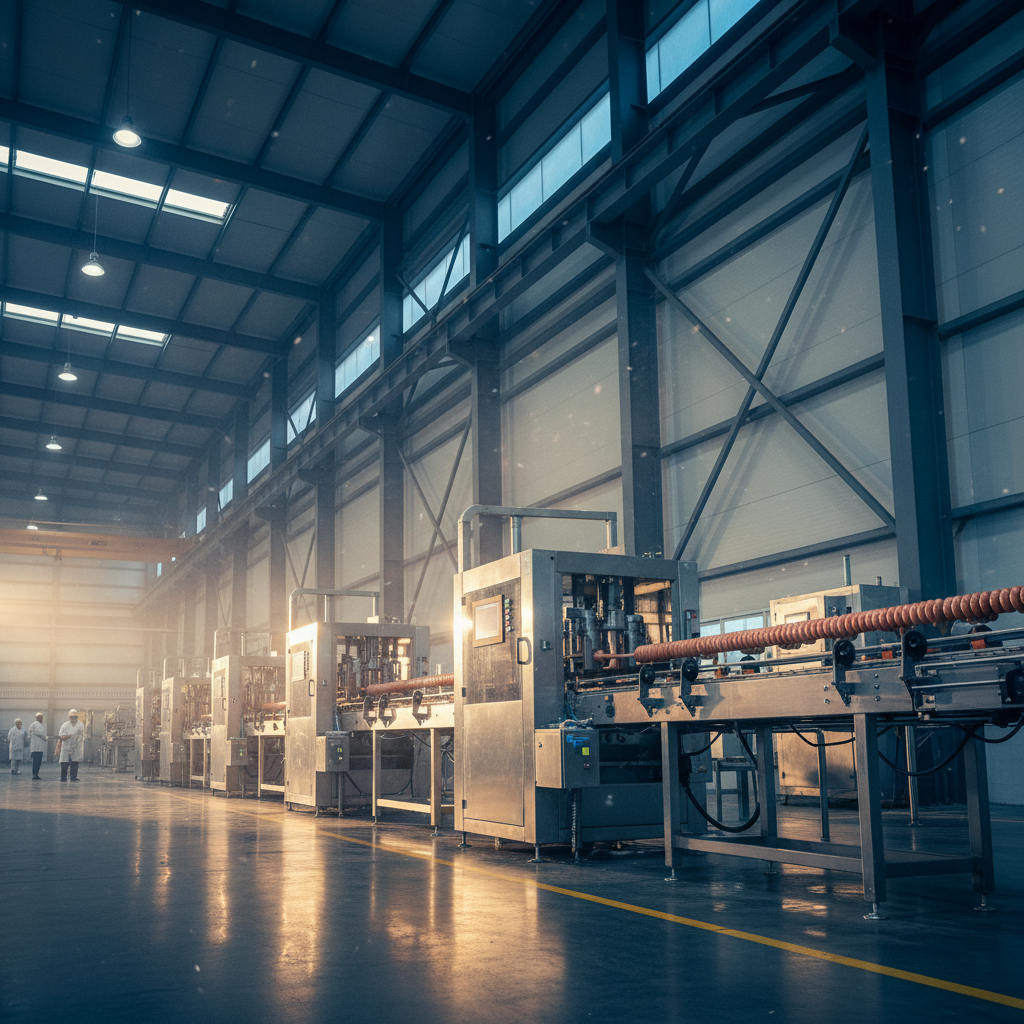
Pneumatic stuffers employ compressed air for operation, generally providing faster filling speeds and greater control. Finally, fully automated industrial stuffers are integrated into larger production lines, featuring programmable controls and high-volume capabilities. The choice depends on factors like production volume, budget, and the specific characteristics of the sausage being produced.
Selecting the right type of sausage filler stuffer requires careful consideration. Factors to assess include the desired production rate, the type of sausage (e.g., fresh, cooked, smoked), the size of the operation, and the available budget. Each type has its strengths and weaknesses.
Key Components & Material Science in sausage filler stuffer
A robust sausage filler stuffer is composed of several key components working in harmony. These include the hopper – typically constructed from stainless steel for hygiene – the pumping mechanism (varying based on the stuffer type), the filling horn (available in various sizes and materials), and the control system (ranging from simple manual levers to sophisticated digital interfaces).
Material science plays a critical role in the durability and performance of these components. Stainless steel is the standard for parts in contact with food, ensuring hygiene and corrosion resistance. The choice of plastics and seals also impacts performance – food-grade silicone is commonly used for seals due to its flexibility and resistance to degradation. Gear materials are chosen based on strength and wear resistance, ensuring long-term reliability.
Modern sausage filler stuffer designs increasingly incorporate advanced materials like hardened alloys for critical components and specialized coatings to reduce friction and improve cleanability. These advancements contribute to increased lifespan, reduced maintenance, and improved overall efficiency.
Performance Metrics of a sausage filler stuffer
Assessing the performance of a sausage filler stuffer requires evaluating several key metrics. Filling speed, measured in kilograms or pounds per hour, is a crucial indicator of productivity. Consistency, quantified by the uniformity of sausage diameter and density, impacts product quality. Portion control accuracy, particularly important for retail packaging, determines the precision of filling.
Another key metric is the percentage of rejected product – indicating the efficiency of the filling process and minimizing waste. Uptime and maintenance requirements are also vital considerations, impacting overall operational costs.
Average Performance Scores for Different sausage filler stuffer Types
Global Applications & Industry Standards of sausage filler stuffer
The use of sausage filler stuffer is ubiquitous across the global food industry. In Europe, particularly Germany and Italy, traditional sausage-making techniques are deeply ingrained, driving demand for both manual and semi-automatic machines. North America sees significant use in large-scale meat processing facilities, leaning towards highly automated systems.
Asia, with its rapidly growing middle class and increasing demand for processed foods, represents a burgeoning market. Strict hygiene regulations, such as those enforced by the FDA in the United States and EFSA in Europe, necessitate the use of equipment that meets stringent sanitation standards. The ISO 22000 food safety management system is a commonly adopted standard.
Benefits and Cost Analysis of sausage filler stuffer
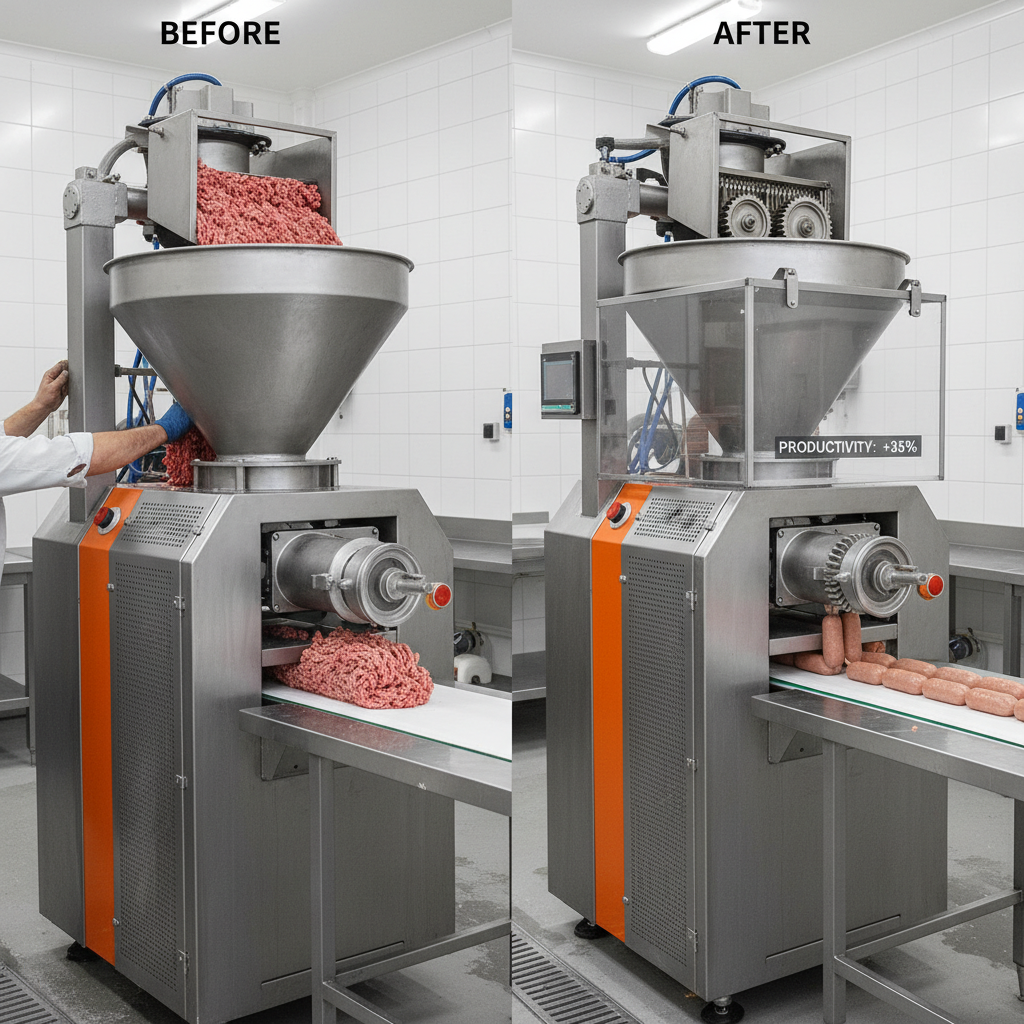
Investing in a sausage filler stuffer offers numerous tangible benefits. Increased production speed and efficiency translate directly into higher profitability. Consistent product quality enhances brand reputation and customer loyalty. Reduced labor costs, particularly with automated models, contribute to significant savings. Improved hygiene minimizes waste and ensures food safety.
The initial cost of a stuffer varies dramatically depending on its type, capacity, and features. However, considering the long-term benefits – increased output, reduced labor, minimized waste, and improved product quality – the investment often delivers a substantial return. A thorough cost-benefit analysis, factoring in these elements, is crucial before making a purchase.
Beyond the financial aspects, a reliable sausage filler stuffer contributes to workplace safety by reducing the physical strain associated with manual filling. It also enhances the overall professionalism of the operation, projecting an image of quality and reliability to customers.
Future Trends & Innovations in sausage filler stuffer
The future of sausage filler stuffer technology is poised for significant innovation. A key trend is the integration of Industry 4.0 principles, including real-time data monitoring, predictive maintenance, and remote control capabilities. These advancements will enable producers to optimize performance, reduce downtime, and improve overall efficiency.
Another emerging trend is the development of more versatile machines capable of handling a wider range of meat mixtures and casing types. Sustainability is also gaining prominence, with manufacturers exploring eco-friendly materials and energy-efficient designs. Furthermore, improvements in cleaning-in-place (CIP) systems are simplifying sanitation procedures and reducing water consumption.
Expect to see further automation, with increased use of robotics and artificial intelligence to optimize filling processes and ensure consistent product quality. The rise of personalized nutrition may also drive demand for more flexible and adaptable sausage filler stuffer capable of producing smaller batches of customized sausage blends.
Key Challenges and Opportunities in Optimizing sausage filler stuffer Performance
| Challenge Area |
Impact on Performance |
Potential Solutions |
Implementation Cost (1-10) |
| Cleaning & Sanitation |
Increased downtime, hygiene risks |
CIP systems, hygienic design |
6 |
| Material Compatibility |
Wear and tear, potential contamination |
Food-grade materials, corrosion resistance |
5 |
| Portion Control Accuracy |
Product inconsistency, waste |
Automated control systems, calibrated sensors |
7 |
| Maintenance Requirements |
Downtime, repair costs |
Preventative maintenance programs, durable components |
4 |
| Operator Training |
Incorrect operation, reduced efficiency |
Comprehensive training programs, user-friendly interfaces |
3 |
| Integration with Existing Systems |
Compatibility issues, data silos |
Standardized communication protocols, modular design |
8 |
FAQS
Vacuum stuffers excel in producing dense, consistent sausages by removing air during filling, leading to improved texture and shelf life. Pneumatic stuffers, however, generally offer faster filling speeds and greater control. Vacuum stuffers are typically more expensive and require more maintenance. Pneumatic stuffers are better suited for high-volume production where speed is paramount, while vacuum stuffers are ideal for artisanal or specialty sausages where quality and texture are critical.
Maintaining hygiene is crucial. A sausage filler stuffer should be cleaned after every use to prevent bacterial growth and cross-contamination. Disassemble all parts that come into contact with meat, wash them with hot, soapy water, and sanitize with a food-grade sanitizer. Regular deep cleaning, including inspection of seals and lubrication of moving parts, should be performed weekly or monthly, depending on usage.
For a small-scale operation, a manual or hydraulic sausage filler stuffer with a capacity of 5-20 liters is generally sufficient. Consider your anticipated production volume and the size of the sausages you'll be making. Manual stuffers are the most affordable but require more physical effort, while hydraulic stuffers offer a balance of affordability and efficiency.
Stainless steel is the gold standard for all parts that come into contact with food, providing excellent hygiene and corrosion resistance. Look for food-grade silicone seals and hoses. Avoid materials that can leach harmful chemicals into the meat mixture. Ensure the stuffer meets relevant food safety regulations, such as those established by the FDA or EFSA.
Several factors could cause filling issues. Check for airlocks in the system, ensuring all connections are secure. Verify that the filling horn is the correct size for the casing. Inspect the pumping mechanism for blockages or damage. Ensure the meat mixture is not too dry or too coarse. If the problem persists, consult the manufacturer's manual or contact a qualified technician.
With proper maintenance and care, a high-quality sausage filler stuffer can last for 10-20 years or even longer. Regular cleaning, lubrication, and timely replacement of worn parts are essential for maximizing lifespan. Choosing a stuffer constructed from durable materials, such as stainless steel, also contributes to longevity.
Conclusion
In conclusion, the sausage filler stuffer represents a cornerstone of modern food production, bridging the gap between traditional craftsmanship and industrial efficiency. Understanding its various types, core components, and performance metrics is crucial for maximizing output, ensuring food safety, and achieving profitability. From small-scale artisan operations to large commercial facilities, the right sausage filler stuffer empowers producers to meet growing demands with consistent quality and efficiency.
Looking ahead, innovation in materials, automation, and data analytics will further enhance the capabilities of these machines. By embracing these advancements, businesses can optimize their processes, reduce waste, and adapt to evolving consumer preferences. For reliable and efficient sausage production solutions, visit our website today: www.bossinmachinery.com