0%

Table of Contents

Sausage processing equipment encompasses a diverse range of machinery designed for the transformation of raw meat into finished sausage products. This industry is globally significant, catering to a fundamental food staple consumed across cultures and economic strata. The demand for efficient and hygienic sausage production drives continuous innovation in this sector, impacting food security and economic development worldwide. Understanding the intricacies of sausage processing equipment is crucial for food manufacturers, quality control professionals, and those involved in the supply chain.

The global sausage market is a multi-billion dollar industry, with steady growth projected in emerging economies. According to recent reports, the demand for processed meats, including sausages, is rising alongside increasing disposable incomes and changing dietary habits. However, this growth also presents challenges related to food safety, traceability, and sustainable production methods. Effective sausage processing equipment is paramount in addressing these challenges and ensuring consumer confidence.

Investing in modern sausage processing equipment offers manufacturers significant advantages – improved productivity, enhanced product quality, and reduced labor costs. From grinding and mixing to filling, linking, and cooking, each stage of the process benefits from specialized machinery. This ultimately translates to a more competitive market position and the ability to meet evolving consumer preferences.
Comprehensive Guide to Sausage Processing Equipment and Industry Trends

Introduction to Sausage Processing Equipment

Comprehensive Guide to Sausage Processing Equipment and Industry Trends

Sausage processing equipment isn’t simply about making sausages; it's a comprehensive system designed for consistent product quality, food safety, and operational efficiency. This equipment ranges from basic manual tools to highly automated, computer-controlled systems. Selecting the appropriate equipment is a vital decision for any meat processing operation, impacting everything from production capacity to final product characteristics. sausage prcessing equipment offers solutions for all levels of production.

The evolution of sausage processing equipment reflects advancements in materials science, engineering, and hygiene standards. Modern machines are designed for easy cleaning, sanitation, and maintenance, crucial for complying with stringent food safety regulations. Furthermore, the growing demand for diverse sausage varieties necessitates flexible equipment capable of handling different meat types, casings, and spice blends.

Defining Sausage Processing Equipment

Sausage processing equipment broadly refers to the machinery utilized in the various stages of sausage production. This includes equipment for grinding raw meat, mixing it with spices and seasonings, filling the mixture into casings, linking the sausages, and then cooking, cooling, and packaging the final product. The specifics of the equipment needed will vary depending on the type of sausage being produced – fresh, smoked, cooked, or dried.

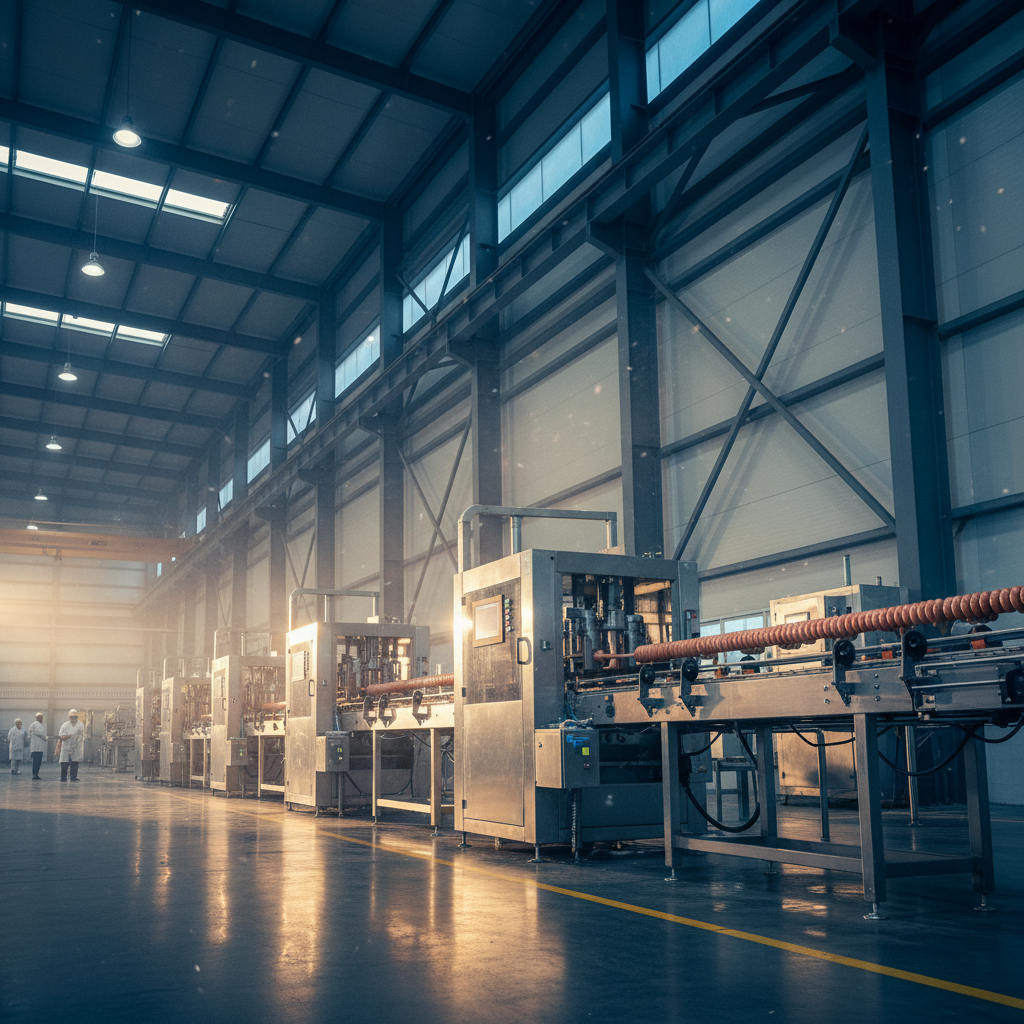
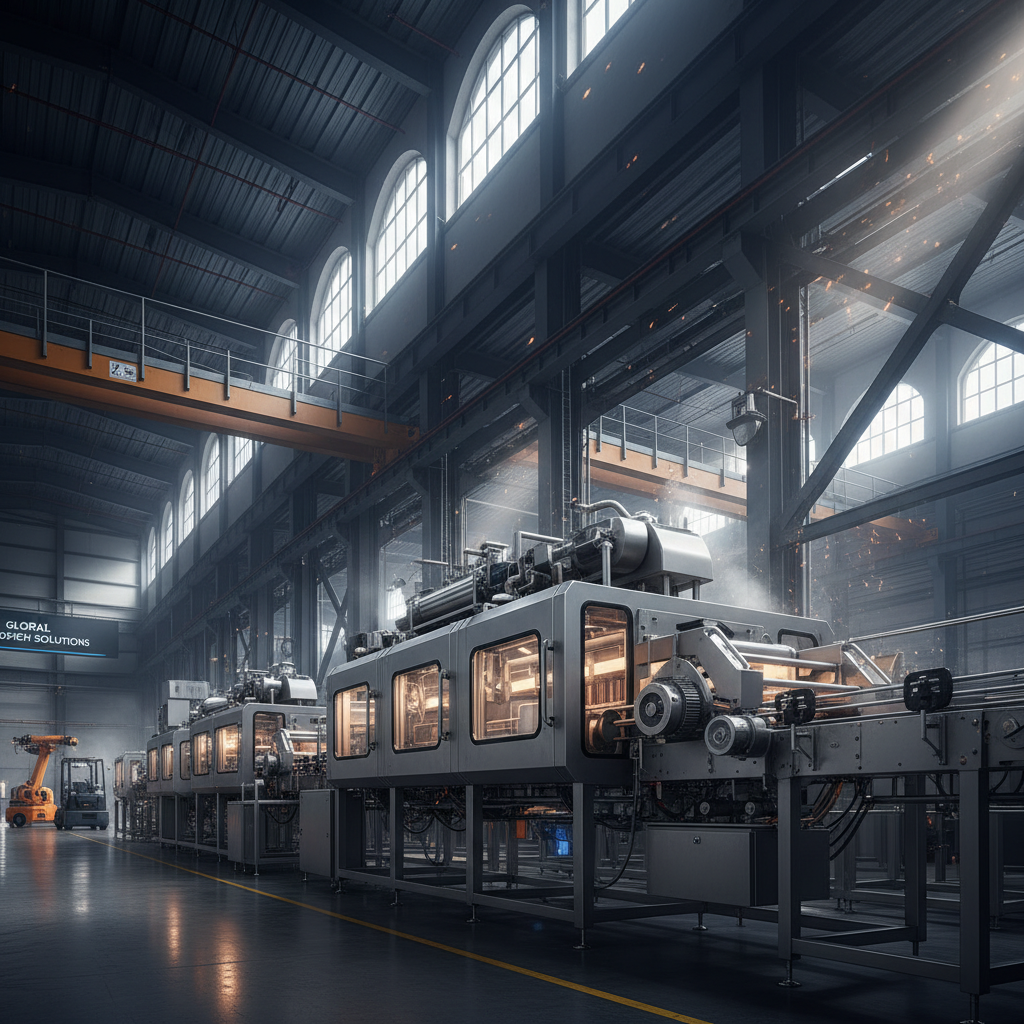
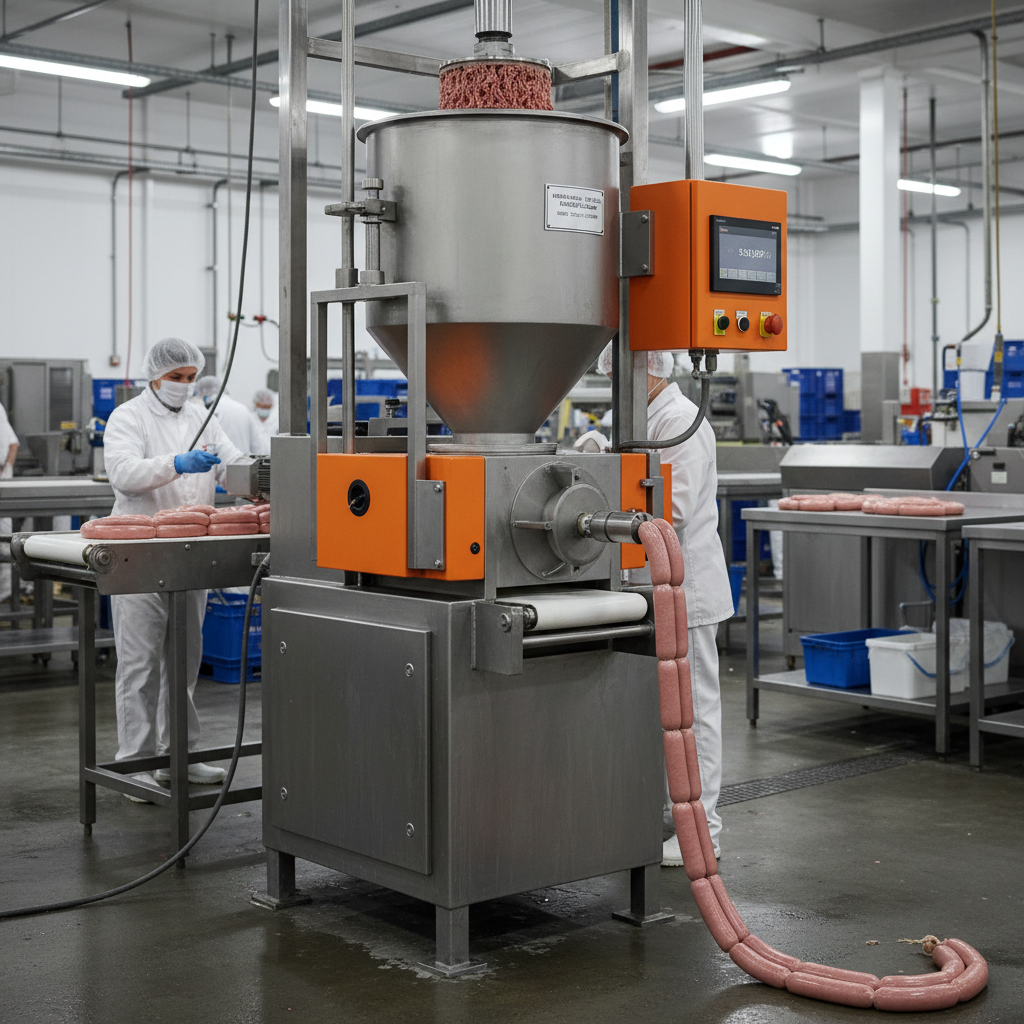
In a modern industrial setting, this equipment often forms an integrated production line, maximizing efficiency and minimizing manual handling. This integration is vital for maintaining consistent product quality and reducing the risk of contamination. The connection to modern industry is clear – efficient sausage processing is essential for meeting global food demands.

Ultimately, sausage processing equipment plays a critical role in converting raw materials into a palatable and shelf-stable food product. It’s a key component of the food supply chain, supporting both large-scale commercial operations and smaller artisanal producers.

Core Components of Sausage Processing Systems

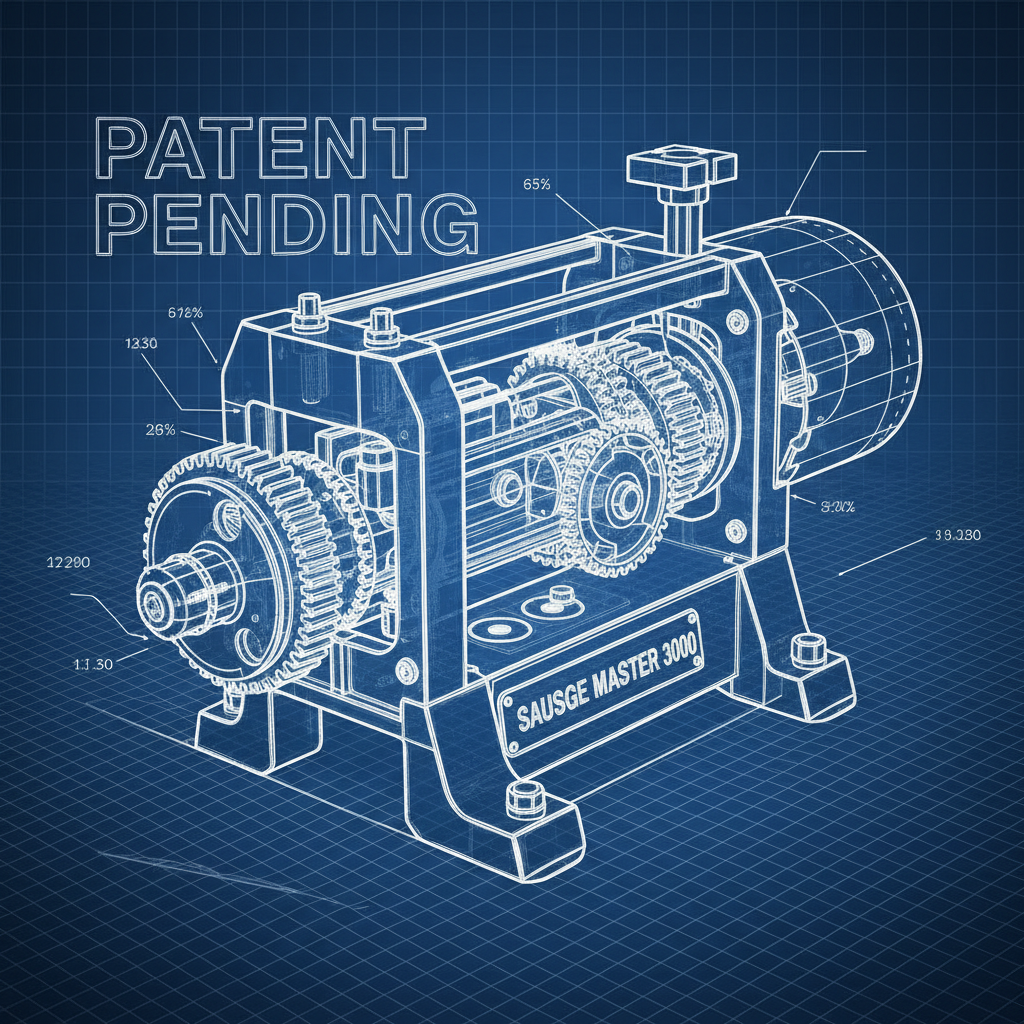
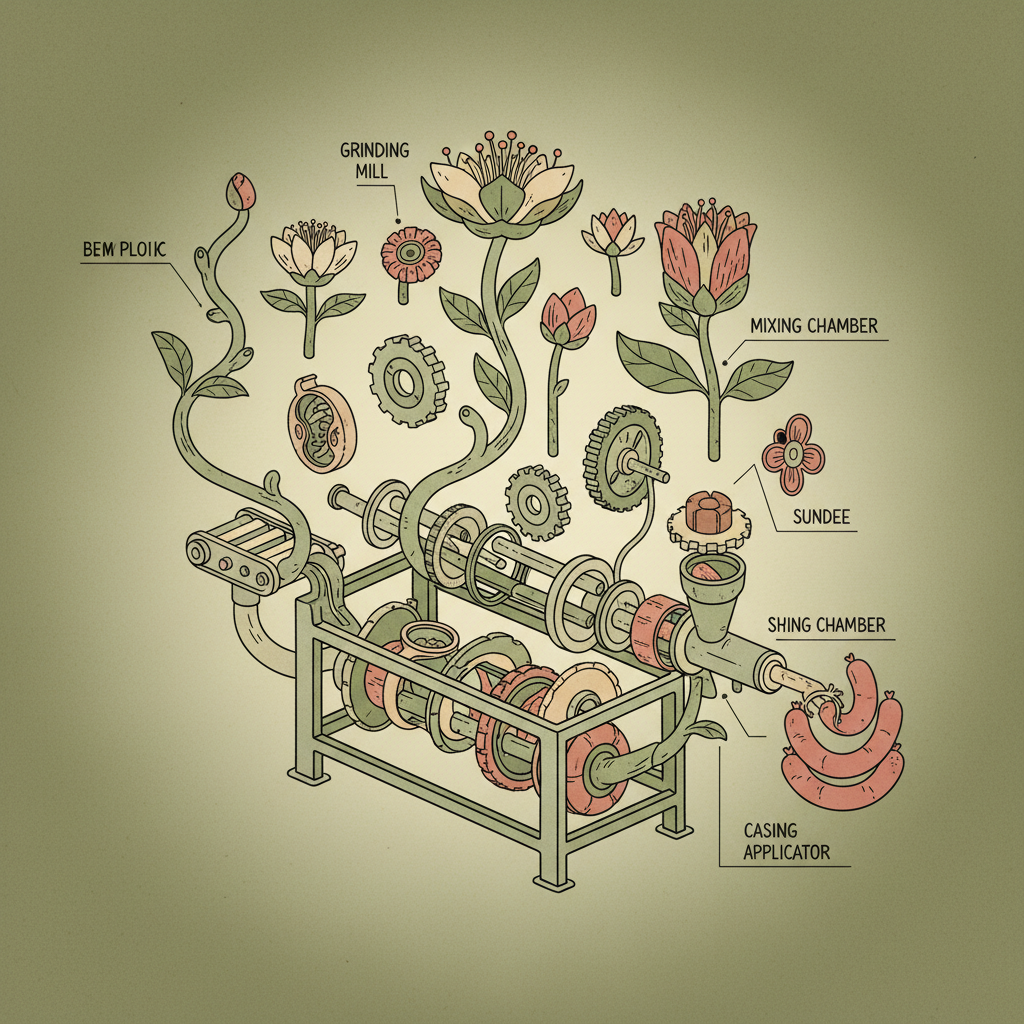
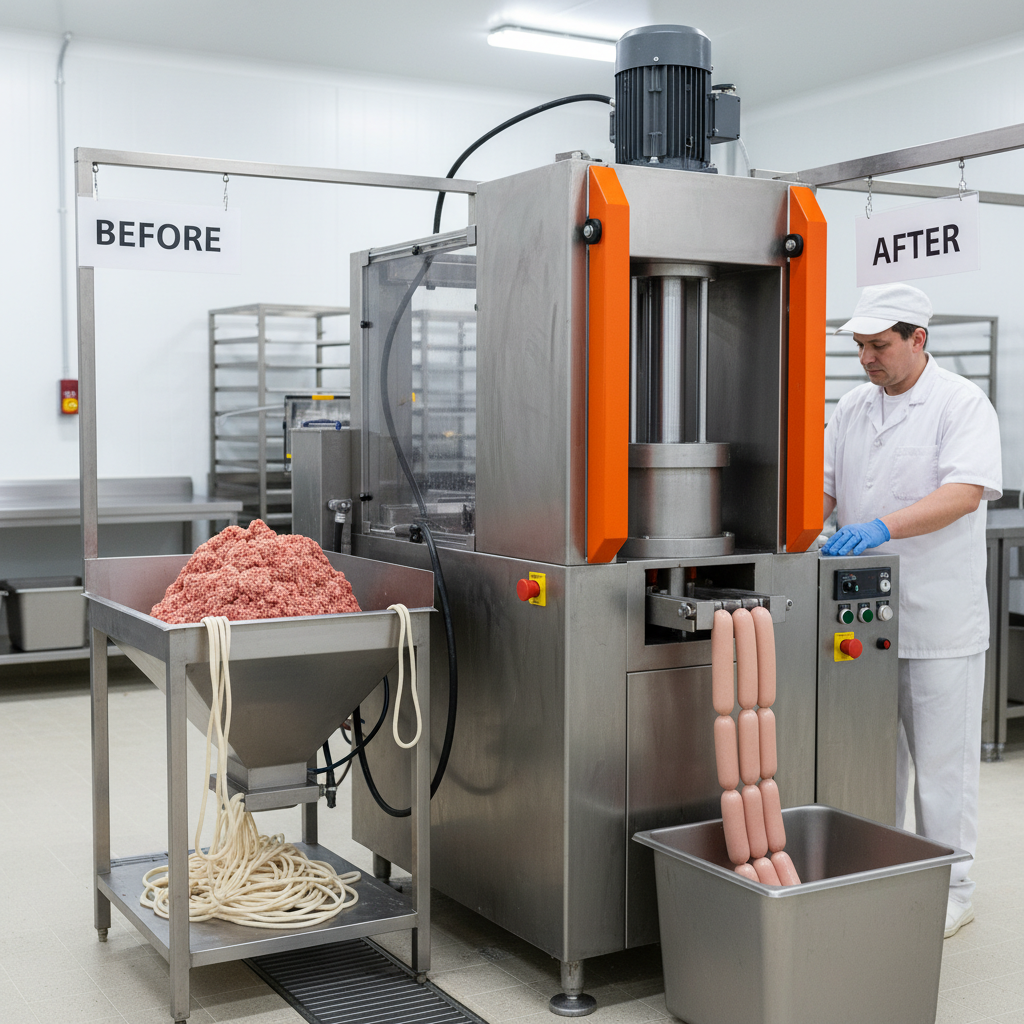
A complete sausage processing system typically comprises several core components. These include meat grinders to reduce the meat to the desired consistency, mixers to evenly distribute spices and seasonings, stuffers to fill the mixture into casings, clippers or linkers to create individual sausages, and thermal processing equipment (smokers, ovens, or cookers) for cooking or curing.

Beyond these primary components, ancillary equipment such as chillers, conveyors, packaging machines, and metal detectors are essential for ensuring product safety and extending shelf life. The quality and integration of these components significantly impact the overall efficiency and output of the processing line. Advanced systems often incorporate automated cleaning-in-place (CIP) features to maintain hygiene and reduce downtime.

The selection of each component requires careful consideration of factors like production volume, sausage type, and budget. Investing in high-quality equipment upfront can often lead to lower long-term operating costs and reduced maintenance requirements.

Key Factors: Durability, Scalability, and Efficiency

When evaluating sausage processing equipment, three key factors stand out: durability, scalability, and efficiency. Durability refers to the equipment's ability to withstand the rigors of continuous operation in a demanding environment. High-quality materials and robust construction are paramount for minimizing downtime and repair costs.

Scalability is the ability to adjust production capacity as demand fluctuates. Modular equipment designs allow manufacturers to easily add or remove components to meet changing needs. Efficiency encompasses both energy consumption and processing speed, impacting overall production costs and profitability.

Comparative Efficiency of Sausage Processing Methods


Global Applications of Sausage Processing Equipment

Sausage processing equipment finds application across a diverse range of geographic regions and industries. In Europe, particularly in countries like Germany and Poland, long-established meat processing traditions drive demand for sophisticated and high-capacity equipment. In North America, large-scale operations utilize fully automated systems to meet mass-market demands.

Emerging markets in Asia, Africa, and Latin America are experiencing rapid growth in processed meat consumption, leading to increased investment in sausage processing equipment. In post-disaster relief operations, portable and rapidly deployable sausage processing units can provide a vital source of protein for affected populations. sausage prcessing equipment is adapting to these diverse needs.

Advantages and Long-Term Value Proposition

The advantages of investing in quality sausage processing equipment extend beyond immediate productivity gains. Reduced labor costs, minimized waste, and consistent product quality all contribute to improved profitability. Furthermore, modern equipment often incorporates features that enhance food safety, reducing the risk of recalls and protecting brand reputation.

The long-term value proposition is further strengthened by the equipment’s durability and scalability. A well-maintained machine can provide years of reliable service, and the ability to expand production capacity as needed ensures a sustainable return on investment. This represents both a financial and operational advantage.

Future Trends and Innovations

The future of sausage processing equipment is poised for significant innovation. Automation, driven by artificial intelligence and machine learning, will play an increasingly important role in optimizing production processes and reducing human error. Sustainable manufacturing practices, including energy-efficient equipment and reduced water consumption, are gaining prominence.

Digital transformation, facilitated by the Industrial Internet of Things (IIoT), will enable real-time monitoring of equipment performance, predictive maintenance, and improved traceability throughout the supply chain. The development of plant-based sausage alternatives is also driving demand for specialized processing equipment.

Summary of Future Trends in Sausage Processing Equipment

Trend Category Technology Driver Impact on Processing Investment Rating (1-10)
Automation AI & Robotics Increased efficiency, reduced labor 9
Sustainability Energy Efficiency & Water Conservation Reduced environmental footprint 7
Digitalization IIoT & Data Analytics Real-time monitoring & predictive maintenance 8
Plant-Based Alternatives Novel Protein Sources Specialized processing for non-meat products 6
Traceability Blockchain Technology Enhanced food safety & supply chain transparency 7
Hygiene Advanced Cleaning Systems Faster, more effective sanitation 8

FAQS

What is the typical lifespan of industrial sausage processing equipment?

The lifespan of industrial sausage processing equipment varies considerably based on factors like build quality, maintenance schedules, and operational intensity. However, with proper care, a well-constructed grinder or mixer can easily operate for 10-15 years or even longer. Regular preventative maintenance, including lubrication, parts replacement, and thorough cleaning, is crucial for maximizing lifespan. Investing in high-quality, durable equipment from reputable manufacturers like sausage prcessing equipment generally results in a longer service life.

How important is sanitation in sausage processing equipment?

Sanitation is absolutely paramount in sausage processing. Sausage production involves handling raw meat, creating an ideal environment for bacterial growth. Equipment must be designed for easy cleaning and disinfection, with materials that resist corrosion and prevent harborage points for pathogens. Regular cleaning and sanitation protocols, adhering to HACCP principles, are essential to prevent contamination and ensure food safety. Investing in equipment with features like smooth surfaces, crevice-free construction, and CIP systems significantly simplifies sanitation.

What factors should I consider when choosing a sausage stuffer?

Selecting the right sausage stuffer depends on your production volume, sausage diameter, and casing type. Consider whether you need a manual, semi-automatic, or fully automatic stuffer. Pneumatic stuffers offer greater speed and consistency, while vacuum stuffers are ideal for producing dense, air-free sausages. The capacity of the hopper is also important, as is the ease of cleaning and maintenance. Consider the features and quality offered by sausage prcessing equipment.

What is the cost range for a basic sausage processing line?

The cost of a basic sausage processing line can vary significantly, ranging from $10,000 to $50,000 or more, depending on the level of automation and equipment quality. A minimal line might include a grinder, mixer, stuffer, and clipper, while a more advanced line could incorporate automated linking, cooking, and packaging systems. It’s important to carefully assess your production needs and budget to determine the optimal level of investment. Financing options are often available from equipment suppliers.

How does automation impact sausage processing efficiency?

Automation drastically improves sausage processing efficiency by reducing manual labor, increasing throughput, and ensuring consistent product quality. Automated grinders, mixers, and stuffers can operate continuously, minimizing downtime and maximizing production volume. Automated linking and packaging systems further streamline the process. While the initial investment may be higher, the long-term benefits in terms of reduced labor costs, increased output, and improved product consistency often outweigh the expense.

Are there energy-efficient options available for sausage processing equipment?

Yes, many manufacturers now offer energy-efficient sausage processing equipment. Features like variable frequency drives (VFDs) on motors, improved insulation in cooking chambers, and optimized refrigeration systems can significantly reduce energy consumption. Investing in energy-efficient equipment not only lowers operating costs but also reduces your environmental footprint. sausage prcessing equipment focuses on providing energy-efficient solutions.

Conclusion

In conclusion, sausage processing equipment represents a vital component of the global food industry, impacting everything from food security to economic development. Understanding the core components, key factors like durability and scalability, and emerging trends like automation and sustainability is crucial for manufacturers seeking to optimize their operations and meet evolving consumer demands. Investing in the right equipment is not merely a capital expenditure, but a strategic investment in long-term profitability and success.

Looking ahead, the industry will continue to evolve, driven by advancements in technology and a growing emphasis on food safety and sustainability. Manufacturers who embrace innovation and prioritize quality will be best positioned to thrive in this dynamic landscape. For reliable and cutting-edge sausage processing solutions, visit our website: www.bossinmachinery.com.
Michael Davis

Michael Davis

Michael Davis serves as the Technical Support Specialist at Shijiazhuang Bossin Machinery Equipment Co., Ltd. He’s responsible for providing expert assistance to clients regarding installation, maintenance, and troubleshooting of our equipment. Michael possesses a strong background in electrical engineering and mechanics, with 5+ years experience in the field. He’s particularly
Previous Advanced Sausage Processing Machinery for Efficient Food Production
Next Advancements in Food Machinery for Efficient and Safe Food Production