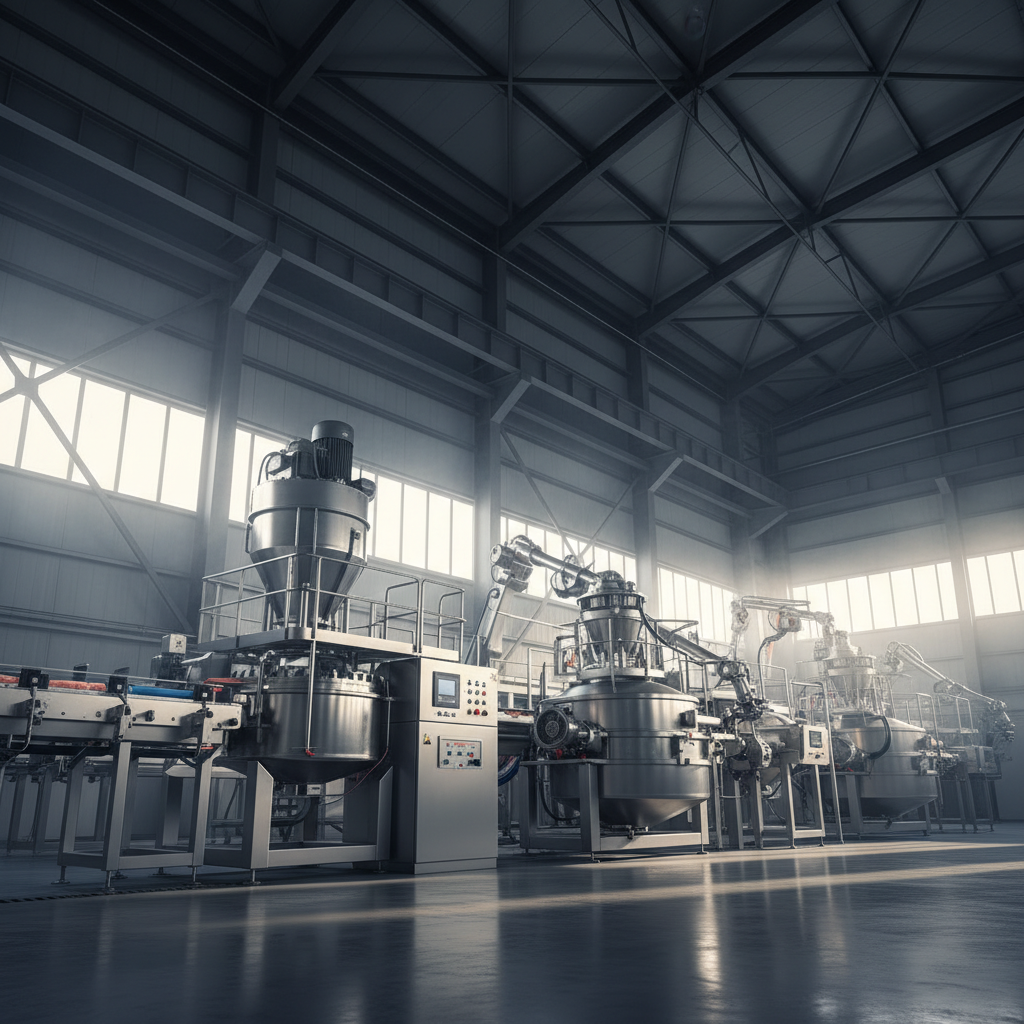
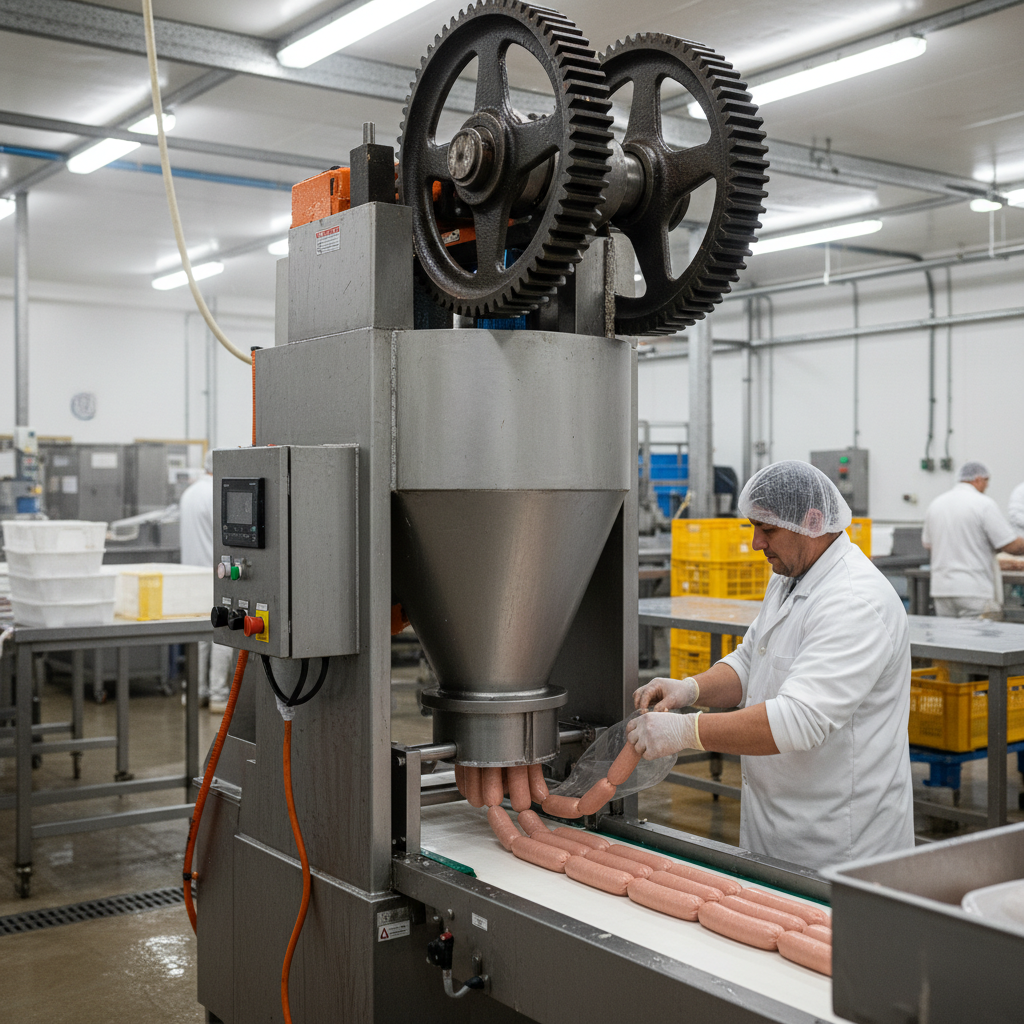
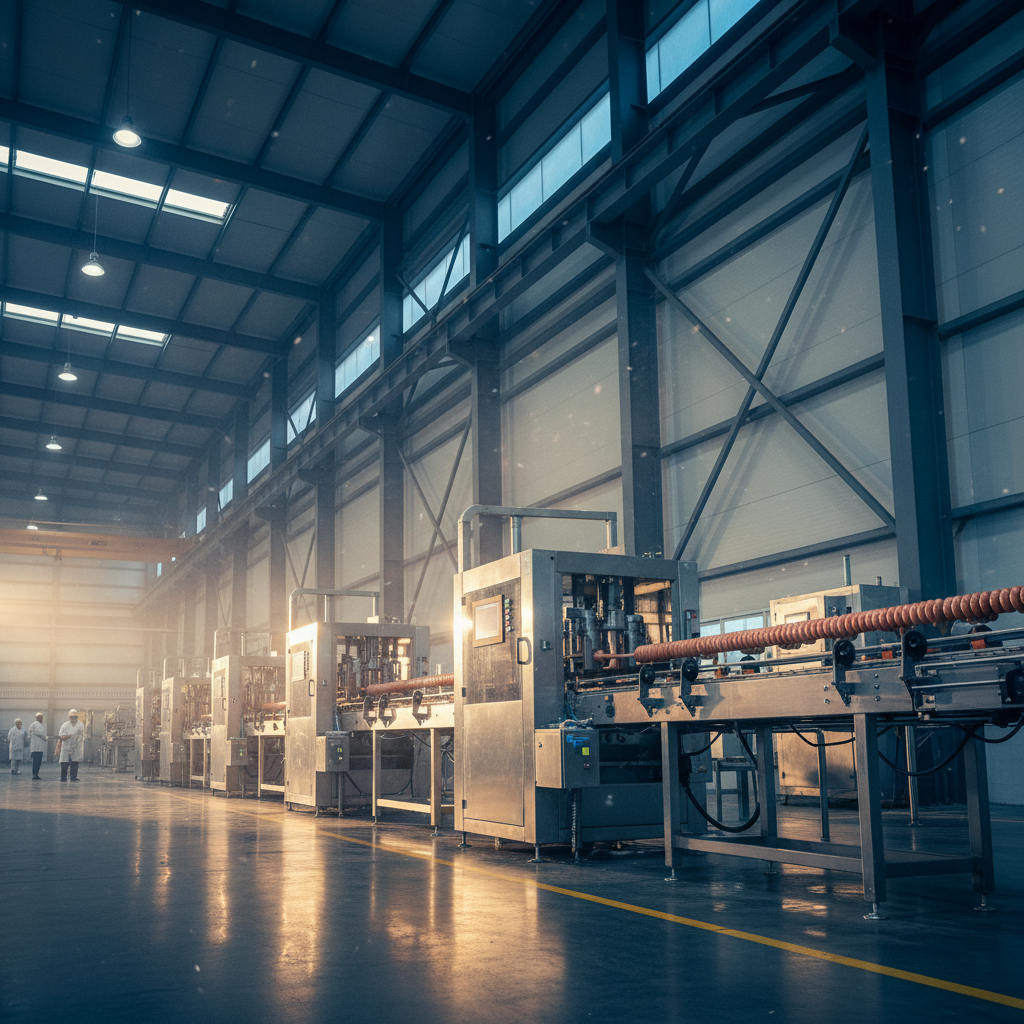
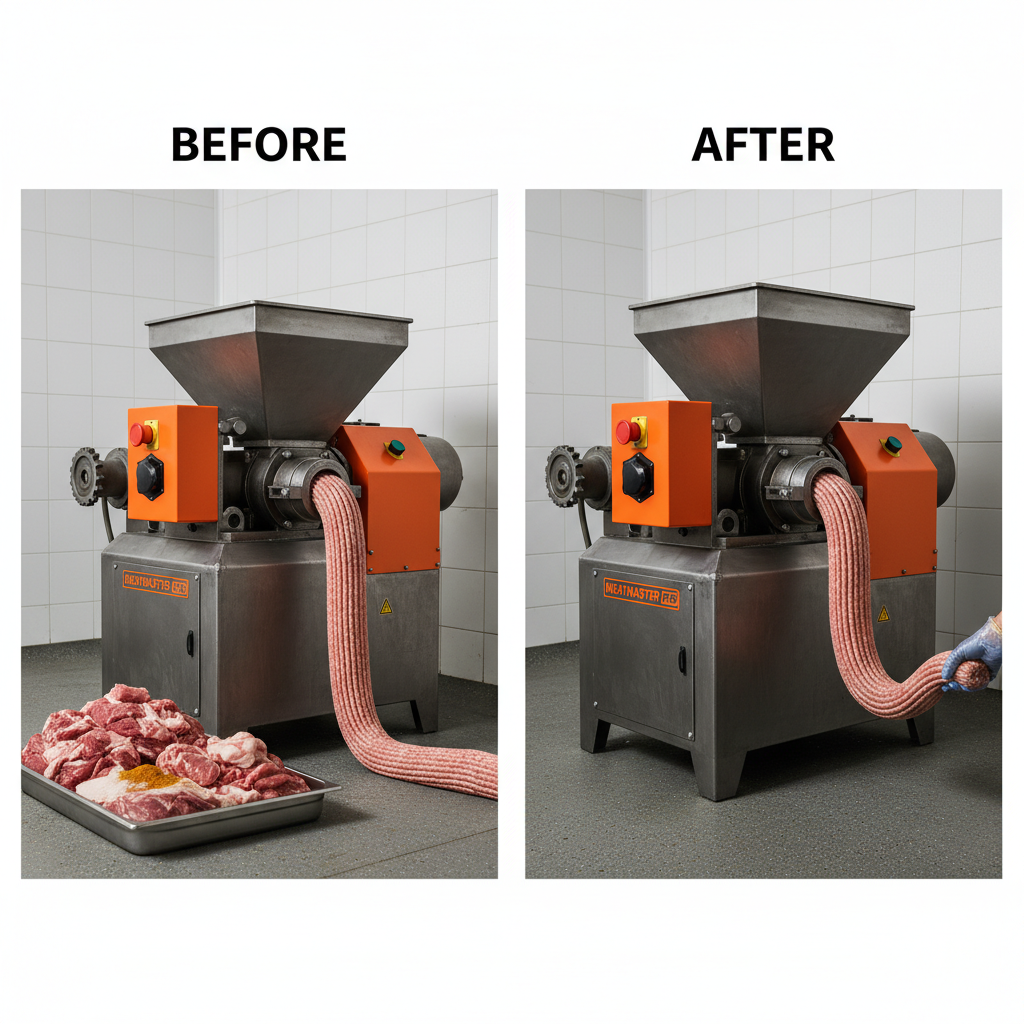
Sausage processing machinery represents a crucial component of the global food industry, enabling the efficient and safe production of a widely consumed protein source. From small-scale artisan butchers to large-scale industrial processors, the demand for reliable and innovative equipment continues to grow, fueled by increasing global population and shifting dietary preferences. Understanding the nuances of this machinery—its capabilities, maintenance, and future trends—is paramount for businesses looking to remain competitive and meet evolving consumer expectations.
The sausage processing sector is a significant economic driver, impacting not only food production but also related industries such as packaging, logistics, and ingredient supply. Globally, the meat processing industry is valued at hundreds of billions of dollars, with sausage accounting for a substantial portion of that market. Challenges such as food safety regulations, sustainability concerns, and the need for increased automation are driving innovation in sausage processing machinery.
Investing in high-quality sausage processing machinery is no longer simply about increasing output; it’s about ensuring product quality, minimizing waste, and adapting to the changing demands of a discerning consumer base. Properly chosen and maintained equipment contributes significantly to profitability and long-term success within the food processing landscape.
The Importance of Sausage Processing Machinery
The sausage industry, a cornerstone of culinary traditions worldwide, relies heavily on specialized machinery to transform raw materials into a diverse range of products. Efficient sausage processing machinery isn’t simply about automation; it’s about upholding stringent hygiene standards, maximizing yield, and ensuring consistent product quality—all critical factors for consumer trust and regulatory compliance.
Furthermore, advancements in machinery are vital for adapting to evolving consumer demands, such as the growing preference for natural and organic sausages. Modern equipment enables processors to experiment with new formulations, incorporate innovative ingredients, and meet the specific requirements of niche markets, bolstering their competitive edge.
Defining Sausage Processing Machinery
Sausage processing machinery encompasses a broad spectrum of equipment designed for the various stages of sausage production, from initial meat preparation to final packaging. This includes grinders, mixers, emulsifiers, stuffers, linkers, smokers, and slicers. Each machine plays a critical role in transforming raw meat and ingredients into the finished product, ensuring both efficiency and consistency.
The connection to modern industry lies in the increasing demand for mass production, food safety, and traceability. Sophisticated machinery incorporates features like automated cleaning cycles, data logging for quality control, and precise temperature control, contributing to a more streamlined and reliable manufacturing process.
Modern sausage processing machinery addresses critical humanitarian needs by ensuring a safe and efficient food supply, particularly in regions where protein sources may be limited or require preservation techniques like smoking and curing. It underpins food security and contributes to public health globally.
Core Components and Considerations
Selecting the appropriate sausage processing machinery requires a careful evaluation of several key components. These include the material of construction (typically stainless steel for hygiene and durability), the motor’s power and efficiency, the control system (ranging from basic manual controls to sophisticated programmable logic controllers – PLCs), and the safety features incorporated into the design.
Beyond the physical components, considerations such as the machine’s capacity, ease of cleaning and maintenance, and compatibility with existing production lines are crucial. Proper maintenance, including regular lubrication and parts replacement, is essential for maximizing the machine's lifespan and minimizing downtime, directly impacting production costs and efficiency.
Ultimately, a well-chosen system will not only boost output, but also improve product quality, reduce labor costs, and enhance overall operational efficiency. Understanding these core components and considerations is key to selecting machinery that aligns with specific business needs.
Key Factors: Durability, Scalability, and Efficiency
Durability is paramount in the food processing industry due to the demanding environment and continuous operation. Sausage processing machinery constructed from high-grade stainless steel can withstand frequent cleaning, harsh chemicals, and prolonged use without corrosion or degradation. A robust design translates to a longer lifespan and reduced replacement costs.
Scalability is another critical factor, especially for growing businesses. Modular machinery that can be easily expanded or reconfigured allows processors to increase capacity as demand grows without significant capital investment. This flexibility is crucial for adapting to market fluctuations and capitalizing on new opportunities.
Efficiency Ratings of Sausage Processing Machinery Methods
Global Applications and Industry Impact
Sausage processing machinery finds application across a diverse range of global settings, from large-scale meatpacking plants in North America and Europe to smaller, regional processors in Asia and South America. The specific machinery required varies based on the type of sausage produced, production volume, and local regulations.
In post-disaster relief operations, portable and self-contained sausage processing units can provide a vital source of protein for affected populations. These units can operate independently of established infrastructure, making them ideal for emergency food production in challenging environments.
Furthermore, sausage processing machinery plays a key role in remote industrial zones, enabling local production and reducing reliance on imported food products, fostering economic growth and sustainability within those communities.
Advantages and Long-Term Value
The advantages of investing in high-quality sausage processing machinery extend beyond increased production capacity. Reduced labor costs, minimized product waste, and improved product consistency all contribute to significant cost savings over the long term. Moreover, automation can enhance worker safety by reducing exposure to hazardous tasks.
The long-term value lies in the ability to build a reliable and efficient production process, fostering customer trust and brand loyalty. Consistent product quality, coupled with adherence to strict food safety standards, instills confidence in consumers and strengthens a company’s reputation within the market.
Future Trends in Sausage Processing
The future of sausage processing will be shaped by several key trends, including increasing automation, the integration of digital technologies, and a growing emphasis on sustainability. Robotics and artificial intelligence (AI) are poised to play a larger role in automating tasks such as meat handling, grinding, and packaging.
Data analytics and the Internet of Things (IoT) will enable real-time monitoring of equipment performance, predictive maintenance, and optimized production processes. Green energy solutions, such as solar power and energy-efficient machinery, will reduce environmental impact and lower operating costs.
The trend toward plant-based sausages also necessitates adaptation in sausage processing machinery, as new formulations and processing techniques are developed to meet the demands of a growing vegan and vegetarian market.
FAQS
Regular maintenance is crucial for ensuring optimal performance and longevity. This includes daily cleaning and sanitation, weekly lubrication of moving parts, monthly inspection of belts and gears, and annual professional servicing. Following the manufacturer's guidelines is essential. Neglecting maintenance can lead to costly breakdowns and reduced efficiency.
Sizing machinery correctly depends on your production volume, product variety, and anticipated growth. Consider your current needs and project future demand. It's often better to slightly overestimate capacity than to be constrained by insufficient equipment. Consulting with a machinery supplier can provide valuable insights and tailored recommendations.
Safety is paramount. Essential features include emergency stop buttons, safety guards on moving parts, interlocking systems to prevent operation with guards removed, and clear warning labels. Ensure the machinery meets relevant safety standards and provides adequate training to operators. Regular safety inspections are also crucial.
Automation offers numerous benefits, including increased production speed, reduced labor costs, improved product consistency, and enhanced hygiene. Automated systems can minimize human error, reduce waste, and ensure precise control over critical process parameters. They also allow for more efficient use of resources and improved traceability.
Stainless steel is the preferred material for sausage processing machinery due to its excellent corrosion resistance, hygiene properties, and durability. It can withstand frequent cleaning and harsh chemicals without degradation. Other materials, such as plastic or aluminum, may be suitable for certain components but are generally less robust in the long run.
Proper cleaning is vital for food safety and preventing bacterial contamination. Use food-grade detergents and sanitizers, follow the manufacturer's cleaning instructions, and disassemble components for thorough cleaning. Ensure all surfaces are dry before reassembly and implement a regular cleaning schedule. Regular sanitation audits can help maintain high hygiene standards.
Conclusion
In conclusion, sausage processing machinery is a cornerstone of the modern food industry, influencing everything from product quality and safety to efficiency and sustainability. Investing in the right equipment, coupled with diligent maintenance and a forward-thinking approach to technological advancements, is crucial for success in this competitive market. Understanding the core components, key considerations, and emerging trends will empower businesses to optimize their operations and meet the evolving demands of consumers.
Looking ahead, the future of sausage processing will be defined by automation, data-driven insights, and a commitment to environmental responsibility. By embracing these innovations, businesses can unlock new levels of efficiency, reduce their environmental footprint, and solidify their position as leaders in the industry. Visit our website at www.bossinmachinery.com to learn more about how we can help you optimize your sausage production process.