Food machinery encompasses a vast array of equipment designed to process, prepare, package, and preserve food products. From small-scale operations to large industrial plants, these machines are essential for meeting global food demands efficiently and safely. The advancements in food machinery are directly linked to increased food production, reduced waste, and improved food quality worldwide.
The global food machinery market is a significant contributor to the overall food industry, valued at billions of dollars and experiencing consistent growth. Factors driving this expansion include rising populations, changing dietary habits, and a growing emphasis on food safety standards. The demand for innovative and efficient food processing equipment is particularly strong in developing countries.
Understanding the intricacies of food machinery—its capabilities, maintenance, and future trends—is crucial for professionals in the food industry, as well as policymakers and researchers working to address global food security challenges. The correct implementation of suitable food machinery can significantly reduce food loss and improve supply chain resilience.
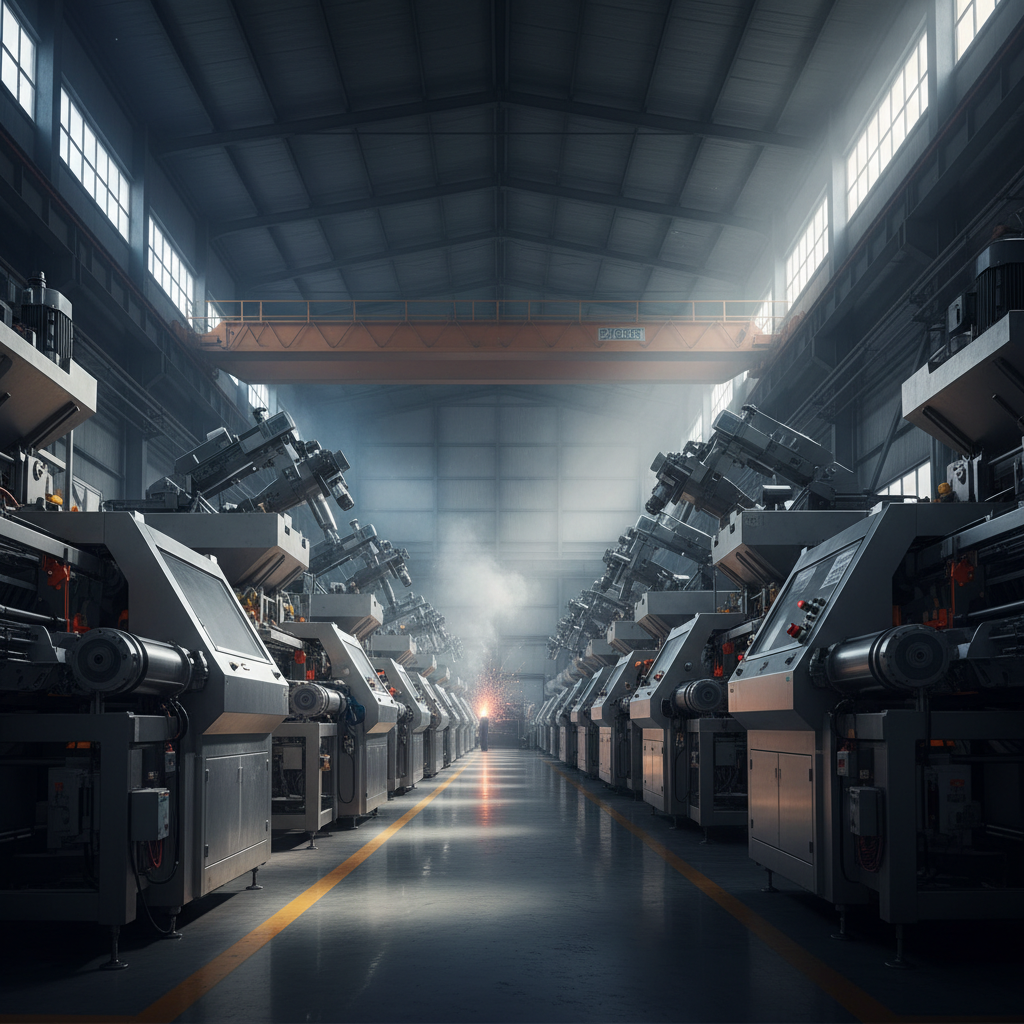
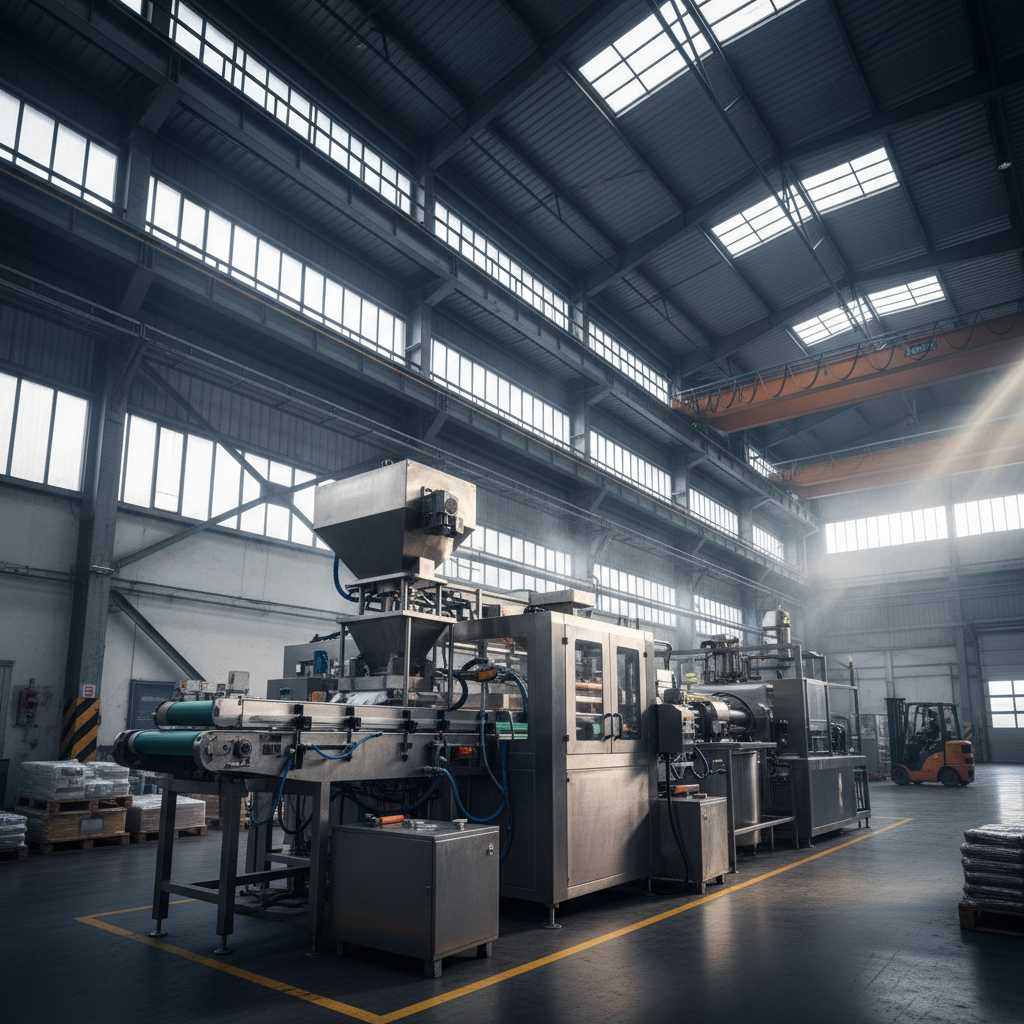
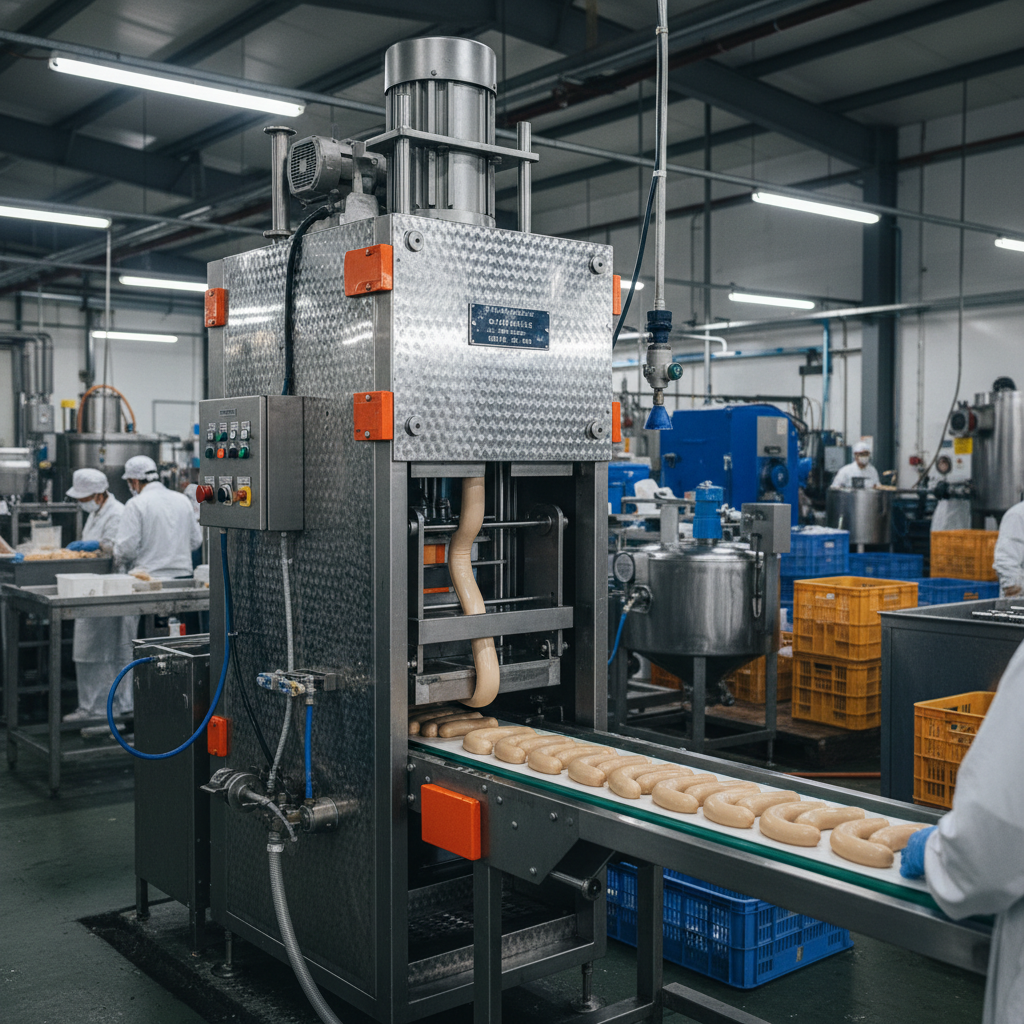
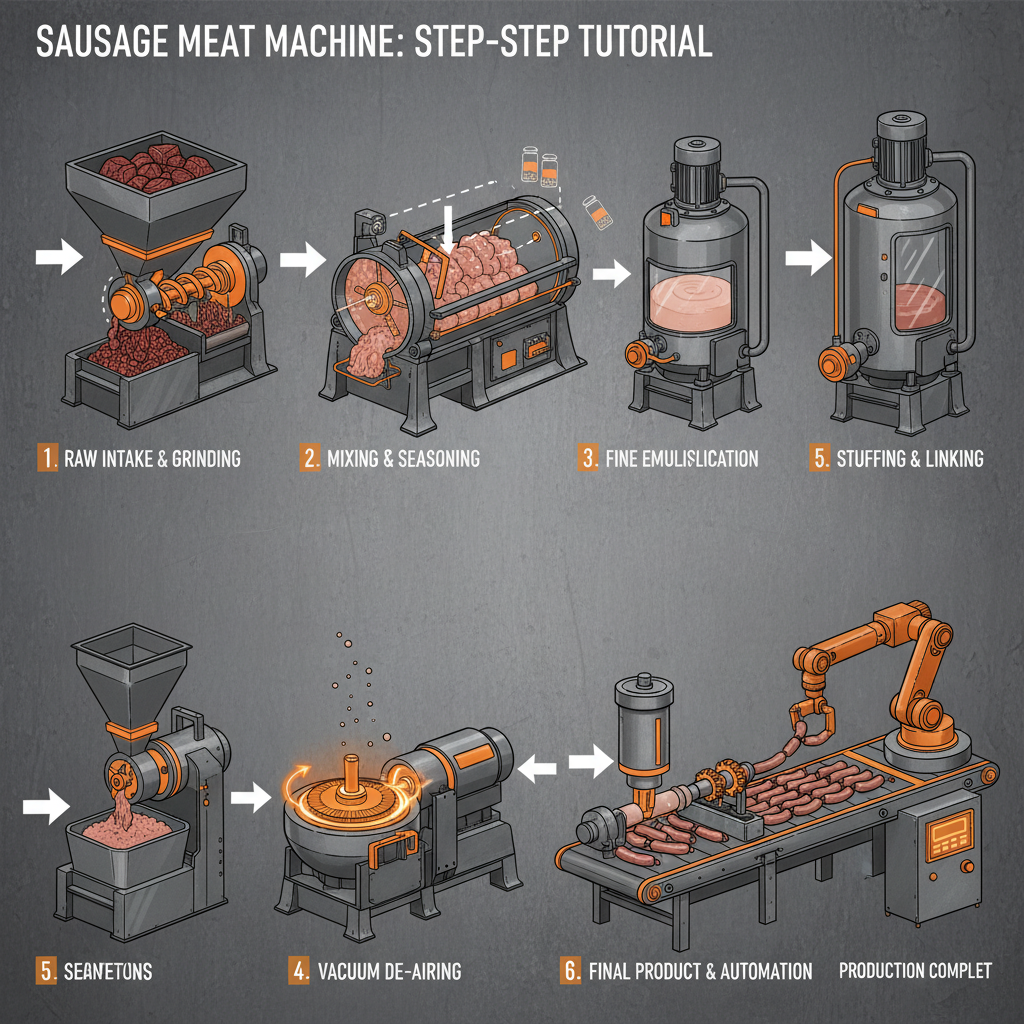
The term 'food machinery' covers a broad spectrum of equipment used throughout the food production lifecycle. This includes machines for cleaning, sorting, grading, peeling, cutting, mixing, cooking, cooling, packaging, and labeling. These machines directly influence the safety, quality, and efficiency of food production processes.
The evolution of food machinery has been marked by constant innovation, driven by the need to meet increasing demands for processed foods and adhere to stringent hygiene and safety regulations. Modern food machinery often incorporates automation, robotics, and data analytics to optimize performance and minimize human intervention.
The lifespan of food machinery varies significantly based on factors such as usage intensity, maintenance schedule, and equipment complexity. However, well-maintained, high-quality machines can typically operate effectively for 10-20 years. Regular preventative maintenance, including lubrication, parts replacement, and thorough cleaning, is critical for maximizing longevity and minimizing unexpected breakdowns. Investing in robust construction and corrosion-resistant materials also contributes to a longer operational life.
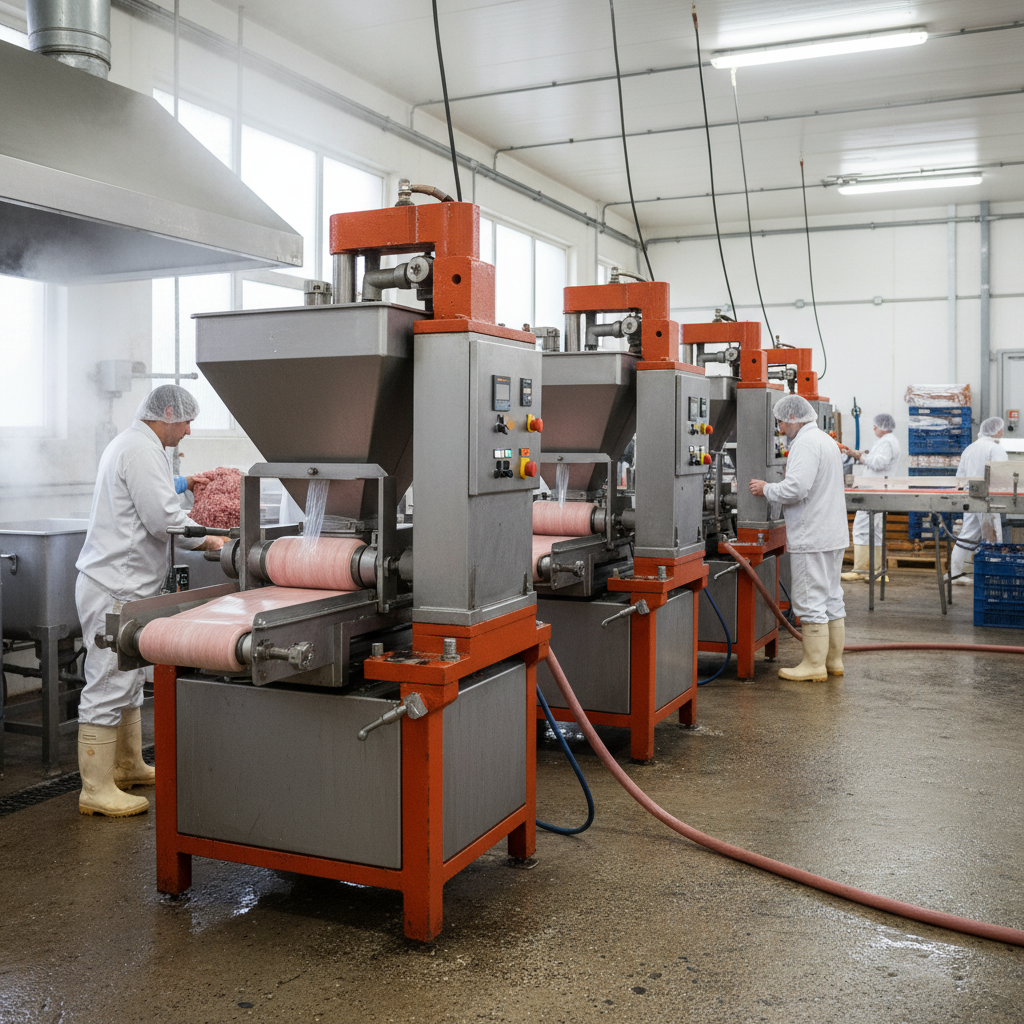
Maintaining hygiene in food machinery is paramount for food safety. Start by selecting equipment constructed from food-grade materials like stainless steel. Implement a rigorous cleaning and sanitation schedule, utilizing appropriate cleaning agents and disinfectants. Consider installing Clean-In-Place (CIP) systems for automated cleaning. Train personnel on proper hygiene protocols, and regularly inspect equipment for any signs of corrosion, damage, or bacterial growth. Documentation of cleaning procedures is also essential for audit trails.
When choosing food machinery, consider several factors. First, assess your production needs and scale. Then, evaluate the machine’s capacity, efficiency, and automation capabilities. Ensure it meets all relevant food safety and hygiene standards. Check for certifications like CE or ISO. Also, factor in maintenance requirements, spare parts availability, and the manufacturer’s reputation for reliability and customer support. Finally, analyze the total cost of ownership, including initial purchase price, operating costs, and maintenance expenses.
Automation significantly impacts food machinery operations by increasing efficiency, reducing labor costs, and improving product consistency. Automated systems minimize human error and allow for precise control over processing parameters. They also enable continuous operation and real-time data collection for process optimization. Robotics can handle repetitive tasks, freeing up human workers for more complex roles. However, automation requires investment in training and maintenance to ensure optimal performance.
Predictive maintenance leverages data analysis and sensor technology to anticipate potential equipment failures before they occur. By monitoring parameters like vibration, temperature, and pressure, predictive maintenance systems can identify anomalies and schedule maintenance proactively. This minimizes downtime, reduces repair costs, and extends the lifespan of the machinery. Integrating IoT (Internet of Things) devices enables remote monitoring and real-time data analysis for effective predictive maintenance strategies.
Reducing energy consumption in food machinery is crucial for sustainability and cost savings. Opt for energy-efficient motors and drives. Optimize process parameters to minimize energy usage. Implement variable frequency drives (VFDs) to control motor speed based on demand. Insulate pipes and equipment to reduce heat loss. Consider utilizing renewable energy sources, such as solar power, to offset energy consumption. Regularly monitor energy usage and identify areas for improvement through data analysis.
In conclusion, food machinery is the backbone of modern food production, playing a critical role in ensuring global food security and delivering safe, high-quality products to consumers. Its evolution continues with exciting advancements in automation, AI, and sustainable technologies, promising even greater efficiency and reduced environmental impact. Investing in appropriate and well-maintained food machinery is crucial for businesses seeking to thrive in a competitive and ever-changing food industry.
Looking ahead, embracing innovative solutions, prioritizing preventive maintenance, and investing in skilled personnel will be essential for maximizing the long-term benefits of food machinery. Continued research and development are vital to address emerging challenges and ensure that food machinery remains at the forefront of food processing technology. Visit our website at www.bossinmachinery.com to learn more about our comprehensive range of food machinery solutions.