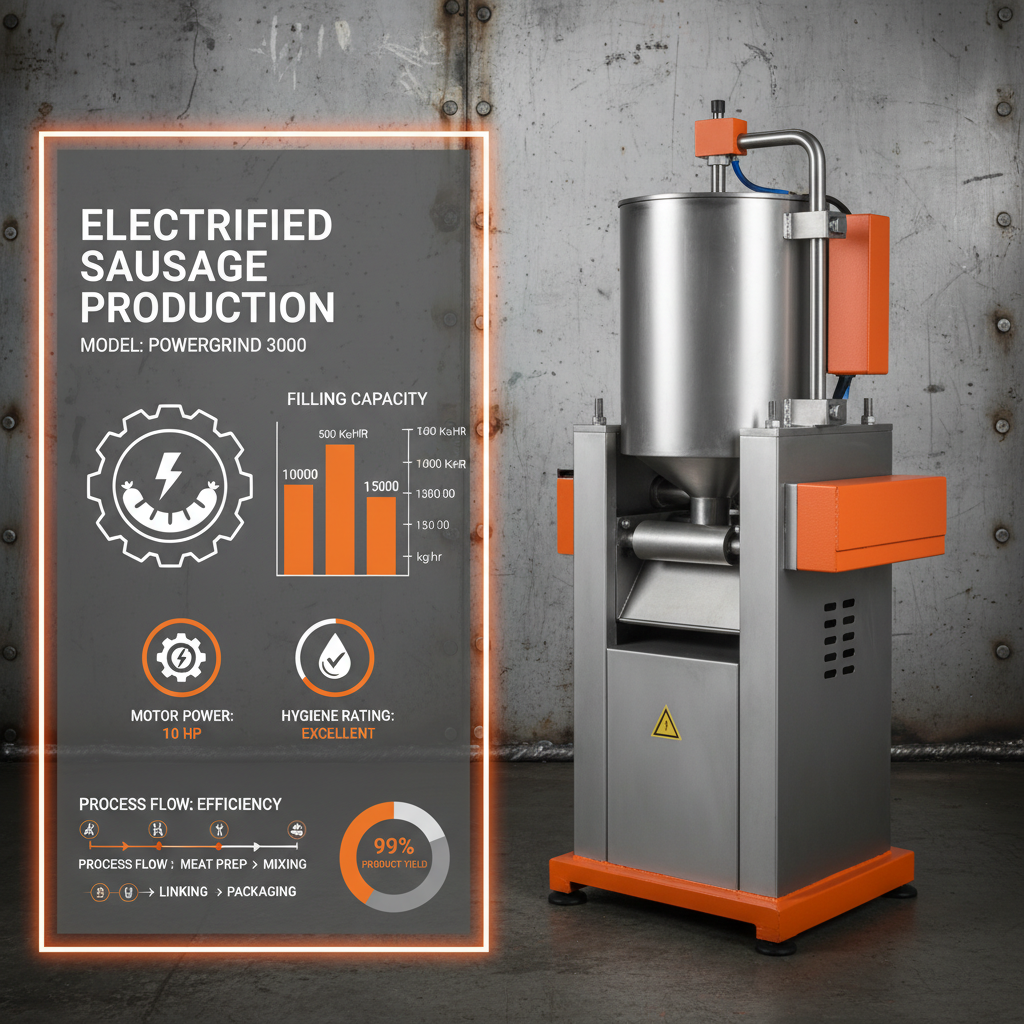
The sausage enema machine, though a seemingly niche topic, represents a fascinating intersection of engineering, food science, and process optimization. Understanding the principles behind these machines – the control of pressure, flow, and material compatibility – has broader implications for other industries dealing with fluid dynamics and automated filling processes. Its development reflects a constant drive for efficiency and consistency in food production, a theme that resonates across the global food supply chain.
Globally, the demand for processed meats continues to rise, particularly in developing nations. This necessitates advancements in food processing technologies to meet both quantity and quality demands. Sausage enema machines play a critical role in this landscape, allowing for uniform filling of casings, reducing waste, and enhancing product presentation. Efficient and reliable sausage production contributes to food security and economic growth within the food processing sector.
The significance of studying these machines extends beyond just the immediate application of sausage production. The core technologies used – precision pumps, automated control systems, and hygienic material handling – are transferable to other industries, from pharmaceutical filling to cosmetic packaging. A deeper understanding of sausage enema machine mechanics can inspire innovation in diverse fields.
The Fundamentals of Sausage Enema Machines
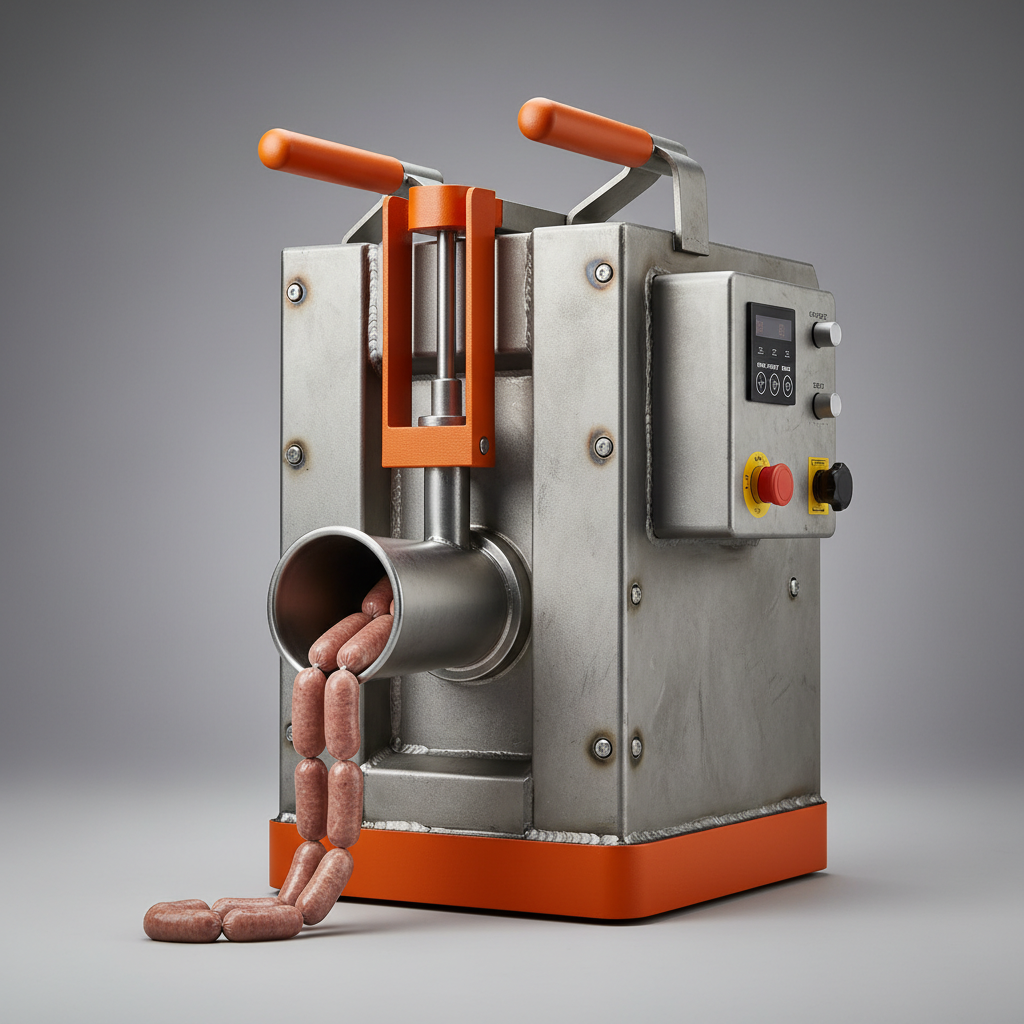
A sausage enema machine is fundamentally a precision filling system. It’s designed to accurately inject a prepared meat mixture (the ‘enema’) into casings, ensuring consistent weight and diameter of the final sausage product. This process necessitates precise control over factors like flow rate, pressure, and material consistency.
Modern sausage enema machines often incorporate automated features, including programmable logic controllers (PLCs) for precise control and monitoring. The materials used in construction are crucial, typically employing stainless steel for its hygienic properties and resistance to corrosion. The overall design focuses on minimizing downtime and maximizing throughput.
Global Demand and Industry Trends
The global processed meat market is a multi-billion dollar industry with continued growth expected, particularly in emerging economies. This drives increasing demand for efficient and reliable sausage production equipment. Statistics from the USDA and FAO indicate a steady rise in per capita meat consumption worldwide, fueling the need for technological advancements in processing.
One key trend is the increasing demand for high-quality, consistent products. Consumers are becoming more discerning, demanding precise weights, uniform size, and optimal texture in their sausage purchases. This places a premium on machines capable of delivering consistent results, like the advanced sausage enema machine models.
Another significant trend is the focus on hygiene and food safety. Regulations are becoming stricter, requiring manufacturers to utilize equipment that is easy to clean, sanitize, and maintain to prevent contamination. This is driving the adoption of stainless steel construction and automated cleaning systems in sausage enema machine designs.
Defining the Sausage Enema Machine
A sausage enema machine is specialized equipment used in the meat processing industry to efficiently and accurately fill sausage casings with a meat emulsion. It replaces manual stuffing methods, offering increased speed, consistency, and hygiene. The machine’s core function is to overcome the resistance of the casing while maintaining the integrity of the meat mixture, avoiding air pockets and ensuring even distribution.
The connection to modern industry lies in the application of automation and precision engineering to food production. Sausage enema machines exemplify the principles of process control and optimization, similar to those used in manufacturing, pharmaceuticals, and other industries. They are a critical component in streamlining the sausage production process and increasing overall efficiency.
Its role extends to humanitarian needs as well, specifically in providing readily available and nutritious food sources. Mass production of sausages, facilitated by machines like this, can be a vital part of food aid programs and emergency relief efforts. Efficient production translates to more affordable and accessible protein sources for vulnerable populations.
Key Operational Factors
Durability is paramount. Sausage enema machines operate in demanding environments and require robust construction to withstand continuous use and frequent cleaning cycles. Stainless steel is the material of choice for components in contact with the meat mixture, ensuring longevity and preventing corrosion.
Scalability is also essential, as production needs can fluctuate. Machines should be available in various sizes and capacities to accommodate different production volumes, from small-scale artisanal producers to large-scale industrial facilities. The ability to upgrade or expand the system is a key consideration.
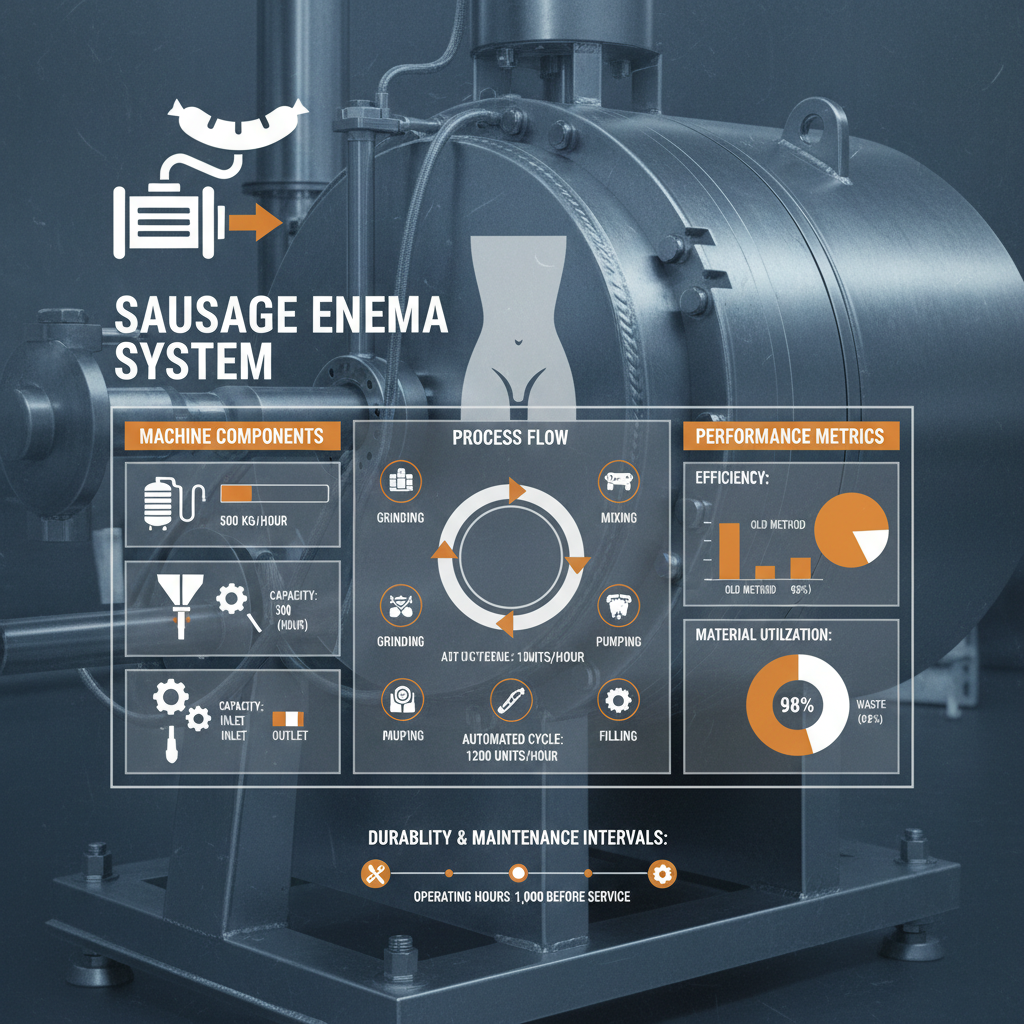
Sausage Enema Machine Performance Metrics
Global Applications & Production
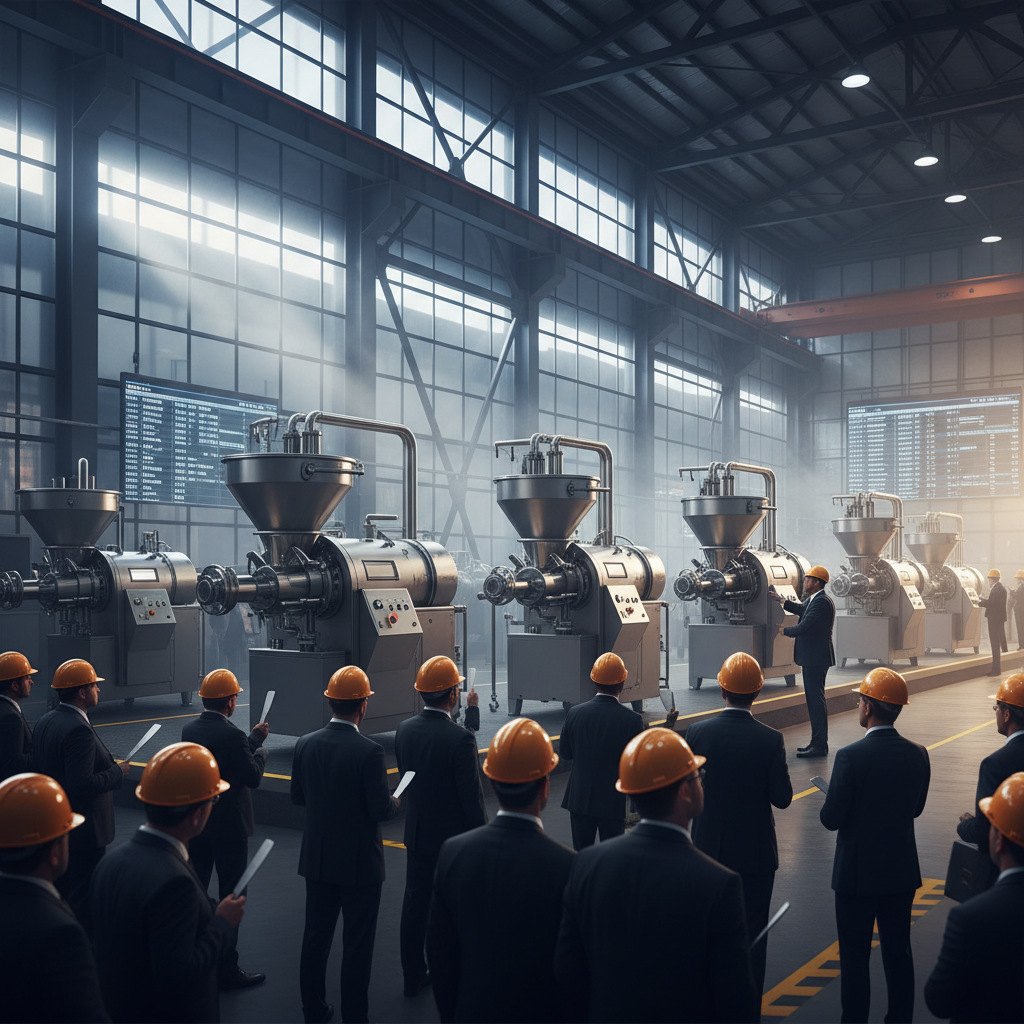
Sausage enema machines are utilized extensively across Europe, particularly in Germany and Poland, renowned for their traditional sausage-making cultures. These regions employ both small-scale artisan machines and large industrial systems to meet both domestic and export demands.
In North America, particularly the United States, automated sausage enema machines are common in large-scale meat processing facilities. These facilities prioritize high throughput and consistent product quality. These systems often interface with other automated packaging and processing lines.
Benefits & Long-Term Value
The primary benefit is cost reduction. Automated filling minimizes labor costs and reduces product waste due to inconsistent fills. Furthermore, efficient operation decreases energy consumption and extends the lifespan of the casings, contributing to long-term savings.
The long-term value extends to improved product quality and consistency, leading to enhanced brand reputation and customer loyalty. Reliable performance minimizes downtime and ensures a steady supply of products, contributing to overall business stability. Investing in a quality sausage enema machine reflects a commitment to excellence.
Future Innovations & Challenges
Future trends include the integration of advanced sensor technology for real-time monitoring of filling parameters, such as pressure, flow rate, and temperature. Data analytics will be used to optimize performance and predict maintenance needs.
Automation will continue to increase, with the development of fully robotic systems capable of handling all aspects of the sausage production process, from casing preparation to final packaging. The pursuit of sustainable practices will drive the development of energy-efficient machines and the use of eco-friendly materials.
One major challenge is maintaining hygienic standards in automated systems. Developing self-cleaning mechanisms and incorporating antimicrobial materials will be crucial to prevent contamination. The integration of Industry 4.0 principles – connecting machines to the internet for remote monitoring and control – will also require robust cybersecurity measures.
Summary of Key Sausage Enema Machine Challenges and Solutions
| Challenge |
Impact on Production |
Proposed Solution |
Implementation Cost (1-10) |
| Maintaining Consistent Filling Pressure |
Variable Sausage Density & Weight |
Implementation of PLC-Controlled Pumps |
6 |
| Sanitation & Hygiene Concerns |
Risk of Bacterial Contamination |
Automated Cleaning-In-Place (CIP) Systems |
8 |
| Casing Damage During Filling |
Product Loss & Reduced Quality |
Optimized Nozzle Design & Pressure Control |
4 |
| Minimizing Air Pockets |
Altered Texture & Reduced Shelf Life |
Vacuum Filling Technology |
7 |
| Energy Consumption |
Increased Operational Costs |
Implementation of Energy-Efficient Motors & Drives |
5 |
| Integration with Existing Systems |
Compatibility Issues & Workflow Disruptions |
Modular Machine Design & Open Communication Protocols |
6 |
FAQS
A well-maintained sausage enema machine, constructed with high-quality materials like stainless steel, can typically last between 10 and 20 years. The lifespan heavily depends on the frequency of use, the operating environment, and the regularity of preventative maintenance. Regular cleaning, lubrication, and timely replacement of worn parts are essential to maximize its longevity. Utilizing sausage enema machine parts is crucial.
Filling nozzles should be cleaned after each production run to prevent the buildup of meat residue and potential bacterial contamination. Depending on the abrasiveness of the meat mixture, nozzles may need to be replaced every 3-6 months. Regular inspection for wear and tear is crucial. Using appropriate cleaning solutions and avoiding abrasive materials will help extend the nozzle’s lifespan.
Essential safety features include emergency stop buttons, safety guards around moving parts, pressure relief valves, and interlocks to prevent operation during maintenance. Modern machines also incorporate sensors to detect abnormal conditions, such as excessive pressure or temperature. Training operators on proper safety procedures is also vital.
Precise pressure control is crucial for achieving consistent sausage density, weight, and texture. Too much pressure can rupture the casings, leading to product waste and inconsistent results. Too little pressure can result in air pockets and uneven filling. Accurate pressure control ensures optimal product quality and minimizes defects.
For small-scale producers, considerations include affordability, ease of cleaning and maintenance, and a compact footprint. A manual or semi-automatic machine may be sufficient, as opposed to a fully automated system. It's essential to choose a machine that aligns with production volume and budget.
Automation can significantly improve sanitation by reducing human contact with food surfaces. Automated cleaning-in-place (CIP) systems are particularly effective in removing residue and preventing bacterial growth. However, automated systems require careful design and maintenance to ensure all parts are accessible for cleaning and sanitization.
Conclusion
The sausage enema machine represents a cornerstone of modern meat processing, embodying the principles of efficiency, precision, and hygiene. Its evolution reflects a commitment to innovation within the food industry, driven by demands for consistent quality, increased throughput, and enhanced food safety. Understanding the core mechanics, operational factors, and future trends surrounding these machines is essential for anyone involved in the production or supply of processed meats.
Looking ahead, the integration of Industry 4.0 technologies, coupled with a focus on sustainable practices, will undoubtedly shape the future of sausage enema machine design. Investing in robust, reliable, and technologically advanced machines like those offered by Bossin Machinery is not merely a capital expenditure; it’s an investment in the long-term success and sustainability of any meat processing operation.