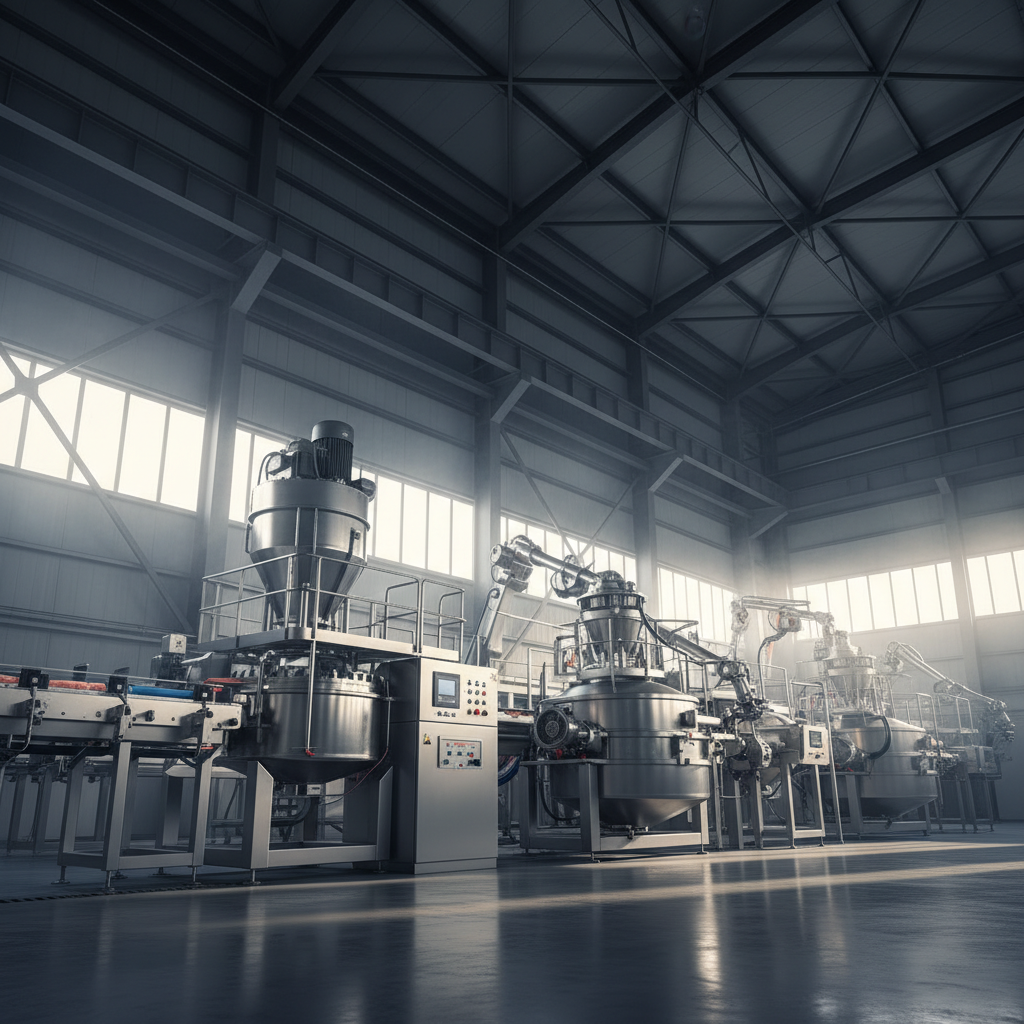
Sausage stuffers are indispensable tools in the modern food processing industry, extending far beyond simple home kitchens. They represent a vital link in the production chain, ensuring efficient, hygienic, and consistent filling of natural and synthetic casings with a variety of meat emulsions, poultry blends, and even vegetarian alternatives. The global demand for processed meats continues to rise, driven by convenience and changing consumer habits, making efficient sausage production – and, consequently, effective sausage stuffers – crucial for meeting this demand. From small artisanal butchers to large-scale industrial operations, these machines are foundational for delivering a popular and culturally significant food product.
The relevance of sausage stuffers isn't limited to commercial food production. They also play a significant role in food security and preservation, particularly in regions where traditional meat preservation methods are prevalent. According to the UN, over 30% of the world's population relies on traditional food preservation techniques, and efficient casing filling is a key component of many of these practices. The ability to quickly and reliably fill casings extends shelf life, reduces spoilage, and ensures a consistent product, contributing to sustainable food systems.
A key challenge addressed by advancements in sausage stuffer technology is maintaining product quality and food safety standards. Modern stuffers incorporate features like vacuum filling, portion control, and easy cleaning, all designed to minimize contamination and ensure compliance with stringent regulations set by organizations like the ISO and national food safety authorities. Understanding these technologies and their benefits is paramount for businesses navigating the complexities of the modern food industry.
Defining the Role of sausage stuffers
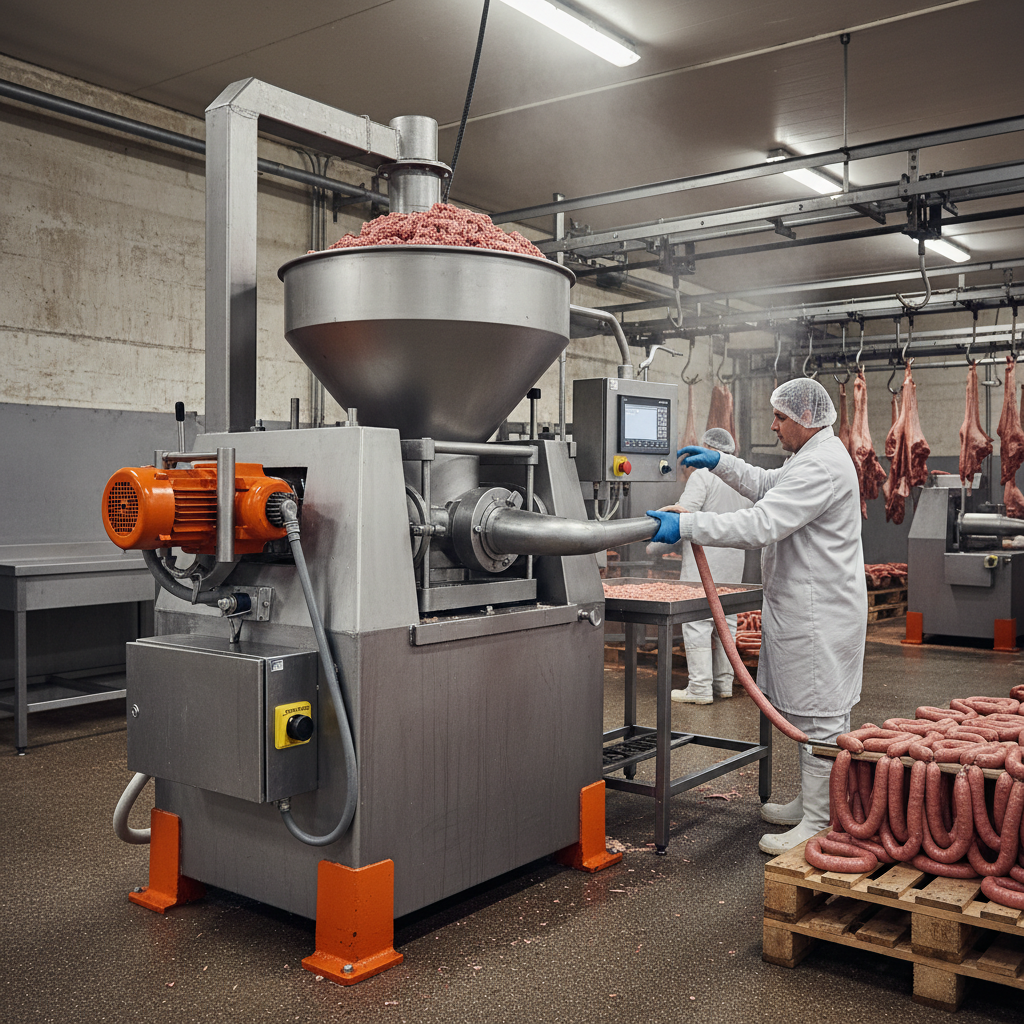
At their most basic, sausage stuffers are machines designed to efficiently and hygienically fill casings – traditionally made from animal intestines, but increasingly using collagen, cellulose, or plastic – with ground meat, spices, and other ingredients. They operate on the principle of positive displacement, forcing the meat mixture into the casing through a stuffing horn. This process is crucial for creating consistent sausage links or chubs, ensuring uniform size, shape, and texture. sausage stuffers are vital for both artisanal and large-scale production.
The connection to modern industry and humanitarian needs stems from the widespread consumption of sausage and similar encased meats globally. These products are often a cost-effective source of protein, especially in regions with limited access to fresh meat. Furthermore, the preservation benefits provided by proper casing filling contribute to food security, making sausage stuffers a relevant technology in both developed and developing countries.
The Global Sausage Stuffer Market
The global sausage stuffer market is a dynamic and growing sector, closely tied to the overall demand for processed meat products. Market research indicates a steady increase in demand, driven by factors such as rising disposable incomes, urbanization, and a preference for convenient food options. North America and Europe traditionally represent the largest markets, but emerging economies in Asia-Pacific, Latin America, and Africa are experiencing significant growth, presenting new opportunities for manufacturers.
According to recent reports, the global processed meat market was valued at over $200 billion in 2023, and is projected to reach $250 billion by 2028. This growth is directly impacting the demand for sausage stuffers, as manufacturers seek to increase production capacity and improve efficiency. The competitive landscape is characterized by a mix of established players and smaller, specialized companies offering a range of machines to suit diverse needs.
A significant problem addressed by modern sausage stuffer manufacturers is the need for greater automation and hygiene. Traditional manual stuffing methods are labor-intensive and prone to contamination. Consequently, there's a growing demand for automated systems that minimize human contact, reduce waste, and ensure consistent product quality, meeting stricter food safety standards.
Core Components and Operational Principles
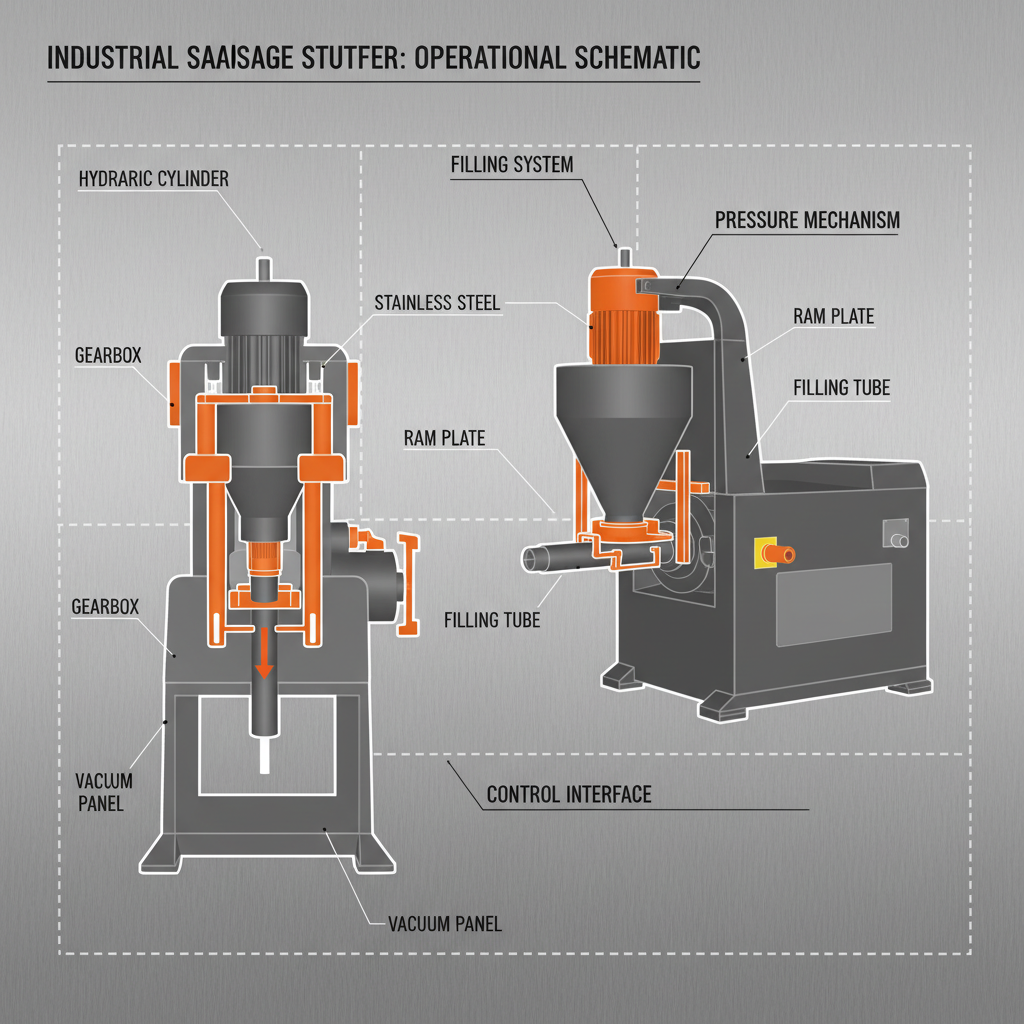
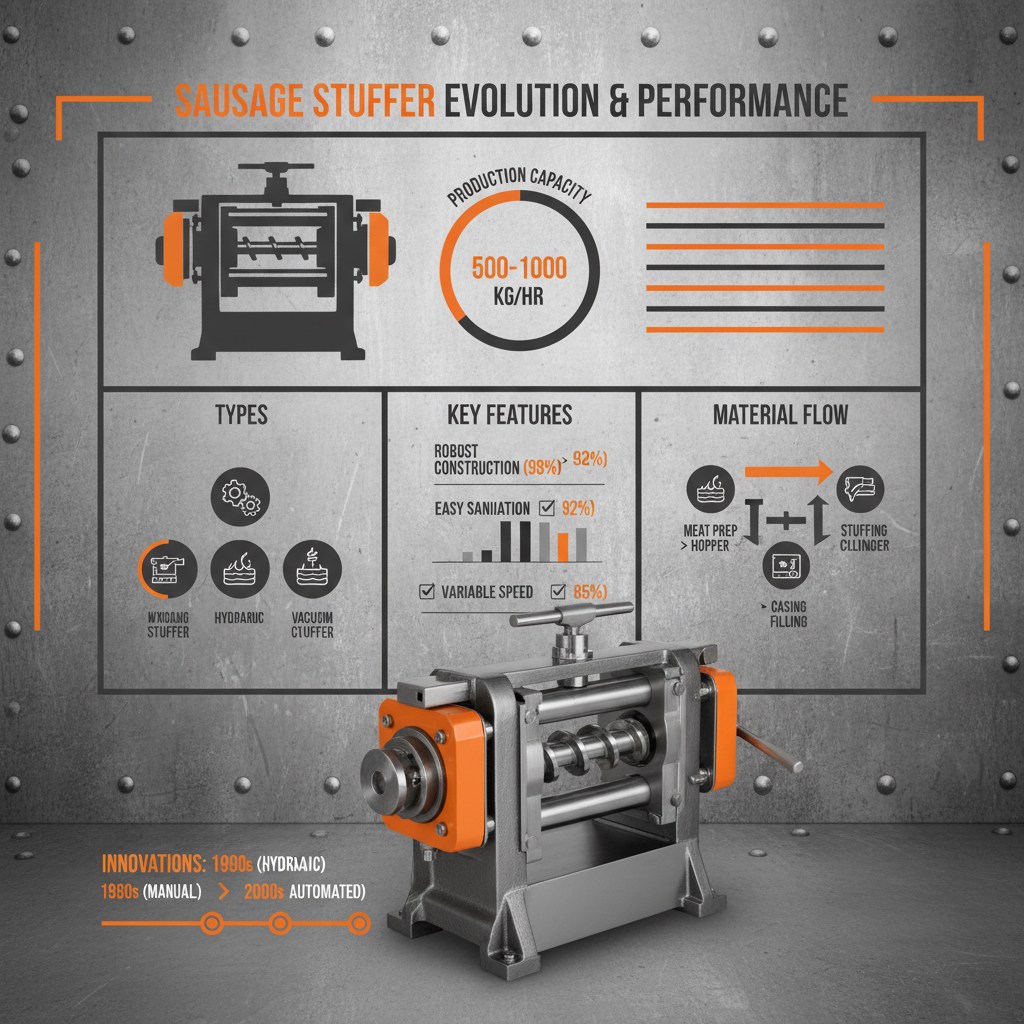
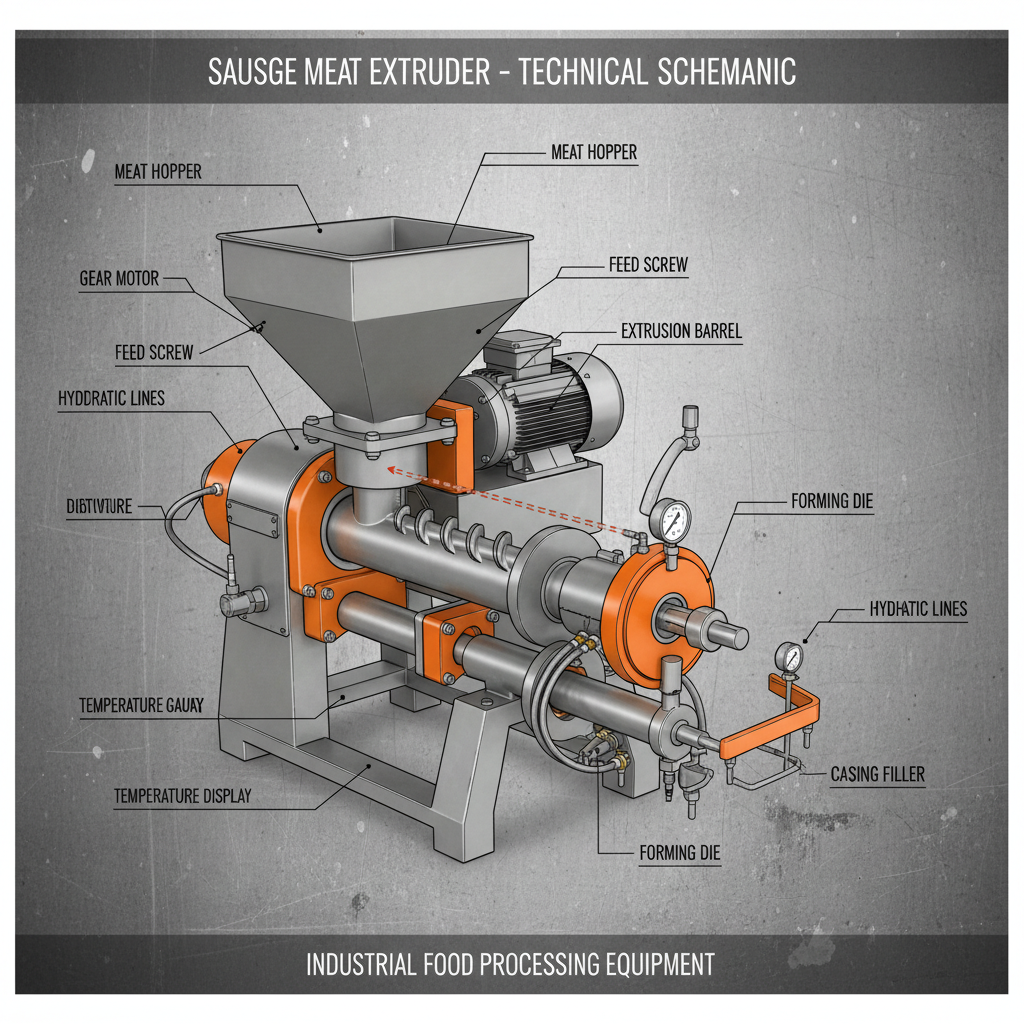
The fundamental components of a sausage stuffer typically include a hopper for holding the meat mixture, a pumping mechanism (usually a piston, screw, or rotary lobe pump), a stuffing horn to direct the flow of meat into the casing, and a control system to regulate the stuffing process. The choice of pumping mechanism significantly impacts the stuffer's capacity, consistency, and ability to handle different types of meat mixtures. Vacuum stuffers, for example, are designed to remove air from the meat, resulting in a denser, more consistent product.
The operational principle revolves around creating positive pressure to force the meat mixture through the stuffing horn and into the casing. The pumping mechanism generates this pressure, and the control system allows operators to adjust the filling speed, portion size, and other parameters. Proper maintenance of these components is crucial for ensuring optimal performance and extending the lifespan of the machine. Regular cleaning and lubrication prevent breakdowns and maintain hygiene standards.
Beyond the core components, modern sausage stuffers often incorporate features like integrated weighing systems, automatic casing detection, and programmable logic controllers (PLCs) for precise control and data logging. These advancements enhance efficiency, reduce waste, and improve product traceability, contributing to overall operational improvements.
Durability and Material Science in sausage stuffers
Durability is paramount in sausage stuffers, as they operate in demanding environments characterized by frequent use, exposure to harsh cleaning agents, and potentially abrasive meat mixtures. The materials used in construction directly impact the machine’s lifespan and resistance to wear and tear. Stainless steel, particularly grade 304 and 316, is the predominant material due to its corrosion resistance, hygienic properties, and ease of cleaning.
Material science advancements are continuously improving the performance of sausage stuffers. For example, specialized coatings are being used to reduce friction and prevent meat adhesion, making cleaning easier and improving product yield. Furthermore, the development of high-strength polymers for certain components, such as seals and gaskets, enhances durability and reduces the need for frequent replacements.
Durability Assessment of Different Sausage Stuffer Materials
Applications Across Industries
While primarily associated with meat processing, sausage stuffers find applications across a surprisingly diverse range of industries. The food processing sector remains the largest, encompassing producers of sausages, hot dogs, salami, pepperoni, and other encased meat products. However, they're also used in the production of poultry products, seafood patties, and even plant-based meat alternatives. sausage stuffers can adjust to these differing needs.
Beyond food, sausage stuffer technology is adapted for filling other cylindrical products, such as cosmetics, pharmaceutical creams, and industrial lubricants. The precision filling capabilities and hygienic design are valuable in these applications, where consistent dosage and contamination control are essential. In post-disaster relief operations, portable sausage stuffers can be deployed to provide a quick and reliable source of protein, utilizing locally sourced ingredients.
Advantages and Return on Investment
The advantages of investing in a high-quality sausage stuffer are multifaceted. Increased production efficiency, reduced labor costs, and improved product consistency all contribute to a strong return on investment. Automated stuffers minimize waste, optimize portion control, and enhance overall throughput, leading to significant cost savings over time. Furthermore, the ability to consistently produce high-quality products builds brand reputation and customer loyalty.
The long-term value extends beyond purely economic benefits. Improved hygiene standards and food safety compliance reduce the risk of recalls and legal liabilities. A more sustainable production process, with reduced waste and energy consumption, aligns with growing consumer demand for environmentally responsible products. Investing in reliable equipment also reduces downtime and minimizes the disruption to operations.
Future Trends and Technological Advancements
The future of sausage stuffer technology is driven by several key trends. Automation and robotics are poised to play an increasingly prominent role, with the development of fully automated stuffing lines capable of handling a wide variety of products and casings. Digitalization and the integration of Industry 4.0 technologies, such as IoT sensors and data analytics, will enable real-time monitoring, predictive maintenance, and optimized process control.
Sustainability is another major focus. Manufacturers are exploring ways to reduce energy consumption, minimize water usage, and utilize more environmentally friendly materials. The development of biodegradable casings and packaging materials further contributes to a more sustainable production cycle. Furthermore, advancements in cleaning and sanitation technologies, such as automated CIP (Clean-In-Place) systems, will streamline operations and reduce the reliance on harsh chemicals.
The adoption of artificial intelligence (AI) and machine learning (ML) algorithms is also emerging. These technologies can analyze production data to identify patterns, optimize stuffing parameters, and predict potential issues, leading to enhanced efficiency and reduced downtime.
FAQS
For a small-scale operation, factors like capacity, ease of cleaning, and cost-effectiveness are crucial. A manually operated or small electric stuffer with a stainless steel construction is often sufficient. Consider the types of casings you'll be using and ensure the machine is compatible. Prioritize models that are easy to disassemble for thorough cleaning, as hygiene is paramount. Finally, establish a budget and explore options within that range.
Vacuum functionality is highly important for producing high-quality sausages. Removing air from the meat mixture results in a denser, more consistent product with improved texture and shelf life. It’s particularly crucial for products that require a firm texture or are intended for longer storage. Consider a vacuum stuffer if you’re producing high-end sausages or prioritizing product quality and preservation.
Regular maintenance is vital. Daily cleaning after each use is essential to prevent bacterial growth and maintain hygiene. Lubricate moving parts according to the manufacturer’s instructions. Inspect seals and gaskets for wear and tear, and replace them as needed. Periodically check the pumping mechanism for any signs of damage or malfunction. Keep all components clean and dry when storing.
Always follow the manufacturer’s safety guidelines. Ensure the machine is properly grounded to prevent electrical hazards. Wear appropriate personal protective equipment (PPE), such as gloves and eye protection. Never operate the stuffer with missing or damaged parts. Be cautious when handling the stuffing horn and avoid placing hands near moving parts. Turn off and unplug the machine before performing any maintenance or cleaning.
Automated systems minimize human contact, reducing the risk of contamination. Integrated weighing and portioning systems ensure consistent product specifications. Data logging capabilities allow for full traceability of ingredients and production batches. Furthermore, many automated stuffers feature CIP (Clean-In-Place) systems, which simplify sanitation and enhance hygiene standards.
Horizontal stuffers generally offer larger capacity and are suited for high-volume production. They are easier to load and often provide better visibility of the stuffing process. Vertical stuffers, on the other hand, are more compact and take up less floor space, making them ideal for smaller operations. They are also often easier to clean. The “better” choice depends on your production volume, available space, and specific processing requirements.
Conclusion
In conclusion, sausage stuffers are more than just machines; they represent a crucial link in the food supply chain, enabling the efficient and hygienic production of a globally consumed protein source. From small-scale artisanal operations to large industrial facilities, these tools provide significant benefits in terms of productivity, product quality, and food safety. Understanding the core components, operational principles, and future trends in sausage stuffer technology is essential for businesses seeking to thrive in the competitive food processing landscape.
Looking ahead, the continued integration of automation, digitalization, and sustainable practices will further enhance the capabilities and value of sausage stuffers. Investing in modern, reliable equipment is not merely a cost, but a strategic investment in long-term efficiency, quality, and sustainability. To explore a range of high-performance sausage stuffers tailored to your specific needs, visit our website today.