You know, lately everyone’s talking about prefabricated components, right? Seems like every other engineer is buzzing about modular builds and rapid deployment. It's all about speed, getting things up quick. But honestly, I’ve seen a lot of these “quick” solutions end up being a headache down the line. You rush the foundation, the whole thing wobbles. It’s the same with these vacuum stuffers… you think you’re saving time, but a poorly designed one just makes a mess.
Have you noticed how much the food processing industry has changed? It’s not like the old days anymore. Everything has to be super-sanitary, traceable, and efficient. And folks are demanding more variety, smaller batches, specialty products. That's where a good vacuum stuffer comes in. It’s not just about shoving meat into casings; it's about precision, consistency, and keeping things… well, clean.
I swear, sometimes I feel like a material scientist more than a product manager. It's all about understanding what works on-site.
The Growing Demand for Efficient Food Processing
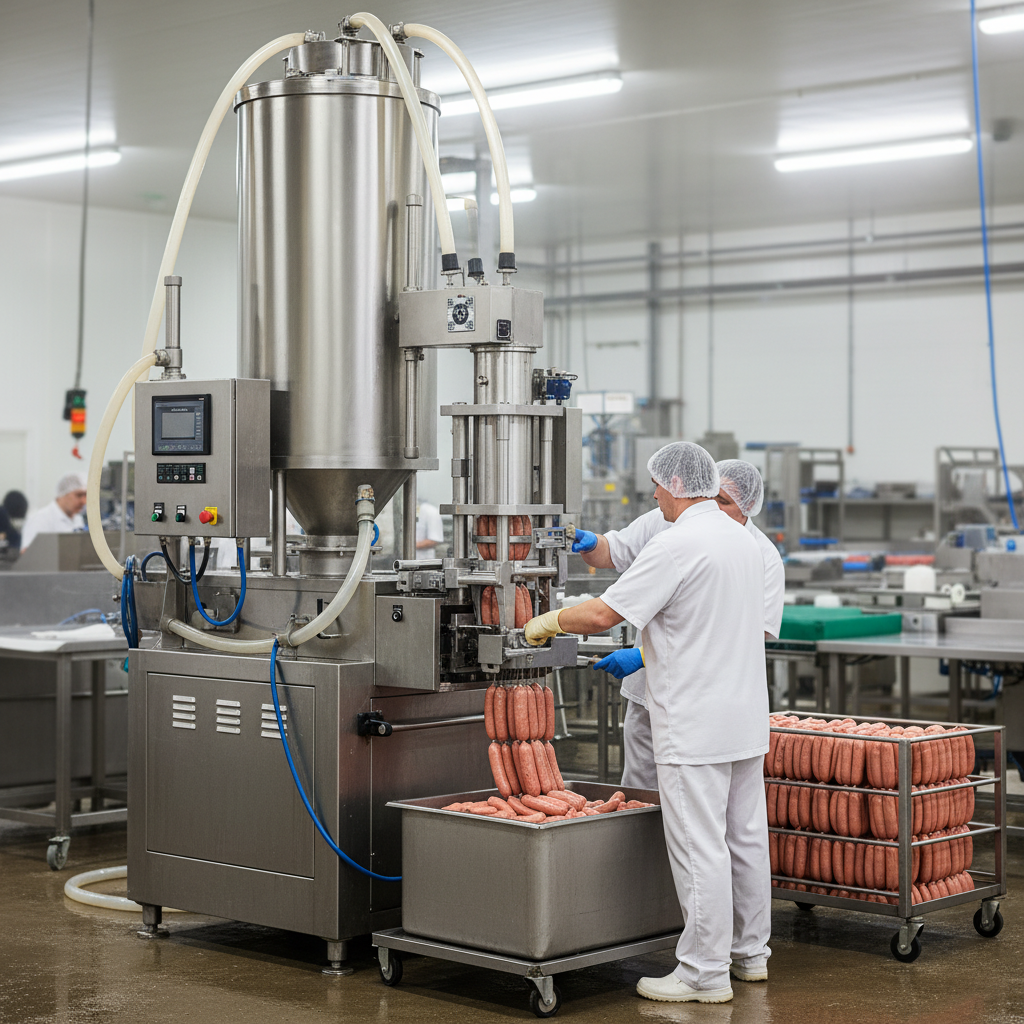
To be honest, the biggest push right now is labor. Finding good help is tough, and people don't want to do the same repetitive motion all day. A vacuum stuffer that minimizes manual handling and speeds up the process? That’s gold. I was talking to a sausage maker in Wisconsin last month, and he said he's having to pay guys overtime just to keep up with demand. He was seriously looking into automating more of his line, and a good vacuum stuffer was top of the list.
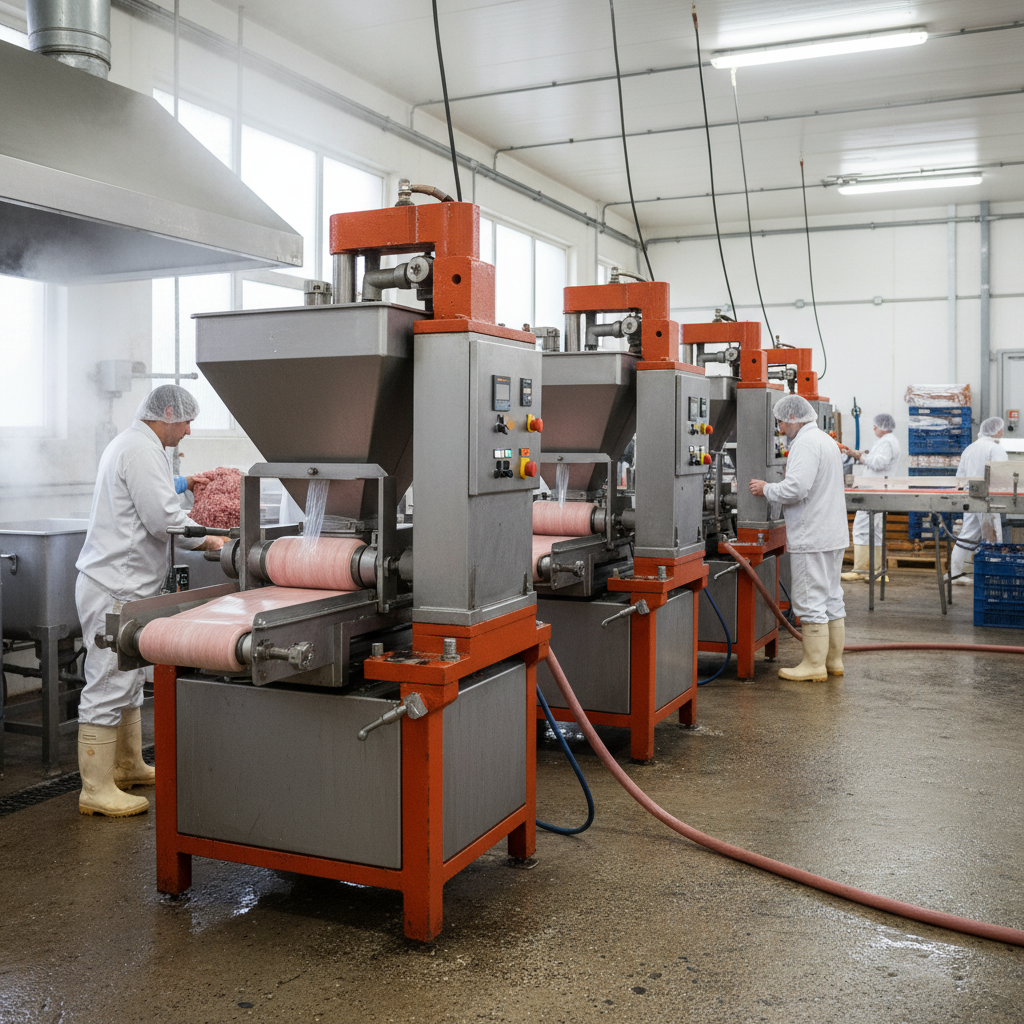
It’s not just sausage, either. Everything from pâtés and mousses to prepared meals… anything that needs consistent filling benefits. The demand for convenience foods isn't slowing down, and that means manufacturers need to scale up production without sacrificing quality.
Defining the Modern Vacuum Stuffer
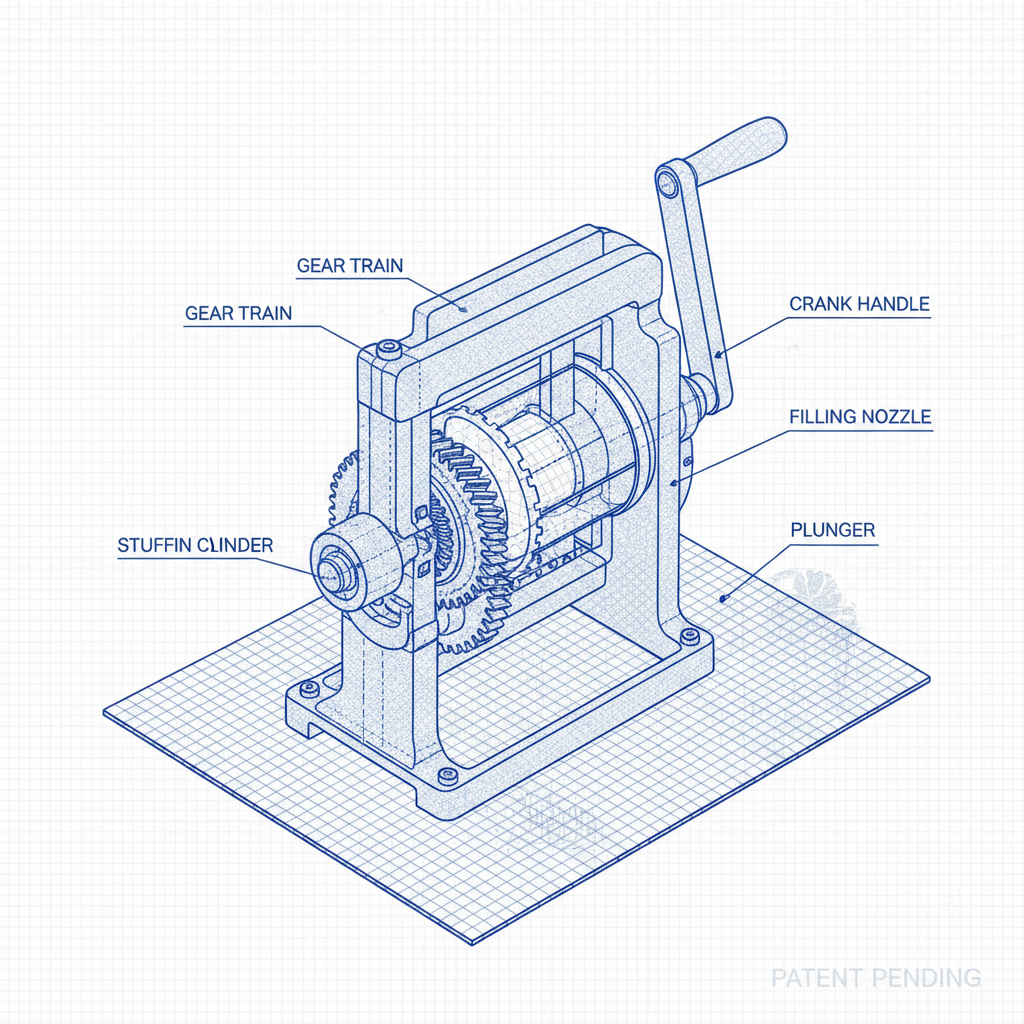
A vacuum stuffer, at its core, is pretty simple: it’s a machine that forces a food product into a casing, or fills containers, using vacuum pressure. But the modern ones… they're not your grandpa’s hand-cranked machines. We're talking about programmable logic controllers, variable speed drives, sanitary designs… the whole nine yards. It’s about controlling the fill weight, the consistency, and the air pockets.
What's weird is, a lot of folks still don't understand the importance of the vacuum itself. It’s not just about creating a tight seal; it’s about removing air, which prevents oxidation and extends shelf life. That’s huge. I encountered this at a jerky factory last time, they were using an older model and the jerky was discoloring way too fast.
It's about more than just filling things. It’s about preserving quality and extending shelf life. It's a critical piece of the puzzle in today’s food production.
Key Aspects of Robust Vacuum Stuffer Design
Durability is huge. These machines take a beating. They're running constantly, dealing with sticky, abrasive products. You need stainless steel, robust motors, and seals that can withstand repeated cleaning. Cheap materials just won't cut it. I’ve seen so many units break down after just a few months because someone skimped on the components.
Sanitary design is another big one. You’re dealing with food, so everything needs to be easy to clean and disinfect. No crevices where bacteria can hide. Food-grade materials are a must, obviously. It’s not just about meeting regulations; it’s about protecting consumers. And believe me, the inspectors are getting tougher.
Precision control is where things get really interesting. Variable speed drives, programmable fill weights, automatic purging… the ability to dial in exactly what you need. This is especially important for smaller batches and specialty products. You can't just guess and hope for the best.
Global Applications Across the Food Industry
It’s everywhere, really. Sausage making is the obvious one, but think about pâtés, terrines, mousses, even some types of processed meats. You see them in larger-scale snack food production, filling things like cheese-filled pretzels or fruit-filled pastries. And strangely, they’re popping up in some non-food applications too, like filling cosmetic tubes.
In Europe, there’s a big emphasis on traditional methods, so you see a lot of smaller, artisanal vacuum stuffers. In the US, it’s more about volume and efficiency, so the larger, automated models are more common. Asia is a mixed bag, with a growing demand for both high-volume and specialty applications.
I was talking to a guy setting up a new plant in Mexico, and he was telling me about the challenges of finding a stuffer that could handle both the traditional chorizo recipes and the more modern, American-style hot dogs they were planning to produce. It’s that flexibility that’s becoming increasingly important.
Vacuum Stuffer Performance by Application
Advantages and Long-Term Value Proposition
The biggest advantage is, without a doubt, consistency. A good vacuum stuffer delivers the same fill weight and quality every time. That reduces waste, improves product uniformity, and ultimately boosts customer satisfaction. Plus, it saves labor costs, which, let’s face it, is a huge win these days.
But they’re not perfect. The initial investment can be significant, and you need trained personnel to operate and maintain them. And honestly, cleaning them can be a pain. But the long-term benefits—reduced waste, increased efficiency, improved quality—far outweigh the drawbacks, in my experience.
Future Trends and Innovations in Vacuum Stuffing
I think we’re going to see a lot more integration with data analytics. Machines that can track fill weights, identify anomalies, and even predict maintenance needs. That’s going to be huge. And more flexible designs. The ability to quickly change over between different products and casing sizes.
Robotics is another area to watch. Automated casing loading, product monitoring, and cleaning… that’s all coming. It’s going to reduce labor costs even further and improve sanitation. Anyway, I think we’ll also see a shift towards more sustainable materials and designs.
Common Challenges and Innovative Solutions
One of the biggest headaches I see is dealing with different product viscosities. Some products are thin and watery, others are thick and sticky. Getting a consistent fill with both can be tricky. That’s where adjustable vacuum settings and specialized filling nozzles come in.
Another challenge is air pockets. Nobody wants a sausage with a big hole in the middle. Proper vacuum control and, sometimes, a gentle vibration system can help eliminate those. The whole thing seems simple, but there are so many little things that can go wrong.
Last month, that small boss in Shenzhen who makes smart home devices insisted on changing the interface to , and the result was… well, let's just say it took a week to figure out the power supply compatibility issues. It’s the same with vacuum stuffers: sometimes sticking with what works is the best approach.
Common Vacuum Stuffer Issues and Solutions
| Issue |
Root Cause |
Severity (1-10) |
Potential Solution |
| Inconsistent Fill Weight |
Vacuum Fluctuations |
7 |
Calibrate Vacuum Pump |
| Air Pockets in Product |
Insufficient Vacuum |
8 |
Increase Vacuum Strength |
| Difficult Cleaning |
Poor Sanitary Design |
6 |
Implement Quick-Release Components |
| High Maintenance Costs |
Low-Quality Components |
9 |
Invest in Durable Materials |
| Casing Tears |
Incorrect Nozzle Size |
5 |
Adjust Nozzle Diameter |
| Slow Production Speed |
Insufficient Motor Power |
7 |
Upgrade to Higher Capacity Motor |
FAQS
For high-volume production, you need a machine built for continuous operation. Think about stainless steel construction, a powerful vacuum pump, and automated features like casing loading and linking. Look for models with variable speed controls to adjust output and ensure consistent fill weights. Don't skimp on the motor - it’s the heart of the machine. And always, always check the maintenance schedule. A well-maintained machine will save you money in the long run.
That depends on usage, but as a general rule of thumb, plan to replace the seals at least once a year, sometimes more often if you're running abrasive products. Worn seals lead to vacuum leaks, which affect fill weight and product quality. I usually tell folks to inspect the seals every month and replace them proactively rather than waiting for them to fail. It's a cheap fix that can prevent bigger problems.
Disassembly is key. You need to be able to take the machine apart completely to get to all the nooks and crannies where bacteria can hide. Use food-grade detergents and sanitizers, and follow a strict cleaning schedule. Make sure you have a dedicated cleaning area and that your staff is properly trained. Document everything – it's important for audits.
Absolutely! They're versatile machines. You can use them for filling pastries, cosmetics, even some types of adhesives. The key is to choose the right materials and nozzles for the product you're working with. And you might need to adjust the vacuum settings to prevent damage to more delicate products. It's about understanding the product's properties.
A continuous stuffer runs non-stop, filling casing or containers as they move along a conveyor. It’s ideal for high-volume production. A portion control stuffer, on the other hand, fills pre-determined amounts, making it perfect for smaller batches and products where precise weight is critical. Often, folks will have both, depending on their production needs.
Emergency stop buttons are essential, of course. But also look for features like safety guards to prevent accidental contact with moving parts, and pressure relief valves to protect against over-pressurization. Proper electrical grounding is also crucial. You don't want to take chances when it comes to worker safety. It’s always better to be safe than sorry.
Conclusion
So, ultimately, a good vacuum stuffer isn’t just about moving product from point A to point B. It's about efficiency, consistency, hygiene, and protecting your bottom line. It’s a critical component in any modern food processing operation, and the right machine can make a huge difference.
Look, there's a lot of fancy technology out there, but at the end of the day, it all comes down to practical application. Whether this thing works or not, the worker will know the moment he tightens the screw. And if he’s cursing under his breath, you know you’ve got a problem.