Honestly, the sausage production line business is heating up. Everyone's talking about fully automated systems, you know? Not just the machines, but the whole flow – from raw material intake to packaging. It's a push for efficiency, obviously. But, I'll tell you what, chasing 100% automation… it's often more trouble than it's worth. Especially when you start dealing with different kinds of meat, different casings.
I’ve seen so many projects overbudget because they tried to automate something that really needed a human touch. You think a robot can tell the difference between a perfectly textured pork belly and one that’s just…off? Not yet, anyway. And don’t even get me started on the cleaning. You need serious sanitization protocols, and the robots, they just don’t have the same understanding of what "clean" really means in a food environment.
The pressure's on to reduce labor costs, though. That's the real driver. And frankly, it's a good thing. Because finding good butchers is becoming a lost art.
The Current Landscape of Sausage Production Lines
Have you noticed how everything is going digital? It's the same with sausage making. We’re seeing a huge influx of sensor technology, trying to monitor everything – temperature, humidity, meat pH levels… It's good, it is. But it also creates a data overload. Clients get so focused on the numbers they forget to actually taste the sausage.
The big players, the Tyson’s and the Smithfield’s of the world, they're investing heavily in large-scale, continuous flow lines. But the smaller, artisanal producers, they’re looking for more flexible systems. Something they can adapt to different recipes and batch sizes. That's where things get interesting – and where we come in.
Defining the Modern Sausage Production Line
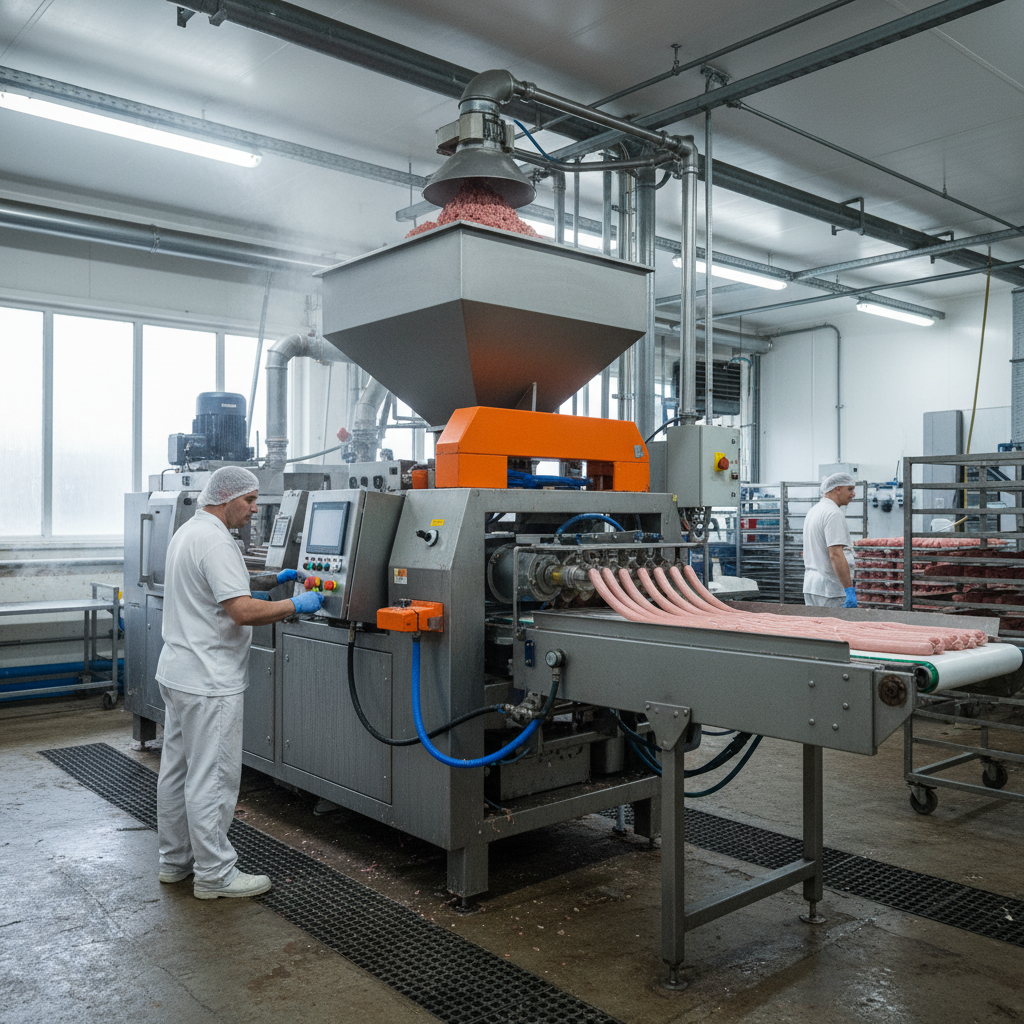
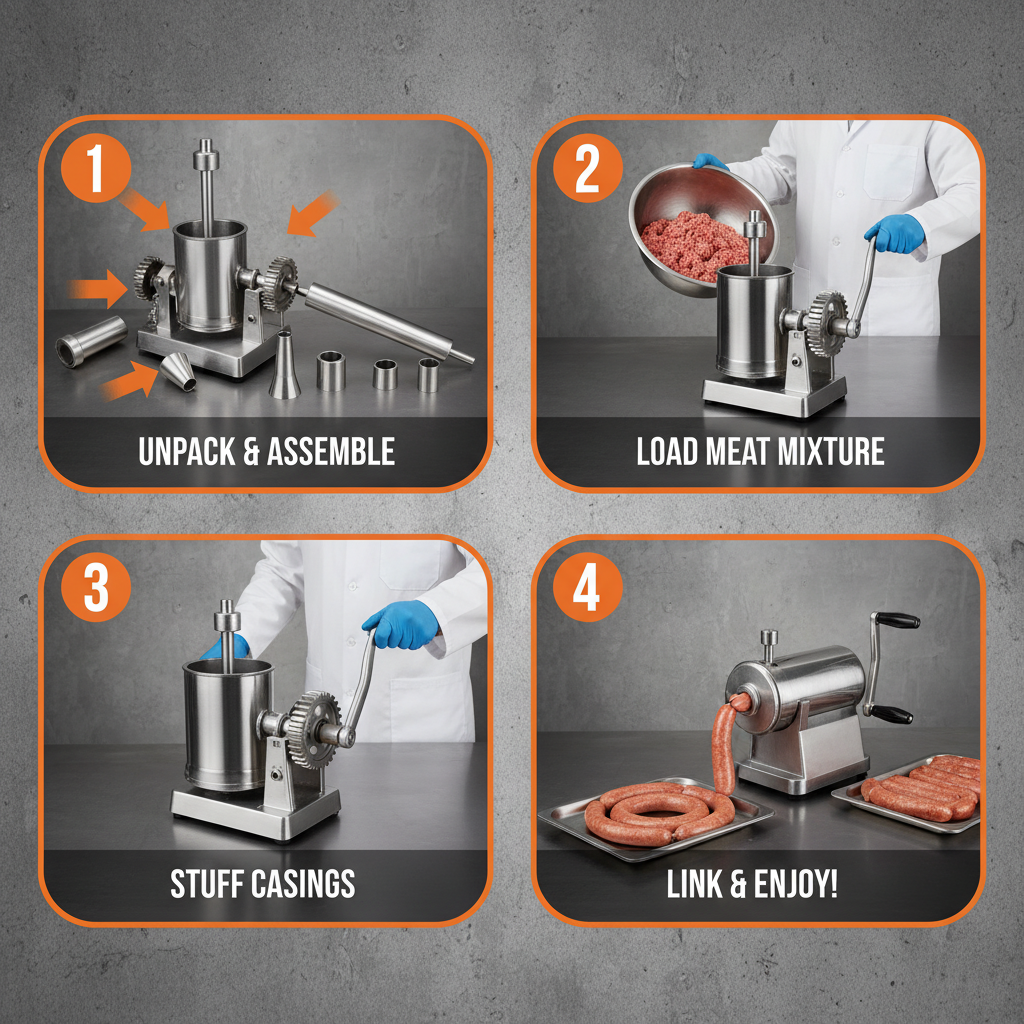
Basically, a sausage production line takes raw meat, grinds it, mixes it with spices and seasonings, stuffs it into casings, links it, and then cooks, cools, and packages it. Seems simple enough, right? It’s anything but. Each step has a hundred different variables. The grind size, the mixing speed, the type of casing – it all impacts the final product.
It’s a lot more sophisticated than what your grandpa did in the kitchen. Now, we’re talking about precise temperature control, automated weighing systems, and integrated quality control checks. It’s about consistency and food safety, of course. But also, about maximizing output while minimizing waste.
And let's not forget traceability. Customers want to know where their meat came from, how it was processed, and when it was made. That requires a sophisticated tracking system, and that's becoming standard.
Key Components and Considerations
Durability is huge. You’re dealing with corrosive materials – salt, acids, animal fats. The machines need to be built to withstand constant cleaning and sanitation. I encountered this at a factory in Poland last time; they'd skimped on the stainless steel grade, and everything was rusting within six months. A complete disaster.
Scalability is key, too. A customer might start with a small line for a niche product, but then suddenly get a big order and need to ramp up production. The line needs to be easily expandable – adding more grinders, mixers, or packaging machines. Strangely, some companies forget to plan for growth. They just think about today’s needs.
Cost efficiency, obviously. But it's not just about the initial investment. It’s about maintenance costs, energy consumption, and labor requirements. A cheaper machine might save you money upfront, but could end up costing you more in the long run. And hygiene, don't forget the hygiene! Everything has to be easy to clean and sanitize. That's non-negotiable.
Global Applications and Industry Impact
You see sausage production lines everywhere – from huge industrial plants in the US and Europe, to smaller-scale operations in Asia and South America. The specifics vary depending on the local tastes and regulations, of course. In Germany, it's all about traditional recipes and natural casings. In Brazil, it's more about volume and cost.
We've even done projects for mobile sausage production units – for use in remote areas or at festivals. Those are challenging, you know? Fitting a whole production line into a trailer…it requires some creative engineering. And you need to consider power supply and water access.
Anyway, I think the biggest impact is on food security. Efficient sausage production means more affordable protein for more people.
Sausage Production Line Efficiency by Method
Advantages and Long-Term Value Proposition
The biggest advantage, without a doubt, is increased production capacity. You can make a lot more sausage, a lot faster. But it’s not just about volume. It’s about consistency. A well-designed line ensures that every sausage is the same size, shape, and weight. That’s important for packaging and for customer satisfaction.
Long-term, it’s about building a brand reputation for quality and reliability. And honestly, it provides a safer work environment. Less manual handling means fewer injuries.
Future Trends and Innovations
I think we’re going to see more and more integration of AI and machine learning. Not to replace humans entirely, but to optimize processes and predict potential problems. Imagine a system that can analyze data and adjust the grind size or mixing speed in real-time to maintain consistent quality.
Also, expect to see a greater emphasis on sustainability – reducing water usage, minimizing waste, and using eco-friendly packaging materials. The pressure from consumers is only going to increase.
Common Challenges and Practical Solutions
One of the biggest challenges is dealing with variations in raw material quality. Meat isn't always consistent. The fat content, the water content, the pH…it all varies. That can throw off the entire process. The solution? More sophisticated sensors and control systems that can adjust to these variations.
Another challenge is sanitation. It’s tough to keep everything clean, especially in a high-volume production environment. We’ve been recommending more frequent cleaning cycles and the use of antimicrobial coatings. It’s expensive, but it’s worth it.
Last month, that small boss in Shenzhen who makes smart home devices insisted on changing the interface to , and the result was a complete nightmare for his production line integration. He hadn't thought about the implications for the existing equipment. A classic case of chasing the latest trend without considering the practicalities.
Summary of Common Sausage Production Line Challenges and Solutions
| Challenge |
Impact on Production |
Proposed Solution |
Implementation Cost (Estimate) |
| Raw Material Inconsistency |
Fluctuating product quality, increased waste |
Advanced sensor integration, automated adjustments |
$5,000 - $15,000 |
| Sanitation & Hygiene |
Food safety risks, potential recalls |
Increased cleaning frequency, antimicrobial coatings |
$2,000 - $8,000 (annual) |
| Equipment Maintenance |
Downtime, reduced production capacity |
Preventative maintenance schedules, spare parts inventory |
$1,000 - $5,000 (annual) |
| Labor Shortages |
Reduced production, increased costs |
Increased automation, skill development programs |
$10,000 - $50,000+ |
| Integration with Existing Systems |
Data silos, inefficient workflows |
API integration, data standardization |
$3,000 - $10,000 |
| Regulatory Compliance |
Fines, production halts |
Thorough documentation, regular audits |
$1,000 - $3,000 (annual) |
FAQS
Updating an old line is tough because everything’s likely built around the old equipment. Retrofitting new tech can be expensive and disruptive. You often run into compatibility issues and the need for significant structural modifications. It's rarely a simple swap. Plus, you've got to minimize downtime during the upgrade, which adds another layer of complexity. It’s usually cheaper – and easier – to start fresh if the existing line is really outdated.
It varies massively. A small, basic line might take a few weeks. A large, fully automated line could take six months or more. A lot depends on the complexity of the system, the site preparation required, and whether there are any unexpected delays with permits or inspections. We always pad our timelines, because things always come up.
Operators need training on everything from basic machine operation to troubleshooting and preventative maintenance. The more automated the line, the more technical the training needs to be. We provide comprehensive training packages, but it’s up to the customer to ensure that their staff are fully competent. Safety training is also critical, naturally.
That's a tricky one. It depends on a lot of factors – production volume, labor costs, energy prices, and the cost of the line itself. But generally, you can expect to see a full return on investment within three to five years. The biggest savings come from reduced labor costs, increased efficiency, and reduced waste.
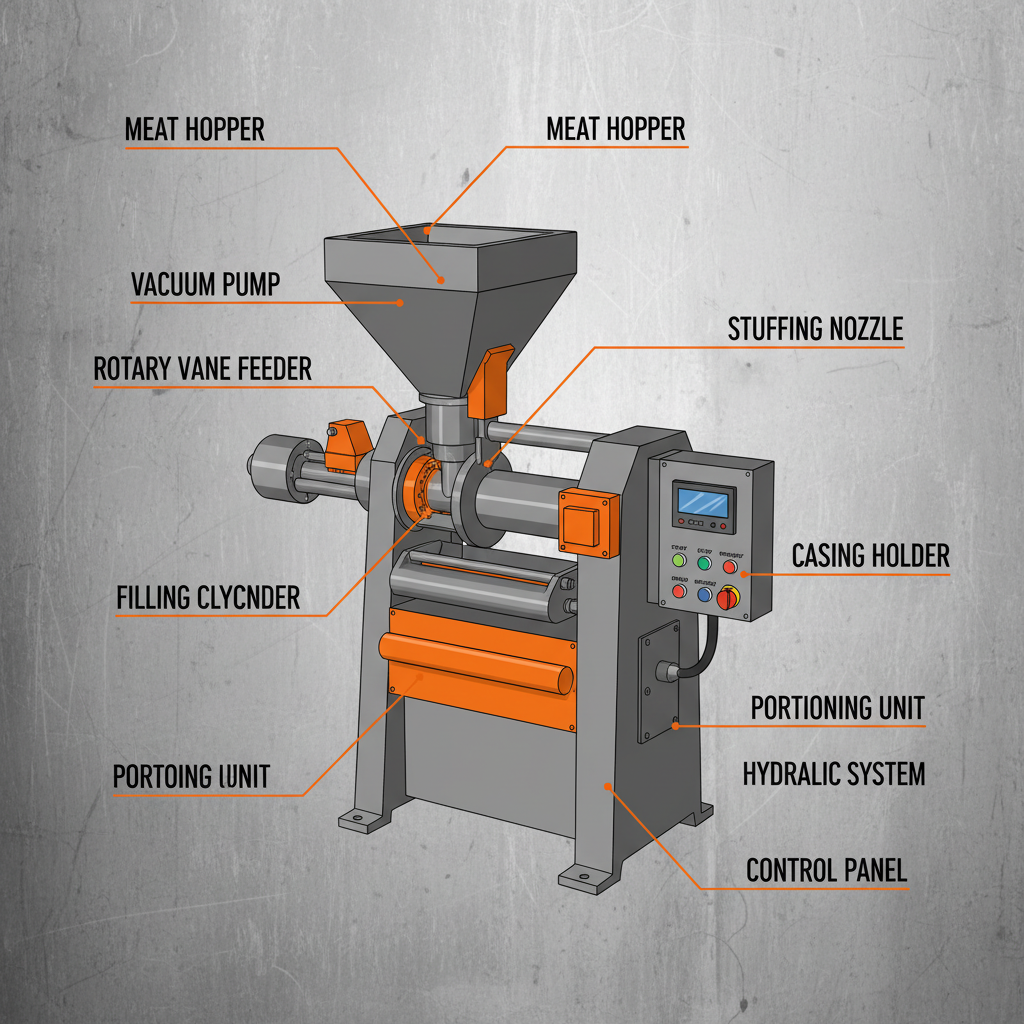
Absolutely. That's one of the key benefits of a modular design. You can swap out components – like the grinder attachments or the stuffing nozzles – to accommodate different sausage types. We recently had a client who wanted a line that could handle both fresh sausage and dry salami, so we designed a system with interchangeable parts. It's a little more expensive upfront, but it gives them a lot of flexibility.
Natural casings give you a superior snap and texture, which a lot of consumers prefer. But they’re more expensive, require more handling, and have a shorter shelf life. Synthetic casings are cheaper, more consistent, and easier to work with. The choice really depends on your target market and your product positioning. We’ve found that a lot of artisanal producers will stick with natural casings, while larger manufacturers tend to favor synthetic ones.
Conclusion
So, to wrap it up: sausage production lines have come a long way. It's not just about machines anymore; it’s about integrating technology, optimizing processes, and ensuring food safety. There are challenges, of course – dealing with raw material variations, managing maintenance, and keeping up with regulations. But the benefits – increased efficiency, improved consistency, and lower costs – are undeniable.
Ultimately, whether this thing works or not, the worker will know the moment he tightens the screw. Visit our website to see how we can help you build the perfect sausage production line: sausage production line.