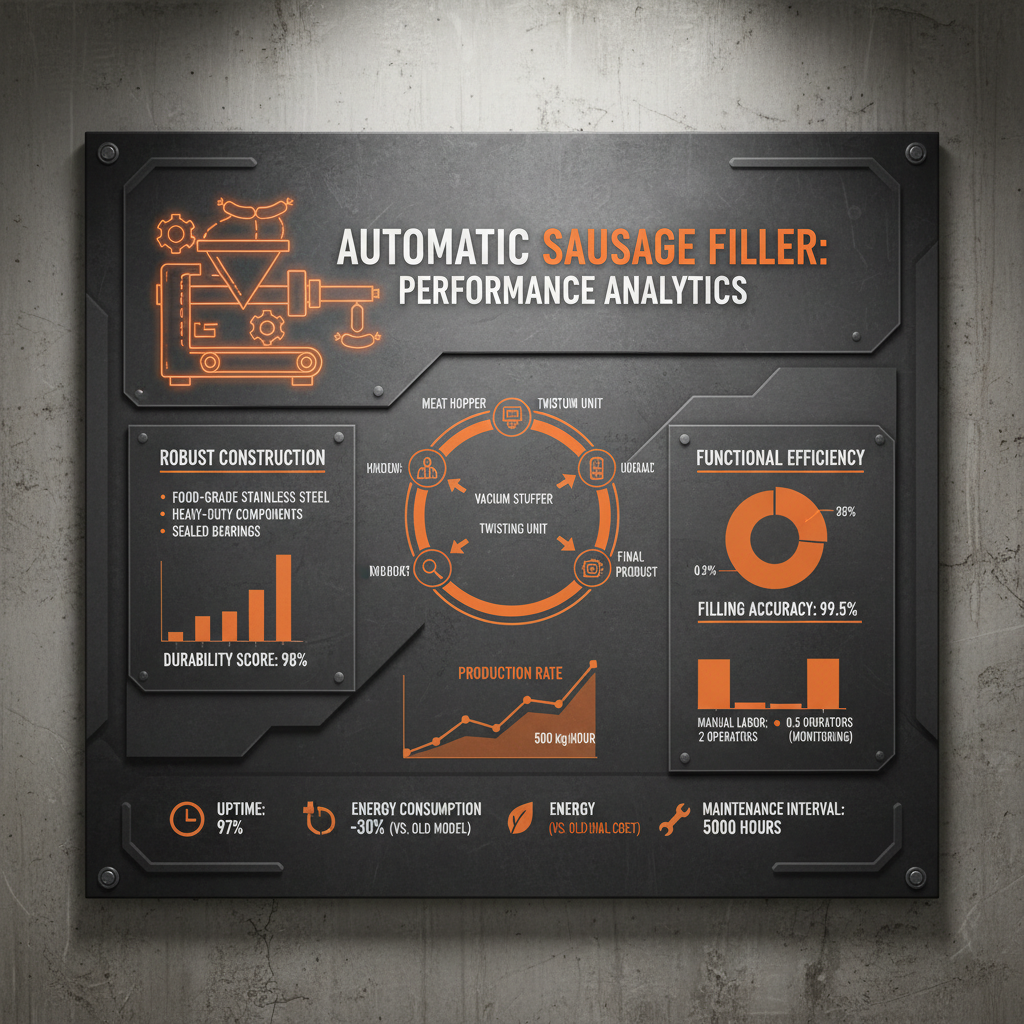
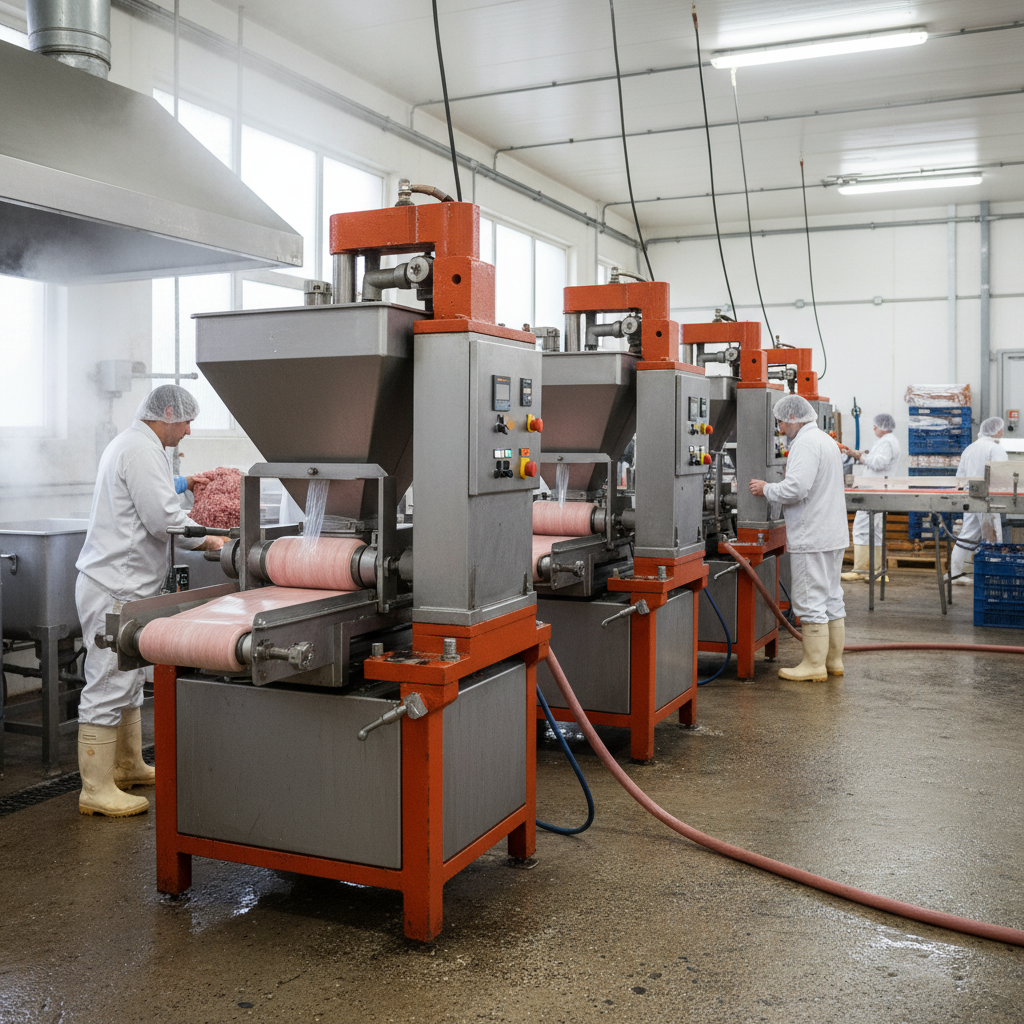
The global demand for processed meats, and specifically sausage, is steadily increasing, driven by changing lifestyles, urbanization, and a growing middle class in emerging economies. This fuels the need for efficient and reliable sausage processing lines that can meet production demands while adhering to stringent food safety standards. Understanding the intricacies of these lines – from raw material handling to packaging – is crucial for manufacturers, food scientists, and regulators alike. A well-designed and operated sausage processing line ensures product quality, minimizes waste, and maximizes profitability.
The sausage processing industry faces increasing pressure to enhance efficiency, reduce environmental impact, and ensure food safety. Modern sausage processing lines are evolving rapidly, incorporating advanced technologies like automation, data analytics, and hygienic design principles. These advancements are not merely about increasing throughput; they are about building resilient supply chains and delivering safe, high-quality products to consumers worldwide.
Ultimately, a deep understanding of the components and best practices in sausage processing is essential for remaining competitive in today's dynamic food market. Investing in the right equipment, training personnel, and implementing robust quality control systems are key to success. The benefits extend beyond the producer, impacting food security and consumer trust on a global scale.
The Fundamentals of sausage processing line
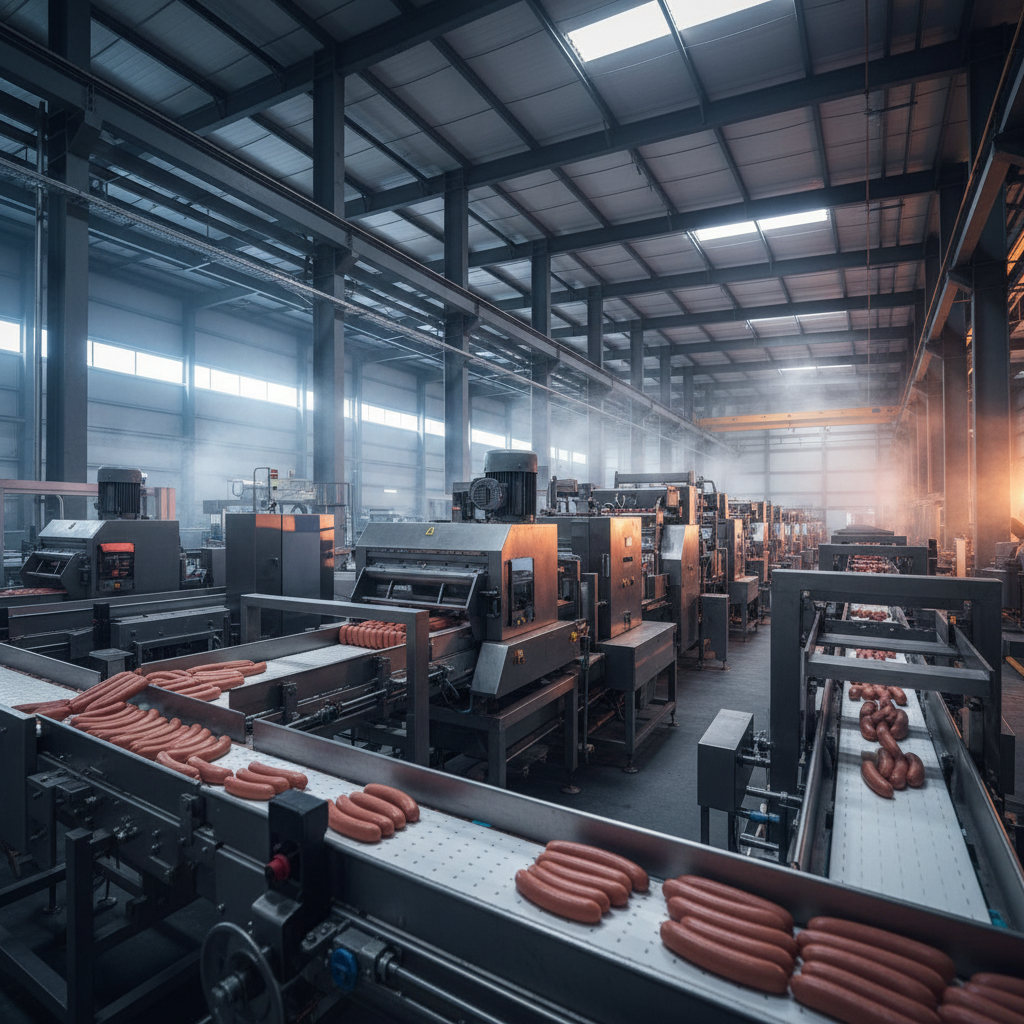
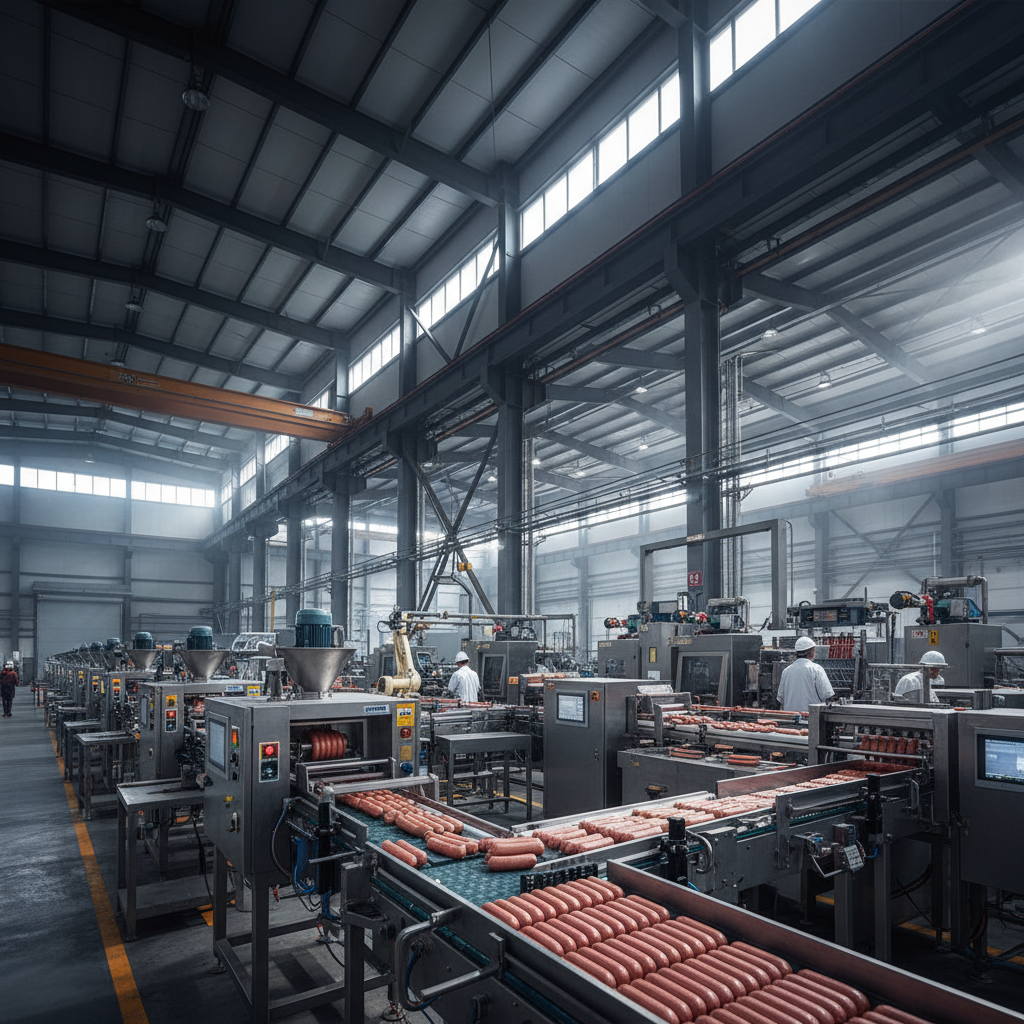
A sausage processing line encompasses all the stages involved in transforming raw meat and other ingredients into finished sausage products. This includes receiving and storing raw materials, grinding and mixing, emulsifying, filling into casings, linking, thermal processing (cooking or smoking), cooling, peeling, and packaging. Each stage requires specialized equipment and precise control to ensure consistent product quality and safety.
The efficiency of a sausage processing line directly impacts the cost of production and the ability to meet market demand. Modern lines are designed to minimize manual handling, reduce waste, and maintain strict hygiene standards, ultimately leading to a higher return on investment. Understanding the interaction of each component is paramount for optimizing performance.
Defining a sausage processing line
A sausage processing line is a comprehensive system designed for the continuous production of various sausage types. It’s more than just a collection of individual machines; it’s an integrated process that combines mechanical, thermal, and microbiological controls to ensure a safe and consistent final product. This line caters to diverse sausage styles – fresh, cooked, smoked, fermented – each with unique processing requirements.
The core purpose of a sausage processing line is to efficiently convert raw ingredients into a consumer-ready product, adhering to food safety regulations and customer preferences. It’s a vital component of the food supply chain, playing a crucial role in providing affordable and accessible protein sources.
In essence, the sausage processing line is the engine that powers the modern sausage industry, enabling large-scale production while maintaining the quality and flavor that consumers expect.
Core Components and Their Significance
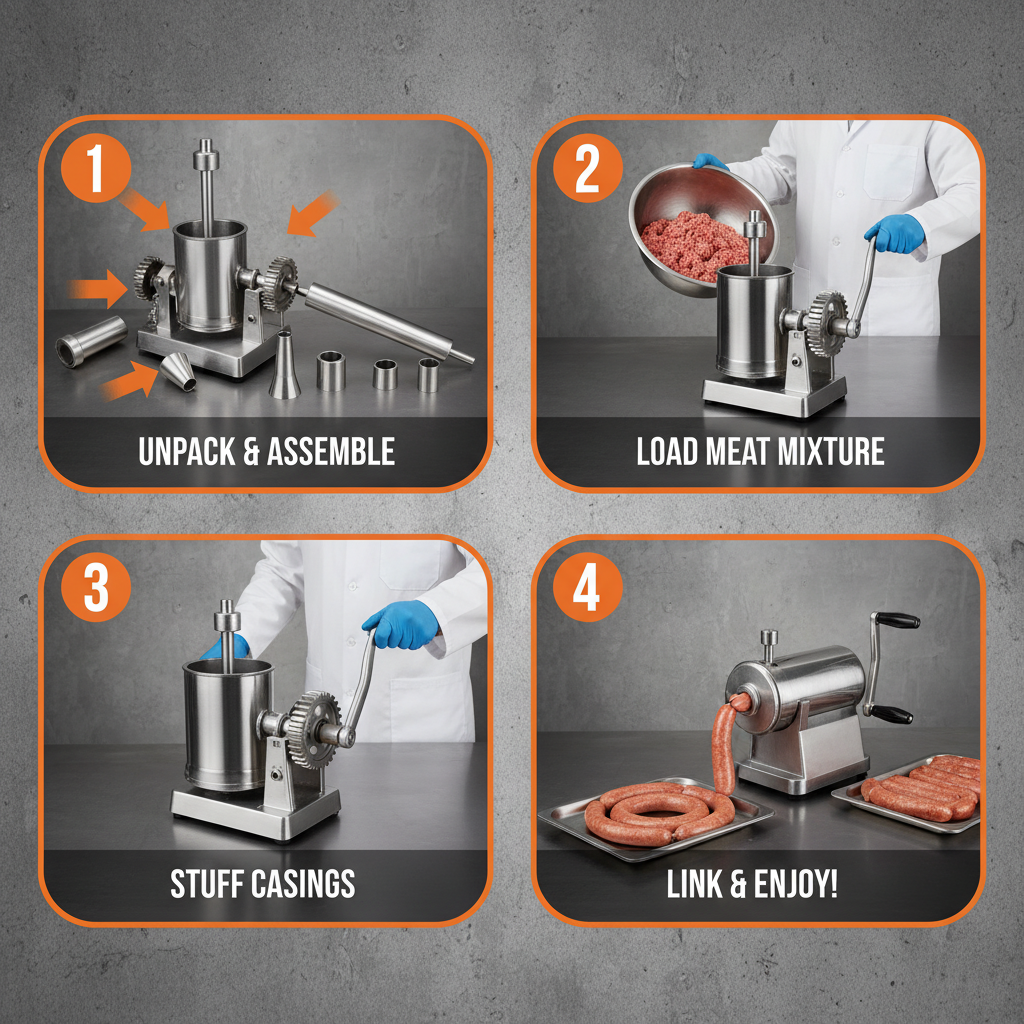
The success of any sausage processing line relies on the seamless integration of its key components. These include the grinders, which reduce raw meat to the desired consistency; the mixers, ensuring homogenous blending of ingredients; the emulsifiers, creating stable sausage batters; and the filling machines, accurately portioning the mixture into casings.
Further crucial elements are the thermal processing units—smokehouses, cookers, and chillers—that apply heat for preservation and flavor development. Alongside these are the packaging machines, designed to ensure product freshness and extend shelf life. Each component must be meticulously maintained and calibrated to guarantee consistent output and adherence to quality standards.
Beyond the physical machinery, control systems play a critical role. These systems monitor temperature, pressure, and flow rates, providing real-time data and allowing for adjustments to optimize the process. Data logging and traceability features are increasingly important for food safety and compliance.
Key Factors Influencing sausage processing line Performance
Several key factors significantly influence the efficiency and effectiveness of a sausage processing line. These include the quality of raw materials, the precision of equipment calibration, the skill of operating personnel, and the effectiveness of sanitation procedures. Consistent raw material quality is paramount for predictable results.
Another critical aspect is the hygienic design of the line. Equipment should be easy to clean and sanitize, minimizing the risk of bacterial contamination. Regular maintenance and preventative maintenance programs are essential for preventing breakdowns and ensuring long-term reliability.
Performance Metrics for Different sausage processing line Methods
Global Applications and Industry Examples
Sausage processing lines are utilized globally by a wide range of manufacturers, from small-scale artisanal producers to large multinational corporations. In Germany, renowned for its sausage-making traditions, these lines are meticulously designed to maintain authentic flavor profiles while achieving high production volumes.
In North America, efficiency and automation are key drivers, with lines often incorporating robotic systems for packaging and palletizing. In Brazil, a major exporter of processed meats, lines are tailored to handle large quantities of raw materials and meet international food safety standards.
Advantages and Long-Term Value Proposition
Investing in a high-quality sausage processing line offers numerous advantages, including reduced labor costs, increased production capacity, improved product consistency, and enhanced food safety. Automation minimizes manual handling, reducing the risk of contamination and improving hygiene.
Furthermore, efficient lines minimize waste, reducing material costs and environmental impact. The long-term value lies in the ability to consistently deliver high-quality products, build brand reputation, and maintain a competitive edge in the marketplace. The enhanced food safety also builds consumer trust.
The reliability of the equipment translates to reduced downtime and maximized profitability, making it a strategic investment for any sausage producer.
Future Trends and Innovations in sausage processing line
The future of sausage processing lines is centered around digitalization, automation, and sustainability. The integration of IoT sensors and data analytics will enable real-time monitoring of critical process parameters, predictive maintenance, and optimized resource utilization.
Advanced robotics and artificial intelligence will further automate tasks, improving efficiency and reducing labor costs. Sustainable practices, such as water recycling and energy-efficient equipment, are becoming increasingly important.
Expect to see more lines incorporating blockchain technology for enhanced traceability and transparency, enabling consumers to verify the origin and quality of their sausage products.
Summary of Key Performance Indicators for sausage processing line Optimization
| Process Stage |
KPI Metric |
Target Value |
Improvement Strategy |
| Grinding |
Particle Size Consistency |
95% within specified range |
Regular plate maintenance & calibration |
| Mixing |
Ingredient Homogeneity |
Visual inspection – no visible separation |
Optimize mixing time & blade speed |
| Emulsifying |
Emulsion Stability |
Minimum 30 minutes without separation |
Control temperature and vacuum levels |
| Filling |
Fill Weight Accuracy |
+/- 2% of target weight |
Calibrate filling heads and optimize pressure |
| Thermal Processing |
Core Temperature Reach |
Consistent achievement of required temperature |
Monitor and adjust cooking time and temperature |
| Packaging |
Seal Integrity |
100% leak-free seals |
Regularly inspect and maintain sealing equipment |
FAQS
The ROI varies depending on factors like production volume, labor costs, and product mix. However, most companies experience a payback period of 3-5 years due to reduced labor, increased efficiency, and minimized product waste. Automation offers significant long-term cost savings and improves overall profitability in a sausage processing line.
Compliance requires a multi-faceted approach. Prioritize hygienic design of equipment, implement robust sanitation procedures, establish critical control points (CCPs) based on HACCP principles, and maintain thorough documentation. Regular audits and employee training are essential for maintaining food safety standards in your sausage processing line.
Significant customization is possible. Lines can be tailored to accommodate specific sausage types, production volumes, and facility layouts. Options include varying grinder capacities, mixer sizes, casing types, and packaging configurations. A skilled supplier can design a sausage processing line that precisely meets your unique requirements.
Regular maintenance is crucial for long-term reliability. This includes daily cleaning and sanitation, weekly lubrication of moving parts, and annual inspections of critical components. Implementing a preventative maintenance schedule and stocking spare parts can minimize downtime and extend the lifespan of your sausage processing line.
Look for a supplier with a proven track record, a wide range of equipment options, strong technical support, and a commitment to customer service. Consider their experience in your specific sausage type and production volume. Request references and visit existing installations to assess their quality and reliability when selecting a sausage processing line provider.
Automation is pivotal for optimizing sausage production by minimizing manual labor, increasing throughput, and enhancing consistency. Automated systems can handle tasks such as grinding, mixing, filling, and packaging with greater precision and speed than manual processes. This results in reduced costs, improved product quality, and enhanced overall efficiency in your sausage processing line.
Conclusion
In conclusion, a modern sausage processing line represents a significant investment in efficiency, food safety, and long-term profitability. Understanding the core components, key factors influencing performance, and emerging trends is crucial for success in today’s competitive market. By embracing innovation and prioritizing quality control, manufacturers can optimize their operations and deliver superior products to consumers.
Looking ahead, the integration of digital technologies and sustainable practices will be essential for building resilient and future-proof sausage processing facilities. We encourage you to explore the latest advancements and partner with experienced suppliers to create a line that meets your specific needs and helps you achieve your business goals. Visit our website at www.bossinmachinery.com to learn more.