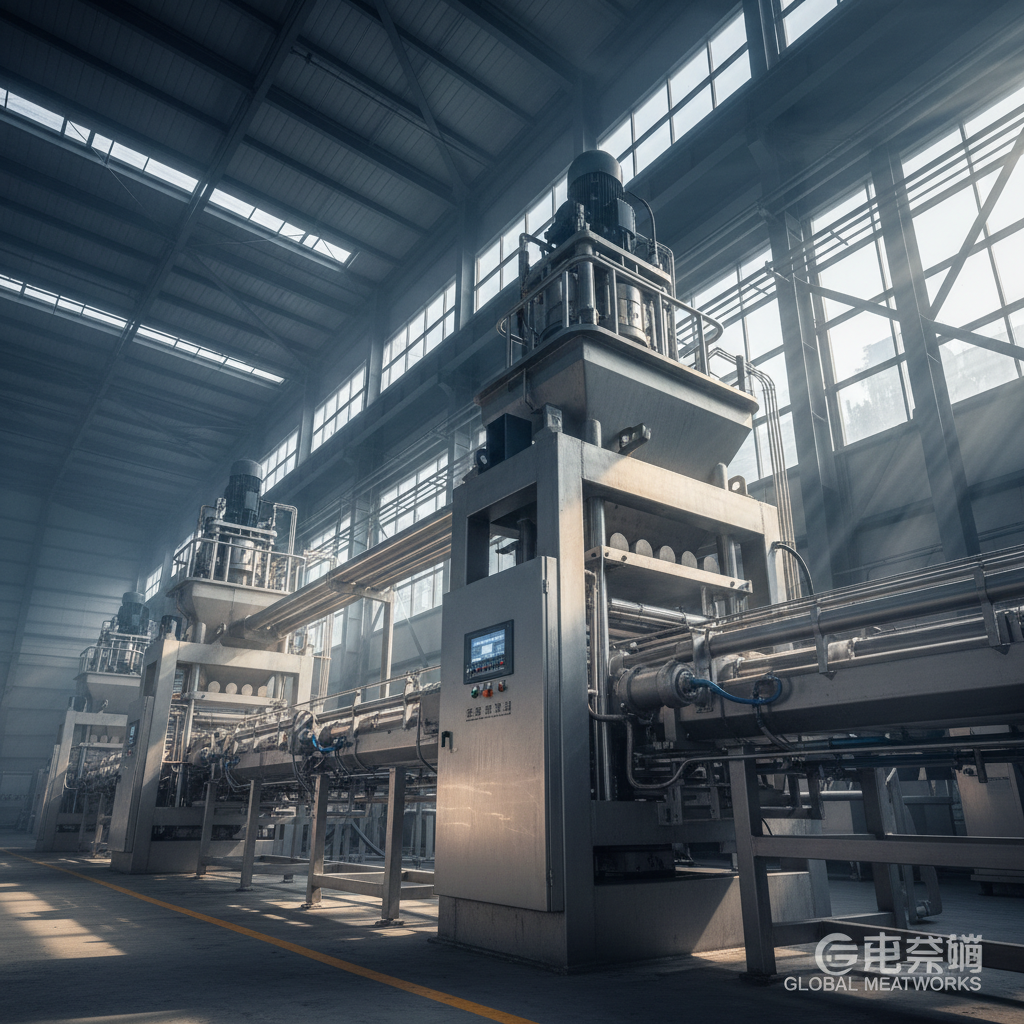
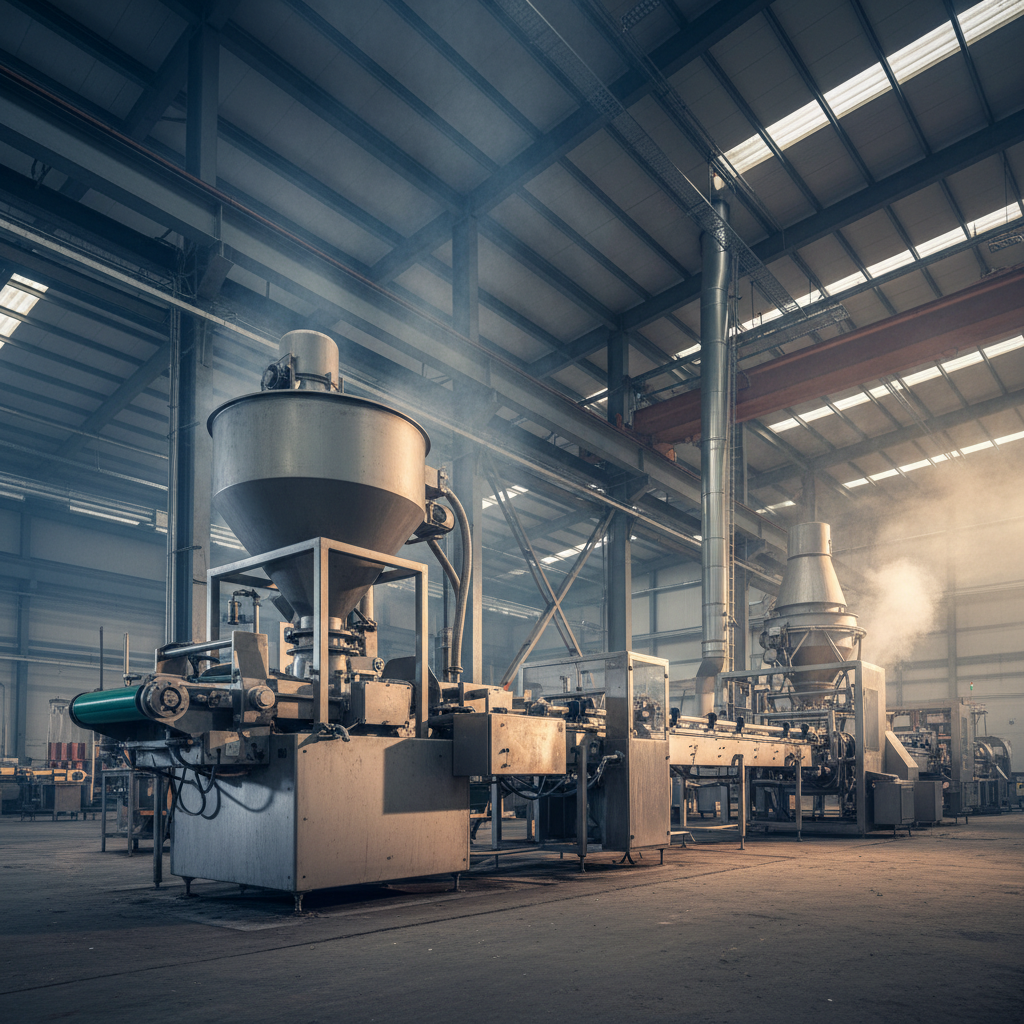
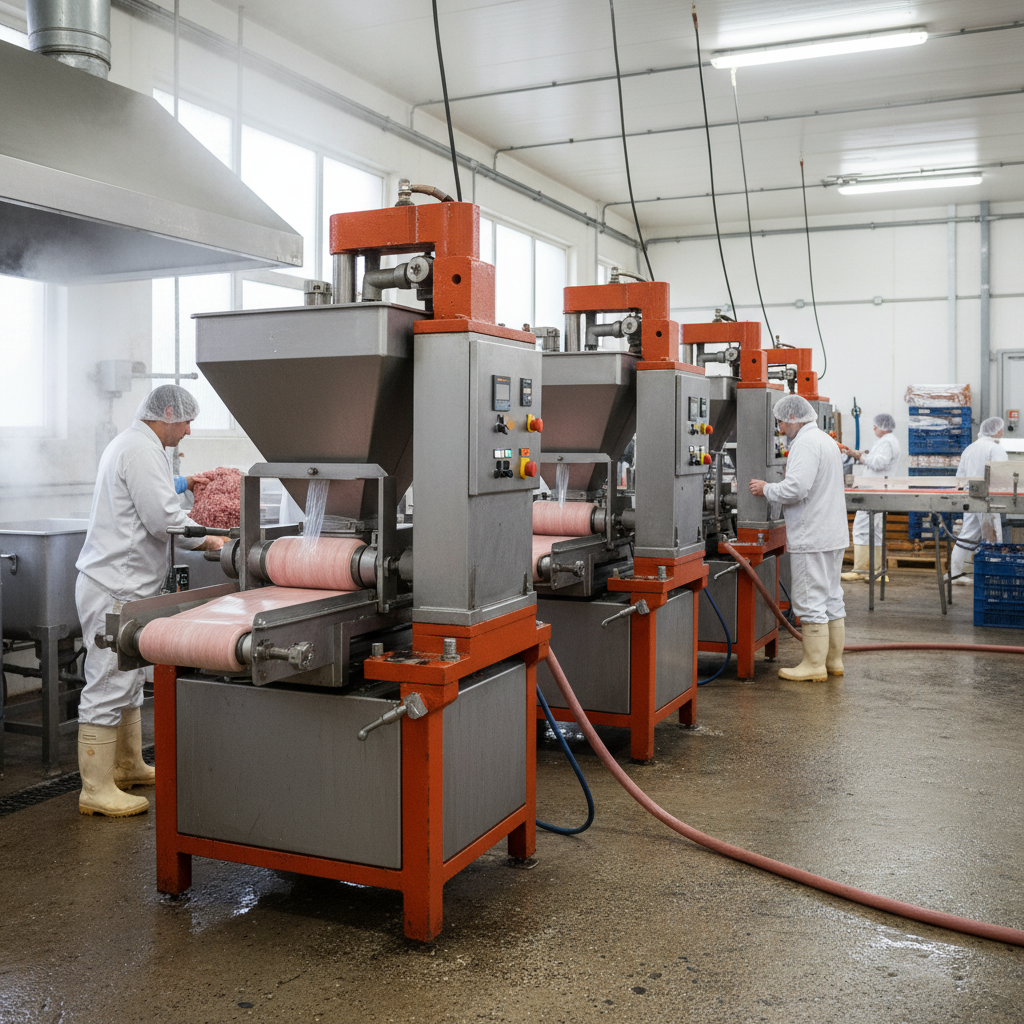
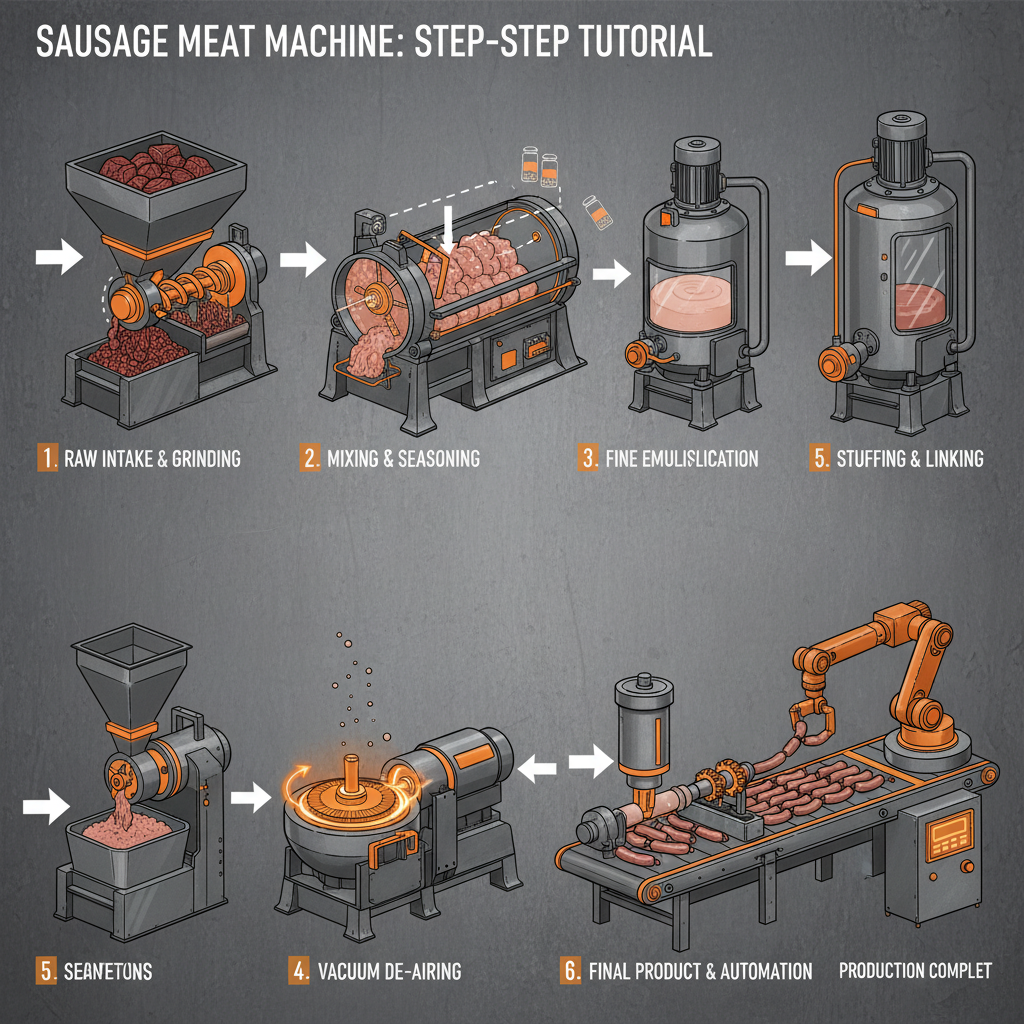
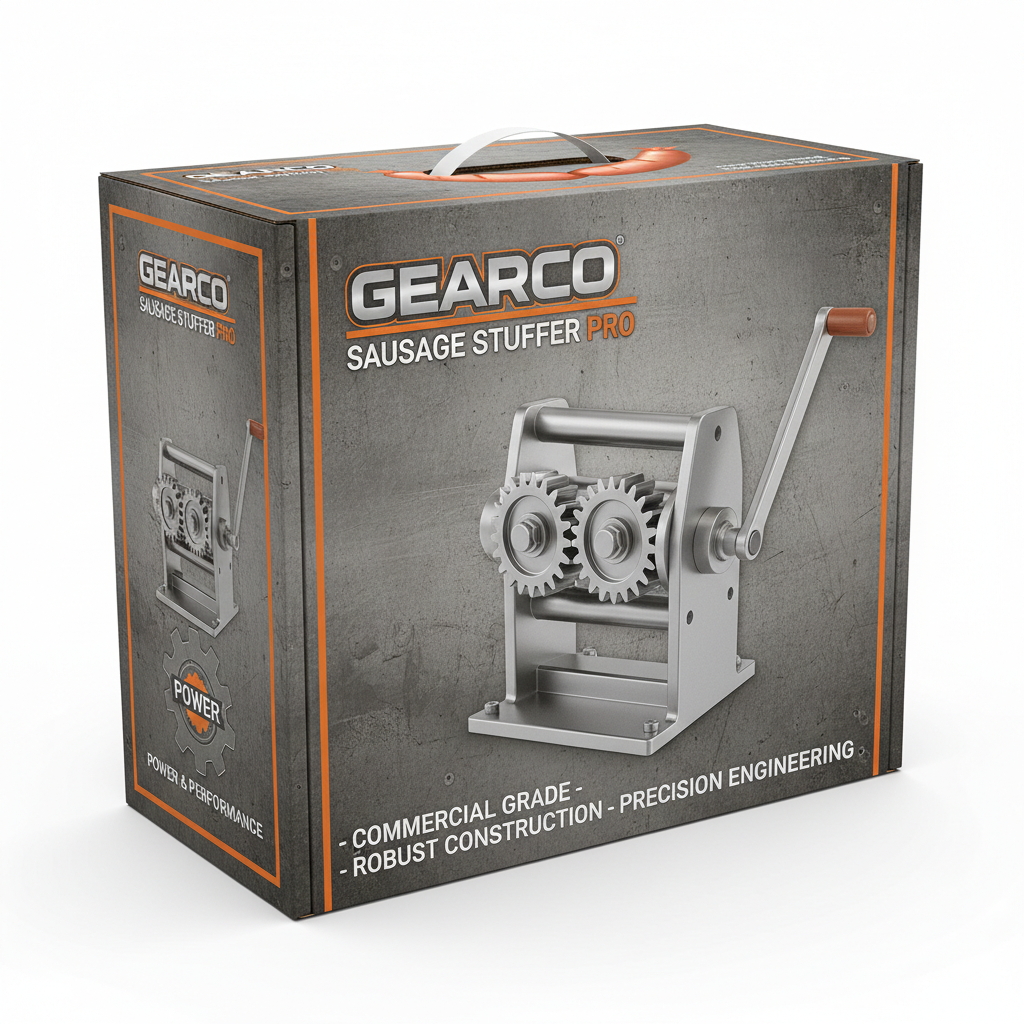
Sausage making equipment encompasses a broad range of machinery vital for the modern food processing industry. From small-scale artisanal operations to large-scale commercial production, efficient and reliable equipment is paramount for producing high-quality sausage products. Understanding the nuances of this equipment—its capabilities, maintenance requirements, and emerging technologies—is crucial for businesses aiming to meet growing consumer demand and maintain food safety standards. The global demand for processed meats, including sausage, continues to rise, making investment in optimized sausage making equipment a strategic imperative.
The global processed meat market is projected to reach significant growth in the coming years, driven by factors like urbanization, changing lifestyles, and increased disposable income, especially in emerging economies. According to the UN, global meat consumption is expected to rise steadily, creating a substantial demand for efficient sausage production. This demand places considerable pressure on manufacturers to enhance production capacity while adhering to stringent quality control regulations, a challenge directly addressed by advancements in sausage making equipment.
Furthermore, the need for food security and efficient resource utilization necessitates innovative solutions in food processing. Modern sausage making equipment focuses not only on maximizing yield and minimizing waste but also on reducing energy consumption and ensuring hygienic operation. This aligns with global sustainability goals and allows businesses to demonstrate corporate social responsibility, making investment in cutting-edge equipment a key aspect of long-term viability in the industry.
The Global Landscape of sausage making equipment
The global sausage making equipment market is diverse, catering to a wide spectrum of production scales, from small butcher shops to massive industrial facilities. Key regions driving demand include Europe (with its long-standing sausage traditions), North America (characterized by large-scale production), and Asia-Pacific (experiencing rapid growth in processed meat consumption). Sausage making equipment manufacturers are increasingly focusing on adaptable solutions to serve these diverse regional needs.
Competition within the market is intense, with manufacturers vying to offer innovative technologies, improved efficiency, and enhanced hygiene standards. This competitive landscape fosters continuous development, leading to the introduction of more automated, precise, and versatile sausage making equipment. Furthermore, the growing emphasis on traceability and food safety regulations is driving demand for equipment that facilitates stringent quality control measures.
Defining sausage making equipment
Sausage making equipment refers to the collective machinery used in the processing of meat, spices, and other ingredients into sausage products. This encompasses a range of equipment, from grinders and mixers to fillers, linkers, smokers, and packaging machines. The specific components required depend on the type of sausage being produced (e.g., fresh, cooked, dry-cured) and the scale of production.
Modern sausage making equipment often incorporates advanced features such as programmable logic controllers (PLCs), automated cleaning systems, and real-time monitoring capabilities. These advancements enhance precision, efficiency, and hygiene, ultimately improving product quality and reducing operational costs. Investing in comprehensive sausage making equipment streamlines the entire production process.
The connection to modern industry and humanitarian needs lies in providing efficient and safe food production solutions. Efficient sausage making is vital for feeding growing populations and ensuring a reliable protein source. Moreover, compact and mobile sausage making equipment can be deployed in remote areas or disaster relief scenarios to provide readily available food supplies.
Key Factors Influencing Equipment Selection
Several key factors influence the selection of appropriate sausage making equipment. Production volume is paramount; small-scale operations require different equipment than high-volume commercial facilities. The type of sausage to be produced – whether fresh, cooked, smoked, or fermented – dictates the specific machinery needed.
Another critical factor is hygiene and sanitation. Equipment must be constructed from food-grade materials and designed for easy cleaning and disinfection to prevent contamination and ensure compliance with food safety regulations. Furthermore, budgetary constraints play a significant role, requiring careful consideration of initial investment costs, operating expenses, and potential return on investment.
Finally, the level of automation desired impacts equipment selection. Fully automated systems offer higher efficiency and reduced labor costs but require significant initial investment and technical expertise. Semi-automated systems provide a balance between cost-effectiveness and operational convenience, making them suitable for a wider range of businesses.
The Role of Durability and Scalability in sausage making equipment
Durability is a cornerstone of effective sausage making equipment. Frequent use and the harsh conditions of food processing environments demand robust construction and high-quality materials. Equipment prone to breakdowns results in costly downtime, production delays, and potential food safety risks. Investing in durable sausage making equipment minimizes these risks and ensures long-term operational efficiency.
Scalability is equally important, particularly for businesses anticipating growth. Equipment should be capable of handling increased production volumes without significant modifications or replacements. Modular designs and flexible configurations offer scalability, allowing manufacturers to adapt to changing market demands and expand their operations efficiently.
Durability & Scalability Ratings of Sausage Making Equipment Methods
Global Applications and Industry Impact
Sausage making equipment is utilized across a vast range of industries, from large-scale meat processing plants to small artisan butcheries. In Europe, traditional sausage making techniques are being modernized with advanced equipment to maintain quality and meet increasing demand. In North America, large-scale automated systems are prevalent, focused on maximizing efficiency and minimizing labor costs.
In emerging markets like Asia and Latin America, the demand for processed meats is growing rapidly, driving investment in sausage making equipment. In post-disaster relief operations, portable and self-contained sausage making units can provide a vital source of protein and nutrition to affected populations. Sausage making equipment plays a crucial role in ensuring food security and promoting economic development.
Advantages and Long-Term Value Proposition
Investing in quality sausage making equipment offers numerous tangible benefits. Cost savings are realized through increased efficiency, reduced waste, and lower labor requirements. Sustainability is enhanced through optimized energy consumption and reduced environmental impact. Social impact is improved by providing safe, nutritious food products to consumers and creating employment opportunities.
The long-term value proposition extends beyond mere financial gains. Reliable equipment builds trust with customers, enhances brand reputation, and fosters innovation in product development. By prioritizing safety, hygiene, and quality, manufacturers can establish a competitive advantage and ensure long-term success in the marketplace.
Future Trends in sausage making equipment Technology
The future of sausage making equipment is characterized by increasing automation, digitalization, and sustainability. Artificial intelligence (AI) and machine learning (ML) are being integrated into equipment to optimize processes, predict maintenance needs, and improve product quality. Digital sensors and data analytics provide real-time monitoring and control, enabling manufacturers to make data-driven decisions.
The adoption of green energy sources and eco-friendly materials is also gaining momentum. Equipment manufacturers are developing more energy-efficient designs and utilizing sustainable materials to reduce the environmental footprint of sausage production. Furthermore, advancements in cleaning and sanitation technologies are minimizing water usage and reducing chemical waste.
We are seeing the development of modular and easily adaptable systems. These allow for quick changes in production, reducing downtime and improving responsiveness to shifting consumer preferences. These new technologies are increasingly accessible thanks to companies like Bossin Machinery.
Challenges and Solutions
One common challenge in sausage making is maintaining consistent product quality and texture, especially when scaling up production. This can be addressed through the implementation of automated control systems and precise ingredient dosing equipment. Another challenge is ensuring efficient cleaning and sanitation to prevent microbial contamination. Solutions include incorporating clean-in-place (CIP) systems and utilizing food-grade materials that resist bacterial adhesion.
Labor shortages and increasing labor costs are also significant concerns. Investing in automated equipment can reduce reliance on manual labor and improve overall efficiency. Furthermore, skills gaps in operating and maintaining advanced equipment can be addressed through comprehensive training programs and partnerships with equipment manufacturers.
Finally, adapting to evolving food safety regulations and traceability requirements can be complex. Utilizing equipment that supports data logging, real-time monitoring, and comprehensive documentation is crucial for ensuring compliance and maintaining consumer trust.
Summary of Challenges and Solutions in Sausage Making Equipment
| Challenge |
Impact on Production |
Proposed Solution |
Implementation Cost (1-10) |
| Inconsistent Product Quality |
Reduced Customer Satisfaction, Increased Waste |
Automated Control Systems & Precise Dosing |
7 |
| Microbial Contamination |
Food Safety Risks, Product Recalls |
CIP Systems & Food-Grade Materials |
6 |
| Labor Shortages |
Increased Labor Costs, Production Bottlenecks |
Automated Sausage Making Equipment |
8 |
| Skills Gaps |
Inefficient Equipment Operation, Increased Downtime |
Comprehensive Training Programs |
4 |
| Regulatory Compliance |
Legal Penalties, Reputational Damage |
Data Logging & Traceability Systems |
5 |
| Energy Consumption |
High Operating Costs, Environmental Impact |
Energy-Efficient Equipment & Processes |
6 |
FAQS
The lifespan of sausage making equipment varies depending on the type of equipment, quality of construction, and maintenance practices. However, with proper care and regular maintenance, high-quality equipment can typically last between 10 and 20 years. Factors like frequency of use, operating environment, and the complexity of the machinery also play a role. Investing in durable materials and reputable brands like Bossin Machinery can significantly extend the lifespan of your equipment.
Professional servicing of sausage making equipment is recommended at least once a year, and potentially more frequently for heavily used machines. This includes a thorough inspection, lubrication of moving parts, calibration of sensors, and replacement of worn components. Regular servicing prevents breakdowns, ensures optimal performance, and extends the equipment’s lifespan. Neglecting maintenance can lead to costly repairs and potential safety hazards.
Maintaining strict hygiene is paramount in sausage production. Equipment must be constructed from food-grade stainless steel and designed for easy cleaning and sanitation. Regular cleaning and disinfection are essential to prevent microbial contamination and ensure food safety. Equipment should be disassembled for thorough cleaning, and all surfaces should be treated with appropriate sanitizing agents. Implementing a robust cleaning schedule and adhering to HACCP principles is crucial.
Safety features are critical for protecting operators and preventing accidents. Essential features include emergency stop buttons, safety guards, interlock systems, and overload protection. Equipment should comply with relevant safety standards and regulations. Regular safety inspections and operator training are also crucial for minimizing risks. Prioritize equipment from manufacturers with a strong commitment to safety, like Bossin Machinery.
The ROI for automated sausage making equipment varies depending on the scale of production, labor costs, and operating efficiency. However, automation generally leads to significant cost savings through increased production speed, reduced labor requirements, minimized waste, and improved product quality. A typical ROI can range from 2 to 5 years, depending on the specific investment and operational factors. Careful cost-benefit analysis is recommended before making a purchase.
The choice of sausage making equipment directly influences product quality, impacting factors like texture, consistency, and flavor. Precise grinders and mixers ensure uniform particle size and thorough blending of ingredients. Accurate filling and linking systems create consistent sausage shapes and weights. Optimized smoking and cooking equipment deliver desired flavor profiles and textures. Investing in high-quality, precise equipment is essential for producing premium sausage products that meet consumer expectations.
Conclusion
In conclusion, investing in effective sausage making equipment is critical for businesses operating in the processed meat industry. From ensuring food safety and maximizing production efficiency to adapting to evolving consumer demands and technological advancements, the right equipment is paramount. Understanding the key factors influencing equipment selection, embracing innovation, and prioritizing durability and scalability are essential for long-term success.
Looking ahead, the future of sausage making equipment is characterized by increased automation, digitalization, and sustainability. By embracing these trends and investing in cutting-edge technologies, manufacturers can enhance their competitiveness, improve product quality, and contribute to a more sustainable food system. To explore high-quality sausage making solutions tailored to your specific needs, visit our website today: www.bossinmachinery.com.