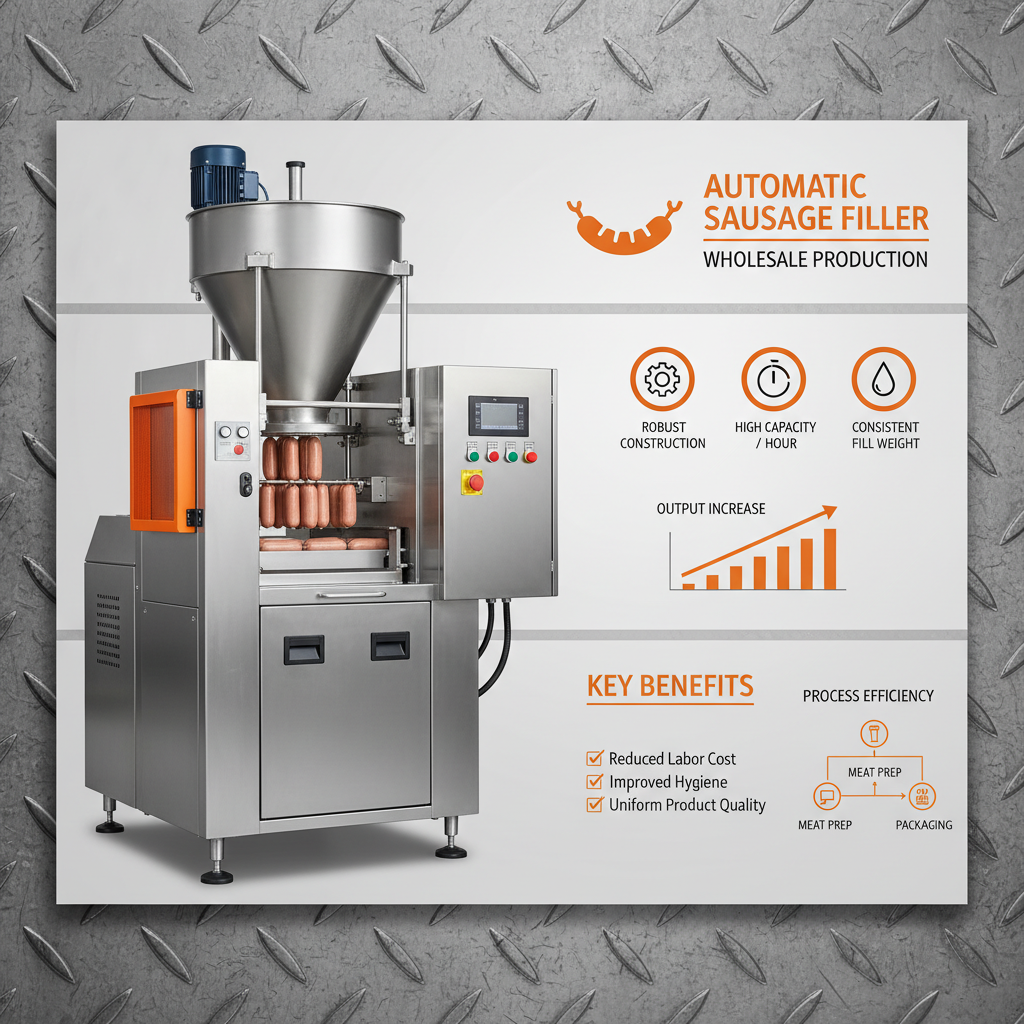
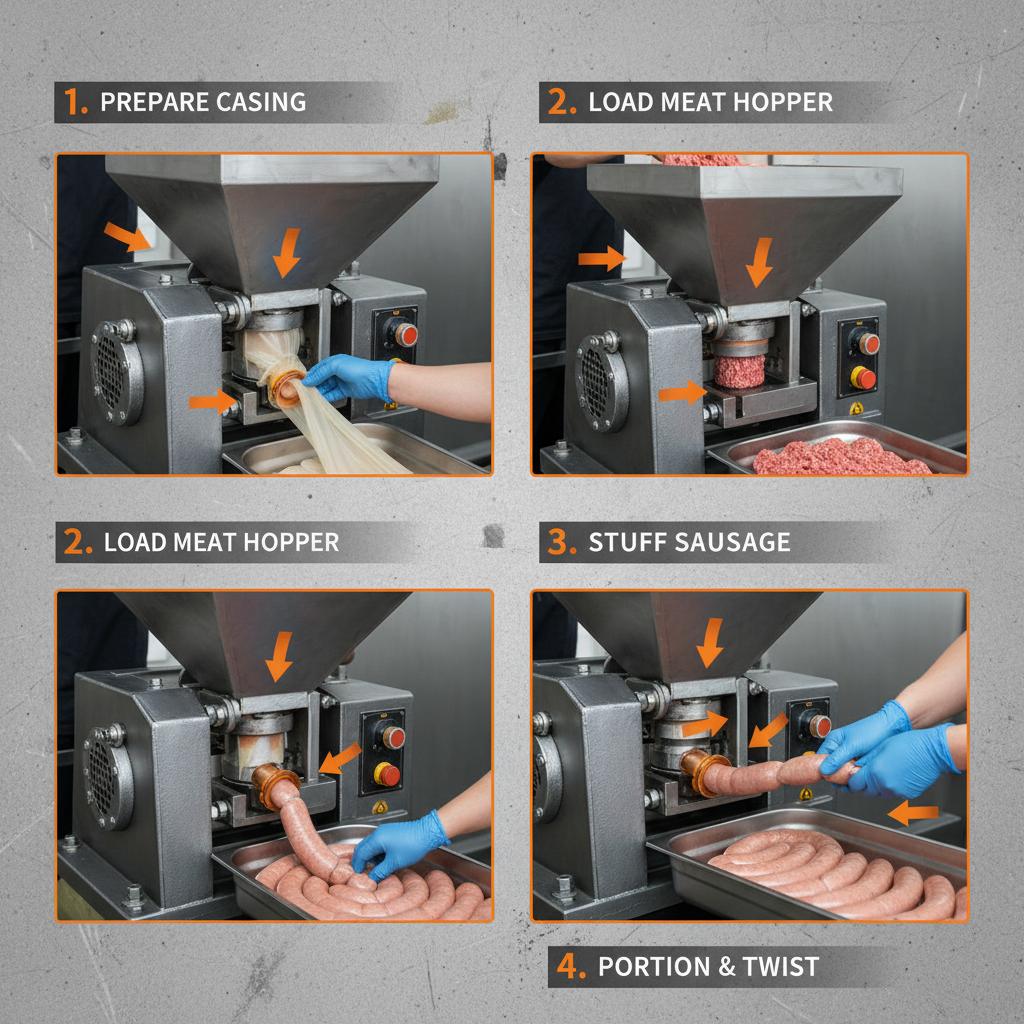
The world runs on processed food, and a huge slice of that relies on efficient sausage production. It's not glamorous work, but it's essential. I've spent years watching facilities struggle with outdated stuffing equipment – bottlenecks, inconsistent fills, and a ton of wasted product. That's where a reliable gear sausage stuffing machine comes in. These aren’t just machines; they’re the backbone of countless food businesses, from small-town butcher shops to massive processing plants. They're about more than just filling casings; it’s about consistency, hygiene, and maximizing yield.
What I’ve seen in the field is a need for robust, reliable solutions that can handle high volumes without breaking the bank or requiring constant maintenance. A good gear sausage stuffing machine isn’t a cost center, it’s an investment that pays for itself in saved labor, reduced waste, and improved product quality. It’s about taking the stress out of a critical production step. I've seen too many operations crippled by a single point of failure in their sausage-making process.
The advancements in this area aren't always flashy, but they are significant. We're moving beyond purely mechanical systems, integrating features that improve sanitation, simplify cleaning, and allow for greater control over the filling process. The demand for consistent product, traceable origins, and adherence to strict food safety standards makes these machines increasingly vital. And trust me, the engineers and operators on the floor will thank you for choosing quality.
The Importance of Gear Sausage Stuffing Machines
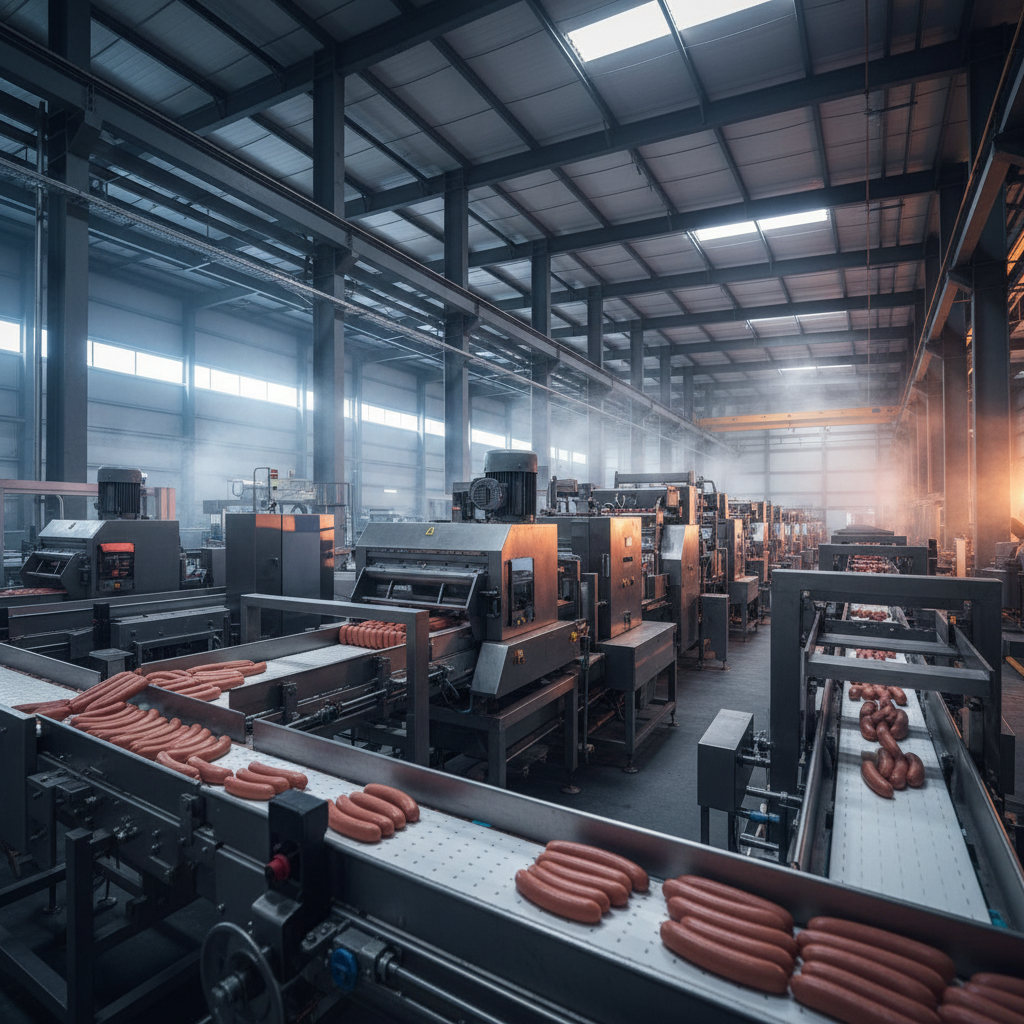
Look, I've seen operations running on barely-functioning equipment for decades. They're limping along, constantly patching things up, and losing money in the process. A modern gear sausage stuffing machine isn’t a luxury; it’s a fundamental requirement for competitiveness. The global meat processing industry is a multi-billion dollar market, and efficiency is king.
We’re talking about a market estimated at over $200 billion annually (source: Grand View Research). The demand for processed meats, including sausages, is consistently growing, especially in emerging economies. The ability to scale production, maintain consistent quality, and minimize waste is directly tied to the equipment used. And with increasing scrutiny on food safety, a machine that’s easy to clean and sanitize is non-negotiable.
Defining a Gear Sausage Stuffing Machine
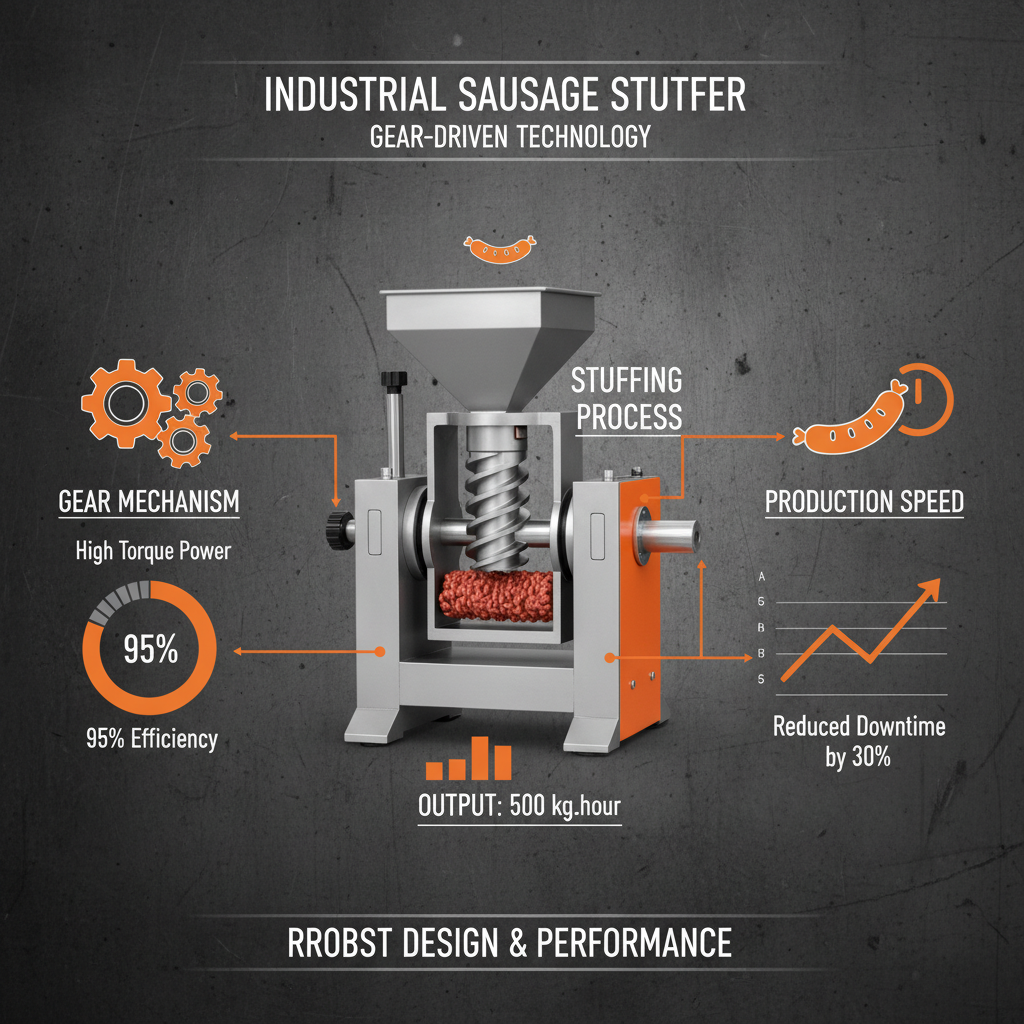
Simply put, a gear sausage stuffing machine uses a geared mechanism to drive a piston or screw, forcing meat mixture into sausage casings. It's a step up from manual stuffers, offering greater speed, consistency, and capacity. What separates a good machine is the quality of the gears, the materials used in the hopper and stuffing tube, and the overall build quality. I’ve seen machines built with cheap components fail within months, costing a business a fortune.
The gear system provides a controlled and powerful force, essential for handling different types of sausage mixtures – from finely ground pork to coarser beef blends. This is critical because different mixtures have different consistencies, and the machine needs to adjust accordingly. A well-designed machine will allow operators to control the stuffing pressure and speed, ensuring consistent product.
These machines aren't just for sausages, either. They can be used for stuffing pâtés, terrines, and other similar products. It’s a versatile piece of equipment that can add significant value to a processing facility. Connecting this to modern industry standards means meeting hygiene regulations like HACCP and maintaining traceability – features increasingly integrated into newer models.
Key Components and Operational Factors
Durability is paramount. You're dealing with a heavy-duty machine operating in a demanding environment. Look for stainless steel construction, hardened steel gears, and robust bearings. I've seen a lot of machines where the operator panel is flimsy – it’s a sign of cut corners. Capacity is another key factor. You need a machine that can handle your current production volume and accommodate future growth.
Cleanability is huge. Downtime for cleaning is lost production time. Machines with easily removable parts and smooth, sanitary surfaces are a game-changer. A lot of plants I’ve visited struggle with machines that are a nightmare to disassemble and sanitize properly. Finally, the control system is vital. Precise control over stuffing speed and pressure allows for consistent product quality and reduces waste.
The type of gear system itself matters. Spur gears are common and reliable, but helical gears offer quieter operation and increased load capacity. The choice depends on the specific application and production volume. Proper lubrication is also critical for extending the life of the gears and ensuring smooth operation – it’s often overlooked but makes a big difference.
Global Applications and Industry Use Cases
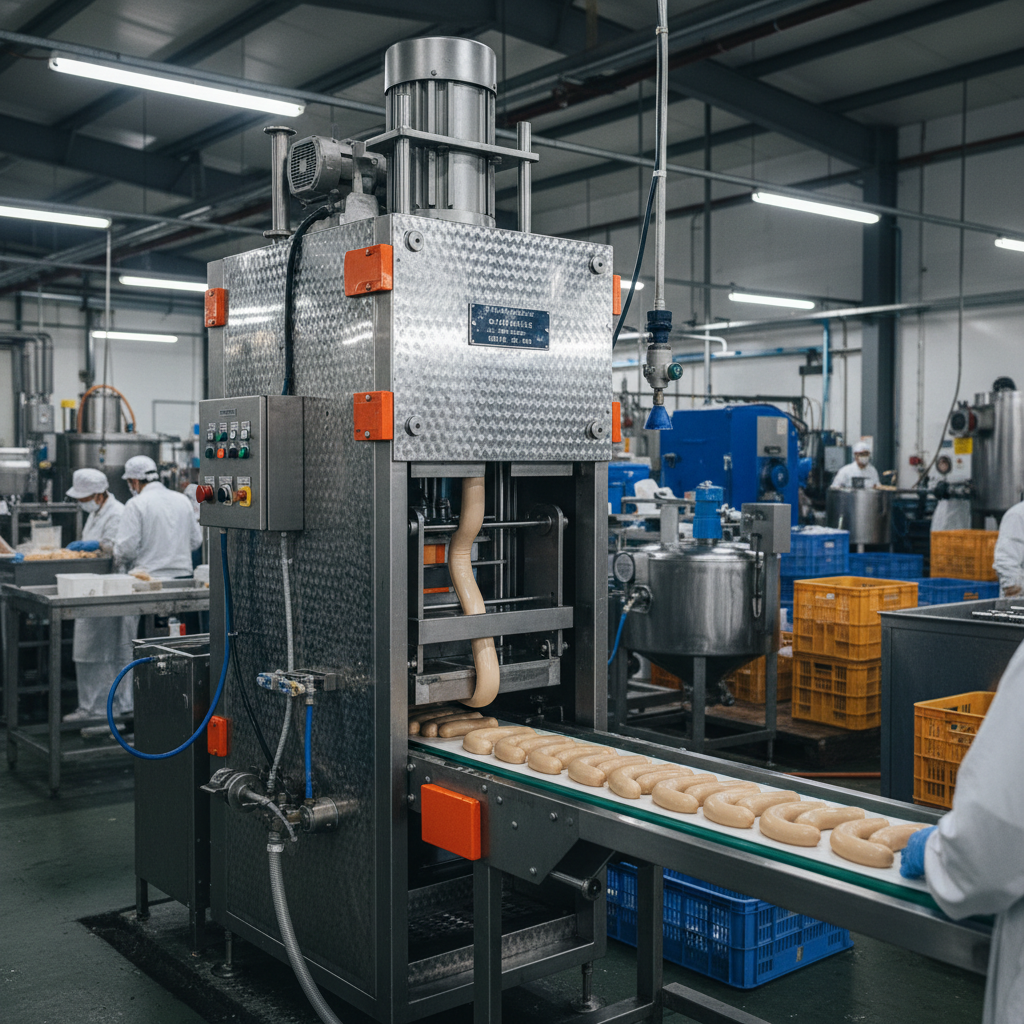
These machines aren’t confined to massive industrial plants. You'll find them in smaller, artisan butcher shops across Europe, in large-scale processing facilities in North America, and increasingly in emerging markets like Brazil and China. The demand for sausage is truly global.
In post-disaster relief operations, portable, self-contained gear sausage stuffing machine units can provide a vital source of protein for affected populations. In remote industrial zones, where access to skilled labor is limited, these machines offer a reliable and relatively easy-to-operate solution for meat processing.
We’re also seeing increased use in the production of specialized sausages, like those for the Halal or Kosher markets. These markets demand strict adherence to specific processing standards, and a reliable stuffing machine is essential for maintaining compliance. It's not just about the volume; it’s about the quality and consistency.
Gear Sausage Stuffing Machine Performance Metrics
Advantages & Long-Term Value Proposition
The initial cost is a consideration, sure, but look at the total cost of ownership. A quality gear sausage stuffing machine minimizes downtime, reduces waste, and improves product consistency, all of which translate into significant cost savings over the machine’s lifespan. It’s about reliability.
Beyond the financial benefits, there’s the peace of mind. Knowing your equipment is dependable allows you to focus on growing your business, not constantly firefighting equipment issues. The value also extends to worker safety. A well-designed machine reduces the risk of injury compared to manual stuffing methods.
Future Trends and Innovations in Sausage Stuffing
We're seeing a move towards more automated systems, with integrated sensors and controls that monitor and adjust stuffing parameters in real-time. This leads to even greater consistency and reduced waste. Data analytics are also becoming more prevalent, allowing operators to track performance and identify areas for improvement.
I’m also seeing a focus on hygiene and sanitation. New materials and designs are making machines easier to clean and sanitize, reducing the risk of contamination. The integration of digital technologies – like remote monitoring and predictive maintenance – is going to be a game-changer.
Challenges and Solutions in Gear Sausage Stuffing Machine Operation
One common challenge is dealing with varying meat consistencies. A machine that can’t handle different types of mixtures will struggle to maintain consistent stuffing pressure and product quality. The solution is to choose a machine with adjustable settings and a powerful gear system.
Another issue is maintenance. Gears require regular lubrication, and bearings can wear out over time. Implementing a preventative maintenance schedule is critical. Training operators to identify and address potential problems early on can also prevent costly downtime.
Finally, sanitation is always a concern. Choosing a machine with easily removable parts and smooth, sanitary surfaces is essential. And ensuring proper cleaning and sanitization procedures are followed religiously is non-negotiable.
Key Operational Metrics for Gear Sausage Stuffing Machine Performance
| Operational Parameter |
Measurement Unit |
Acceptable Range |
Impact on Production |
| Stuffing Speed |
Sausages/Minute |
80-150 |
Directly influences throughput |
| Stuffing Pressure |
PSI |
50-80 |
Affects sausage density and casing integrity |
| Machine Uptime |
Percentage |
95% or higher |
Indicates reliability and minimizes production losses |
| Meat Waste |
Percentage |
Less than 2% |
Reflects efficient operation and minimal product loss |
| Cleaning Time |
Minutes |
Less than 30 |
Impacts overall production efficiency |
| Operator Skill Level |
Rating (1-5) |
4 or higher |
Ensures proper machine operation and maintenance |
FAQS
With proper maintenance and regular lubrication, a quality gear sausage stuffing machine can easily last 10-15 years, even with heavy use. The key is preventative maintenance – keeping the gears clean and lubricated, replacing worn bearings, and addressing any issues promptly. I've seen some machines still going strong after 20 years, but those are exceptional cases. Investing in a well-built machine with durable components pays off in the long run.
Gear lubrication frequency depends on the usage and the type of lubricant recommended by the manufacturer. As a general rule, lubrication should be performed every 8-12 hours of operation. In high-volume production environments, more frequent lubrication may be necessary. Always refer to the machine's manual for specific instructions. Using the wrong lubricant can cause premature wear and failure.
Regular maintenance includes lubricating the gears, checking and replacing worn bearings, inspecting the stuffing tube and casing guides, and cleaning the machine thoroughly after each use. It's also important to periodically inspect the electrical components and ensure all safety features are functioning correctly. A detailed maintenance schedule should be developed and followed religiously.
Most modern gear sausage stuffing machines are designed to handle a variety of casing types, including natural casings, collagen casings, and plastic casings. However, it's important to select the appropriate stuffing tube and pressure settings for the specific casing type. Using the wrong settings can damage the casings or result in poorly filled sausages.
Essential safety features include emergency stop buttons, safety guards around moving parts, and interlocks that prevent the machine from operating if the guards are removed. The machine should also be equipped with overload protection to prevent damage to the gears and motor. Proper training for operators is also crucial for ensuring safe operation.
Vacuum fillers remove air from the meat mixture before stuffing, resulting in a denser, more consistent product with better shelf life. They are more expensive and complex than gear stuffing machines. Gear stuffing machines are simpler, more affordable, and suitable for a wide range of applications where vacuum filling isn’t essential. The choice depends on your specific product requirements and budget.
Conclusion
The gear sausage stuffing machine remains a cornerstone of the meat processing industry. It's a testament to simple, robust engineering that has stood the test of time. From small-scale operations to large industrial facilities, a reliable stuffing machine is essential for producing high-quality sausage efficiently and safely. Investing in quality components and proper maintenance are the keys to long-term success.
The future of this technology lies in automation, data analytics, and a continued focus on hygiene and sanitation. By embracing these advancements, producers can optimize their operations, reduce waste, and meet the ever-increasing demands of the global market. If you’re looking to upgrade your sausage-making capabilities, visit our website at www.bossinmachinery.com to explore our range of gear sausage stuffing machines.