The global food processing industry relies heavily on efficient and reliable equipment, and at its heart lies the need for precise filling solutions. Commercial sausage filler machines are no longer simply about stuffing casings; they represent a confluence of hygiene, automation, and scalability, impacting everything from small artisanal producers to large-scale industrial operations. Understanding the nuances of these machines – their construction, operation, and emerging technologies – is crucial for optimizing production, ensuring food safety, and meeting the ever-increasing demands of a global market. commercial sausage filler plays a central role in ensuring consistent product quality.
The demand for processed meats, including sausages, continues to rise worldwide, driven by factors like urbanization, changing dietary habits, and convenience. This growth places significant pressure on manufacturers to increase production capacity while simultaneously maintaining strict quality control standards. The appropriate application of a commercial sausage filler directly addresses this challenge, enabling manufacturers to streamline their processes and respond effectively to market demands. Moreover, advancements in filler technology now prioritize sanitation and ease of cleaning, vital for adhering to stringent food safety regulations.
Investing in the right commercial sausage filler isn't just about purchasing a machine; it’s about investing in the future of food production. The industry has evolved to encompass not only traditional sausage production, but also a wider range of filled products, from pates to emulsions. Choosing a machine that offers versatility, precision, and durability is key to long-term success and profitability. Modern commercial sausage filler models offer features like vacuum filling, portion control, and integrated control systems, pushing the boundaries of efficiency and quality.
The Essential Role of Commercial Sausage Filler
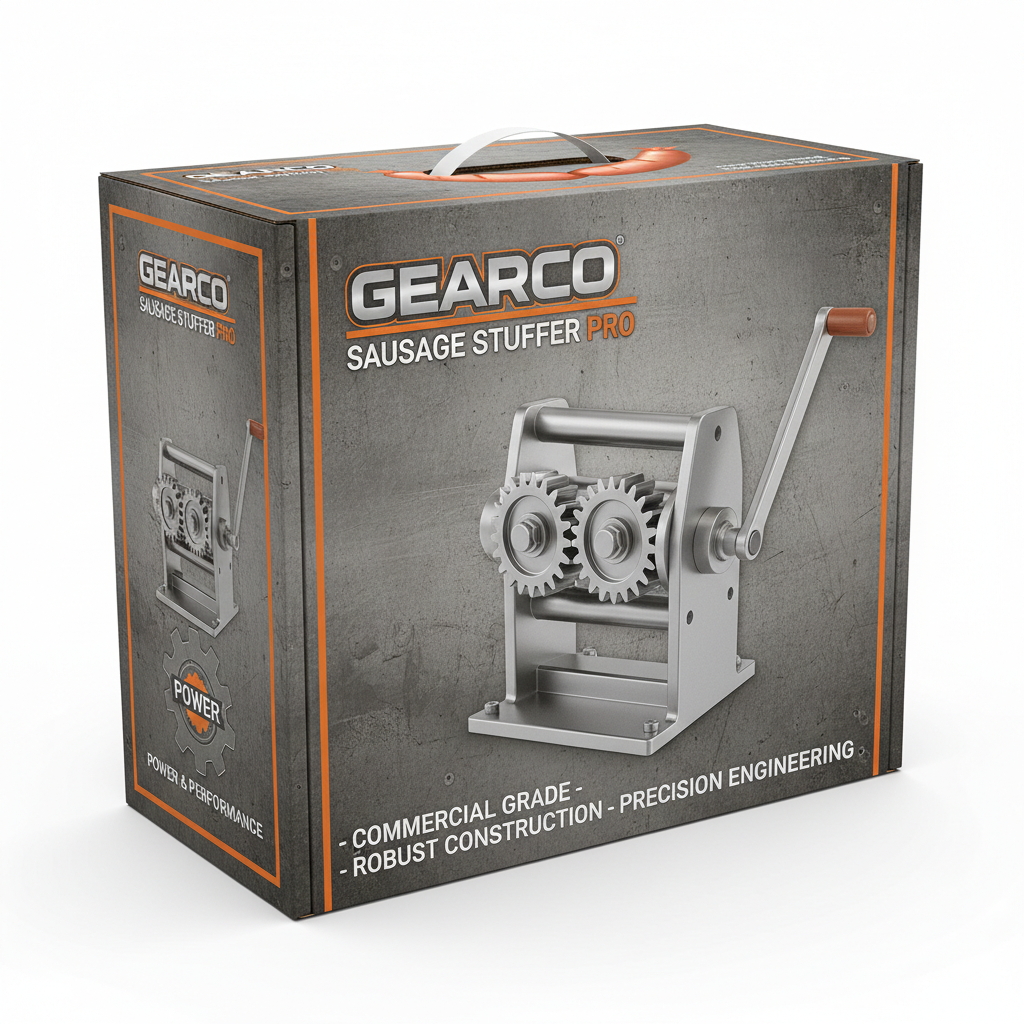
Commercial sausage filler machines are designed to precisely and efficiently fill sausage casings with meat mixtures. This process isn't simply about filling; it's about maintaining product integrity, ensuring consistent weight and quality, and meeting strict hygiene standards. The machines range in complexity from manual, hand-cranked models suitable for small butchers to fully automated, high-volume systems used in large processing plants. commercial sausage filler represents a critical investment for any business involved in sausage production.
The role of these machines extends beyond sausages themselves. They are increasingly utilized for filling other products like pâtés, terrines, and even certain types of processed meats that require precise filling into casings or molds. Selecting the correct filler type – whether a piston filler, a screw filler, or a pump filler – depends on the specific product characteristics and production volume.
Global Relevance and Industry Context
The global processed meat market is substantial and growing. According to recent reports, the industry is valued at over $860 billion and is projected to continue expanding, driven by rising disposable incomes, changing consumer lifestyles, and increasing demand for convenience foods. Sausages represent a significant portion of this market, making efficient and reliable filling equipment essential for meeting this demand. commercial sausage filler directly addresses the needs of this growing industry.
Food safety regulations are also becoming increasingly stringent worldwide, with organizations like the FDA (Food and Drug Administration) and EFSA (European Food Safety Authority) enforcing strict hygiene standards. Commercial sausage fillers play a key role in meeting these regulations through features like stainless steel construction, easy-to-clean designs, and minimized contact between the product and the machine’s components. Failure to comply with these regulations can result in hefty fines and product recalls.
Challenges facing the industry include maintaining consistent product quality, reducing waste, and improving overall operational efficiency. Modern commercial sausage filler technology addresses these challenges through features like precise portion control, vacuum filling to eliminate air pockets, and automated cleaning cycles.
Defining Commercial Sausage Filler Technology
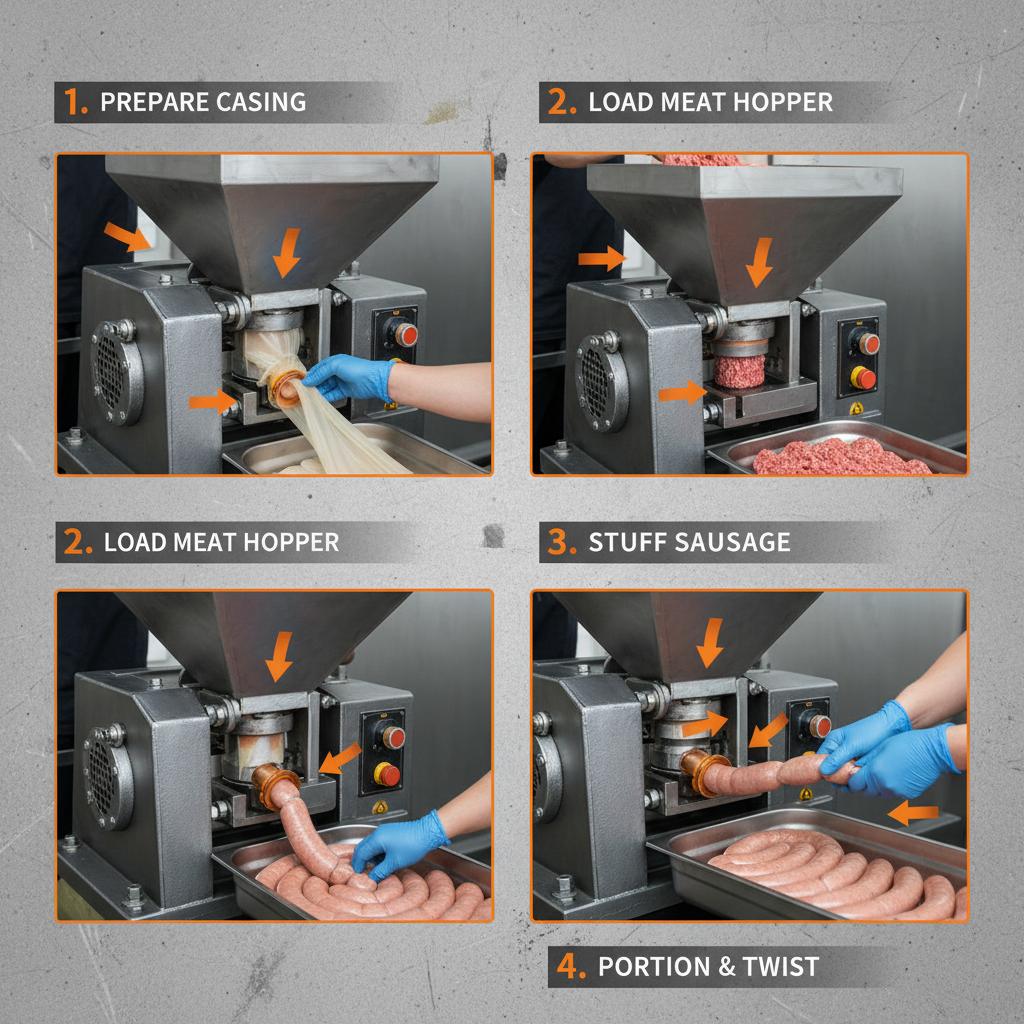
A commercial sausage filler is a specialized machine designed to efficiently and accurately fill sausage casings with a prepared meat mixture. Unlike manual filling processes, these machines offer significant advantages in terms of speed, consistency, and hygiene. The core principle involves forcing the meat mixture through a filling horn, which is attached to the sausage casing.
There are several key types of commercial sausage fillers, each suited to different applications. Piston fillers use a piston to force the meat mixture forward, offering high precision and suitability for products with varying consistencies. Screw fillers utilize a rotating screw to move the meat, ideal for coarser mixtures. Pump fillers, often vacuum-assisted, provide excellent consistency and are well-suited for emulsified sausages. Understanding these differences is critical when selecting the right commercial sausage filler for your needs.
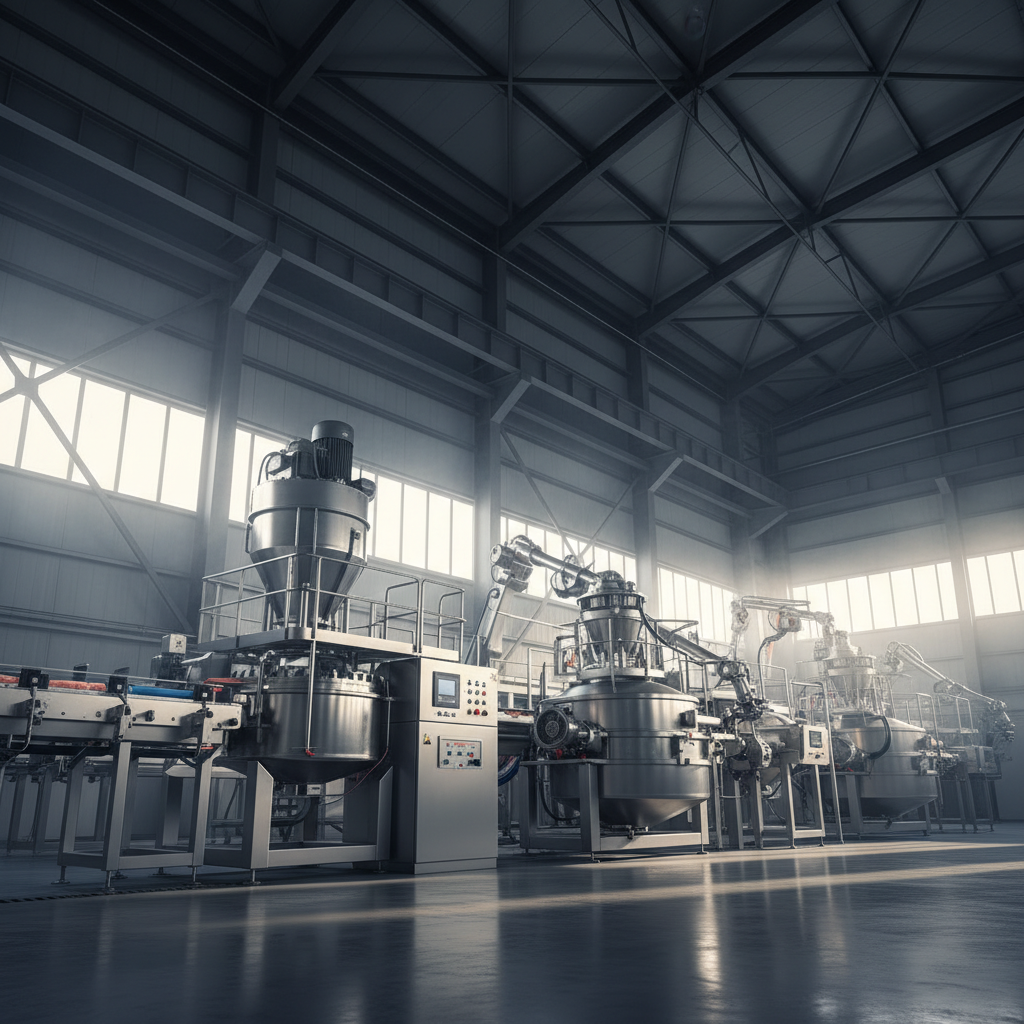
Modern fillers increasingly incorporate advanced features like programmable logic controllers (PLCs) for precise control, touch screen interfaces for easy operation, and automated cleaning systems to minimize downtime and maintain hygiene. Vacuum filling is also a common feature, eliminating air pockets within the sausage and improving product quality.
Key Factors Driving Commercial Sausage Filler Selection
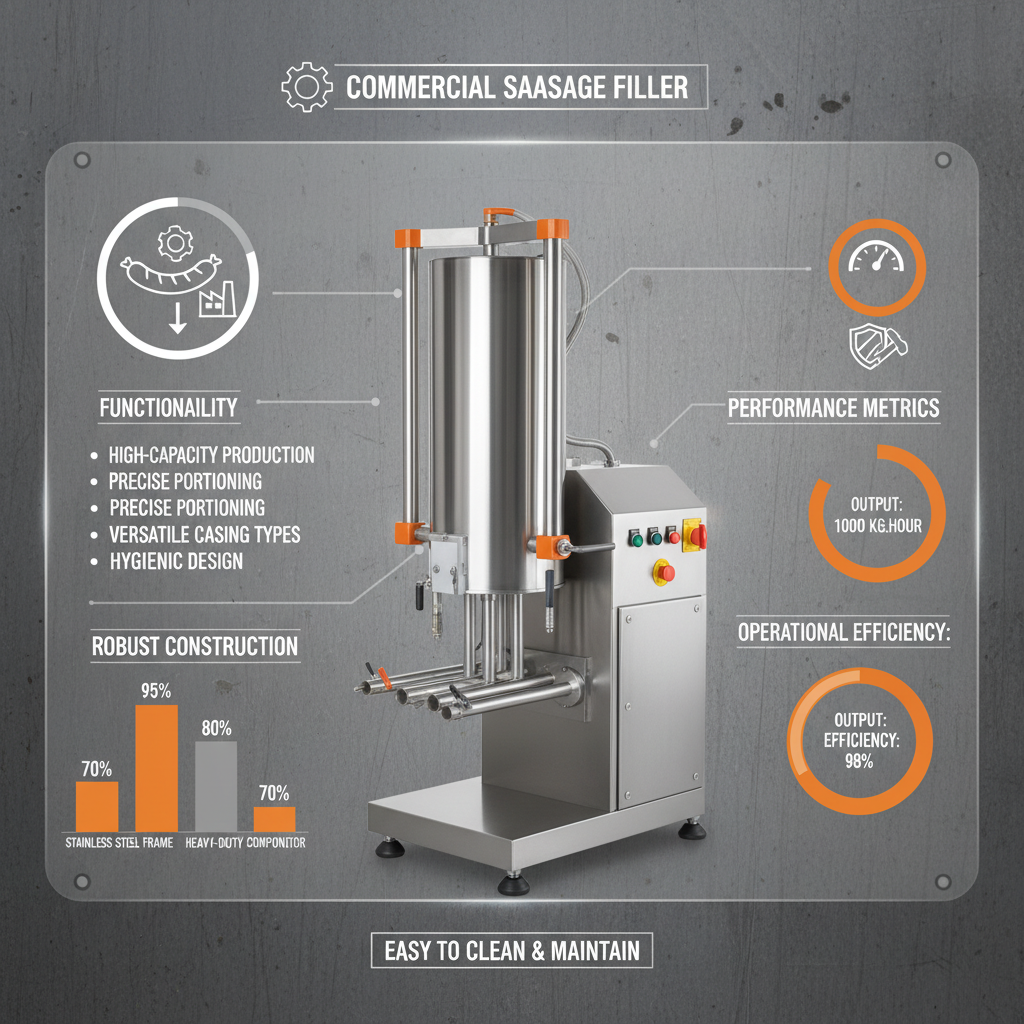
Selecting the right commercial sausage filler requires careful consideration of several key factors. Durability is paramount, as these machines operate in demanding environments and require long-term reliability. Scalability is another crucial consideration, ensuring the machine can handle current production needs and accommodate future growth.
Cost efficiency is also vital, encompassing not only the initial purchase price but also ongoing maintenance, operating costs, and potential downtime. Furthermore, hygiene and sanitation features are non-negotiable, ensuring compliance with food safety regulations and preventing contamination.
Commercial Sausage Filler Feature Importance
Global Applications and Diverse Use Cases
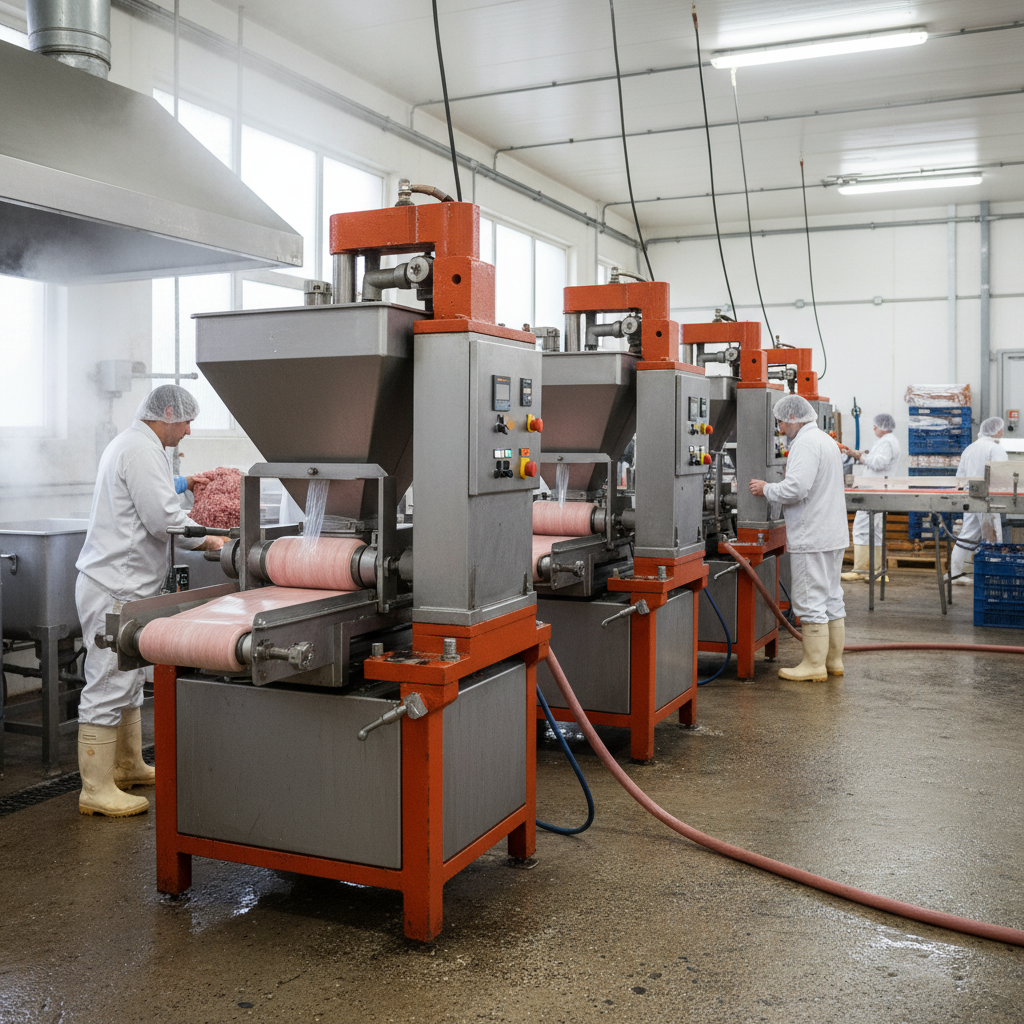
Commercial sausage filler machines find application across a vast range of food processing facilities globally. In Europe, they are integral to the production of traditional sausages and cured meats, catering to both domestic consumption and export markets. North America utilizes these machines extensively in large-scale pork and beef processing plants. commercial sausage filler has become an industry standard.
In emerging economies, like those in Asia and Latin America, the demand for processed meats is rapidly increasing, leading to a surge in the adoption of commercial filling equipment. Even in remote industrial zones, these machines are essential for enabling local food production and reducing reliance on imports.
Advantages and Long-Term Value Proposition
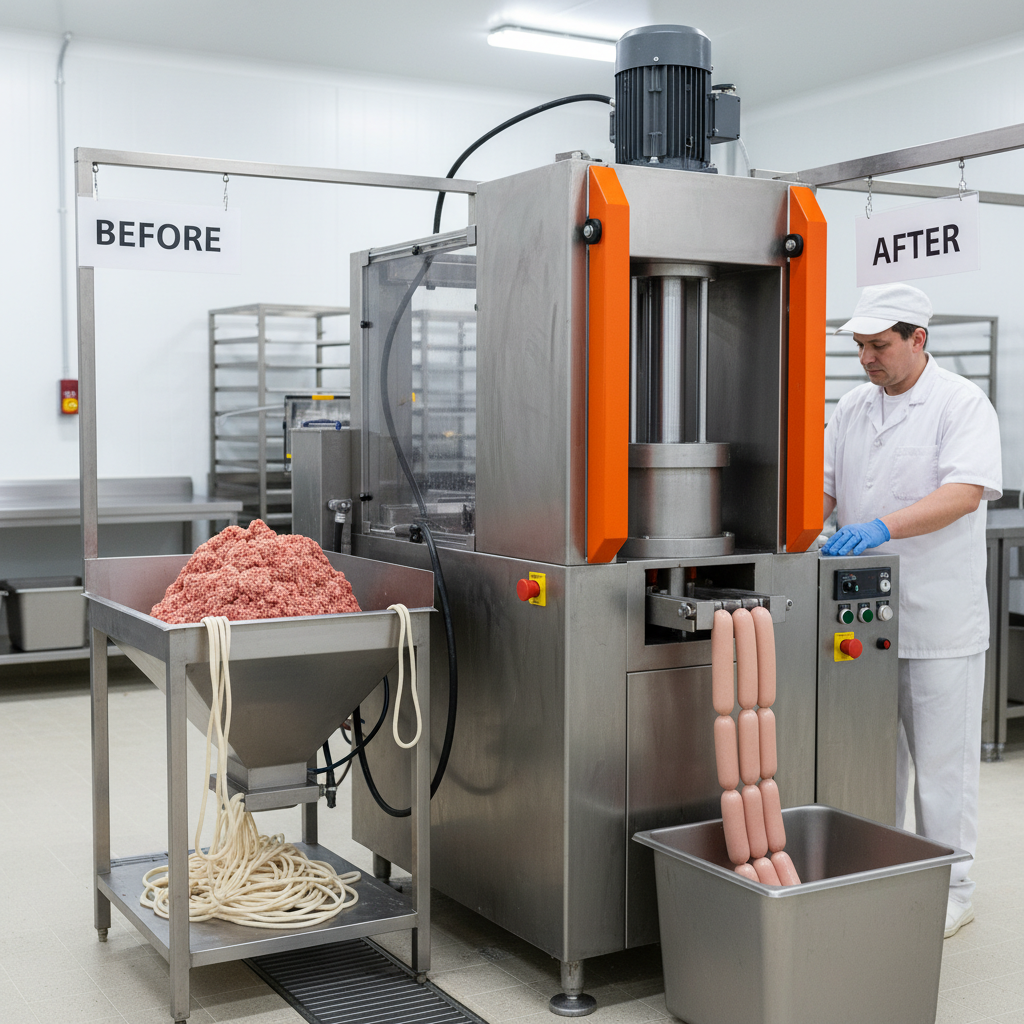
The advantages of investing in a quality commercial sausage filler are numerous. Tangible benefits include reduced labor costs, increased production efficiency, and minimized product waste. The improved consistency and precision lead to higher product quality and customer satisfaction.
Beyond the immediate financial gains, a robust filling machine contributes to long-term sustainability through reduced energy consumption and minimized environmental impact. The enhanced hygiene features ensure food safety, protecting brand reputation and consumer health. Investing in commercial sausage filler is a strategic decision that benefits the business for years to come.
Future Trends and Innovations in Filling Technology
The future of commercial sausage filler technology is driven by automation, digitization, and a growing emphasis on sustainability. We can expect to see increased integration of robotic systems for handling casings and automating the filling process. Data analytics and machine learning will play a crucial role in optimizing performance and predicting maintenance needs.
Advanced cleaning-in-place (CIP) systems will become more prevalent, minimizing downtime and reducing water consumption. Furthermore, the use of sustainable materials in machine construction and the development of energy-efficient designs will align with growing environmental concerns. commercial sausage filler companies are investing heavily in these areas.
The integration of Internet of Things (IoT) devices will enable remote monitoring and control of filling machines, providing real-time data on performance and allowing for proactive maintenance. This will lead to increased uptime, reduced costs, and improved overall operational efficiency.
FAQS
Piston fillers are ideal for products with varied consistencies and offer high precision. Screw fillers handle coarser mixtures effectively, while pump fillers – often vacuum-assisted – provide excellent consistency for emulsified sausages. Choosing the right type depends on your specific product and production volume. Consideration of cleaning needs and initial investment should also play a part in your decision.
Vacuum filling is crucial for eliminating air pockets within the sausage, resulting in a denser, more uniform product with improved texture and shelf life. It also prevents oxidation and maintains the product's color. Many modern commercial sausage fillers offer vacuum capabilities as a standard feature, enhancing overall product quality.
Regular maintenance includes cleaning and sanitizing all food contact surfaces, lubricating moving parts, and inspecting seals and gaskets for wear. Following the manufacturer’s recommended maintenance schedule is essential for preventing breakdowns and ensuring long-term reliability. Preventative maintenance can save significant costs in the long run.
Essential safety features include emergency stop buttons, safety guards around moving parts, and interlocking systems to prevent operation during cleaning or maintenance. Ensure the machine complies with relevant safety standards and regulations. Proper operator training is also crucial for safe operation.
Choose a machine constructed from food-grade materials like stainless steel and designed for easy cleaning and sanitation. Ensure it meets the requirements of relevant food safety standards (e.g., FDA, EFSA). Implement a robust cleaning and sanitization program, and maintain detailed records of maintenance and inspections.
With proper maintenance and care, a high-quality commercial sausage filler can last for 10-20 years or even longer. Factors affecting lifespan include usage frequency, the type of product being filled, and the thoroughness of maintenance routines. Investing in a durable machine from a reputable manufacturer is key to maximizing its lifespan.
Conclusion
Commercial sausage filler technology has evolved significantly, becoming an indispensable component of modern food processing. From enhancing production efficiency and ensuring consistent product quality to upholding stringent hygiene standards and enabling scalability, these machines offer a multitude of benefits. Understanding the various types of fillers, key selection factors, and emerging trends is crucial for making informed investment decisions. commercial sausage filler truly drives the food processing industry.
Looking ahead, the integration of automation, digitization, and sustainable practices will continue to shape the future of filling technology. By embracing these innovations, food manufacturers can optimize their operations, reduce costs, and meet the evolving demands of a global market. Investing in a reliable and advanced commercial sausage filler isn’t merely an expense; it's a strategic investment in long-term success. Visit our website today at www.bossinmachinery.com to explore our range of commercial sausage fillers.