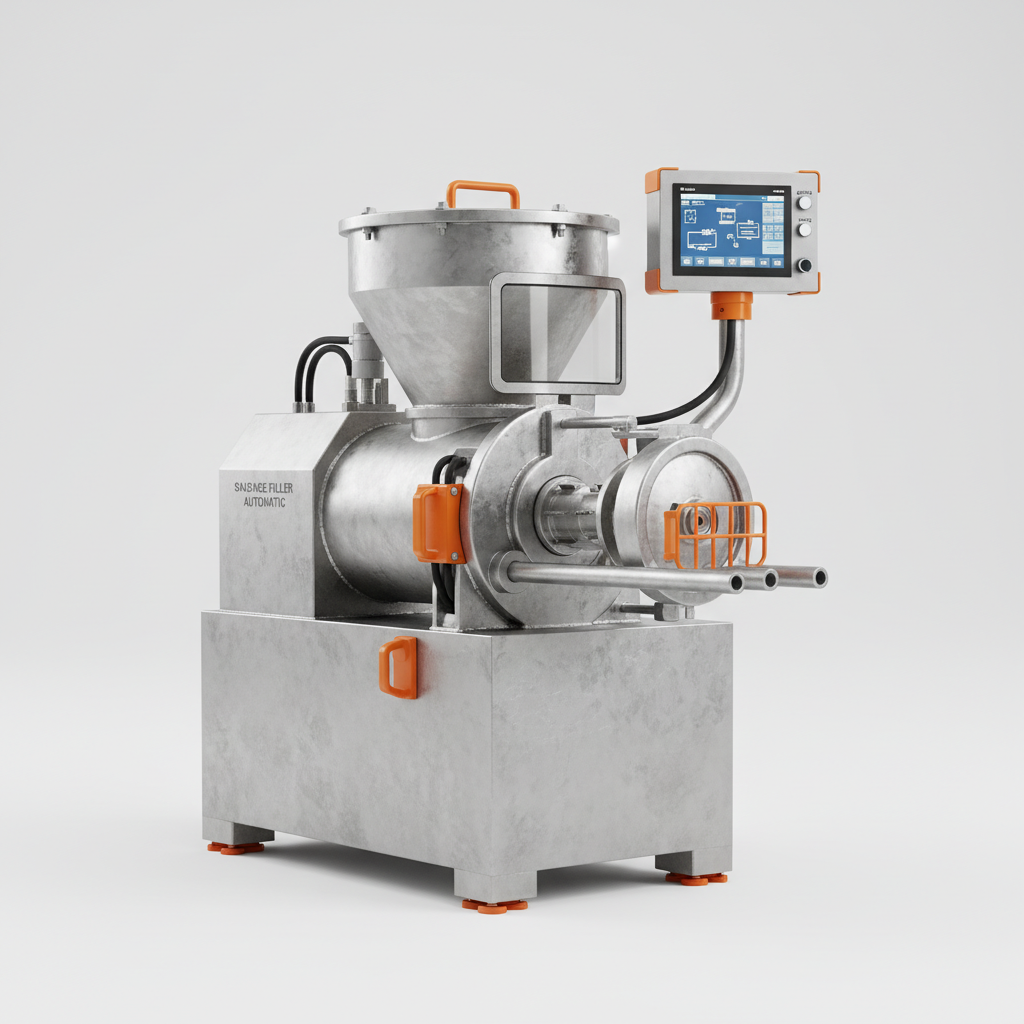
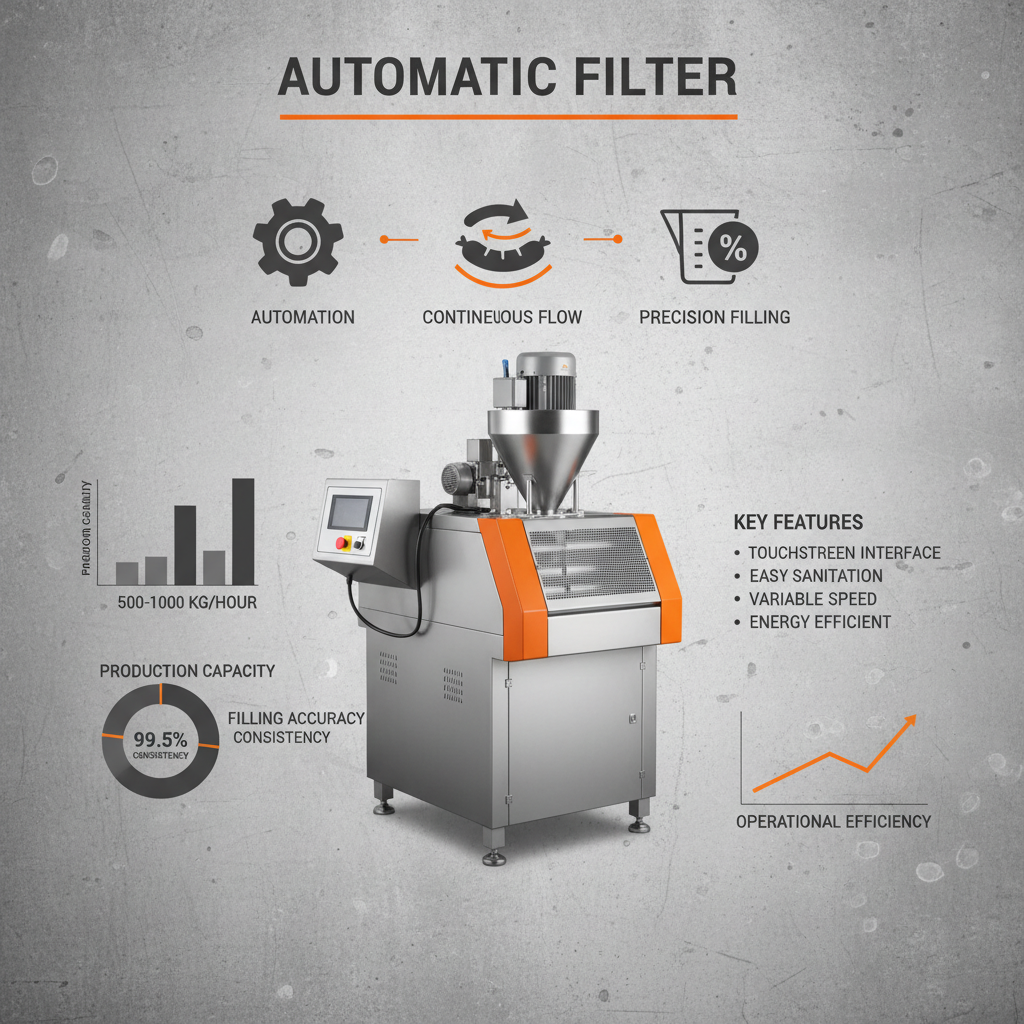
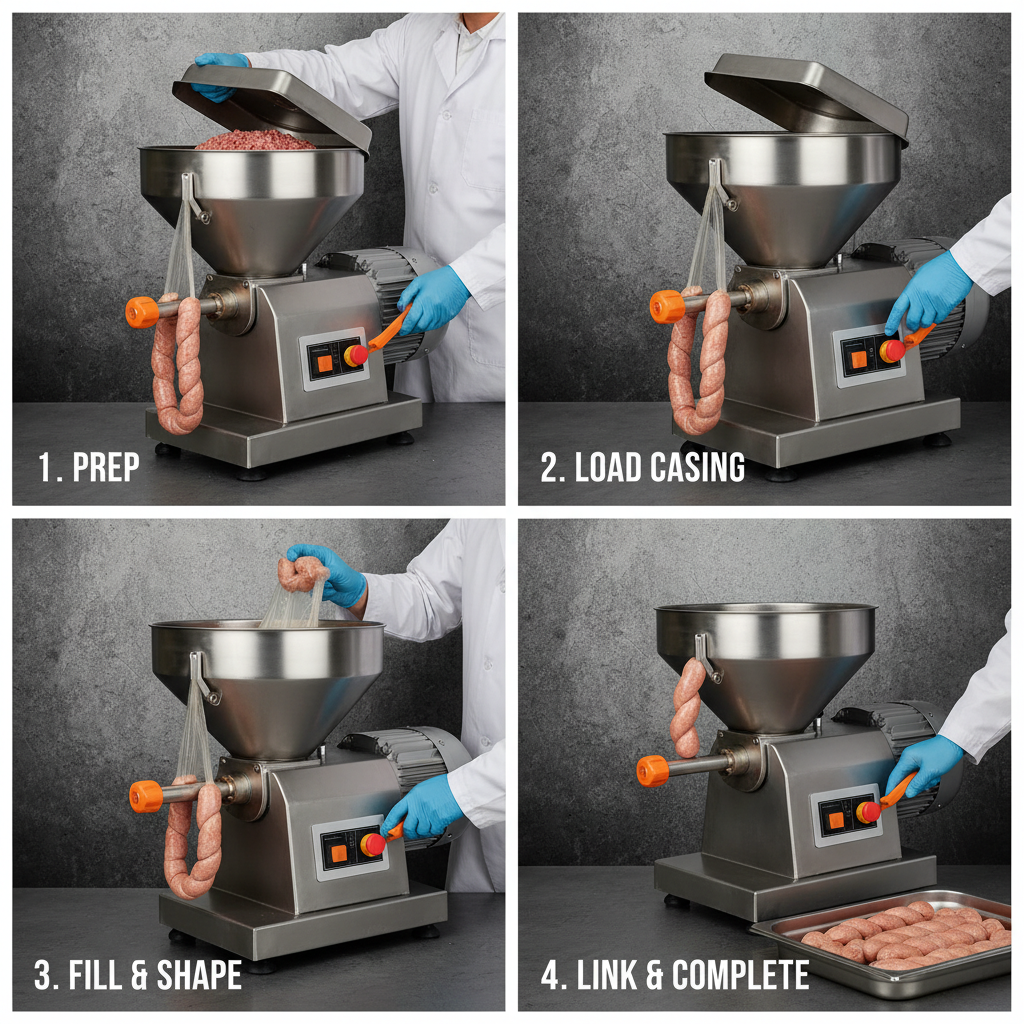
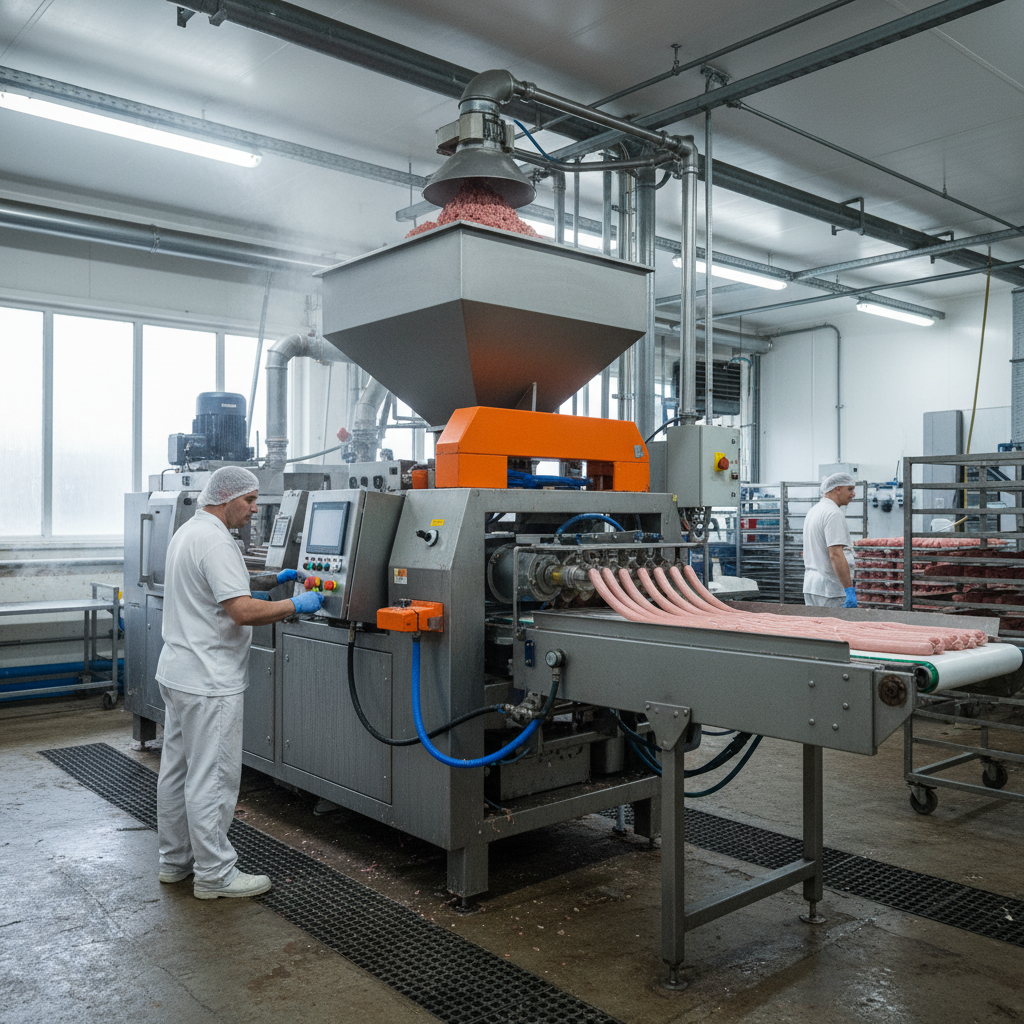
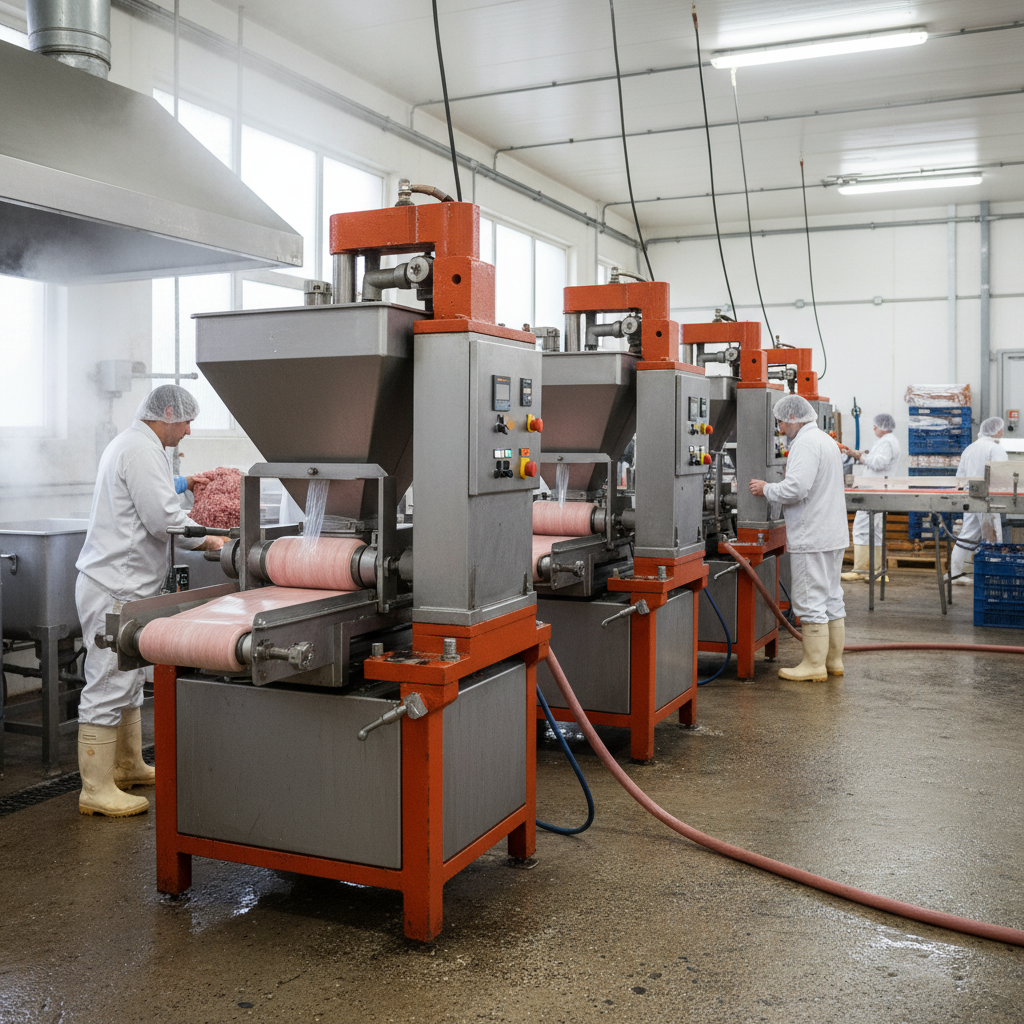
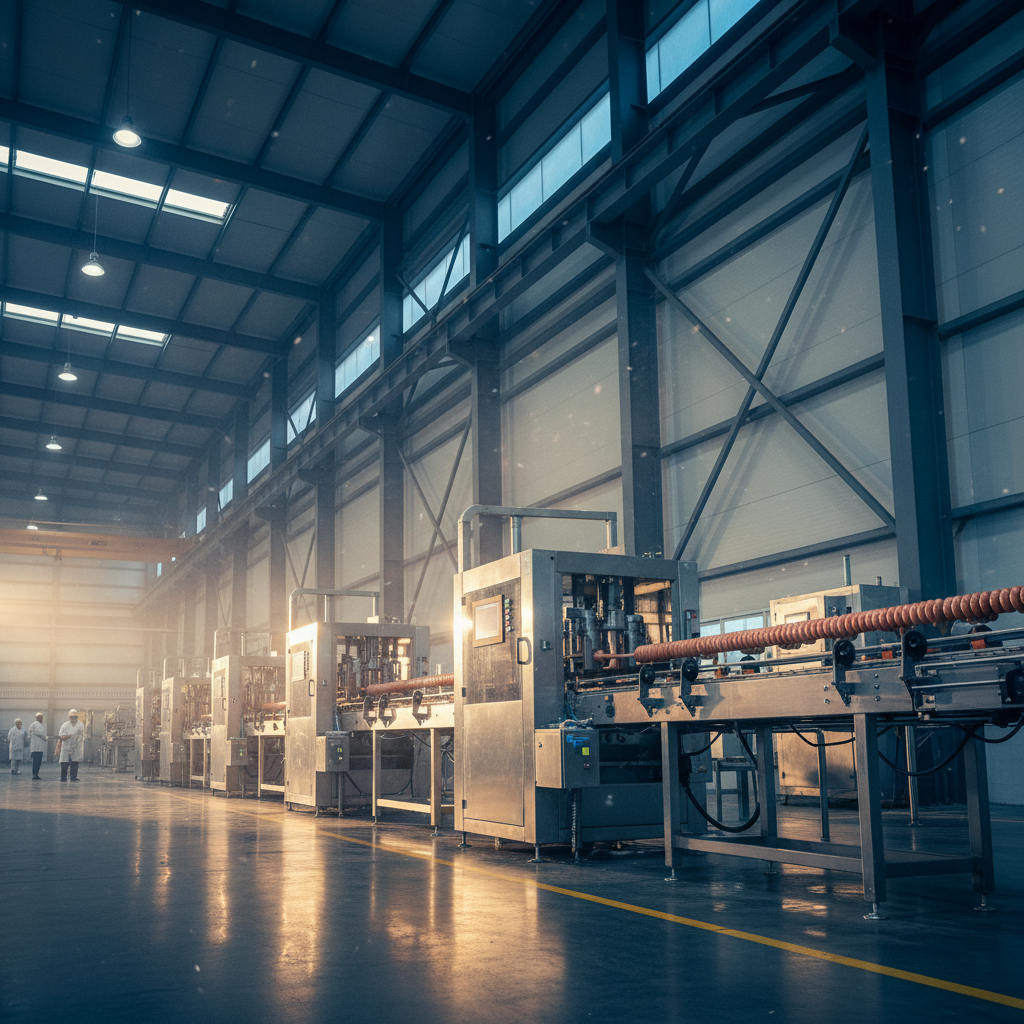
In the competitive landscape of modern meat processing, the transition toward automation is no longer a luxury but a necessity for scalability and hygiene. A sausage filler automatic system serves as the heartbeat of the production line, ensuring that meat emulsions are stuffed into casings with surgical precision and consistent density. By eliminating the variability of manual stuffing, processors can drastically reduce product waste and ensure that every single link meets strict weight and quality specifications.
Global demand for processed meats continues to rise, pushing manufacturers to seek solutions that balance high-volume output with the artisanal quality consumers expect. The implementation of a sausage filler automatic allows facilities to increase their throughput by several hundred percent while maintaining a sterile environment that minimizes the risk of contamination. This technological shift is critical for meeting international food safety standards and optimizing the operational flow from the meat mixer to the smokehouse.
Understanding the intricacies of automatic stuffing technology is essential for any business looking to optimize its OEE (Overall Equipment Effectiveness). From vacuum-assisted filling that prevents air pockets to programmable logic controllers (PLCs) that manage portion sizes, the sausage filler automatic represents the intersection of mechanical engineering and food science, driving profitability through precision and reliability.
The Global Impact of Automatic Sausage Filling Technology
The global meat processing industry has faced unprecedented pressure to increase output while adhering to stringent ISO and HACCP safety guidelines. In regions like Europe and North America, where labor costs are high and regulatory scrutiny is intense, the sausage filler automatic has become the gold standard for operational efficiency. By automating the stuffing process, companies can ensure a level of consistency that is impossible to achieve manually, directly impacting the bottom line through reduced giveaway and optimized material usage.
Beyond mere productivity, the adoption of these systems reflects a broader movement toward "Industry 4.0" in food manufacturing. The integration of precise dosing and vacuum technology ensures that meat products have a longer shelf life and better texture, which is critical for exporters shipping products across continents. As emerging markets in Asia and Latin America modernize their infrastructure, the demand for reliable, high-capacity automatic fillers is skyrocketing, signaling a shift toward standardized, high-quality meat production worldwide.
Defining the Modern Sausage Filler Automatic System
At its core, a sausage filler automatic is a precision-engineered machine designed to move minced meat or emulsion from a hopper into a casing with minimal air incorporation and maximum speed. Unlike manual fillers, these systems utilize advanced piston or vane pumps to maintain a steady flow of product, ensuring that the casing is filled uniformly without bursting. This process is essential for creating a professional finish and maintaining the structural integrity of the sausage during the smoking and cooking phases.
The "automatic" aspect refers to the integration of electronic controls that manage the timing, volume, and speed of the filling process. Modern units often feature touch-screen interfaces (HMIs) that allow operators to save recipes for different product lines—such as bratwurst, frankfurters, or salami—switching between them with a single click. This versatility allows a single production line to handle a diverse product portfolio without extensive downtime for reconfiguration.
From a humanitarian and industrial perspective, these machines address the critical challenge of food security by reducing post-production waste. By precisely controlling the amount of meat injected into each casing, manufacturers can maximize the yield from every carcass. This efficiency is vital in a world where protein demand is rising but resources are finite, making the automatic filler a key tool in sustainable food systemic management.
Core Components Driving Efficiency in Automatic Fillers
The durability of a sausage filler automatic is primarily determined by its construction materials. High-grade stainless steel (typically AISI 304 or 316) is used throughout the chassis and product-contact zones to prevent corrosion and facilitate deep cleaning. This focus on material science ensures that the equipment can withstand the harsh chemical environments of industrial wash-downs without compromising structural integrity.
Vacuum technology is perhaps the most critical functional component. A high-performance vacuum pump removes trapped air from the meat emulsion before it is stuffed. In an automatic sausage filler, this prevents the formation of unsightly air pockets in the finished product and significantly reduces oxidative rancidity, thereby extending the product's shelf life and improving its visual appeal to the consumer.
Precision dosing systems and PLC controllers provide the "intelligence" behind the machine. By utilizing servo-motors, a sausage filler automatic can control the piston stroke to the millimeter, ensuring that every sausage link is identical in weight. This level of precision is indispensable for commercial labeling laws and prevents the financial loss associated with over-filling.
Performance Metrics and Operational Scalability
When evaluating the ROI of a sausage filler automatic, manufacturers look at specific KPIs such as kilograms per hour (kg/h) and the percentage of product giveaway. Scalability is achieved by integrating these fillers into a larger ecosystem, often linked with automatic clippers or linking machines. This creates a seamless flow where meat moves from the mixer to the filler and then to the hanger line without human intervention, drastically reducing the risk of microbial contamination.
The ability to scale production depends on the machine's capacity to handle different viscosity levels of meat emulsions. A high-end automatic filler is designed to handle everything from thin emulsions to coarse-ground mixes without losing speed or precision. This flexibility allows a small-scale craft producer to grow into a regional supplier using the same core technology, simply by upgrading the hopper size or adding auxiliary automation modules.
Comparative Efficiency of Sausage Filler Automatic Technologies
Industrial Applications Across Global Markets
The application of a sausage filler automatic extends far beyond standard butcher shops. In large-scale industrial zones in Germany and the USA, these machines are integrated into fully automated "High Speed Filler-Linker-Hanger Lines." These lines can produce thousands of sausages per minute, feeding directly into smokehouses and chilling rooms. Such setups are essential for meeting the demands of global retail chains and frozen food distributors.
In emerging economies, we see a different but equally important application: the modernization of regional processing hubs. In these contexts, an automatic filler allows local cooperatives to standardize their products for export. By ensuring that the sausages are filled to a consistent density and weight, local producers can meet the strict import requirements of the EU or North American markets, thereby increasing the economic viability of remote industrial zones and improving local livelihoods.
Long-Term Value and Sustainable Production
Investing in a sausage filler automatic provides tangible long-term value through the reduction of operational waste. Manual filling often leads to "blow-outs" (casing ruptures) and inconsistent weights, both of which result in discarded product. By automating the pressure and volume controls, plants can reduce this waste by up to 15%, which, in a high-volume facility, translates to millions of dollars in saved raw materials annually.
Beyond the financial gains, there is a significant safety and dignity angle. Manual stuffing is labor-intensive, repetitive, and often involves exposure to cold, damp environments. Automation removes the physical strain from the worker, transitioning their role from manual laborer to machine operator and quality controller. This shift not only improves workplace safety but also fosters a culture of innovation and technical skill within the workforce.
Furthermore, the reliability of automatic systems builds trust with the end consumer. Consistency in texture and appearance is a primary indicator of quality for the buyer. When a brand can guarantee that every package contains sausages of the exact same caliber, it strengthens brand loyalty and market positioning. The logical precision of the machine thus creates an emotional connection of trust between the producer and the consumer.
Future Trends in Meat Processing Automation
The future of the sausage filler automatic is being shaped by the integration of Artificial Intelligence (AI) and the Internet of Things (IoT). We are moving toward "smart fillers" that can monitor the viscosity of the meat emulsion in real-time and automatically adjust the filling speed to prevent casing bursts. These systems will communicate with other machinery in the plant, slowing down the filler if the linker or hanger line experiences a bottleneck, thus optimizing the entire production flow.
Sustainability is also driving innovation in materials and energy. New generations of automatic fillers are being designed with energy-efficient motors and water-saving cleaning cycles (CIP - Clean-In-Place systems). By reducing the amount of water and chemicals needed for sanitation, these machines help processing plants reduce their environmental footprint while maintaining the highest hygiene standards.
Additionally, the rise of plant-based and hybrid meat alternatives is forcing a redesign of filling mechanisms. Plant-based proteins often have different binding properties and textures compared to animal fats. Future automatic fillers will likely feature modular pump heads that can be swapped out depending on whether the facility is processing traditional pork, poultry, or a vegan meat substitute, ensuring versatility in a changing dietary landscape.
Comparative Analysis of Automatic Filling System Evolution
|
Technology Era
|
Control Precision
|
Waste Reduction Rate
|
Integration Level
|
|
Manual/Hydraulic
|
Low (Operator based)
|
2-5%
|
Standalone
|
|
Early Pneumatic
|
Medium (Timed valves)
|
5-8%
|
Basic Conveyor Link
|
|
Digital PLC Control
|
High (Digital presets)
|
10-12%
|
Line Synchronization
|
|
Servo-Drive Vacuum
|
Very High (Millimeter)
|
15-18%
|
Full Factory Integration
|
|
AI-Enhanced IoT
|
Dynamic (Real-time)
|
20%+
|
Cloud-Based Ecosystem
|
|
Hybrid/Plant-Based
|
Adaptive (Viscosity-based)
|
18-22%
|
Multi-Product Modular
|
FAQS
The primary advantages include drastically higher production speeds, consistent portion weights, and superior hygiene. An automatic system removes the air pockets that cause spoilage and eliminates human error in dosing, which reduces product giveaway and ensures that every link meets regulatory standards for weight and quality.
The vacuum system extracts air from the meat emulsion before stuffing. This prevents oxidation, which preserves the color and flavor of the meat, and ensures there are no internal voids. This results in a denser, more professional-looking product with a significantly extended shelf life.
Yes, most modern automatic fillers are designed to be versatile. They can handle natural casings, collagen, and cellulose. By adjusting the filling pressure and speed via the PLC controller, operators can prevent the casing from bursting regardless of the material's elasticity or diameter.
Not with modern designs. High-quality automatic fillers are built with stainless steel and feature "easy-disassembly" components. Many now include CIP (Clean-In-Place) capabilities, allowing for thorough sanitation without requiring a full teardown of the machine, thus reducing downtime between batches.
You should calculate your peak hourly demand and add a 20% buffer for growth. Consider the viscosity of your products; denser emulsions may require more powerful pumps. It's also important to ensure the filler's output matches the speed of your subsequent linker or clipper to avoid bottlenecks.
Regular maintenance includes lubricating moving parts, checking vacuum seals for leaks, and calibrating the dosing sensors. Replacing worn gaskets and O-rings periodically is critical to prevent product leakage and maintain the vacuum integrity, ensuring long-term operational stability.
Conclusion
The adoption of a sausage filler automatic represents a pivotal step in the modernization of meat processing. By integrating precision dosing, vacuum technology, and robust stainless steel construction, these systems solve the dual challenges of productivity and quality. We have seen that the value of automation extends beyond simple speed; it encompasses waste reduction, enhanced food safety, and a more sustainable approach to protein production that can scale from artisanal workshops to global industrial hubs.
Looking forward, the synergy between AI-driven controls and eco-friendly engineering will continue to redefine the industry. For processors aiming to remain competitive in an era of fluctuating raw material costs and rising consumer expectations, investing in high-quality automatic filling technology is the most reliable path to long-term profitability. We encourage producers to evaluate their current bottlenecks and embrace the precision of automation to secure their place in the future of food manufacturing. Visit our website for more information: www.bossinmachinery.com