The global food industry relies heavily on efficient and hygienic processing techniques, and the vacuum sausage filler plays a critical role in meeting these demands. From small-scale artisan producers to large industrial operations, ensuring consistent product quality, extending shelf life, and maintaining food safety are paramount. Understanding the nuances of vacuum sausage filler technology is therefore vital for anyone involved in meat processing and production, impacting global food security and consumer health.
Vacuum sausage filling isn’t merely about stuffing casings; it’s a sophisticated process that directly influences texture, appearance, and preservation. With the escalating global population and evolving consumer preferences for convenience foods, the demand for high-quality, efficiently produced sausages continues to rise. A thorough grasp of vacuum sausage filler functionalities and advancements is essential for optimizing production processes and remaining competitive in today's market.
This technology contributes significantly to minimizing waste, reducing labor costs, and ensuring compliance with stringent food safety regulations. Investing in the right vacuum sausage filler, alongside proper maintenance and operational expertise, translates to increased profitability and a stronger market position. For businesses seeking to elevate their sausage production capabilities, a detailed understanding of this equipment is indispensable.
The Importance of Vacuum Sausage Fillers
Vacuum sausage fillers represent a significant advancement in food processing technology, designed to eliminate air pockets within sausage casings during the filling process. This vacuum environment not only improves the visual appeal of the finished product but, more importantly, extends its shelf life by inhibiting bacterial growth.
The removal of air prevents oxidation, which leads to discoloration and rancidity. Furthermore, the tight packing achieved through vacuum filling ensures a more consistent texture and reduces the risk of casing rupture. Choosing the correct vacuum sausage filler is therefore pivotal to product excellence.
Global Relevance and Industry Context
The sausage industry is a multi-billion dollar global market, driven by cultural traditions and evolving consumer tastes. According to recent data from the Food and Agriculture Organization of the United Nations (FAO), meat consumption is projected to increase significantly in the coming decades, particularly in developing countries. This escalating demand necessitates more efficient and reliable sausage production processes.
The ISO 22000 food safety management system, widely adopted globally, emphasizes the importance of minimizing contamination risks throughout the food supply chain. Vacuum sausage fillers directly contribute to meeting these standards by reducing oxygen exposure and creating a more hygienic filling environment. This is particularly critical for processed meats, which are susceptible to spoilage.
A key challenge within the industry is maintaining product consistency across large-scale production runs. Traditional filling methods often result in uneven distribution and air pockets, leading to product recalls and consumer dissatisfaction. Vacuum technology addresses this issue by providing precise control and ensuring uniform filling, ultimately enhancing brand reputation and consumer trust.
Defining Vacuum Sausage Fillers
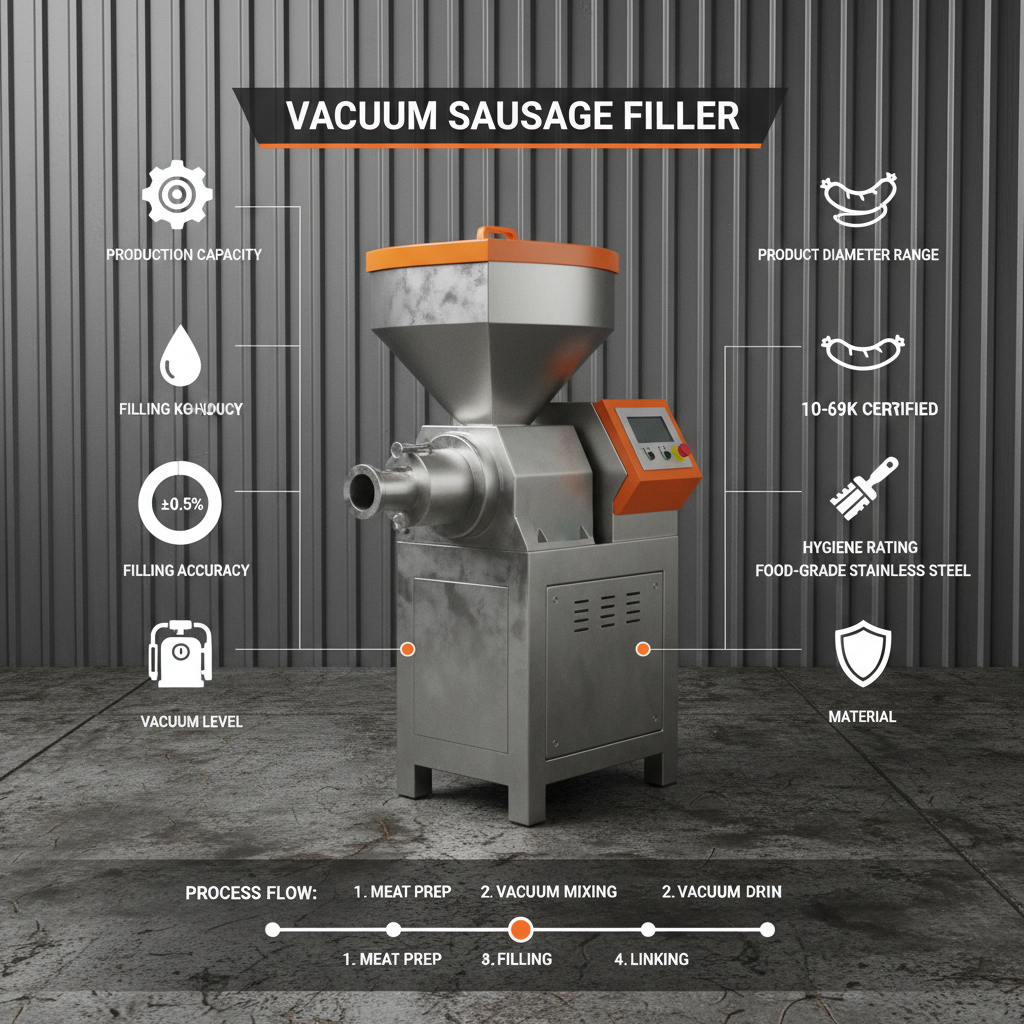
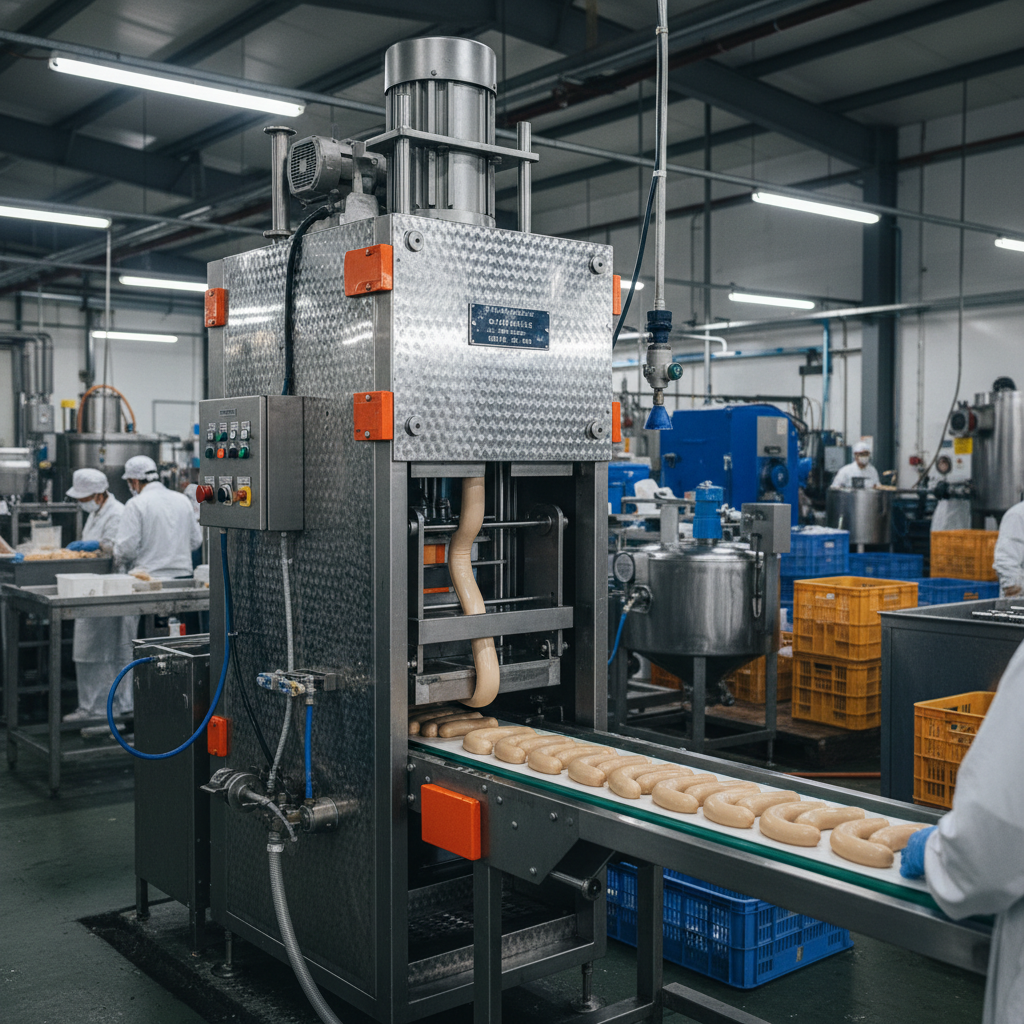
A vacuum sausage filler is a specialized piece of food processing equipment designed to fill sausage casings with meat emulsions while simultaneously removing air. This is achieved through the creation of a partial vacuum within the filling chamber, ensuring a dense and uniform product. The process typically involves a hopper to hold the meat mixture, a vacuum pump to extract air, and a filling horn that directs the emulsion into the casing.
Unlike traditional fillers that rely on gravity or mechanical pressure, vacuum fillers offer superior control over the filling process. This translates to reduced waste, improved product quality, and extended shelf life. Modern vacuum sausage filler systems often incorporate automated features, such as portion control and casing tying, further enhancing efficiency and productivity.
The connection to modern industry and humanitarian needs lies in the ability to provide safe, nutritious, and shelf-stable food products. In disaster relief scenarios, vacuum-filled sausages can offer a vital source of protein and energy without the need for refrigeration. The technology’s contribution extends beyond commercial applications, playing a critical role in ensuring food security for vulnerable populations.
Key Components and Features
Several core components determine the performance and reliability of a vacuum sausage filler. The vacuum pump is arguably the most critical, responsible for creating and maintaining the necessary vacuum level. Its capacity and efficiency directly impact the quality of the fill and the speed of production.
The filling hopper, typically constructed from stainless steel, holds the meat emulsion and ensures a consistent supply to the filling chamber. The filling horn, available in various sizes and shapes, directs the emulsion into the casing. Beyond these core elements, advanced models often feature automatic portioning systems, casing detectors, and programmable controls for precise operation.
Performance Metrics of Vacuum Sausage Filler Systems
Applications Across Industries
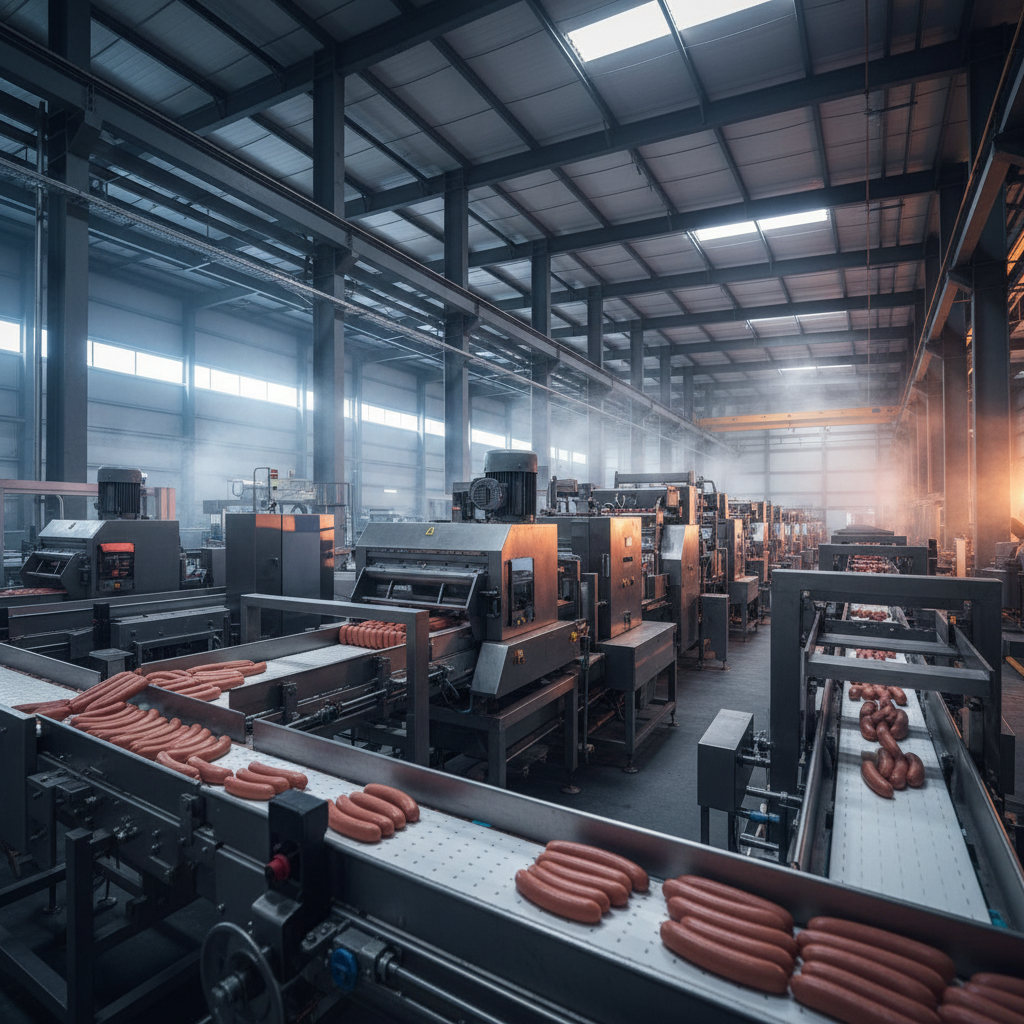
Vacuum sausage fillers find application in a wide range of food processing industries, from large-scale meatpacking plants to smaller artisanal producers. They are commonly used to produce various types of sausages, including fresh sausages, cooked sausages, and dry-cured sausages. In post-disaster relief operations, these machines, coupled with appropriate meat sources, can provide a crucial source of protein.
The technology is also vital in the production of other stuffed food products, such as pâtés, terrines, and processed meat snacks. Within remote industrial zones, where access to refrigerated transport may be limited, the extended shelf life provided by vacuum filling becomes even more critical. Moreover, the growing demand for pre-packaged, ready-to-eat meals is driving increased adoption of vacuum sausage filler technology.
Benefits and Long-Term Value
The advantages of utilizing a vacuum sausage filler are multi-faceted. Cost savings are realized through reduced waste, minimized spoilage, and increased production efficiency. Sustainability is enhanced by extending product shelf life, lessening the need for frequent replacements. A superior, consistent product improves consumer confidence and builds brand loyalty.
The enhanced food safety inherent in the vacuum filling process is paramount, minimizing the risk of bacterial contamination and protecting public health. The reliability of modern vacuum sausage filler systems also translates into reduced downtime and lower maintenance costs, fostering long-term operational stability.
Future Trends and Innovations
The future of vacuum sausage filling lies in increased automation, integration with Industry 4.0 technologies, and a focus on sustainable practices. Developments in materials science are leading to the creation of more hygienic and durable components, further reducing the risk of contamination. Digital transformation initiatives are enabling real-time monitoring of production parameters and predictive maintenance capabilities.
The integration of artificial intelligence (AI) and machine learning (ML) algorithms promises to optimize filling processes, improve portion control, and enhance overall efficiency. Furthermore, the adoption of green energy solutions, such as energy-efficient vacuum pumps and motors, is helping to reduce the environmental footprint of sausage production.
Analysis of Vacuum Sausage Filler Technologies
| Technology Type |
Initial Investment Cost |
Operational Complexity |
Long-Term ROI |
| Pneumatic Vacuum Fillers |
$5,000 - $10,000 |
Medium |
7/10 |
| Hydraulic Vacuum Fillers |
$10,000 - $20,000 |
High |
8/10 |
| Automated Vacuum Fillers |
$20,000+ |
Low (after setup) |
9/10 |
| Portable Vacuum Fillers |
$2,000 - $5,000 |
Low |
6/10 |
| High-Speed Vacuum Fillers |
$15,000 - $30,000 |
Medium-High |
8.5/10 |
| Sanitary Vacuum Fillers |
$8,000 - $15,000 |
Medium |
7.5/10 |
FAQS
Vacuum sausage fillers offer several key advantages. Most notably, they eliminate air pockets within the casing, resulting in a denser, more visually appealing product with a longer shelf life. This is achieved through the creation of a vacuum during the filling process, which inhibits bacterial growth and prevents oxidation. They also offer more consistent product filling compared to manual methods.
Regular maintenance is crucial for optimal performance and longevity. Daily cleaning is essential to prevent bacterial buildup. Periodic inspection of seals, gaskets, and the vacuum pump is recommended. More extensive maintenance, such as oil changes and filter replacements, should be performed according to the manufacturer’s guidelines, typically every 6-12 months.
Vacuum sausage fillers are incredibly versatile and can be used to produce a wide range of sausage varieties. This includes fresh sausages, cooked sausages, dry-cured sausages, and even specialty sausages like bratwurst and chorizo. The ability to control the filling process makes it suitable for different meat mixtures and casing types.
With proper maintenance and care, a high-quality vacuum sausage filler can last for 10-15 years or even longer. Factors influencing lifespan include the frequency of use, the type of sausage being produced, and the diligence of the maintenance schedule. Investing in a reputable brand and following recommended operating procedures are key to maximizing longevity.
Most modern vacuum sausage fillers are designed with hygiene in mind, featuring stainless steel construction and easily removable components. This facilitates thorough cleaning and sanitization, minimizing the risk of bacterial contamination. However, it’s important to follow the manufacturer’s instructions for cleaning and disinfection to ensure compliance with food safety standards.
Several factors come into play when selecting a vacuum sausage filler. Consider your production volume, the types of sausages you intend to produce, your budget, and the available space in your facility. Also, evaluate the features offered, such as automation, portion control, and ease of cleaning. Finally, choose a reputable manufacturer with a strong track record of customer support.
Conclusion
In conclusion, the vacuum sausage filler stands as a cornerstone of modern meat processing, delivering enhanced product quality, extended shelf life, and improved food safety. From bolstering global food security to streamlining production for artisanal producers, its impact is undeniable. Understanding the intricacies of this technology is crucial for any organization committed to excellence in sausage production.
Looking ahead, continued innovation in automation, sustainability, and digital integration promises to further elevate the capabilities of vacuum sausage fillers. Embracing these advancements will not only optimize operational efficiency but also position businesses for long-term success in a rapidly evolving food industry. To explore the latest advancements and find the perfect vacuum sausage filler for your needs, visit our website today.