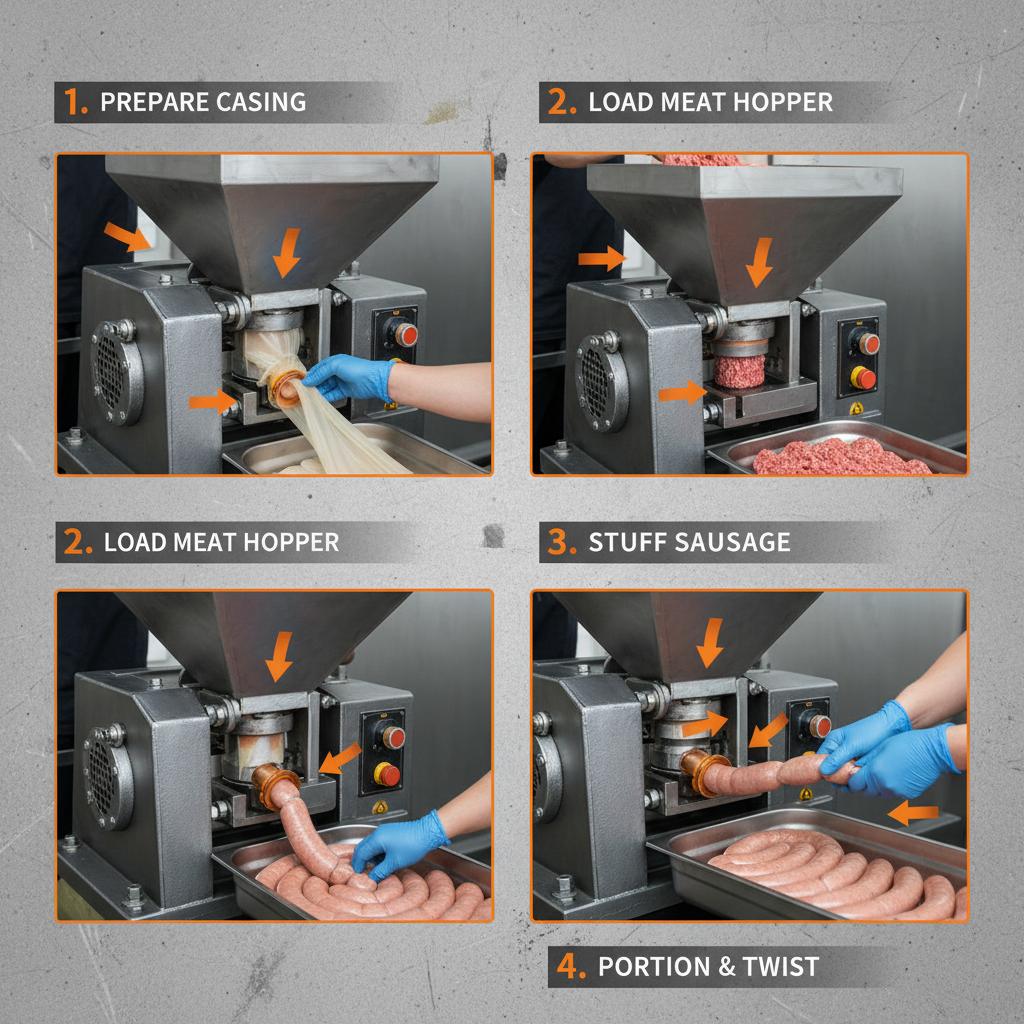
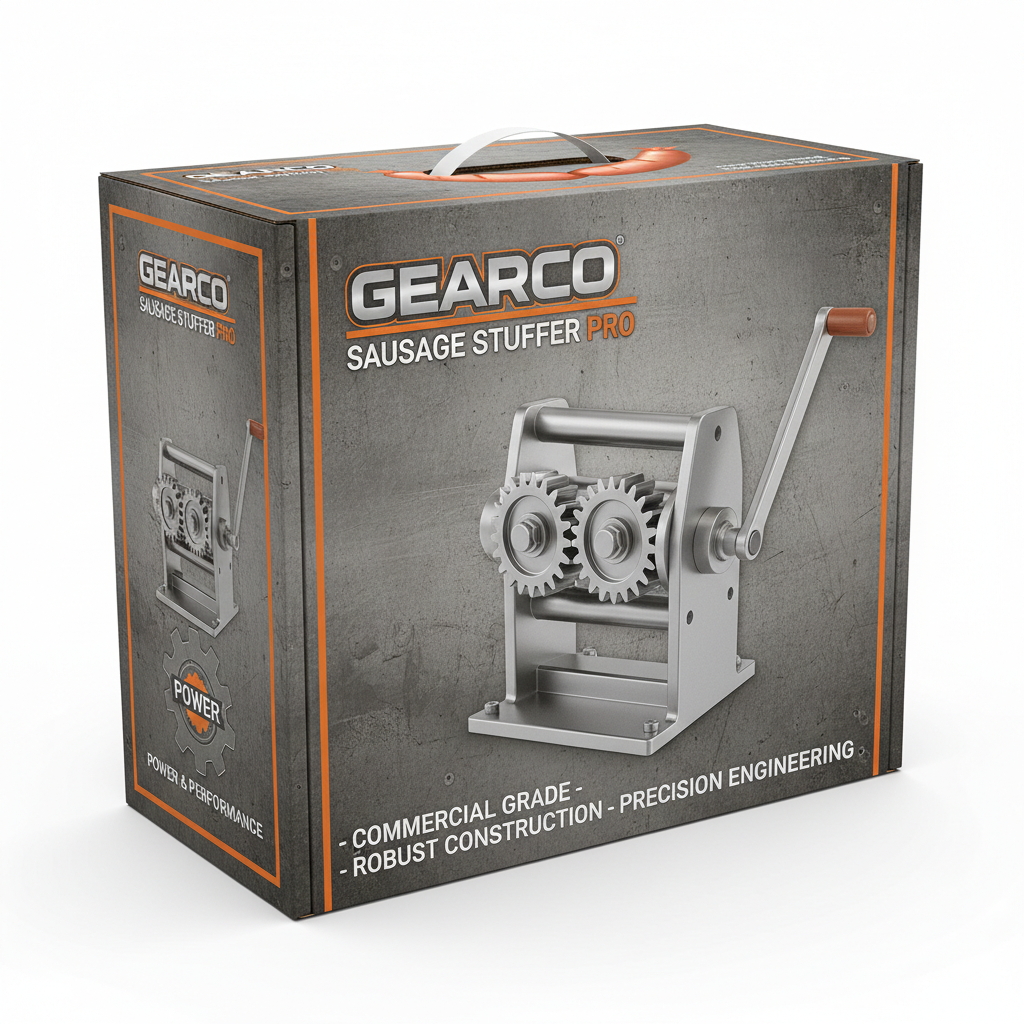
Sausage dosing filler systems represent a critical component in modern food processing, specifically within the meat industry. They ensure consistent product weight and quality, optimizing production efficiency and minimizing waste. The demand for precisely portioned sausage products is driven by evolving consumer preferences for convenience and standardized serving sizes, coupled with stringent food safety regulations globally. This makes understanding and optimizing sausage dosing filler technology paramount for businesses aiming to remain competitive and compliant.
The global market for food processing equipment, including sausage dosing filler, is experiencing substantial growth, fueled by an expanding population and increasing demand for processed foods. According to industry reports, the meat and poultry processing equipment sector alone is projected to reach billions of dollars in the coming years. However, challenges remain in addressing issues of hygiene, maintenance, and adapting to different sausage types and casings. Effective sausage dosing filler solutions are essential to navigating these complexities.
Understanding the intricacies of sausage dosing filler is no longer solely the domain of food scientists and engineers. It's a crucial knowledge base for operations managers, quality control personnel, and anyone involved in the efficient and safe production of sausage products. Investing in the right system, coupled with proper training and maintenance, translates directly into enhanced profitability and consumer satisfaction.
The Importance of Sausage Dosing Filler
Precise and reliable sausage dosing filler systems are foundational to maintaining consistent product quality and adhering to legal trade standards. Inaccurate dosing leads to inconsistent product weights, potential fines, and erosion of consumer trust. Modern systems minimize these risks by leveraging advanced technologies and robust engineering.
Beyond compliance, effective sausage dosing filler directly impacts profitability. By reducing product giveaway and minimizing waste, companies can significantly lower production costs and maximize their return on investment. This is particularly crucial in a competitive market where even small margins can make a substantial difference.
Defining Sausage Dosing Filler
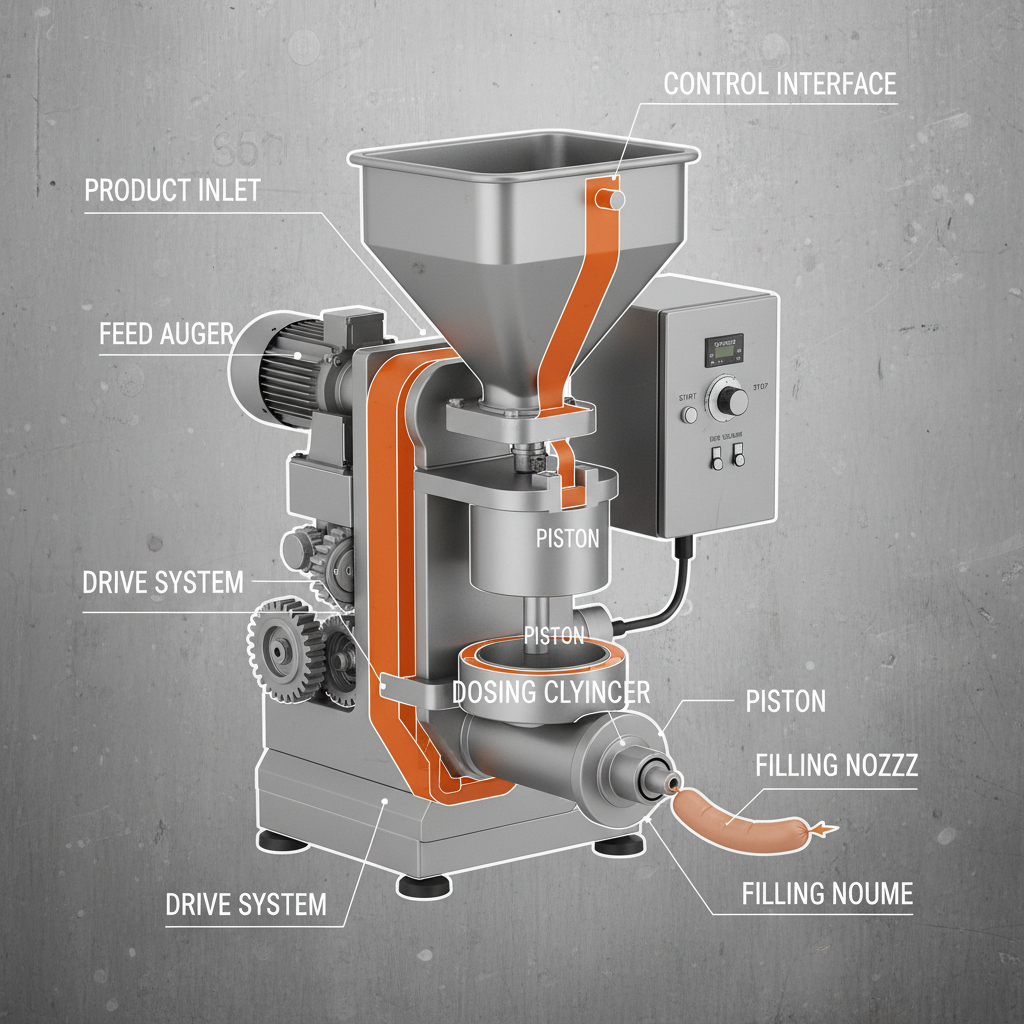
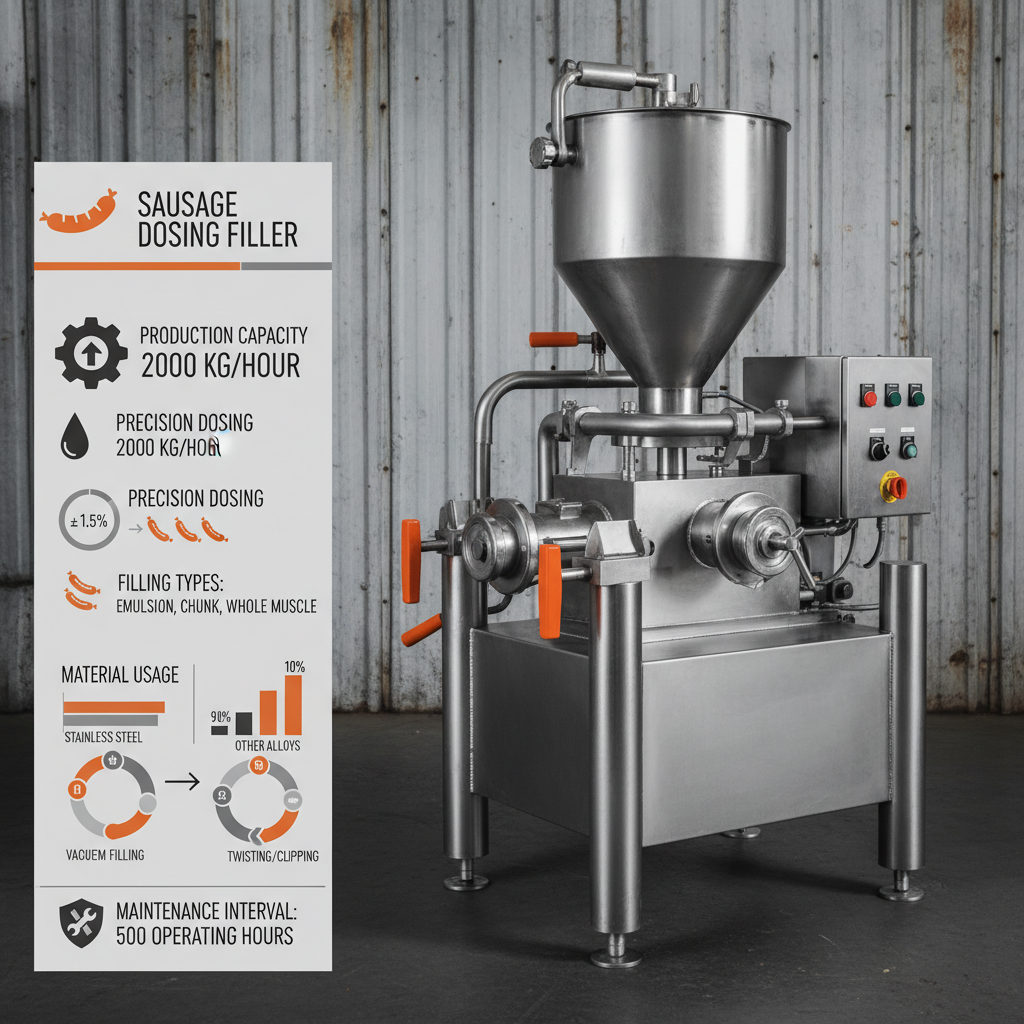
Sausage dosing filler refers to the machinery used to accurately portion sausage meat into casings, creating individual links or bulk packages. These systems range from semi-automatic models suitable for smaller-scale operations to fully automated, high-speed lines designed for large-volume production. The core function is to deliver a precise weight of meat mixture, ensuring uniformity across all products.
The technology behind sausage dosing filler has evolved significantly. Early systems relied heavily on volumetric measurement, which proved susceptible to variations in meat density and fat content. Modern systems increasingly incorporate gravimetric dosing, utilizing load cells and sophisticated algorithms to guarantee accurate weight-based portioning.
The relevance of sausage dosing filler extends beyond just the food industry. It embodies principles of precision engineering and automated control applicable to numerous other sectors where accurate portioning and controlled dispensing are critical, such as pharmaceuticals, cosmetics, and chemical manufacturing.
Key Components and Operational Factors
Durability is a critical factor in sausage dosing filler systems, given the harsh operating environments and frequent sanitation cycles. Components must be constructed from food-grade stainless steel and other corrosion-resistant materials to withstand constant exposure to moisture, fat, and cleaning agents.
Scalability is another important consideration. Manufacturers need systems that can adapt to changing production volumes, whether scaling up to meet increased demand or adjusting to seasonal fluctuations. Modular designs that allow for the addition of components or upgrading of existing systems offer optimal flexibility.
Cost efficiency encompasses not only the initial purchase price but also ongoing operational expenses, such as maintenance, energy consumption, and labor costs. Automated systems, while often having a higher upfront investment, can reduce labor requirements and minimize downtime, leading to long-term cost savings.
Global Applications of Sausage Dosing Filler
Sausage dosing filler systems are employed extensively throughout Europe, particularly in Germany, Poland, and Spain, countries renowned for their traditional sausage-making practices and large-scale meat processing industries. These regions prioritize quality control and consistency, driving demand for sophisticated dosing technology.
North America also represents a significant market, with large-scale producers utilizing automated systems to meet the demands of mass-market consumers. The growth of organic and specialty sausage brands has further fueled demand for flexible dosing solutions capable of handling a variety of meat mixtures and casing types.
In developing nations, particularly in Southeast Asia and Latin America, the demand for affordable and reliable sausage dosing filler is increasing as meat consumption rises and local processing industries expand. These regions often require systems that are robust, easy to maintain, and adaptable to varying levels of infrastructure support.
Sausage Dosing Filler System Performance Comparison
Advantages and Long-Term Value
The cost savings associated with precise sausage dosing filler are substantial. Reducing product giveaway, minimizing waste, and optimizing ingredient usage directly translate into increased profitability. Furthermore, automated systems reduce labor costs, allowing personnel to focus on higher-value tasks.
Sustainability is increasingly important. By minimizing waste, sausage dosing filler systems contribute to a more environmentally responsible food production process. This aligns with growing consumer demand for sustainable products and reduces the environmental footprint of meat processing facilities.
Future Trends in Sausage Dosing Filler Technology
The integration of artificial intelligence (AI) and machine learning (ML) into sausage dosing filler systems is a rapidly developing trend. AI-powered systems can analyze data in real-time, adjusting dosing parameters to compensate for variations in meat composition and casing characteristics, further improving accuracy and reducing waste.
Digital transformation is also playing a key role, with the adoption of the Industrial Internet of Things (IIoT) enabling remote monitoring, predictive maintenance, and seamless integration with other production systems. This allows for proactive identification of potential issues and minimizes downtime.
The demand for hygienic designs is driving innovation in materials and system architecture. New systems are incorporating features such as tool-less disassembly and clean-in-place (CIP) capabilities, simplifying sanitation and reducing the risk of contamination.
Challenges and Solutions in Implementation
One common challenge is ensuring compatibility between the sausage dosing filler system and existing production lines. Retrofitting older equipment can be complex and require significant modifications. Solution: Carefully assess integration requirements and choose systems designed for compatibility or offering customizable interfaces.
Maintaining consistent product quality across different sausage types and casing materials can also be difficult. Different formulations require different dosing parameters. Solution: Utilize systems with adjustable settings and programmable recipes to optimize performance for a wide range of products.
Operator training and maintenance are crucial for optimal performance. Inadequate training can lead to errors and downtime. Solution: Invest in comprehensive training programs and establish a preventative maintenance schedule to ensure long-term reliability and efficiency.
Summary of Common Challenges and Solutions for Sausage Dosing Filler Implementation
| Challenge |
Impact on Production |
Solution |
Implementation Cost (1-10) |
| Integration with Existing Lines |
Potential downtime, reduced efficiency |
Choose compatible systems, customizable interfaces |
6 |
| Product Variety Compatibility |
Inconsistent dosing, quality issues |
Adjustable settings, programmable recipes |
7 |
| Operator Training Deficiency |
Errors, increased downtime, reduced efficiency |
Comprehensive training programs, ongoing support |
5 |
| Sanitation and Hygiene |
Contamination risk, compliance issues |
Tool-less disassembly, CIP capabilities |
8 |
| Maintenance Requirements |
Unplanned downtime, reduced lifespan |
Preventative maintenance schedules, remote diagnostics |
4 |
| Data Analysis and Optimization |
Missed opportunities for process improvement |
IIoT integration, AI-powered analytics |
9 |
FAQS
A fully automated sausage dosing filler system provides increased production speed, improved accuracy, reduced labor costs, and enhanced hygiene. The consistent dosing minimizes product giveaway and waste, leading to significant cost savings. Automated systems also offer better data logging and traceability, aiding in quality control and compliance.
Consider your current and projected production volume, the variety of sausage products you produce, and your budget. For low-volume operations, a semi-automatic system may suffice. For high-volume production, a fully automated system is recommended. Evaluate the system's capacity, flexibility, and ease of cleaning and maintenance.
Regular maintenance includes cleaning and sanitizing all components, lubricating moving parts, inspecting seals and hoses for wear, and calibrating the dosing mechanisms. Following the manufacturer’s recommended maintenance schedule is crucial for preventing breakdowns and ensuring long-term reliability. Consider a preventative maintenance contract for expert support.
Choose systems constructed from food-grade stainless steel and designed for easy cleaning. Implement a rigorous cleaning and sanitation protocol, including regular disassembly and sterilization of components. Consider systems with Clean-In-Place (CIP) capabilities to automate the cleaning process. Follow all relevant food safety regulations.
The ROI depends on several factors, including production volume, labor costs, waste reduction, and the initial investment. However, most companies experience a significant ROI within 1-3 years due to increased efficiency, reduced waste, and improved product quality. A thorough cost-benefit analysis is recommended.
Essential safety features include emergency stop buttons, safety guards to prevent access to moving parts, overload protection, and compliance with relevant safety standards. Look for systems with integrated safety interlocks that prevent operation if safety features are compromised. Proper operator training is also paramount.
Conclusion
In conclusion, sausage dosing filler systems are indispensable for modern meat processing, offering significant benefits in terms of accuracy, efficiency, and sustainability. The continued evolution of this technology, driven by advancements in AI, IIoT, and hygienic design, promises even greater improvements in performance and reliability. Investing in the right system and prioritizing operator training are crucial for maximizing these benefits.
Looking ahead, the integration of data analytics and predictive maintenance will become increasingly important. Proactive monitoring and optimization will allow manufacturers to anticipate potential issues, minimize downtime, and further enhance profitability. We encourage you to explore the latest innovations in sausage dosing filler technology to stay ahead of the competition and meet the evolving demands of the market.