Stainless steel filler plays a critical role in a vast array of industries, from construction and manufacturing to food processing and healthcare. Its unique combination of corrosion resistance, strength, and hygienic properties makes it an indispensable material in modern society. Understanding the nuances of stainless steel filler—its compositions, applications, and future innovations—is essential for professionals across diverse fields and for driving sustainable, long-term solutions.
Globally, the demand for stainless steel filler is continuously increasing, fueled by infrastructure development in emerging economies, stringent hygiene standards in the food and pharmaceutical sectors, and the growing need for durable, long-lasting materials. The stainless steel market itself is projected to reach substantial value in the coming years, impacting both economic growth and technological advancement. Successfully navigating this landscape requires a detailed understanding of the specific types of stainless steel filler available and their optimal utilization.
At its core, stainless steel filler enables the creation of robust, reliable, and often life-saving structures and systems. From the tanks used to store drinking water to the surgical instruments used in operating rooms, this material directly influences the quality of life for billions of people. By focusing on innovation and sustainable practices within the stainless steel filler industry, we can continue to unlock its full potential and address some of the world's most pressing challenges.
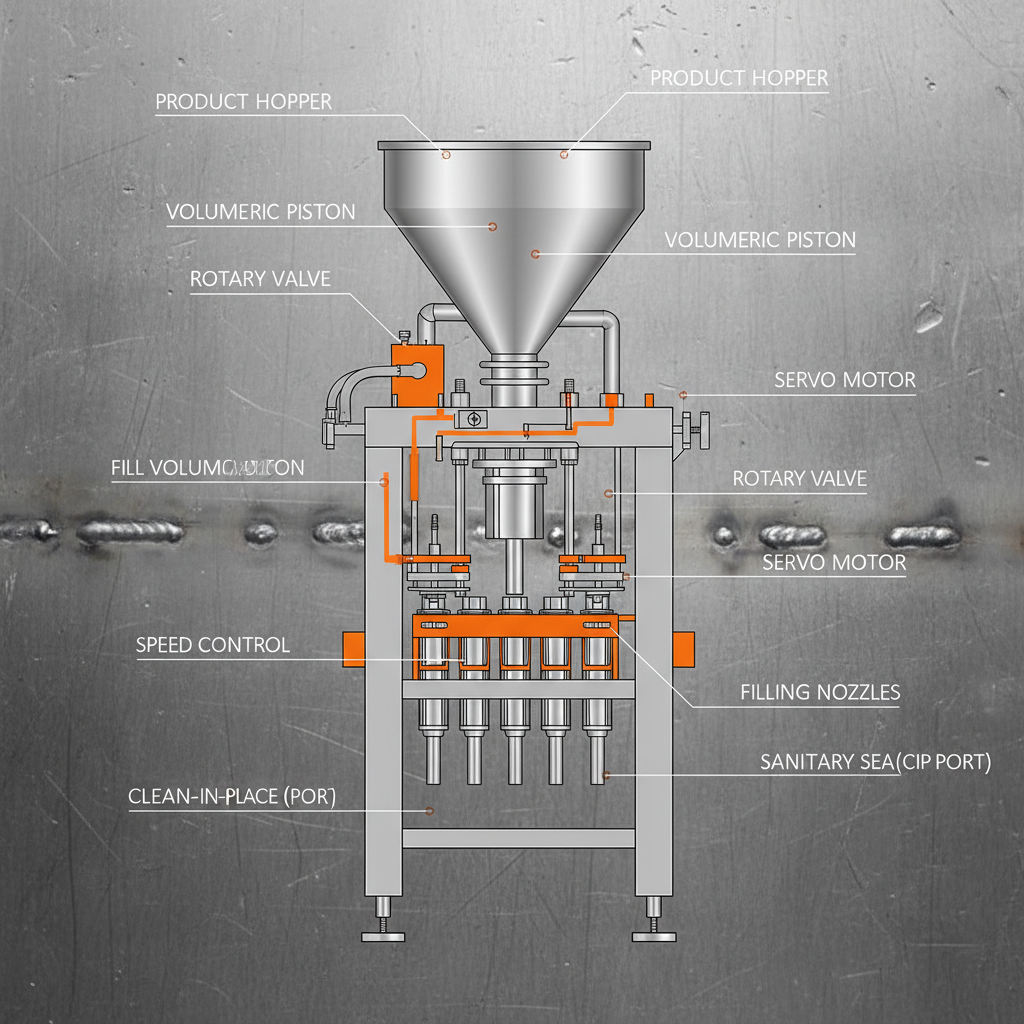
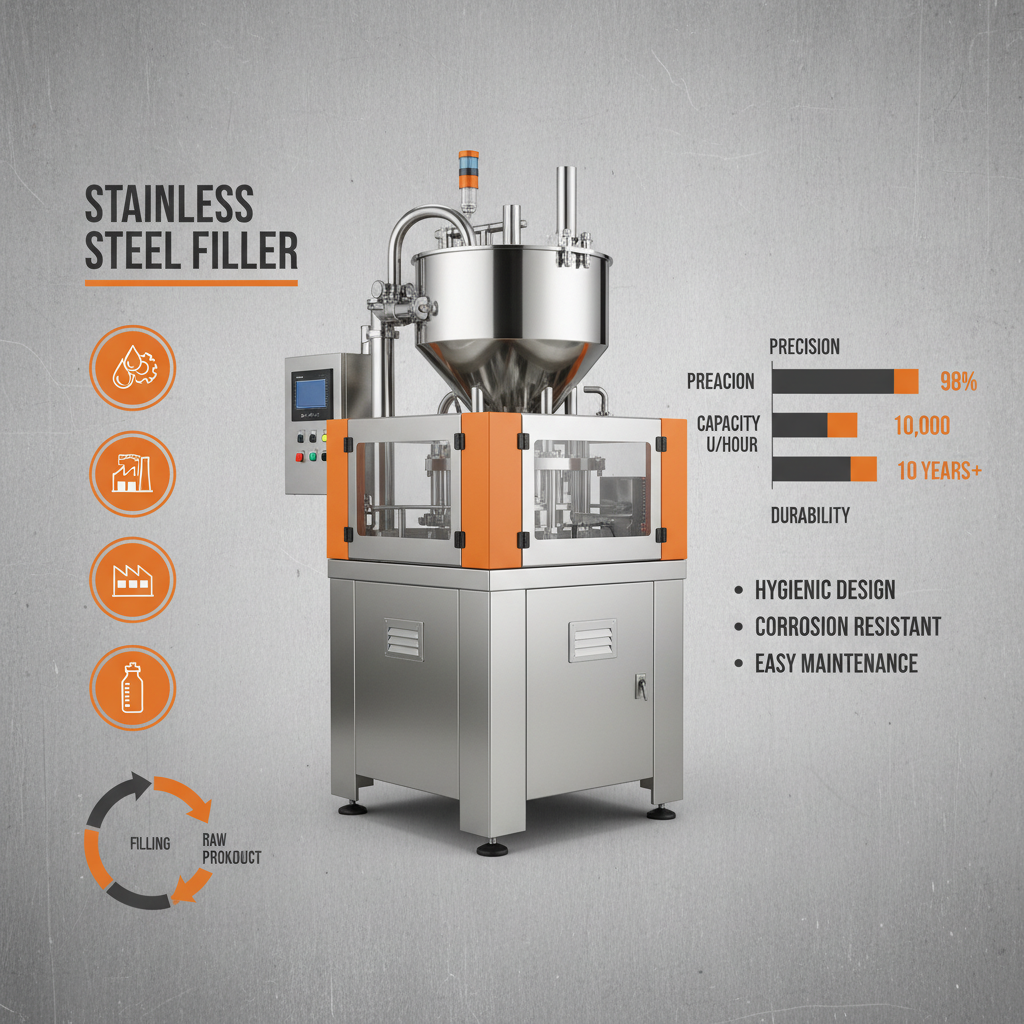
Stainless steel filler materials are fundamental to a remarkably diverse range of industries. Their ability to withstand harsh environments, maintain structural integrity, and resist corrosion makes them vital in applications where reliability is paramount. From bridges and buildings to chemical processing plants and medical devices, stainless steel filler ensures longevity, safety, and performance.
The continued development and refinement of stainless steel filler techniques are driving innovation across multiple sectors. New alloys and manufacturing processes are constantly emerging, offering improved strength, weldability, and cost-effectiveness. Investing in research and development in this area is crucial for maintaining a competitive edge and addressing the evolving needs of the global market.
Different grades of stainless steel filler, such as 304, 316, and 2205, vary in their composition and properties. 304 offers good corrosion resistance and is cost-effective, while 316 provides enhanced resistance to chlorides and is suitable for marine environments. 2205, a duplex stainless steel, offers high strength and excellent corrosion resistance, making it ideal for demanding applications. Selecting the right grade depends on the specific environmental conditions and performance requirements.
Choosing the correct filler depends on the welding process (GMAW, GTAW, SMAW), the base metal, and the desired weld properties. For GMAW, solid wires are commonly used. GTAW often utilizes rods. SMAW employs coated electrodes. Ensure the filler's composition matches the base metal to avoid compatibility issues and maintain corrosion resistance. Consider factors like weld position and heat input during selection.
Preventing weld defects requires proper surface preparation, shielding gas selection, and welding technique. Remove all contaminants from the base metal before welding. Use a shielding gas compatible with the stainless steel alloy (e.g., argon, argon/CO2 mixtures). Maintain a consistent travel speed and heat input. Perform post-weld heat treatment to relieve stress and improve mechanical properties.
Yes, stainless steel filler is widely used in food processing equipment due to its corrosion resistance, hygienic properties, and ease of cleaning. Grades like 304 and 316 are particularly popular due to their ability to withstand harsh cleaning agents and prevent contamination. Proper welding techniques are crucial to ensure smooth, crevice-free welds that meet sanitation standards.
Stainless steel filler generally has a higher upfront cost compared to carbon steel filler. However, the long-term benefits—such as reduced maintenance, increased lifespan, and improved corrosion resistance—often offset the initial expense. Consider the total cost of ownership when evaluating material options, factoring in replacement costs and downtime.
Stainless steel is 100% recyclable, making it an environmentally responsible material choice. Scrap stainless steel filler can be collected and recycled without significant loss of quality. Recycling reduces the demand for virgin materials and conserves natural resources. Many scrap metal recyclers specialize in stainless steel and offer competitive prices.
Stainless steel filler remains an indispensable material in numerous industries, providing unparalleled corrosion resistance, strength, and durability. Its applications span construction, healthcare, food processing, and beyond, contributing to safer, more efficient, and more sustainable practices. By understanding its core characteristics, optimizing its application, and embracing innovative technologies, we can unlock its full potential.
As we look to the future, continued research and development in stainless steel filler technology will be crucial for addressing emerging challenges and meeting evolving demands. Investing in sustainable manufacturing practices, exploring new alloys, and embracing automation will ensure that stainless steel filler continues to play a vital role in shaping a more resilient and prosperous world. For high-quality stainless steel filler, visit our website: www.bossinmachinery.com