
Oct . 01, 2025 13:25 Back to list
Frozen Meat Grinder JR130: High Capacity, Hygienic - Why?
Field Notes on the Frozen Meat Grinder JR130
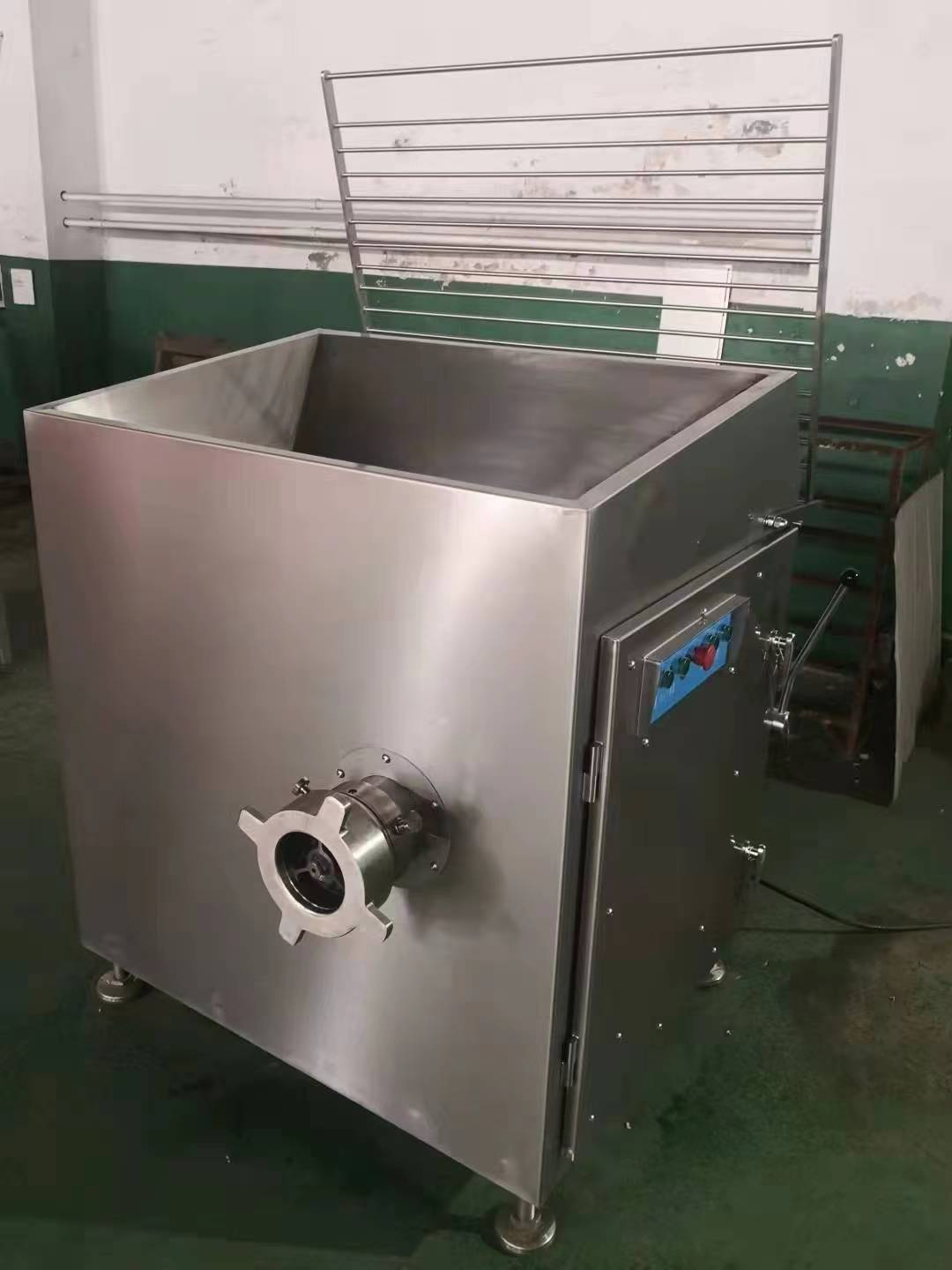
I’ve toured a lot of meat plants, and honestly, few workhorses are as quietly decisive as a frozen-block grinder. The Frozen Meat Grinder JR130—built in Shijiazhuang, Hebei, China—aims squarely at that sweet spot for small and mid-sized processors who need dependable throughput without a power-hungry footprint. It handles frozen meat down to about −8 °C, boneless fresh meat, even tougher vegetables. On the floor, that range matters more than spec sheets admit.
What’s trending and why it matters
The industry’s nudging toward colder grinding for better protein functionality, tighter particle definition, and less purge—especially for emulsified sausages and burgers. Energy costs and labor shortages push companies to simplify upstream pre-chop steps. Against that backdrop, the Frozen Meat Grinder JR130 has become a practical pick: it’s not oversized, yet it’s robust enough for daily shifts without babying.
Indicative specifications (real-world use may vary)
| Grind plate diameter | ≈130 mm |
| Throughput (frozen, −8 °C) | ≈800–1,800 kg/h (depends on pre-cut size, plate, and product) |
| Motor power | ≈11–18 kW (configurable) |
| Min. product temperature | Not lower than −8 °C |
| Materials in product zone | Stainless steel contact parts; hardened blade/plate set |
| Service life (typical) | ≈8–10 years with preventive maintenance |
Note: figures are indicative; final configuration and product mix change outcomes.
Where it shines
- Batch sausage rooms and burger lines needing crisp particle integrity.
- SMEs ramping to mass production without the price tag of a 160–200 mm grinder.
- Plants chasing consistency from frozen trim with fewer pre-break passes.
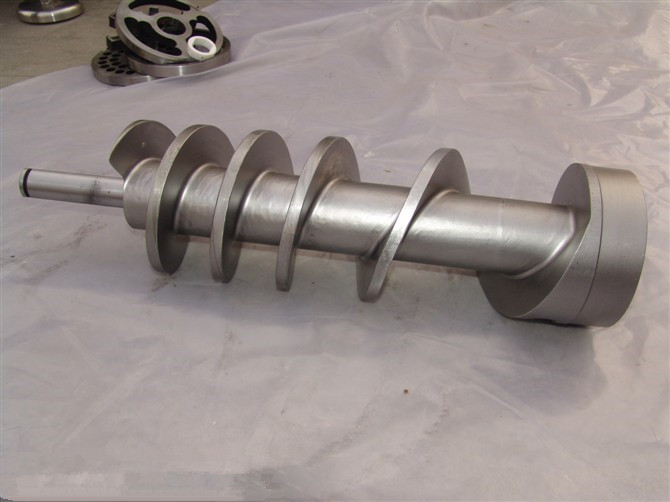
Advantages I’ve seen: forgiving startup, straightforward sanitation, and good compatibility with common plate meshes (3–13 mm ranges are typical, though your SKUs may vary). Many customers say the Frozen Meat Grinder JR130 hits a nice balance between torque and footprint.
Process flow and quality controls
Materials: boneless frozen beef/pork/poultry trim (≤−8 °C), fresh meat, vegetables.
Methods: pre-cut frozen blocks to manageable chunks; select plate/knife set; steady feed rate; verify temperature rise stays modest.
Testing standards (typical buyer requirements): hygiene design per EN 1672-2; risk reduction aligned with ISO 12100; electrical safety checks per EN 60204-1; cleanability inspections referencing ISO 14159. Factory FAT often includes a 2-hour no-load run-in, vibration baseline, and temperature-rise checks.
Service life & maintenance: knife/plate regrind intervals depend on fat content and throughput; daily teardown wash, weekly deep clean, quarterly gearbox check. Spare sets on rotation reduce downtime.
Industries: meat processors, ready-meal makers, foodservice commissaries, and, surprisingly, pet food plants that need cold grind texture.
Vendor comparison at a glance
| Model | Plate Ø | Frozen throughput | Min temp | Notes |
|---|---|---|---|---|
| JR130 | ≈130 mm | ≈0.8–1.8 t/h | ≥ −8 °C | Balanced power; SME-friendly |
| Vendor A 120 | ≈120 mm | ≈0.6–1.2 t/h | ≥ −5 °C | Compact; lighter duty |
| Vendor B 160 | ≈160 mm | ≈1.5–3.0 t/h | ≥ −10 °C | High output; higher power draw |
Customization and compliance
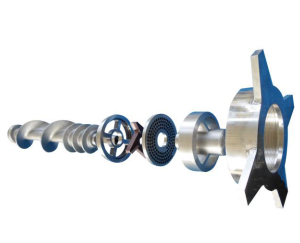
Options commonly requested: alternative auger pitches, knife/plate metallurgy, variable-frequency drive, and tailored discharge heights for downstream blenders. Buyers often ask for documentation showing conformity with the EU Machinery Directive, hygiene design notes, and a materials certificate for product-contact parts. The maker’s base is at No.311 Youyi North Street, Xinhua District, Shijiazhuang, Hebei, China—worth noting for lead time planning and factory FATs.
On-the-ground feedback and mini case studies
A Hebei sausage line reported steadier particle size after switching to the Frozen Meat Grinder JR130, with trim at −6 to −8 °C and a 5 mm plate; their operators mentioned lower smear and easier clean-down. Another midwestern-style burger plant (small but ambitious) paired it with a simple infeed lift and saw around 12% quicker batch turns—nothing flashy, just fewer hiccups.
Noise levels in field use were described as “manageable” (≈78–82 dB at 1 m), which tracks with similar grinders; still, hearing protection is a must. To be honest, what surprised me most was the repeatability after a month of daily shifts—knives held an edge longer than expected, provided sharpening was scheduled, not reactive.
Bottom line
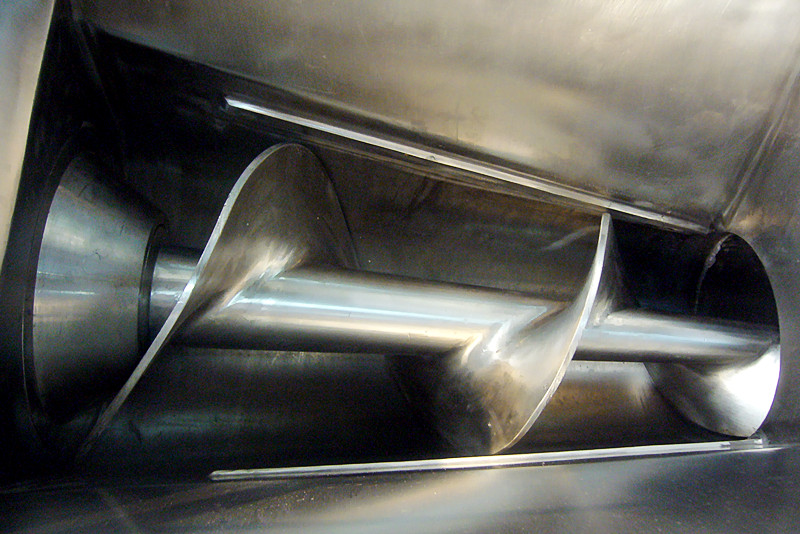
If you need a grinder that respects frozen texture and doesn’t bulldoze your utility bill, the Frozen Meat Grinder JR130 is a sensible, quietly capable option. Vet the exact configuration, ask for a test grind with your own raw materials, and lock in a knife/plate maintenance plan—your QA team will thank you.
Authoritative references
Latest news
-
Comprehensive Guide to Wholesale Skip Car Solutions for Construction Efficiency
NewsMar.31,2026
-
Investing in a Wholesale Meat Salted Machine for Business Success
NewsMar.28,2026
-
Revolutionizing Burger Production with Wholesale Burger Making Forming Machine Solutions
NewsMar.26,2026
-
Comprehensive Guide to Wholesale Sausage Filler Price and Equipment Selection
NewsMar.24,2026
-
Investing in a Wholesale Beef Slicing Machine for Enhanced Business Efficiency
NewsMar.21,2026
-
Invest in a Wholesale Clipping Machine for Sausages to Optimize Production
NewsMar.19,2026