
Oct . 16, 2025 09:15 Back to list
Vacuum Filler | Precise Portioning, Hygienic, High Output
Inside the Modern Sausage Room: Why the Vacuum Filler still sets the pace
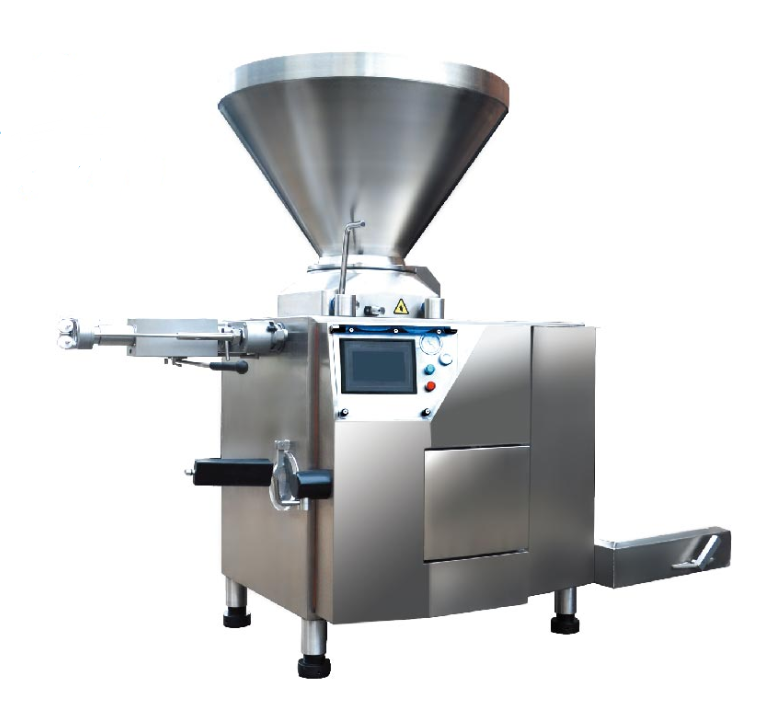
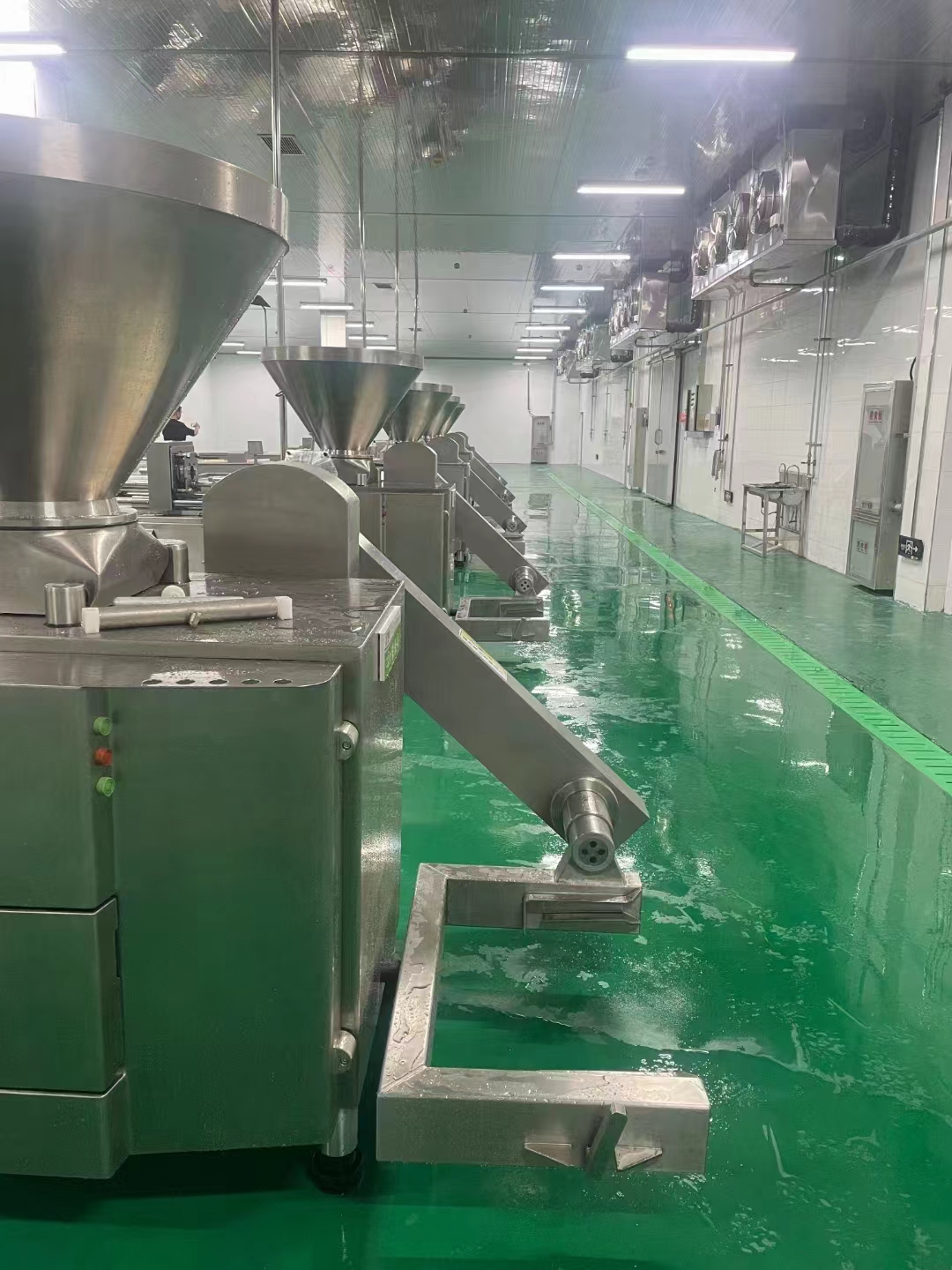
After a decade of walking cold floors and watching line changes under deadline pressure, I’ve learned one simple truth: the moment you upgrade to a Vacuum Filler, your air pockets and inconsistent links suddenly become yesterday’s problem. Not magic—just good engineering, and a bit of stubborn reliability. This unit from Bossin Machinery comes out of No.311 Youyi North Street, Xinhua District, Shijiazhuang City, Hebei China, and—honestly—it’s been popping up in more plants I visit than I expected.
What’s changing in the category
Three big trends are driving adopters: accuracy under lean staffing, hygienic design that cleans fast, and data. Plants want servo-driven portioning, true de-aeration, and traceable batches. The latest Vacuum Filler tech leans into that with high-vacuum chambers, denser pack under lower shear, and optional recipe storage—plus simpler changeovers. To be honest, that last one saves sanity on double shifts.
Process flow (real-world view)
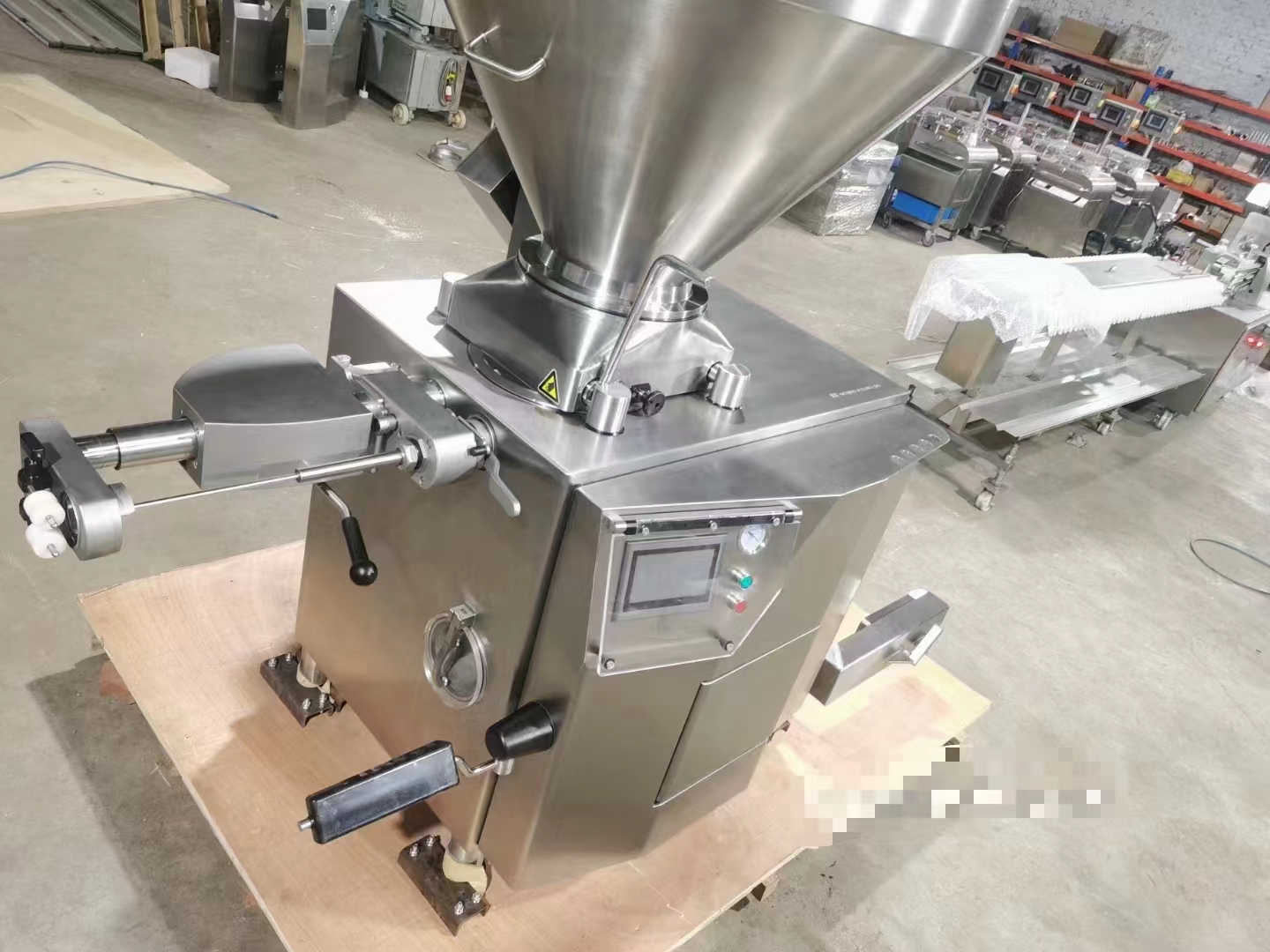
- Materials: chilled emulsions/chunks, seasoning slurries; food-contact parts in 304/316L stainless with FDA/EU compliant elastomers.
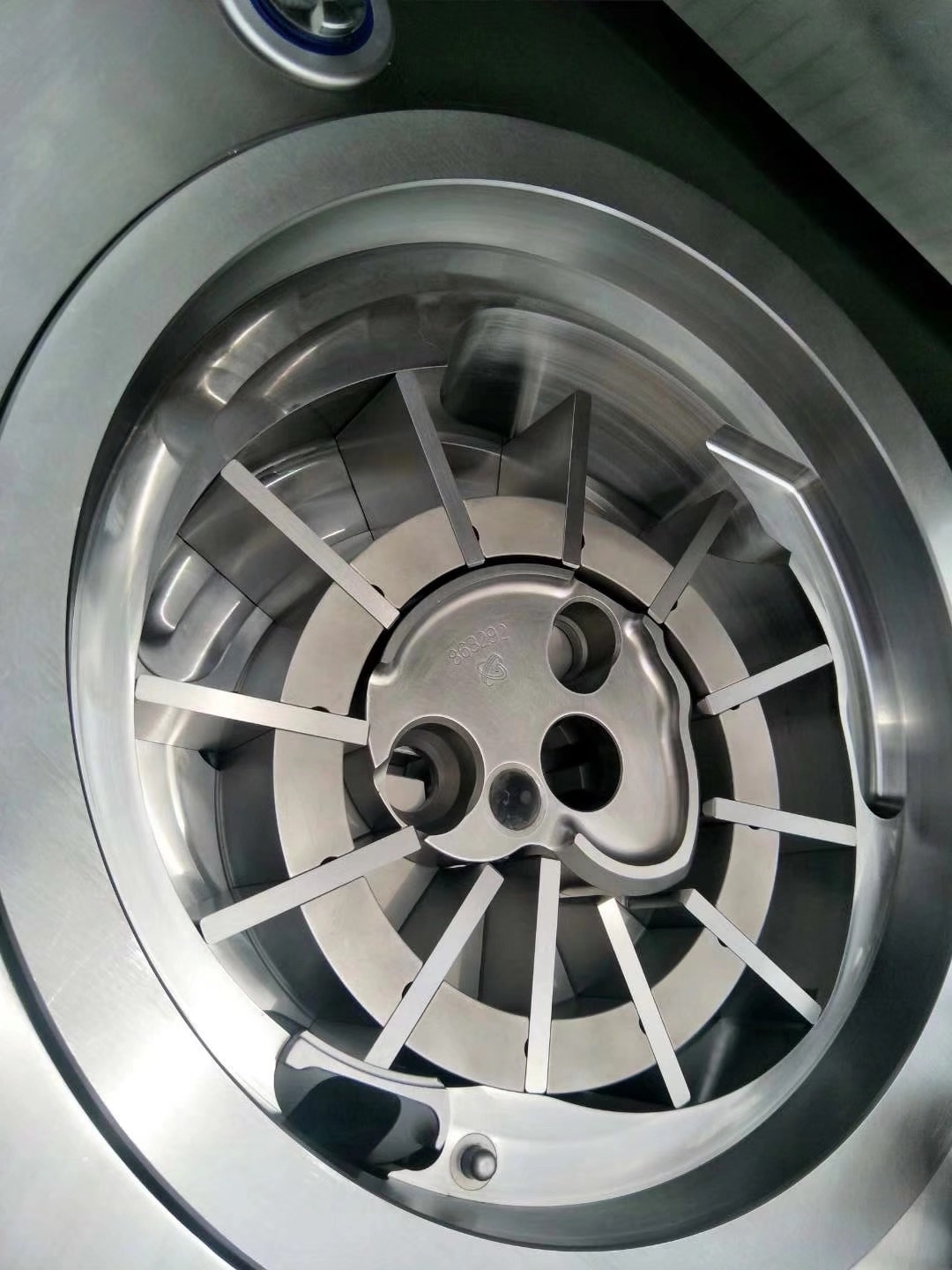
- De-aeration: vacuum chamber pulls trapped air; target vacuum ≈ −0.09 MPa (varies).
- Metering: servo-controlled rotor/pump (rated 40 bar) portioning to horn.
- Filling & twisting: casing feed with synchronous linking for consistent lengths.
- QC: weight checks every N units; visual pinhole audit; optional density or purge tests.
Product specifications (typical, field-validated)
| Parameter | Spec (≈, real-world use may vary) |
|---|---|
| Meat pump pressure | 40 bar rated |
| Vacuum level | Up to −0.09 MPa |
| Portion accuracy | ±1–2 g @ standard calibers |
| Material | AISI 304/316L, food-grade seals |
| Service life | ≈8–12 years with proper maintenance |
Use cases and advantages
Applications: cooked and fresh sausages, salami, snack sticks, pâté, plant-based analogs, even pet food chubs. The Vacuum Filler reduces voids (customers report 30–60% fewer pinholes), improves sliceability, and keeps purge down in retail packs. Surprisingly, quieter than some older hydraulics.
Vendor comparison (snapshot)
| Vendor | Strengths | Considerations |
|---|---|---|
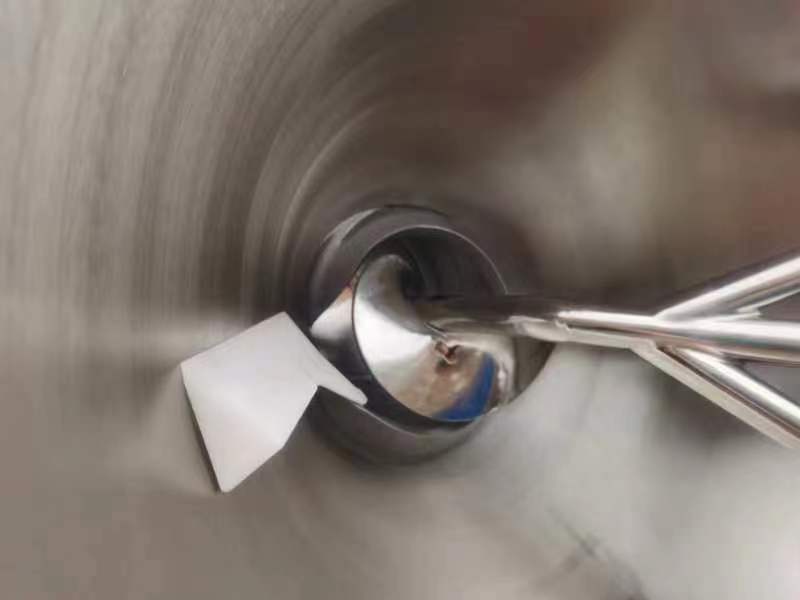
| Bossin Machinery (Vacuum Filler) | 40 bar pump, solid value, straightforward controls, good spares access from Hebei | Advanced integrations may need custom engineering |
| Euro Brand A | Deep automation suite, broad accessory ecosystem | Premium pricing, longer lead times |
| Value Import B | Entry-level cost | Variable QA, limited documentation |
Customization and QA
Nozzles/horns by caliber, linking ratios, hopper volumes, and CIP-ready options are common. Plants often add metal-detect checkpoints post-linking. Acceptance tests typically include weight repeatability (n≥200), vacuum hold test, and swab ATP hygiene verification. The Vacuum Filler can be specified to CE and supplied with material certs (EN 10204 2.2/3.1 on request).
Field note (mini case)
A mid-size deli processor swapped in this Vacuum Filler on a brat line. After two weeks: air void defects dropped ≈52% (internal QC), weight variance tightened from ±3.4 g to ±1.2 g, and cleanup trimmed 18 minutes per changeover. Not perfect every day—but noticeably steadier output.
Standards and compliance
Common requests I see: ISO 9001 factory QA, CE (2006/42/EC), hygienic design per EN 1672-2/ISO 14159, food-contact compliance (EU 1935/2004), and guidance from EHEDG/3-A. Plants also ask for IP65-rated enclosures and documented noise levels. The Vacuum Filler category supports these—with paperwork being the real test, frankly.
Citations
- [1] ISO 14159: Safety of machinery—Hygiene requirements
- [2] EN 1672-2: Food processing machinery—Hygiene requirements
- [3] EU Regulation 1935/2004 on materials intended to come into contact with food
- [4] CE Machinery Directive 2006/42/EC
- [5] EHEDG Guidelines; 3-A Sanitary Standards
Latest news
-
Comprehensive Guide to Wholesale Skip Car Solutions for Construction Efficiency
NewsMar.31,2026
-
Investing in a Wholesale Meat Salted Machine for Business Success
NewsMar.28,2026
-
Revolutionizing Burger Production with Wholesale Burger Making Forming Machine Solutions
NewsMar.26,2026
-
Comprehensive Guide to Wholesale Sausage Filler Price and Equipment Selection
NewsMar.24,2026
-
Investing in a Wholesale Beef Slicing Machine for Enhanced Business Efficiency
NewsMar.21,2026
-
Invest in a Wholesale Clipping Machine for Sausages to Optimize Production
NewsMar.19,2026